

 Pregledaj u prostoru
 Pošalji
 Podeli
 Detalji o delu

 Преузми
 Slični predmeti
 Rendgenski snimak
 Slajdovi
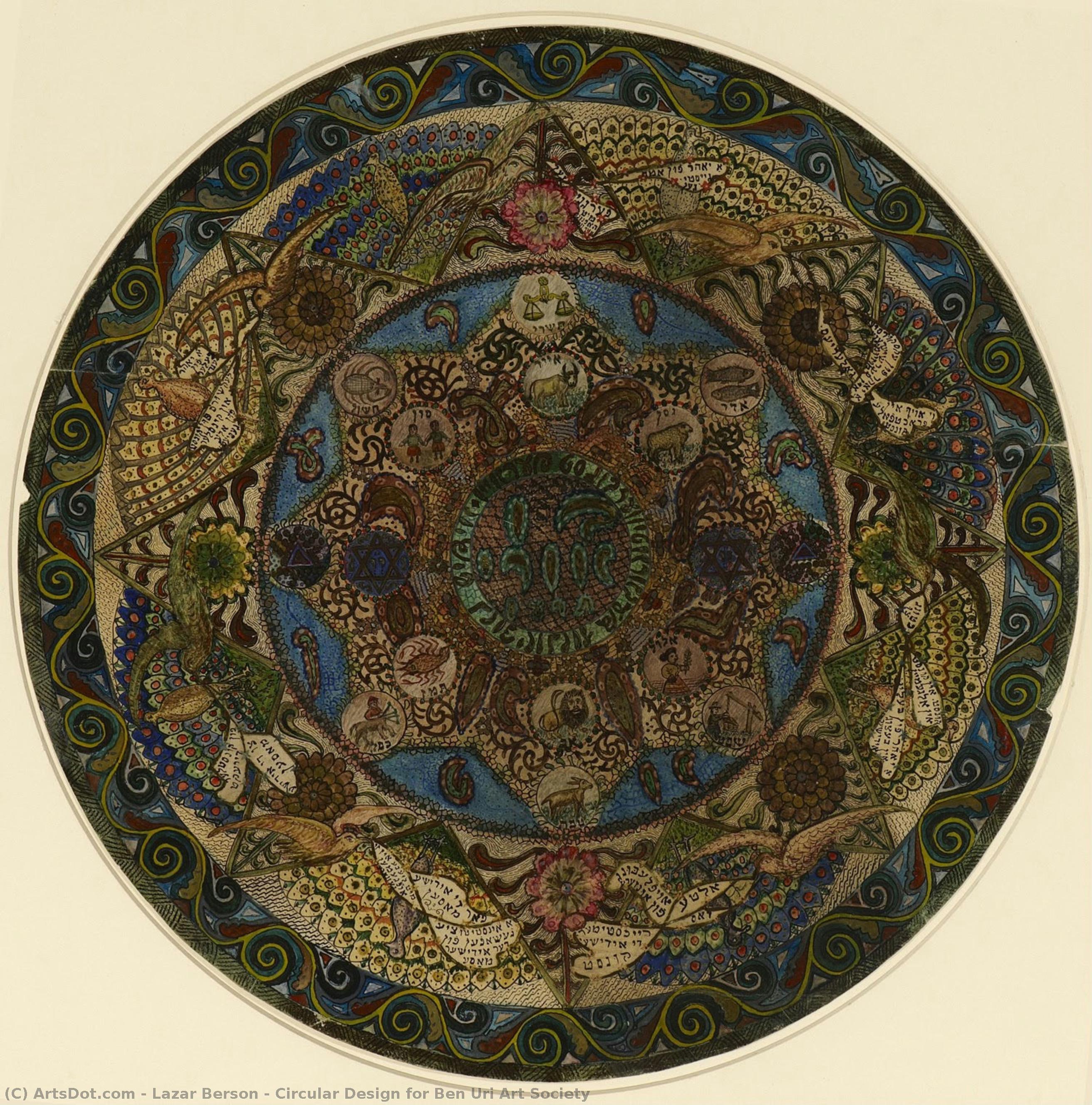
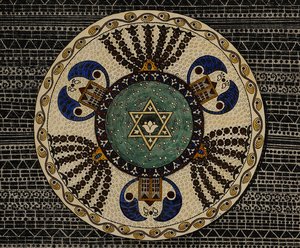
Circular Design for Ben Uri Art Society


 Pročitaj više
Ručno rađena uljana reprodukcija
Ručno oslikano uljanim bojama na platnu u dimenzijama i okviru po vašem izboru, izrađeno po porudžbini od strane naših umetnika. ( Kupi print Kupi digitalnu sliku)




P118B $10

P118H $10

P118W $10

P438Z $10

P508JH $12

P508YH $12

P805H $10

P805Z $10

P919BZ $10

P919G $10

P919XJ $10

P959ZH $10

P968JZ $12

W106C $8

W218G $10

W218JH $8

W218Y $10

W307PJ $10

W316G $10

W316PJ $8

W316Y $10

W398PJ $8

W4111J $10

W500HY $15

W500JH $15

W692G $12

W849H $8

W940BG $15

W953PJ $8




Izaberite jednu od naših unapred definisanih veličina koje odgovaraju originalnim proporcijama umetničkog dela.

Можете унети сопствене димензије како бисте прилагодили дело одређеном оквиру или простору. Ако одабрана величина не одговара пропорцијама оригинала, слика ће бити исечена или проширена додатним елементима који се ручно насликавају. Дигитални prikaz ће вам бити послат на одобрење пре почетка производње.
Имајте на уму да преглед на екрану не одражава стварно исецање или проширење. Само приказ (mockup) ће тачно приказати коначну композицију.
Иако су доступне прилагођене величине, препоручујемо да одаберете димензију из дефинисане листе како бисте сачували оригиналне пропорције.
Nakon narudžbine, tim ArtsDot.com će klijentu putem e-pošte poslati uputstva i dostaviti prikaz predloženog rešenja
Isporuka širom sveta () za 3/4 nedelje umesto uobičajenih 5 nedelja. (26 август). Bez kompromisa po pitanju kvaliteta.

Besplatna ekspresna dostava širom sveta

Visokokvalitetno laneno platno

Kompletno osiguranje transporta

Garancija povraćaja carine i uvoznih dažbina

Garancija vernosti boja

Politika povrata u roku od 60 dana (samo u slučaju nedostataka)

Garancija povrata novca od 100%

Popust pri grupnoj kupovini
 Opcija sa staklom dostupna je samo za dimenzije manje od 110 cm

Circular Design for Ben Uri Art Society
Tehnika reprodukcije
Dimenzije reprodukcije
-


Konačna cena
$ 263
Opis umetničkog dela
A Celestial Tapestry of Spirit and Symbol
In the delicate interplay of pen and colored ink, the Circular Design for Ben Uri Art Society emerges as a breathtaking testament to the profound depths of Jewish mysticism. Created in 1915 by the visionary Lazar Berson, this intricate work functions much like a mandala, drawing the viewer into a meditative orbit where the earthly and the divine converge. At first glance, the eye is captivated by its radial symmetry, a complex arrangement of concentric circles that pulse with a sense of cosmic order. Within this circular universe, Berson has meticulously woven a dense tapestry of flora, fauna, and astrological signs, creating a visual language that speaks to the interconnectedness of all living things. The composition does not merely sit upon the surface; it breathes with a rhythmic, flowing energy, where every curling vine and poised creature contributes to a larger, sacred geometry.
The technique employed by Berson is nothing short of masterful, characterized by an exacting precision that suggests a deep reverence for the subject matter. Using fine lines and layered pigments, the artist achieves a texture that feels both ancient and alive. The use of Yiddish lettering, marking the Ben Uri society, anchors the ethereal imagery to a specific cultural identity, grounding the celestial symbols in the lived experience of the Lithuanian Jewish diaspora. There is a palpable sense of the Kabbalistic tradition in every stroke; the way the zodiac signs interact with organic forms suggests the concept of Tikkun Olam—the repairing of the world through beauty and intention. For the discerning collector, this piece offers more than just aesthetic pleasure; it provides a window into a lost era of spiritual artistry, where art was a vessel for the soul's ascent.
Beyond its technical brilliance, the emotional resonance of this design is profound. It evokes a sense of quiet contemplation and mystery, inviting the observer to lose themselves in its labyrinthine details. The even lighting across the work removes the distraction of shadow, allowing the vibrant colors and sharp silhouettes to exist in a state of eternal clarity. For interior designers seeking to infuse a space with intellectual depth and historical gravity, this artwork serves as a magnificent focal point. Whether placed in a library, a study, or a curated gallery setting, a high-quality reproduction of this piece brings with it an aura of wisdom and timelessness. It is a work that does not merely decorate a wall but enriches the very atmosphere of a room, offering a sanctuary of thought and a celebration of cultural heritage.
Srodna umetnička dela

Biografija umetnika
A Visionary of the Diaspora: The Life and Legacy of Lazar Berson
The life of Lazar Berson remains a captivating tapestry of light and shadow, much like the mystical traditions that fueled his creative spirit. Born in 1882 in the village of Škupiškyi, within the heart of a Lithuanian shtetl, Berson’s early years were steeped in the rich, rhythmic textures of Jewish life. While precise biographical details from his formative era are often obscured by the passage of time, the essence of his upbringing is etched into every line of his work. He carried with him the profound spiritual weight of the shtetl and a deep-seated connection to Jewish tradition, which would later serve as the foundation for a revolutionary artistic mission in the bustling urban centers of Europe.
Berson’s artistic journey was one of grand movement and intellectual expansion. His pursuit of mastery led him from the cultural renaissance of St. Petersburg to the prestigious halls of the École des Beaux-Arts in Paris. In the vibrant, bohemian atmosphere of Paris, Berson found himself immersed in a "prayer quorum" of Jewish émigré artists, living amidst the legendary La Ruche. It was here, surrounded by the energy of modernism and peers such as Marc Chagall and Léon Bakst, that his unique visual language began to coalesce. He sought to bridge the gap between the ancient and the avant-garde, blending the formal training of Western academic painting with the soulful, symbolic depth of Jewish folk art and the esoteric mysteries of Kabbalah.
Symbolism and the Sacred Geometry of Design
To encounter a work by Lazar Berson is to enter a world where geometry meets divinity. His aesthetic was not merely decorative; it was a deliberate attempt to manifest spiritual truths through visual form. Berson’s compositions are often characterized by an intricate dance of patterns, where the mathematical precision of geometric shapes provides a vessel for profound religious symbolism. He frequently utilized motifs that resonated with the cosmic order, such as:
- The Menorah: The seven-branched candelabrum, serving as a luminous symbol of divine presence and continuity.
- The Star of David: An iconic emblem woven into the very fabric of his designs to assert Jewish identity.
- Zodiac Symbols: Celestial imagery that connected the earthly experience to the movements of the heavens.
- Hebrew Lettering: The sacred script used as both a structural and a spiritual element within his compositions.
This fusion of Kabbalistic mysticism and decorative design allowed Berson to create art that functioned as a bridge between worlds. His work often featured circular, mandala-like structures—such as his notable 1915 designs—that invited the viewer into a state of contemplation, mirroring the cyclical nature of life and faith.
The Ben Uri Legacy and Historical Significance
Perhaps Berson’s most enduring achievement was not found solely on canvas or wood, but in the community he built. In 1915, amidst the upheaval of the First World War, Berson moved to London and founded The Jewish-National Decorative Art Association, known today as the Ben Uri Arts Society. This institution was born from a visionary desire to cultivate a thriving ecosystem for Jewish artistry within the East End community. Through this society, Berson championed the importance of decorative arts and design, aiming to elevate Jewish culture and identity through aesthetically compelling and culturally resonant creations.
Though his personal history contains moments of sudden and mysterious disappearance from the London capital in 1916, his impact remained indelible. He successfully fostered a spirit of collaboration between artists and craftsmen, ensuring that the beauty of the diaspora would be preserved through tangible, exquisite objects. Today, Berson is remembered not just as a painter or a designer, but as a pioneer who provided a voice for a culture in transition, leaving behind a legacy of resilience, identity, and profound spiritual beauty.
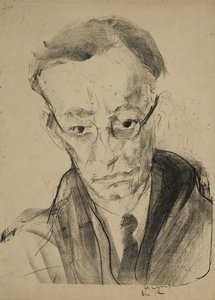
Lazar Berson
1882 - 1954 , Lithuania
Osnovne informacije
- Artistic Movement Or Style: Decorative Art
- Date Of Birth: October 16, 1882
- Date Of Death: 1954
- Full Name: Lazar Berson
- Nationality: Lithuanian
- Notable Artworks: ['Circular Design for Ben Uri']
- Place Of Birth: Škupiškyi, Lithuania
Povezani članci
Mystical Masterpieces: 10 Artworks That Transcends Reality |
Journey into the ethereal with our Top 10 mystical artworks! Explore iconic paintings by Klimt, Dali & more. Discover symbolic art, dreamlike landscapes, and evocative colors – find museum-quality reproductions to transform your home on .

The Allure of Mystical Art: Exploring Emotional Resonance & Symbolic Depth
Explore the captivating world of mystical art with ArtsDot. Discover the emotional resonance & hidden symbolism in masterpieces by De Chirico, Chagall & more. Expert insights for discerning collectors.
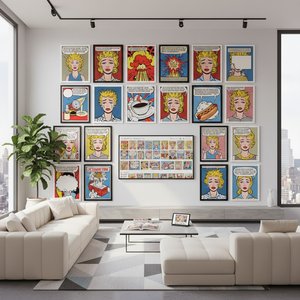
Najbolja dela Roja Lichtenštajna: Pop art ikone za vaš dom | ArtsDot
Istražite 25 najpoznatijih dela Roja Lichtenštajna! Otkrijte priče iza pop art ikona, bend-dots tehniku i živopisne boje. Reprodukcije slika vrhunskog kvaliteta za vaš dom na ArtsDot.com.

Nicholas Roerich: Mysticism, Mountains & the Search for Ageless Wisdom in Art
Explore the captivating art of Nicholas Roerich – a visionary painter whose Himalayan landscapes blend spiritual mysticism with cultural preservation. Discover his legacy & symbolism.

Beyond the Ben-Day Dots: Roy Lichtenstein's Pop Art Revolution & Enduring Legacy
Explore Roy Lichtenstein's revolutionary Pop Art! Discover the story behind Ben-Day dots, iconic works like 'Whaam!', and investment insights for collectors. Expert analysis & high-quality reproductions at ArtsDot.

