
- Početna strana

- Štampa na platnu
- delegación provincial del ministerio de agricultura, instituto nacional de colonización (inc)
 Pregledaj u prostoru
 Pošalji
 Podeli
 Detalji o delu

 Преузми
 Slični predmeti
 Rendgenski snimak
 Slajdovi
.


 Pročitaj više
Giclee štampa / Umetnički otisak
Giclée štampa ili print na platnu muzejskog kvaliteta uz brzu proizvodnju i fleksibilne opcije završne obrade. ( Kupi ručno naslikanu sliku Kupi digitalnu sliku)




































Izaberite jednu od naših unapred definisanih veličina koje odgovaraju originalnim proporcijama umetničkog dela.

Možete uneti sopstvene dimenzije kako biste umetničko delo prilagodili specifičnom okviru ili prostoru. Ako odabrani format ne odgovara proporcijama originalne slike, mi ćemo ili iscrtati deo dela ili proširiti sliku pomoću ogledane ivice ili jednobojnog popunjavanja. Digitalni prikaz će vam biti poslat na odobrenje pre početka proizvodnje.
Imajte na umu da pregled na ekranu ne odražava stvarno iscrtavanje ili proširivanje. Samo će prikaz (mockup) precizno pokazati finalnu kompoziciju.
Iako su prilagođene dimenzije dostupne, preporučujemo da odaberete dimenziju sa unapred definisane liste kako biste očuvali originalne proporcije.
Dostava širom sveta () za 2 nedelje umesto uobičajenih 4/5 nedelja. (3 септембар)

Besplatna ekspresna dostava širom sveta

Visokokvalitetno laneno platno

Kompletno osiguranje transporta

Garancija povraćaja carine i uvoznih dažbina

Garancija vernosti boja

Politika povrata u roku od 60 dana (samo u slučaju nedostataka)

Garancija povrata novca od 100%

Popust pri grupnoj kupovini
 Opcija sa staklom dostupna je samo za dimenzije manje od 110 cm

.
Giclee štampa / Umetnički otisak
Dimenzije reprodukcije
-


Konačna cena
$ 62
Srodna umetnička dela








Biografija umetnika
The Legacy of Land Reform: Delegación Provincial del Ministerio de Agricultura, Instituto Nacional de Colonización (INC)
The name “Delegación Provincial del Ministerio de Agricultura, Instituto Nacional de Colonización (INC)” doesn’t readily conjure images of artistic expression. Yet, this organization, born from the ashes of the Spanish Civil War in 1939, represents a fascinating and often overlooked chapter in Spain's history—a chapter powerfully documented through its ambitious agricultural reform projects. The INC wasn’t comprised of individual artists in the traditional sense; rather, it was a state body tasked with reshaping the nation’s productive landscape, and its “work” manifests as meticulously planned settlements, irrigation systems, and architectural designs intended to revitalize rural communities and boost agricultural output. To understand their significance is to delve into the complex socio-political climate of post-war Spain and the desire for self-sufficiency under Franco's regime.A Nation Rebuilt: The Context of Creation
The Spanish Civil War (1936-1939) left deep scars on the country, not only in terms of human loss but also in the devastation of its agricultural infrastructure. Large estates lay fallow or were inefficiently managed, and rural poverty was widespread. The *autarquía* policy adopted by Franco’s government aimed for national self-sufficiency, reducing reliance on foreign imports. This ambition necessitated a radical overhaul of the agrarian sector. The INC was established as the primary instrument to achieve this goal, operating under the Ministry of Agriculture. Its mandate extended beyond mere economic reform; it sought to address social inequalities and stabilize the rural population—a population deeply fractured by years of conflict. The organization’s work wasn't simply about increasing crop yields; it was a deliberate attempt to reconstruct the very fabric of Spanish society through land redistribution, infrastructure development, and the creation of new communities designed around principles of efficiency and collective living.The Architecture of Progress: Projects and Principles
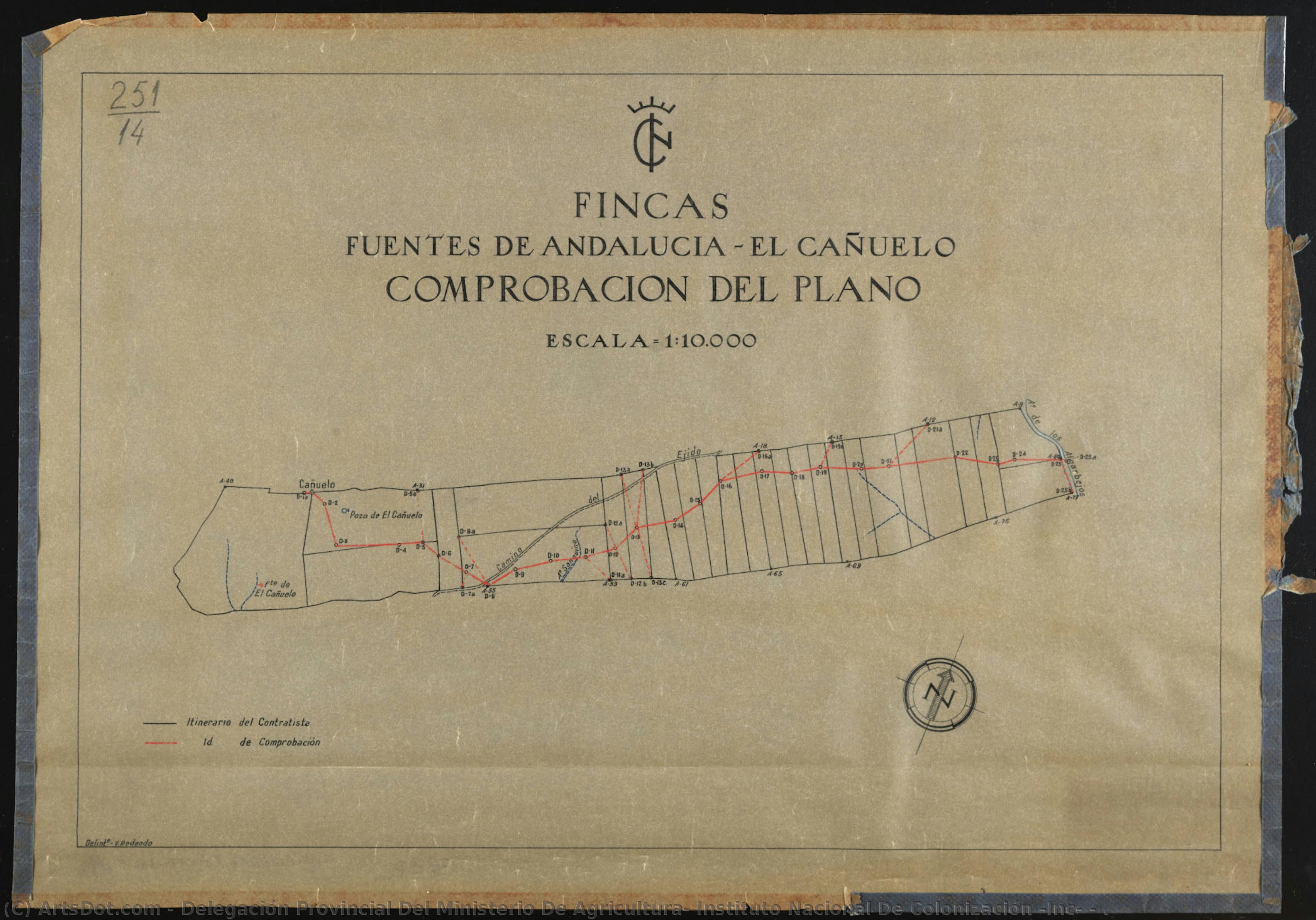
The INC’s projects were characterized by a pragmatic approach rooted in functionalism. While not adhering to a single architectural style, there was a clear emphasis on rational design, standardized building plans, and the efficient use of resources. New settlements—*pueblos de colonización*—were meticulously planned, often featuring grid-like street layouts, communal facilities (schools, healthcare centers, social clubs), and housing designed for agricultural workers and their families. Irrigation systems were a crucial component, transforming arid lands into fertile fields. The documentation of these projects – detailed maps, architectural drawings, and photographic records – constitutes the bulk of what we recognize as the INC’s artistic output. These aren't paintings or sculptures; they are blueprints for a new Spain, visual representations of a utopian vision grounded in practicality and social engineering. A prime example is the “Proyecto de ordenación del Pueblo Arroyo Salado. Nuevo Pueblo de Guadalema de los Quintero (Sevilla)”, showcasing the INC’s commitment to comprehensive planning, including housing types and infrastructure layouts.Influences and Legacy: Beyond Autarky
The INC's work wasn’t created in a vacuum. It drew inspiration from various sources, including international models of agricultural reform and rationalist architecture prevalent in Europe during the interwar period. The emphasis on functionality and standardized design reflects the influence of movements like the Bauhaus, although adapted to the specific context of rural Spain. While initially driven by the ideological goals of Franco’s regime, the INC's projects had a lasting impact on the Spanish countryside. Many *pueblos de colonización* continue to thrive today, serving as testaments to the organization’s long-term vision and its ability to create sustainable communities. However, it is important to acknowledge the complex legacy of this period. The land redistribution policies were not without their controversies, and the social engineering aspects of the INC's work often prioritized state control over individual autonomy. Nevertheless, the architectural and infrastructural achievements remain significant, offering a unique insight into a pivotal moment in Spanish history—a moment where art and politics converged to reshape the nation’s landscape and its people’s lives.Historical Significance: Documenting a Transformation
The work of the Delegación Provincial del Ministerio de Agricultura, Instituto Nacional de Colonización (INC) transcends traditional artistic boundaries. It represents a form of applied art—a deliberate intervention in the physical world with profound social and political implications. By meticulously documenting their projects, the INC created an invaluable archive that sheds light on the challenges and aspirations of post-Civil War Spain. These records offer a unique perspective on the relationship between architecture, agriculture, and state power, revealing the complex interplay of ideology, planning, and implementation. Today, these documents serve as a reminder of a transformative period in Spanish history—a period marked by both ambition and controversy, but ultimately defined by a desire to rebuild a nation from the ground up. The INC’s legacy is not simply about agricultural reform; it's about the power of design to shape society and the enduring impact of state-sponsored projects on the lives of ordinary people.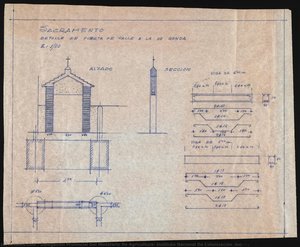
Osnovne informacije
- Artistic Movement Or Style: Agricultural Reform Art
- Artists Or Movements Influenced By This Artist: ['']
- Artists Who Influenced This Artist: ['']
- Full Name: Delegación Provincial del Ministerio de Agricultura, Instituto Nacional de Colonización
- Nationality: Spanish
- Notable Artworks: ['Cadastral Map Seville 1951']
- Place Of Birth: Spain

