Meni
Pregledaj u prostoruPregledaj u prostoru AR pregledAR pregled Pređi na štampu Pređi na štampuPređi na digitalnu sliku Pređi na digitalnu sliku PošaljiPošalji
Detalji o deluDetalji o delu Dodaj u omiljene Dodaj u omiljene ПреузмиПреузми Slični predmetiSlični predmeti Rendgenski snimakRendgenski snimak SlajdoviSlajdovi StatistikaStatistika

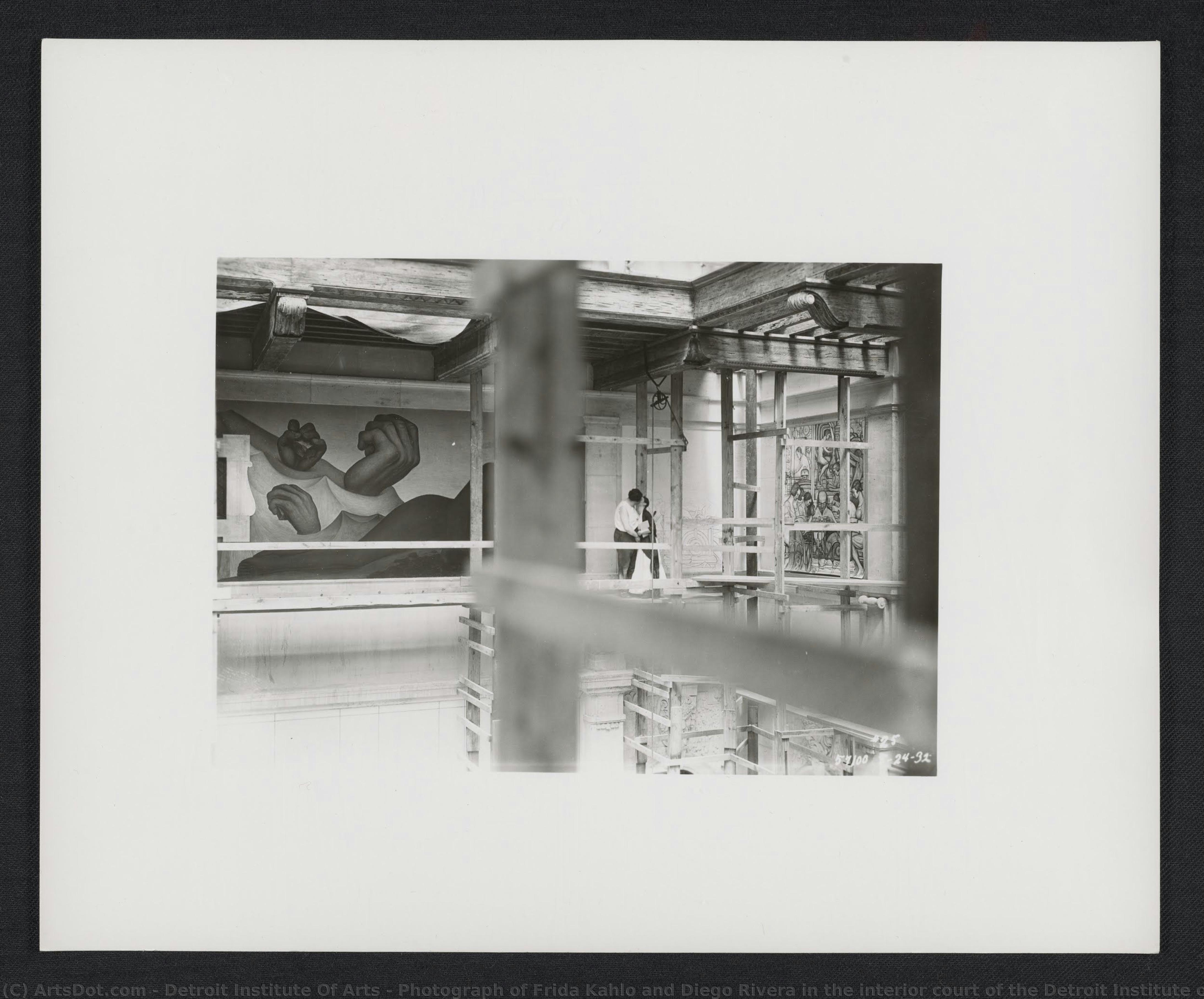
Photograph of Frida Kahlo and Diego Rivera in the interior court of the Detroit Institute of Arts

The Detroit Institute of Arts is renowned for its diverse collection spanning centuries and cultures, including Diego Rivera's Detroit Industry Murals and a world-class holdings of European paintings—discover masterpieces and hidden gems within its walls.

Ručno rađena uljana reprodukcija

Ručno oslikano uljanim bojama na platnu u dimenzijama i okviru po vašem izboru, izrađeno po porudžbini od strane naših umetnika. (Pređi na štampu Pređi na štampuPređi na digitalnu sliku Pređi na digitalnu sliku)

Standardne dimenzije
po meri
CM
INCH

Izaberite jednu od naših unapred definisanih veličina koje odgovaraju originalnim proporcijama umetničkog dela.

širina
visina

Можете унети сопствене димензије како бисте прилагодили дело одређеном оквиру или простору. Ако одабрана величина не одговара пропорцијама оригинала, слика ће бити исечена или проширена додатним елементима који се ручно насликавају. Дигитални prikaz ће вам бити послат на одобрење пре почетка производње.
Имајте на уму да преглед на екрану не одражава стварно исецање или проширење. Само приказ (mockup) ће тачно приказати коначну композицију.
Иако су доступне прилагођене величине, препоручујемо да одаберете димензију из дефинисане листе како бисте сачували оригиналне пропорције.

Primeri onoga što se može promeniti: Zamena lica fotografijom kupca; Dodavanje ljubimca (npr. zamena mačke psom); Uključivanje skrivene poruke u pozadini; Promena pejzaža ili elemenata pozadine.
Nakon narudžbine, tim ArtsDot.com će klijentu putem e-pošte poslati uputstva i dostaviti prikaz predloženog rešenja

Isporuka širom sveta () za 3/4 nedelje umesto uobičajenih 5 nedelja. (10 септембар). Bez kompromisa po pitanju kvaliteta.

why_choose_icon
Besplatna ekspresna dostava širom sveta
why_choose_icon
Visokokvalitetno laneno platno
why_choose_icon
Kompletno osiguranje transporta
why_choose_icon
Garancija povraćaja carine i uvoznih dažbina
why_choose_icon
Garancija vernosti boja
why_choose_icon
Politika povraćaja u roku od 100 dana (isključivo u slučaju nedostataka)
why_choose_icon
Garancija povrata novca od 100%
why_choose_icon
Popust pri grupnoj kupovini

Ukupna cena

$ 263

reproduction

Photograph of Frida Kahlo and Diego Rivera in the interior court of the Detroit Institute of Arts

Tehnika reprodukcije

Dimenzije reprodukcije

-

Konačna cena

$ 263


Biografija umetnika

A Repository of Vision: The Detroit Institute of Arts

The Detroit Institute of Arts (DIA) is not a single artist, but rather a monumental testament to the power of collective artistic vision and preservation. Founded in 1885 as the Detroit Museum of Art, its history mirrors the evolution of the city itself – from industrial boomtown to cultural hub, facing periods of prosperity and profound challenge. To speak of the DIA is to speak of countless artists represented within its walls, but also of the institution’s unique role as a champion of accessibility and community engagement, particularly during times of social upheaval. Its story isn't one of individual creation, but of curatorial dedication, civic responsibility, and the enduring belief in art’s capacity to transform lives.

Early Foundations and the Rise of a Collection

The initial impetus for the museum stemmed from a desire amongst Detroit’s leading citizens to establish a cultural institution comparable to those found in Europe. Early acquisitions focused on plaster casts of classical sculptures, providing educational resources for local artists and fostering an appreciation for European artistic traditions. However, under the guidance of pioneering curators like William H. Goodyear, the collection quickly diversified. Goodyear, recognizing the importance of representing a broader range of styles and cultures, actively sought out works from medieval Europe, Asia, and Indigenous American communities. This early commitment to inclusivity laid the groundwork for the DIA’s remarkably diverse holdings today. The museum's relocation in 1927 to its current Beaux-Arts building on Woodward Avenue marked a significant turning point, providing ample space to showcase an expanding collection and attract a wider audience.

The ‘Art for the People’ Legacy: A Response to Crisis

Perhaps the most defining chapter in the DIA's history unfolded during the Great Depression. As unemployment soared and social unrest gripped Detroit, Mayor Frank Murphy envisioned art as a means of providing both employment and solace. He secured funding through the Works Progress Administration (WPA) to commission murals for public buildings – notably, the iconic *Detroit Industry Murals* by Diego Rivera. This ambitious project, completed in 1933-34, wasn’t merely about beautifying spaces; it was a radical act of social intervention. Rivera's frescoes depicted the dynamism and complexities of Detroit’s automotive industry, celebrating the labor force while also acknowledging the inherent tensions within industrial capitalism. The *Detroit Industry Murals* became – and remain – a powerful symbol of the DIA’s commitment to “art for the people,” accessible to all regardless of socioeconomic status. This period cemented the museum's role as a vital community resource, offering not just aesthetic pleasure but also a platform for social commentary and civic dialogue.

A Global Perspective: Expanding Horizons

Following World War II, the DIA continued to expand its collection through strategic acquisitions and generous donations. The museum’s holdings of African art became particularly renowned, thanks in large part to the efforts of curator Nima Smith, who championed the importance of recognizing the artistic achievements of diverse cultures often overlooked by Western institutions. Similarly, significant additions were made to the collections of Asian art, European paintings, and contemporary works. Today, the DIA boasts over 65,000 artworks spanning five millennia, representing a truly global perspective on human creativity. The museum’s commitment extends beyond simply acquiring objects; it actively engages in research, conservation, and education, ensuring that its collection remains accessible to scholars, students, and the public for generations to come.

The DIA Today: A Beacon of Cultural Resilience

In 2013, facing financial challenges during Detroit’s bankruptcy, the DIA became a central figure in the city's recovery efforts. The museum offered its collection as collateral to help restructure the city’s debt, demonstrating an extraordinary commitment to civic responsibility. This decision sparked intense debate but ultimately secured the future of both the museum and the city itself. Today, the DIA continues to thrive as a vibrant cultural institution, attracting visitors from around the world. Its exhibitions are renowned for their scholarly rigor and accessibility, its educational programs serve diverse communities, and its collection remains a powerful testament to the enduring power of art to inspire, challenge, and connect us all. The Detroit Institute of Arts stands not just as a repository of artistic masterpieces, but as a symbol of resilience, community engagement, and the transformative potential of cultural heritage.