

 Pošalji
 Podeli
 Detalji o delu

 Преузми
 Slični predmeti
 Slajdovi
 Statistika
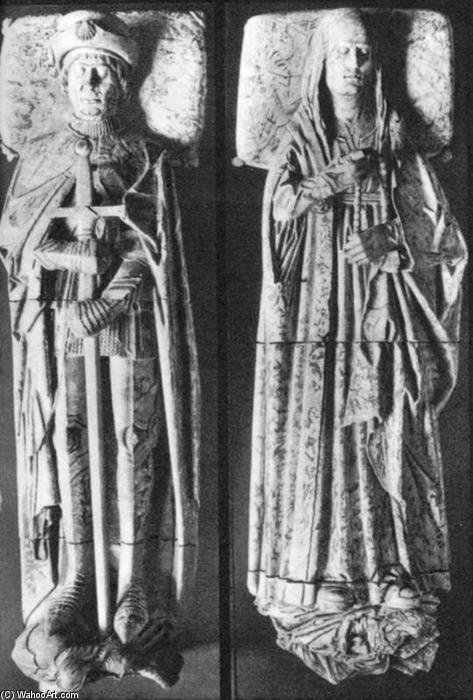
Monument to Don Garcia Osorio


 Pročitaj više
Ručno rađena uljana reprodukcija
Ručno oslikano uljanim bojama na platnu u dimenzijama i okviru po vašem izboru, izrađeno po porudžbini od strane naših umetnika. ( Pređi na štampu Pređi na digitalnu sliku)




































Izaberite jednu od naših unapred definisanih veličina koje odgovaraju originalnim proporcijama umetničkog dela.

Можете унети сопствене димензије како бисте прилагодили дело одређеном оквиру или простору. Ако одабрана величина не одговара пропорцијама оригинала, слика ће бити исечена или проширена додатним елементима који се ручно насликавају. Дигитални prikaz ће вам бити послат на одобрење пре почетка производње.
Имајте на уму да преглед на екрану не одражава стварно исецање или проширење. Само приказ (mockup) ће тачно приказати коначну композицију.
Иако су доступне прилагођене величине, препоручујемо да одаберете димензију из дефинисане листе како бисте сачували оригиналне пропорције.
Nakon narudžbine, tim ArtsDot.com će klijentu putem e-pošte poslati uputstva i dostaviti prikaz predloženog rešenja
Isporuka širom sveta () za 3/4 nedelje umesto uobičajenih 5 nedelja. (11 септембар). Bez kompromisa po pitanju kvaliteta.

Besplatna ekspresna dostava širom sveta

Visokokvalitetno laneno platno

Kompletno osiguranje transporta

Garancija povraćaja carine i uvoznih dažbina

Garancija vernosti boja

Politika povraćaja u roku od 100 dana (isključivo u slučaju nedostataka)

Garancija povrata novca od 100%

Popust pri grupnoj kupovini
 Opcija sa staklom dostupna je samo za dimenzije manje od 110 cm

Monument to Don Garcia Osorio
Tehnika reprodukcije
Dimenzije reprodukcije
-


Konačna cena
$ 288
A Silent Sentinel of the Renaissance
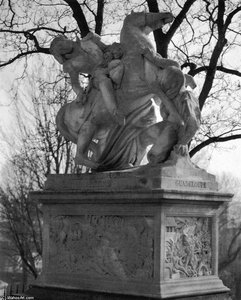
In the quiet corridors of history, few objects command as much reverence as the Monument to Don Garcia Osorio. Created in 1520 by the master sculptor Diego de Siloe, this funerary effigy serves as a profound bridge between the fading echoes of the Gothic era and the burgeoning light of the Spanish Renaissance. The monument presents a striking vision of eternal repose, capturing the likeness of Don Garcia Overt and an accompanying figure in a symmetrical, solemn embrace. Through the lens of time, even in monochromatic depictions, one can sense the weight of the stone and the enduring legacy of the figures it commemorates.
The composition is a masterclass in balance and formal dignity. Positioned centrally, the figures stand in profile against a stark, tomb-like slab, creating a sense of architectural stability that anchors the viewer's gaze. There is an undeniable rhythm to the work; the strong vertical lines of the bodies are softened by the intricate, flowing drapery that cascades around them. This interplay between rigidity and fluidity allows the sculpture to breathe, transforming cold stone into something that feels remarkably human and alive with memory.
The Artistry of Stone and Shadow
Diego de Siloe, a pioneer of the Granadan school, utilized his profound understanding of texture and form to imbue this monument with unparalleled realism. The technique employed here is one of meticulous detail, where every fold of fabric and every contour of the face tells a story of status and devotion. One can almost feel the tactile contrast between the smooth, polished surfaces of the skin and the heavy, complex textures of the ceremonial clothing. The way light interacts with these carved surfaces—creating deep, velvety shadows and brilliant highlights—adds a layer of dramatic depth that is essential for any collector seeking a piece with true sculptural presence.
The inclusion of symbolic elements, such as the finely rendered sword, speaks to the themes of authority, military prowess, and the noble lineage of the Osorio family. These are not merely decorative flourishes; they are the language of power and remembrance. For the discerning interior designer or art enthusiast, a reproduction of this work offers more than just aesthetic beauty; it provides a focal point of historical gravity. The monument’s ability to evoke a sense of solemnity and reverence makes it an ideal centerpiece for spaces designed for contemplation, such as a private library, a grand study, or a sophisticated gallery setting.
A Timeless Legacy for the Modern Collector
To possess a reproduction of Siloe’s masterpiece is to invite the spirit of the Renaissance into the contemporary home. While the original work is a relic of 16th-century Spain, its emotional impact remains universal. It speaks to our shared human desire to be remembered, to leave a mark upon the world that transcends the passage of time. The monochromatic elegance of the monument allows it to integrate seamlessly into various high-end decor styles, from classical European aesthetics to modern minimalist interiors where texture and form are paramount.
Whether you are an art historian captivated by the transition from Gothic to Renaissance styles or a collector looking for a piece that embodies strength and grace, the Monument to Don Garcia Osorio stands as a testament to the enduring power of fine art. It is a piece that does not merely decorate a room; it dignifies it, offering a window into an era of profound artistic transformation and eternal devotion.
Srodna umetnička dela
Biografija umetnika
The Architect of the Renaissance Soul
Diego de Siloe stands as a pivotal figure in the artistic landscape of Spain during the Renaissance, recognized primarily for his groundbreaking contributions to sculpture and architecture. As the progenitor of the Granadan school of sculpture, he orchestrated a profound stylistic shift that would redefine the visual identity of southern Spain. Born in Burgos around 1495, Siloe was likely the son of Gil de Siloé, a prominent Gothic sculptor whose established presence in Flanders provided Diego with a rich, inherited connection to the intricate traditions of Northern Europe. This familial lineage, rooted in the delicate and ornate Gothic aesthetic, served as the foundation upon which Siloe would build his revolutionary synthesis of styles, blending the structural rigor of Italian Classicism with the lingering elegance of the Mudéjar and Gothic heritencies.
The evolution of Siloe’s artistic vision was deeply shaped by his travels and exposure to the burgeoning humanist ideals sweeping across the continent. His journey to Naples around 1517 proved transformative, as he encountered the monumental innovations championed by masters such as Donato Bramante and Filippo Brunelleschi. These architects, who were actively reshaping Roman grandeur into a new, balanced humanism, instilled in Siloe a lifelong reverence for classical proportions and architectural harmony. This period of discovery allowed him to transcend his Burgundian roots, integrating the rhythmic complexity of Spanish tradition with the disciplined grace of the Italian Renaissance.
A Legacy Carved in Stone and Spirit
Siloe’s early career in Burgos serves as a breathtaking testament to his ability to navigate disparate artistic languages. The monumental staircase of Burgos Cathedral, completed in 1519, remains one of his most evocative achievements. In this structure, one witnesses a bold departure from traditional cathedral design; it is a space where soaring Gothic verticality meets a new, sophisticated ornamentation. Adorned with intricate carvings of cherubs, heraldic coats of arms, and lush vegetal motifs, the staircase defies the conventional limitations of its location on the city's northern flank. Through innovative structural solutions, Siloe created a sense of movement and grandeur that bridged the gap between the medieval past and the classical future.
As his career progressed, Siloe’s influence moved southward, eventually establishing him as the master of Granada. His most enduring legacy lies in his monumental designs for the Granada Cathedral and the Monastery of Saint Jerome. In these projects, he did not merely build; he sculpted space itself. By weaving together the delicate textures of the Plateresque style with the robust dignity of Renaissance architecture, he created a unique aesthetic that felt both profoundly Spanish and cosmopolitally modern. His work in Granada became the cornerstone of a new regional identity, ensuring that his name would be forever etched into the very fabric of Spanish history.
The significance of Diego de Siloe extends far beyond the physical structures he left behind. He was an artist of transition, a bridge-builder who understood that true innovation requires a deep respect for tradition. His ability to harmonize the following elements defines his historical importance:
- Gothic Intricacy: The preservation of detailed, ornamental storytelling inherited from his father's lineage.
- Italian Classicism: The adoption of mathematical proportion, symmetry, and Roman-inspired grandeur.
- Mudéjar Influence: The integration of the unique, decorative Moorish-influenced patterns characteristic of the Iberian Peninsula.
- Plateresque Elegance: A mastery of silver-like, highly detailed surface ornamentation that defines the Spanish Renaissance.
Diego de Siloe
1495 - 1563 , Spain
Osnovne informacije
- Artistic Movement Or Style: Renaissance, Plateresque
- Artists Or Movements Influenced By This Artist: Filippo Brunelleschi
- Artists Who Influenced This Artist: Gil de Siloé
- Date Of Birth: ca. 1495
- Date Of Death: 1563
- Full Name: Diego de Siloe
- Nationality: Spanish
- Notable Artworks:
- Burgos Cathedral Staircase
- Granada Cathedral
- Monastery of Saint Jerome
- Place Of Birth: Burgos, Spain
Povezani članci

Bronze Age to Modern Masters: 10 Sculptures That Redefined Art | ArtsDot
Journey through art history with 10 legendary bronze sculptures – from Michelangelo's David to Rodin’s Thinker. Explore the stories, techniques & timeless beauty of these masterpieces. Find museum-quality reproductions & elevate your home decor on ArtsDot.com.

The Enduring Form: Sculpture Across History, Technique & Emotional Resonance
Explore the rich history of sculpture with ArtsDot. Discover key techniques, influential artists & investment potential for discerning collectors. Expert insights into valuing and collecting timeless masterpieces.

Bronze Sculptures That Defined Art History | ArtsDot
Journey through art history with our Top 10 bronze sculptures! Explore masterpieces by Rodin, Michelangelo & more. Discover stories behind iconic statues and find museum-quality reproductions for your home decor at ArtsDot.com.
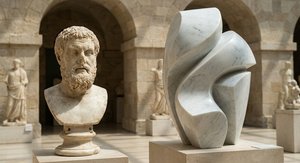
The Enduring Allure of Marble in Art History: From Classical Sculpture to Modern Abstraction
Explore the captivating history of marble sculpture from ancient Greece to modern art. Discover renowned artists like Canova & Michelangelo, carving techniques, and investment insights at ArtsDot.

The Enduring Form: Exploring Themes & Techniques in Sculpture Across Historical Periods
Explore the rich history of sculpture from ancient masterpieces to contemporary innovations. Discover key techniques, influential artists & investment potential for discerning art collectors.