

 Pregledaj u prostoru
 Pošalji
 Podeli
 Detalji o delu

 Преузми
 Slični predmeti
 Rendgenski snimak
 Slajdovi
LA MELANCOLIE


 Pročitaj više
Ručno rađena uljana reprodukcija
Ručno oslikano uljanim bojama na platnu u dimenzijama i okviru po vašem izboru, izrađeno po porudžbini od strane naših umetnika. ( Kupi print Kupi digitalnu sliku)




P118B $10

P118H $10

P118W $10

P438Z $10

P508JH $12

P508YH $12

P805H $10

P805Z $10

P919BZ $10

P919G $10

P919XJ $10

P959ZH $10

P968JZ $12

W106C $8

W218G $10

W218JH $8

W218Y $10

W307PJ $10

W316G $10

W316PJ $8

W316Y $10

W398PJ $8

W4111J $10

W500HY $15

W500JH $15

W692G $12

W849H $8

W940BG $15

W953PJ $8




Izaberite jednu od naših unapred definisanih veličina koje odgovaraju originalnim proporcijama umetničkog dela.

Можете унети сопствене димензије како бисте прилагодили дело одређеном оквиру или простору. Ако одабрана величина не одговара пропорцијама оригинала, слика ће бити исечена или проширена додатним елементима који се ручно насликавају. Дигитални prikaz ће вам бити послат на одобрење пре почетка производње.
Имајте на уму да преглед на екрану не одражава стварно исецање или проширење. Само приказ (mockup) ће тачно приказати коначну композицију.
Иако су доступне прилагођене величине, препоручујемо да одаберете димензију из дефинисане листе како бисте сачували оригиналне пропорције.
Nakon narudžbine, tim ArtsDot.com će klijentu putem e-pošte poslati uputstva i dostaviti prikaz predloženog rešenja
Isporuka širom sveta () za 3/4 nedelje umesto uobičajenih 5 nedelja. (26 август). Bez kompromisa po pitanju kvaliteta.

Besplatna ekspresna dostava širom sveta

Visokokvalitetno laneno platno

Kompletno osiguranje transporta

Garancija povraćaja carine i uvoznih dažbina

Garancija vernosti boja

Politika povrata u roku od 60 dana (samo u slučaju nedostataka)

Garancija povrata novca od 100%

Popust pri grupnoj kupovini
 Opcija sa staklom dostupna je samo za dimenzije manje od 110 cm

LA MELANCOLIE
Tehnika reprodukcije
Dimenzije reprodukcije
-


Konačna cena
$ 263
Opis umetničkog dela
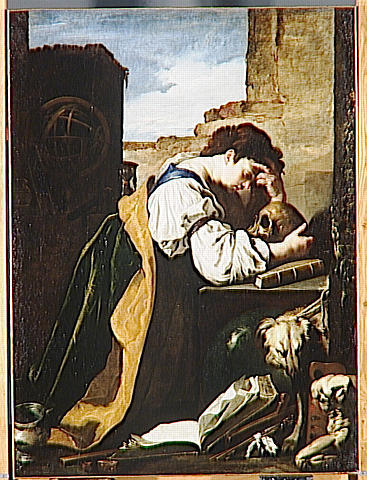
A Portrait of Melancholy: Domenico Fetti’s Haunting Vision
Domenico Fetti's "La Melanconie," painted in Rome around 1621-1623, isn’t merely a depiction of a woman lost in thought; it’s a profound meditation on the human condition—a visual embodiment of melancholy itself. Born into a family with modest artistic roots and trained under the influential masters Ludovico Cigoli and Andrea Commodi, Fetti quickly established himself within the vibrant Roman art scene, absorbing the stylistic nuances of Mannerism while simultaneously forging his own distinctive path toward the burgeoning Baroque. This painting represents a pivotal moment in Italian art history, bridging the contemplative elegance of Mannerism with the dramatic intensity that would define the era. The work’s power lies not just in its technical skill but also in its ability to evoke a deep sense of sorrow and introspection—a feeling that resonates powerfully even today.The Anatomy of Grief: Composition and Symbolism
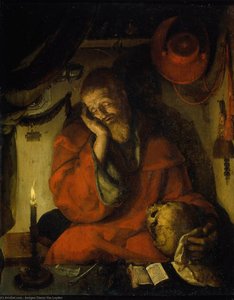
The composition is strikingly intimate, drawing the viewer directly into the woman’s private world. She occupies nearly the entire canvas, her slumped posture and downward gaze immediately conveying a sense of profound sadness. The room itself—a sparsely furnished space with hints of architectural detail—is deliberately muted, contributing to the overall atmosphere of gloom. Crucially, Fetti employs *chiaroscuro*, a dramatic use of light and shadow, to sculpt the figure’s form and intensify her emotional state. The strong contrasts between illumination and darkness heighten the sense of isolation and despair. But it's not just the woman who speaks volumes; every element within the scene is laden with symbolic weight. The skull resting on the table—a stark reminder of mortality—is a central motif, directly confronting the viewer with the inevitability of death. The abandoned tools – a plane, palette, and plaster model of a torso – suggest a creative spirit stifled by melancholy, hinting at lost potential and unfulfilled ambitions. Even the muted colors—primarily browns, ochres, and deep reds—contribute to the painting’s somber mood, mirroring the emotional landscape of the subject.Baroque Techniques: Brushwork and Texture
Fetti's mastery lies in his skillful application of Baroque techniques. The brushstrokes are visible, creating a rich, textured surface that adds depth and immediacy to the scene. The artist utilizes *impasto*, building up layers of paint to create a tactile quality—you can almost feel the roughness of the plaster model or the weight of the woman’s head. This deliberate use of texture reinforces the painting's emotional intensity, mirroring the turbulent feelings conveyed by the subject. The color palette is carefully considered, utilizing earthy tones and subtle gradations to create a sense of realism while simultaneously evoking a feeling of melancholy. The flattened perspective, characteristic of Baroque art, provides a sense of spatial depth without sacrificing the intimacy of the scene. This combination of technical skill and expressive intent elevates "La Melanconie" beyond a simple portrait—it becomes a powerful statement about the human experience.A Philosophical Portrait: Context and Interpretation
“La Melanconie” is deeply rooted in Renaissance philosophical thought, particularly the concept of *melancholia* as articulated by figures like Pico della Mirandola and Agrippa von Nettesheim. This wasn’t simply a psychological disorder; it was viewed as a state of heightened awareness—a sensitivity to beauty and truth that could also lead to profound sadness and despair. Fetti captures this nuanced understanding, portraying melancholy not as a debilitating illness but as a contemplative state, a willingness to confront the darker aspects of existence. The painting reflects the influence of Neoplatonism, which emphasized the importance of introspection and the pursuit of knowledge as paths toward spiritual enlightenment. The woman’s gaze is fixed on the skull, suggesting an engagement with mortality—a recognition that true understanding requires confronting uncomfortable truths. Ultimately, Fetti's masterpiece invites us to contemplate our own relationship with sorrow, loss, and the enduring mysteries of the human spirit.Reproductions and Legacy
Domenico Fetti’s “La Melanconie” remains a profoundly moving work of art, captivating viewers with its haunting beauty and philosophical depth. High-quality reproductions offer an accessible way to experience this masterpiece in your own home or office, bringing its evocative atmosphere into your space. Consider framing the artwork in a dark wood frame to further enhance its dramatic effect, or displaying it alongside other works that explore themes of mortality, introspection, or human emotion. This painting serves as a timeless reminder of the complexities of the human experience and the enduring power of art to illuminate our deepest feelings.Srodna umetnička dela




Biografija umetnika
Domenico Fetti: Most između manierizma i baroknog sjaja
Domeniko Feti (oko 1589. – 16. april 1623.) predstavlja ključnu figuru u tranziciji između estetike manierizma i uzbudljivog romana baroka, označavajući presudnu prekretnicu u istoriji italijanske umetnosti. Rođen u porodici skromnog umetničkog porekla — njegov otac, Pjetro Feti, bio je slikar — Domenikov rani razvoj verovatno je obuhvatio uticaje utvrđenih majstora poput Ludovika Cigolija i Andrea Komodija u Rimu oko 1604–1613. godine, što ga je čvrsto utemeljilo u rimskom umetničkom okruženju. Ovaj formativni period izbrusio je njegove veštine i pripremio ga za saradnju sa istaknutim mecenasima i projektima koji će učvrstiti njegovu reputaciju talentovanog umetnika.- Početna karijera i pokroviteljstvo: Fetijev početni rad pod mentorstvom Cigolija i Komodija ugradio mu je temelj u manirističkim principima — karakterisanim stilizovanim figurama, dramatičnim kontrastima svetlosti i senke, te naglaskom na ekspresivnim emocijama — što je stilsko nasleđe suptilno prožimalo njegova kasnija dela. Ipak, on se ubrzo preselio u Mantovu 1613. godine, gde je osigurao pokroviteljstvo kardinala Ferdinanda I Gonzage, profinjenog kolekcionara i ambicioznog vladara koji je prepoznao Fetijev potencijal.
- Mantovska perioda i Čudo množenja hleba i ribe: Tokom svog boravka u Mantovi, Feti je preduzeo izvanredan zadatak — kreiranje monumentalnog oltarskog platna koje prikazuje „Čudo množenja hleba i ribe“ za Palazzo Gonzaga. Ovaj ambiciozan poduhvat pokazao je njegovo majstorstvo u tehnici i učvrstio njegov položaj kao jednog od vodećih umetnika Mantove. Ovo delo je primer baroknog fasciniranja veličinom i teatralnošću, koristeći uticaje karavandžista kako bi postigao izuzetan realizam i emocionalni intenzitet.
- Venecijanska angažovanost i umetnička evolucija:
- Značajna dela: Među Fetijevim slavnim remek-delima nalaze se „Čudo množenja hleba i ribe“, monumentalni prikaz Isusa koji hrani hiljade ljudi — svedočanstvo njegove vladavine nad kompozicijom i dramatičnim osvetljenjem — kao i „Pokornica Marija Magdalena“, koja sa izuzetnom osetljivošću hvata dirljivu ranjivost svetice. Nadalje, „David sa Golijatovom glavom“ predstavlja primer Fetijeve sposobnosti da prenese heroizam i trijumf kroz majstorsko anatomsko prikazivanje.
- Nasleđe i uticaj: Doprinos Domenika Fetija baroknoj umetnosti je neosporan. On je poslužio kao most između manierizma i rimskog baroka, demonstrirajući kako umetnici mogu prilagoditi utvrđene tradicije uz očuvanje sopstvenog umetničkog glasa. Njegova dela nastavljaju da inspirišu divljenje svojom ekspresivnom snagom i tehničkom briljantnošću, osiguravajući mu mesto među najvažnijim slikarima njegove generacije.
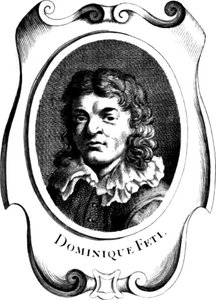
Domeniko Feti
1589 - 1623 , Italija
Osnovne informacije
- Artistic Movement Or Style: Barokno slikarstvo; Karavazdžijski stil
- Artists Who Influenced This Artist:
- Ludovico Cigoli
- Andrea Commodi
- Date Of Birth: Rim, Italija (1589)
- Date Of Death: 16. april 1623.
- Full Name: Domenico Fetti
- Nationality: Italijan
- Notable Artworks:
- Parabola o Lazaru i bogatašu
- Sveta Marija Magdalena pokajnica
- David sa Golijatovom glavom
- Place Of Birth: Rim
Povezani članci

Barok Majstor dela: Top 10 Umjetničkih Remeka za Vaš Dom
Otkrijte 10 remek dela koja su definisala baroknu umetnost! Karavagio, Bernini i više – istražite priče iza ovih ikoničnih slika. Inspiracija za vaš dom? Pogledajte kolekciju na ArtsDot.com!

The Dramatic Flourish: Exploring the Baroque Movement's Enduring Legacy in Art History
Explore the dramatic world of Baroque art! Discover iconic artists like Caravaggio & Rubens, defining techniques, and its lasting impact on art history. Expert insights for collectors & enthusiasts at ArtsDot.

Барокна драма: Уношење величине и емоција у савремене ентеријере
Откријте барокну драму и унесите величину у ваш ентеријер! ArtsDot нуди ручно насликане репродукције, персонализоване портрете и стручне консултације за љубитеље класичне уметности. Потражите савршено дело већ данас!
Theatricality & Triumph: Baroque Drama in Painting & Sculpture
Explore the dramatic world of Baroque art! Discover its history, defining characteristics, & lasting influence on painting & sculpture. Expert insights into Caravaggio, Zurbarán, and Bernini – plus high-quality reproductions at ArtsDot.
Decoding Baroque Grandeur: A Guide to the Drama and Emotion of 17th-Century Art
Explore the breathtaking drama of 17th-century Baroque art. Our expert guide decodes the use of chiaroscuro, emotional intensity, and historical grandeur to help you appreciate and curate timeless masterpieces for your collection.

