

 Pregledaj u prostoru
 Pošalji
 Podeli
 Detalji o delu

 Преузми
 Slični predmeti
 Rendgenski snimak
 Slajdovi
 Statistika
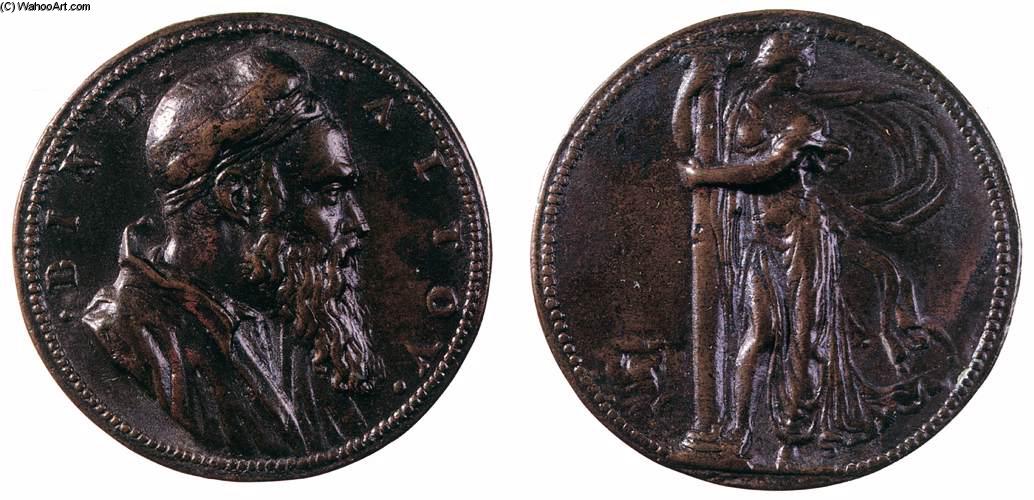
Medal of Bindo Altoviti
 Renaissance
 1540
1540 4.0 x 4.0 cm
 Museo Nazionale del Bargello
 Pročitaj više
Giclee štampa / Umetnički otisak
Giclée štampa ili print na platnu muzejskog kvaliteta uz brzu proizvodnju i fleksibilne opcije završne obrade. ( Kupi ručno naslikanu sliku Pređi na digitalnu sliku)




































Izaberite jednu od naših unapred definisanih veličina koje odgovaraju originalnim proporcijama umetničkog dela.

Možete uneti sopstvene dimenzije kako biste umetničko delo prilagodili specifičnom okviru ili prostoru. Ako odabrani format ne odgovara proporcijama originalne slike, mi ćemo ili iscrtati deo dela ili proširiti sliku pomoću ogledane ivice ili jednobojnog popunjavanja. Digitalni prikaz će vam biti poslat na odobrenje pre početka proizvodnje.
Imajte na umu da pregled na ekranu ne odražava stvarno iscrtavanje ili proširivanje. Samo će prikaz (mockup) precizno pokazati finalnu kompoziciju.
Iako su prilagođene dimenzije dostupne, preporučujemo da odaberete dimenziju sa unapred definisane liste kako biste očuvali originalne proporcije.
Dostava širom sveta () za 2 nedelje umesto uobičajenih 4/5 nedelja. (9 септембар)

Besplatna ekspresna dostava širom sveta

Visokokvalitetno laneno platno

Kompletno osiguranje transporta

Garancija povraćaja carine i uvoznih dažbina

Garancija vernosti boja

Politika povraćaja u roku od 100 dana (isključivo u slučaju nedostataka)

Garancija povrata novca od 100%

Popust pri grupnoj kupovini
 Opcija sa staklom dostupna je samo za dimenzije manje od 110 cm

Medal of Bindo Altoviti
Giclee štampa / Umetnički otisak
Dimenzije reprodukcije
-


Konačna cena
$ 62
Srodna umetnička dela
Biografija umetnika
Domenico Poggini: Florentine Master of the Renaissance
Domenico Poggini, born in Florence around 1520 and passing away in Rome in 1590, stands as a pivotal figure within the artistic landscape of the late Italian Renaissance. More than simply a sculptor or engraver, he was a multifaceted artist – a goldsmith, medallist, poet, and die-engraver – whose career spanned significant shifts in Florentine and Roman art history. His legacy is one of technical mastery interwoven with a deep understanding of classical ideals and religious iconography, leaving behind a body of work that continues to fascinate scholars and collectors alike. Poggini’s family background further shaped his artistic trajectory; his father, Michele Poggini, was a renowned gem-engraver, and his brother, Giampaolo Poggini, also pursued a career in art, creating a familial network of creative talent that undoubtedly influenced Domenico's development.Early Career and Florentine Patronage
Poggini’s early artistic training likely began within the family workshop, absorbing techniques from his father and brother. By 1556, he secured a prestigious appointment as diecutter for the Florentine Mint – a position of considerable importance in the economic and political life of the city. This role provided him with invaluable experience in engraving and metalworking, skills that would become central to his artistic practice. During this period, Poggini’s work began to attract attention from prominent patrons, most notably Francesco I de' Medici, Grand Duke of Tuscany. He created a series of medals and other objects for the Medici court, demonstrating his burgeoning skill in capturing likenesses and conveying complex narratives through miniature relief. A particularly notable example is the medal commemorating Bindo Altoviti (1540), now housed at the Metropolitan Museum of Art, showcasing Poggini’s ability to blend realistic portraiture with symbolic elements – a hallmark of his style. This piece exemplifies his growing independence as an artist, moving beyond mere technical execution towards a more personal and expressive approach.Rome and Papal Commissions
A significant turning point in Poggini's career arrived in 1588 when he was appointed chief engraver at the mint in Rome by Pope Sixtus V. This move marked a shift from Florentine artistic circles to the heart of papal patronage, offering him unprecedented opportunities for commissions and exposure. Under papal auspices, Poggini produced a vast array of medals, coins, and decorative objects, many of which celebrated the papacy’s achievements and religious figures. His work during this period reflects the grandeur and opulence associated with the Roman court, often incorporating elaborate designs and meticulous detail. The medal depicting Francesco de' Medici (1564), held in the collection of the Victoria and Albert Museum, is a prime example of his refined style during this phase – a testament to his ability to capture the dignity and authority of the Grand Duke while adhering to Renaissance artistic conventions.Technique and Style
Poggini’s artistic style can be characterized by a remarkable blend of technical precision and expressive dynamism. His engravings, in particular, are renowned for their clarity of line, subtle shading, and meticulous attention to detail. He skillfully employed the techniques of intaglio engraving to create intricate portraits and scenes, capturing both the physical likenesses and the psychological nuances of his subjects. His medals, similarly, demonstrate a mastery of relief sculpture, utilizing fine details and carefully chosen compositions to convey complex narratives within limited spaces. While deeply rooted in Renaissance traditions – particularly those of antiquity – Poggini’s work also reveals a subtle sense of innovation and personal style. His use of light and shadow, his dynamic poses, and his ability to imbue his subjects with a sense of life and movement distinguish him from many of his contemporaries.Legacy and Recognition
Domenico Poggini's contribution to the art world is secured through his works held in prestigious collections worldwide, most notably at the British Museum. His legacy extends beyond individual masterpieces; he represents a crucial link between the artistic traditions of Florence and Rome during a period of profound transformation. His work continues to be studied by historians and art enthusiasts alike, offering valuable insights into the cultural and political dynamics of 16th-century Italy. The enduring appeal of Poggini’s art lies in its ability to seamlessly blend technical skill with artistic vision, creating works that are both aesthetically pleasing and historically significant. His life's work stands as a testament to his dedication, talent, and the vibrant spirit of the Renaissance.
Domenico Poggini
1520 - 1590 , Italy
Osnovne informacije
- Artistic Movement Or Style: Renaissance
- Artists Or Movements Influenced By This Artist: ["Francesco I de' Medici"]
- Artists Who Influenced This Artist: ['Michele Poggini']
- Date Of Birth: 1520
- Date Of Death: 1590
- Full Name: Domenico Poggini
- Nationality: Italian
- Notable Artworks:
- Bacchus
- Medal of Bindo Altoviti
- Francesco de' Medici Medal
- Place Of Birth: Florence, Italy
Povezani članci
The Enduring Legacy of Bronze: History, Technique & Artistic Expression for the Collector
Explore the rich history & enduring appeal of bronze sculpture with expert insights for collectors at ArtsDot. Learn about casting techniques, iconic artists, and collecting tips.

Bronze Sculptures That Defined Art History | ArtsDot
Journey through art history with our Top 10 bronze sculptures! Explore masterpieces by Rodin, Michelangelo & more. Discover stories behind iconic statues and find museum-quality reproductions for your home decor at ArtsDot.com.
The Enduring Legacy of Bronze Sculpture: A Collector's Guide to Form & Cultural Significance
Explore the rich history & enduring appeal of bronze sculpture with expert insights for collectors at ArtsDot. Learn about casting techniques, iconic artists, and collecting tips to build a discerning art collection.

The Enduring Legacy of Bronze: A Historical & Artistic Exploration for the Collector
Explore the rich history & enduring appeal of bronze sculpture with expert insights for collectors at ArtsDot. Learn about casting techniques, iconic artists, collecting tips & contemporary interpretations.

Bronze Age to Modern Masters: 10 Sculptures That Redefined Art | ArtsDot
Journey through art history with 10 legendary bronze sculptures – from Michelangelo's David to Rodin’s Thinker. Explore the stories, techniques & timeless beauty of these masterpieces. Find museum-quality reproductions & elevate your home decor on ArtsDot.com.