

 Pregledaj u prostoru
 Pošalji
 Podeli
 Detalji o delu

 Преузми
 Slični predmeti
 Rendgenski snimak
 Slajdovi
 Statistika
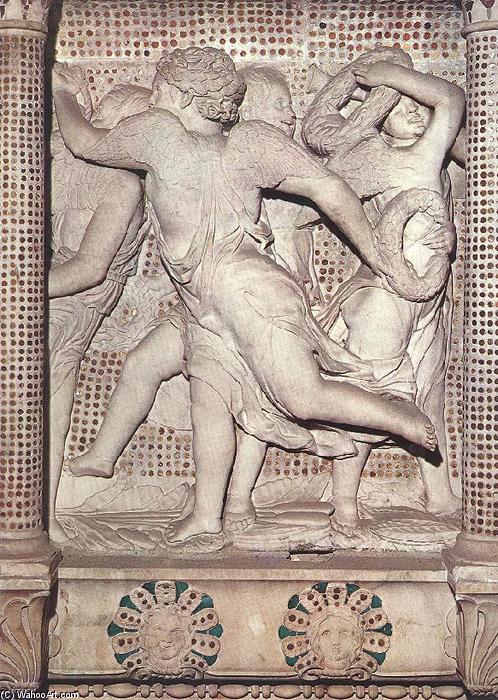
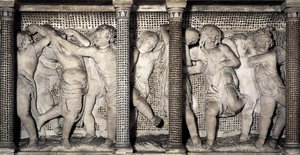
Cantoria (detail)


 Pročitaj više
Ručno rađena uljana reprodukcija
Ručno oslikano uljanim bojama na platnu u dimenzijama i okviru po vašem izboru, izrađeno po porudžbini od strane naših umetnika. ( Pređi na štampu Pređi na digitalnu sliku)




P118B $10

P118H $10

P118W $10

P438Z $10

P508JH $12

P508YH $12

P805H $10

P805Z $10

P919BZ $10

P919G $10

P919XJ $10

P959ZH $10

P968JZ $12

W106C $8

W218G $10

W218JH $8

W218Y $10

W307PJ $10

W316G $10

W316PJ $8

W316Y $10

W398PJ $8

W4111J $10

W500HY $15

W500JH $15

W692G $12

W849H $8

W940BG $15

W953PJ $8




Izaberite jednu od naših unapred definisanih veličina koje odgovaraju originalnim proporcijama umetničkog dela.

Можете унети сопствене димензије како бисте прилагодили дело одређеном оквиру или простору. Ако одабрана величина не одговара пропорцијама оригинала, слика ће бити исечена или проширена додатним елементима који се ручно насликавају. Дигитални prikaz ће вам бити послат на одобрење пре почетка производње.
Имајте на уму да преглед на екрану не одражава стварно исецање или проширење. Само приказ (mockup) ће тачно приказати коначну композицију.
Иако су доступне прилагођене величине, препоручујемо да одаберете димензију из дефинисане листе како бисте сачували оригиналне пропорције.
Nakon narudžbine, tim ArtsDot.com će klijentu putem e-pošte poslati uputstva i dostaviti prikaz predloženog rešenja
Isporuka širom sveta () za 3/4 nedelje umesto uobičajenih 5 nedelja. (11 септембар). Bez kompromisa po pitanju kvaliteta.

Besplatna ekspresna dostava širom sveta

Visokokvalitetno laneno platno

Kompletno osiguranje transporta

Garancija povraćaja carine i uvoznih dažbina

Garancija vernosti boja

Politika povraćaja u roku od 100 dana (isključivo u slučaju nedostataka)

Garancija povrata novca od 100%

Popust pri grupnoj kupovini
 Opcija sa staklom dostupna je samo za dimenzije manje od 110 cm

Cantoria (detail)
Tehnika reprodukcije
Dimenzije reprodukcije
-


Konačna cena
$ 263
The Echoes of Florence: Donatello’s Cantoria – A Symphony in Marble
Donatello's Cantoria, a breathtaking marble relief sculpture from the Duomo di Firenze (Florence Cathedral), isn’t merely a decorative element; it’s a vibrant snapshot of Renaissance ambition and artistic innovation. Completed in 1439, this intricate frieze, originally intended to adorn the south sacristy doors, captures a moment of exuberant celebration – a gathering of angelic figures engaged in song, dance, and playful interaction. More than just a depiction of religious subjects, it’s a testament to Donatello's mastery of capturing movement, emotion, and classical influence within the constraints of carved stone.
The sculpture’s genesis lies in the burgeoning humanist spirit of Florence during the early 15th century. Commissioned as part of a larger architectural project – the cathedral’s façade – it reflects a shift away from purely symbolic representations towards a more naturalistic and dynamic portrayal of human figures. Donatello, deeply influenced by his travels to Rome, brought back a renewed appreciation for classical sculpture, evident in the graceful poses, balanced compositions, and idealized forms within the Cantoria. The scene unfolds with an almost theatrical quality, as if capturing a fleeting moment from a divine concert or festival.
A Dance of Angels: Technique and Composition
Donatello’s skill is immediately apparent in his meticulous rendering of each figure. The relief itself is carved with astonishing precision, showcasing the artist's ability to create depth and volume through subtle variations in shading and texture. Notice how he masterfully uses light and shadow to define the contours of the figures, lending them a tangible presence. The composition is carefully balanced, drawing the eye across the frieze and inviting contemplation. The central figure, a youthful angel holding what appears to be a scroll or book – perhaps representing divine instruction or musical notation – commands attention with his dynamic pose and expressive face.
Beyond the individual figures, Donatello employed innovative techniques to achieve this sense of movement. The angels aren’t static; they are caught in mid-gesture, their limbs extended in graceful arcs, their faces alight with joy and animation. The use of *putti* – small, cherubic figures – adds a playful element to the scene, further enhancing the feeling of celebration. These youthful figures, dancing and playing instruments, represent innocence and divine delight.
Symbolism and Historical Context
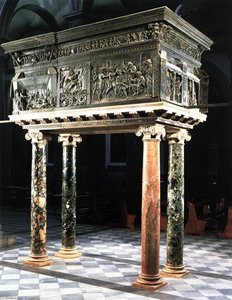
The Cantoria’s name itself offers clues to its purpose. “Cantoria” derives from the Latin word for “singing,” reflecting the sculpture's intended function as a backdrop for liturgical music within the cathedral. It was designed to be heard alongside the hymns and chants performed during religious services, creating an immersive auditory and visual experience for worshippers.
Interestingly, the Cantoria’s history is marked by fragmentation and reconstruction. Originally conceived as part of a larger architectural ensemble, it was dismantled in the 18th century and its fragments scattered across Florence. It wasn't until the late 19th century that Luigi del Moro undertook the painstaking task of reconstructing the sculpture, piecing together the lost elements and restoring the frieze to its former glory. This process highlights the enduring legacy of Donatello’s work and the importance of preserving artistic heritage.
A Timeless Masterpiece: Emotional Resonance
Despite its age, the Cantoria retains a remarkable emotional resonance. The figures radiate an infectious joy and exuberance, inviting viewers to share in their celebration. Donatello’s ability to capture the essence of human emotion through stone is truly extraordinary. It's not simply a depiction of angels; it’s a portrayal of pure delight, a reminder of the beauty and wonder that can be found within the divine realm.
Today, reproductions of Donatello’s Cantoria continue to captivate audiences worldwide, offering a glimpse into the artistic genius of one of Florence's greatest masters. Its intricate details, dynamic composition, and profound symbolism make it a timeless masterpiece – a testament to the enduring power of art to inspire, uplift, and transport us to another time and place.
Srodna umetnička dela

Biografija umetnika
rani život i karijera
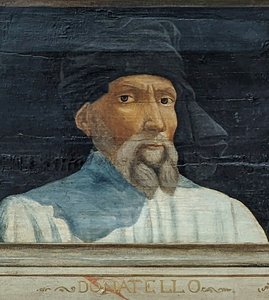
Donato di Niccolò di Betto Bardi, širom sveta poznat kao Donatello, rođen je u Firenci, u Italiji, oko 1386. godine. Njegovo proučavanje klasične skulpture duboko je oblikovalo razvoj njegovog autentičnog stila ranog renesansa, donoseći novu viziju umetnosti i kulture koja će vremenom postati sam obeležje firentinske renesanse.ključna dela i inovacije
Donatellovo najslavnije delo, David, predstavlja prvu slobodnostostoctanu mušku nagu skulpturu još od antičkog doba. Ovaj rad, koji je naručila moćna porodica Mediči, postavio je nove standarde prikazujući njegov inovativni stil i vrhunsku tehničku veštinu. Među drugim značajnim remek-delima izdvajaju se:- Sveti Luis Tuluški (sada u muzeju bazilike Santa Croce), koji krasi klasični okvir koji je sam Donatello dizajnirao.
- Žrtvovanje Isaka, stvoreno za zvonik Santa Maria del Fiore u Firenci, odlikovano snažnim portretnim detaljima.
- Krast (1425) za Santa Croce, koji je prikazao Hrista u trenutku neizmerne patnje.
umetnički stil i nasleđe
Donatellov umetnički put može se podeliti na šire faze, počevši od razvoja izražajnosti do klasične monumentalnosti. Iako njegovo delo u početku nije odmah prihvaćeno od strane zajednice, ono je vremenom postalo najpopularnije, snažno utičući na druge italijanske dvore i evropske umetnike. ključni umetnički pokreti:privatni život i način rada
Donatello je bio poznat kao ljubazan i voljen čovek, ali je pokazivao nedostatke u poslovnom delu svoje karijere. Često je prihvatao više porudžbina nego što je mogao da obradi, zbog čega su dela često kasnila ili su mu ih drugi vajari prepuštali da završe. značajna umetnička dela i umetnici:- Leonardo da Vinci: Javisanje (detalj)
- Amico Aspertini: Statua Pana / Lav koji grize konja
- Michelangelo Buonarroti: Tondo Pitt
muzeji i umetničke kolekcije:
- Museo della Collegiata (Empoli, Italija): skriveni dragulj renesanse, koji čuva dela umetnika kao što su Francesco Botticini i Raffaello Botticini.
- pokret rane italijanske renesanse
Donato
1386 - 1466 , Italija
Osnovne informacije
- Artistic Movement Or Style: Rana renesansa
- Artists Or Movements Influenced By This Artist:
- Italijanska renesansa
- Rana renesansa
- Firentinska renesansa
- Artists Who Influenced This Artist: ['Klasična skulptura']
- Date Of Birth: oko 1386.
- Date Of Death: 1466.
- Full Name: Donatelo di Nikolo
- Nationality: Italijan
- Notable Artworks:
- David
- Sveti Luis iz Tuluze
- Isakov žrtvovanje
- Razapinje
- Place Of Birth: Firenca, Italija
Povezani članci

Bronze Age to Modern Masters: 10 Sculptures That Redefined Art | ArtsDot
Journey through art history with 10 legendary bronze sculptures – from Michelangelo's David to Rodin’s Thinker. Explore the stories, techniques & timeless beauty of these masterpieces. Find museum-quality reproductions & elevate your home decor on ArtsDot.com.

Bronze Sculptures That Defined Art History | ArtsDot
Journey through art history with our Top 10 bronze sculptures! Explore masterpieces by Rodin, Michelangelo & more. Discover stories behind iconic statues and find museum-quality reproductions for your home decor at ArtsDot.com.

The Enduring Form: Exploring Themes & Techniques in Sculpture Across Historical Periods
Explore the rich history of sculpture from ancient masterpieces to contemporary innovations. Discover key techniques, influential artists & investment potential for discerning art collectors.
The Enduring Allure of Marble in Art History: From Classical Sculpture to Modern Abstraction
Explore the captivating history of marble sculpture from ancient Greece to modern art. Discover renowned artists like Canova & Michelangelo, carving techniques, and investment insights at ArtsDot.

The Enduring Form: Sculpture Across History, Technique & Emotional Resonance
Explore the rich history of sculpture with ArtsDot. Discover key techniques, influential artists & investment potential for discerning collectors. Expert insights into valuing and collecting timeless masterpieces.