

 Pregledaj u prostoru
 Pošalji
 Podeli
 Detalji o delu

 Преузми
 Slični predmeti
 Rendgenski snimak
 Slajdovi
Miracle of the Repentant Son
 Acrylic
- WallArt
- Early Renaissance
 1447
1447 57.0 x 123.0 cm
 Базилика ди Сант'Антонио
 Pročitaj više
Giclee štampa / Umetnički otisak
Giclée štampa ili print na platnu muzejskog kvaliteta uz brzu proizvodnju i fleksibilne opcije završne obrade. ( Kupi ručno naslikanu sliku Kupi digitalnu sliku)




P118B $10

P118H $10

P118W $10

P438Z $10

P508JH $12

P508YH $12

P805H $10

P805Z $10

P919BZ $10

P919G $10

P919XJ $10

P959ZH $10

P968JZ $12

W106C $8

W218G $10

W218JH $8

W218Y $10

W307PJ $10

W316G $10

W316PJ $8

W316Y $10

W398PJ $8

W4111J $10

W500HY $15

W500JH $15

W692G $12

W849H $8

W940BG $15

W953PJ $8




Izaberite jednu od naših unapred definisanih veličina koje odgovaraju originalnim proporcijama umetničkog dela.

Možete uneti sopstvene dimenzije kako biste umetničko delo prilagodili specifičnom okviru ili prostoru. Ako odabrani format ne odgovara proporcijama originalne slike, mi ćemo ili iscrtati deo dela ili proširiti sliku pomoću ogledane ivice ili jednobojnog popunjavanja. Digitalni prikaz će vam biti poslat na odobrenje pre početka proizvodnje.
Imajte na umu da pregled na ekranu ne odražava stvarno iscrtavanje ili proširivanje. Samo će prikaz (mockup) precizno pokazati finalnu kompoziciju.
Iako su prilagođene dimenzije dostupne, preporučujemo da odaberete dimenziju sa unapred definisane liste kako biste očuvali originalne proporcije.
Dostava širom sveta () za 2 nedelje umesto uobičajenih 4/5 nedelja. (7 септембар)

Besplatna ekspresna dostava širom sveta

Visokokvalitetno laneno platno

Kompletno osiguranje transporta

Garancija povraćaja carine i uvoznih dažbina

Garancija vernosti boja

Politika povraćaja u roku od 100 dana (isključivo u slučaju nedostataka)

Garancija povrata novca od 100%

Popust pri grupnoj kupovini
 Opcija sa staklom dostupna je samo za dimenzije manje od 110 cm

Miracle of the Repentant Son
Giclee štampa / Umetnički otisak
Dimenzije reprodukcije
-


Konačna cena
$ 62
The Weight of Sorrow, The Promise of Redemption: Donatello’s “Miracle of the Repentant Son”
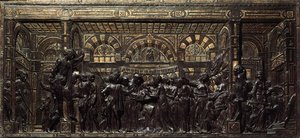
Donatello’s bronze sculpture, "Miracle of the Repentant Son," transcends mere representation; it's a profound meditation on faith, remorse, and divine grace. Created in 1447 during the apex of his artistic maturity, this work embodies the burgeoning humanism and emotional depth that defined the Early Renaissance in Florence. More than just a depiction of a biblical miracle – the restoration of a severed limb by St. Anthony – it’s a study in psychological realism, capturing the agonizing weight of sin and the transformative power of repentance with startling immediacy. The sculpture doesn't simply *show* suffering; it *conveys* it through the subtly contorted posture, the downward gaze, and the palpable tension radiating from the figure’s body.
The piece was originally conceived as part of a larger altarpiece for the Basilica di Sant’Antonio in Padua, intended to illustrate miracles performed by the city's patron saint. This context is crucial – Donatello wasn’t merely creating an isolated artwork; he was contributing to a complex narrative designed to inspire devotion and reinforce religious teachings. The choice of this particular miracle—the restoration of a severed limb— speaks volumes about the artist’s understanding of human vulnerability and the potential for spiritual renewal. It's a potent symbol of forgiveness, offering solace to those burdened by past transgressions.
A Masterclass in Bronze: Technique and Materiality
Donatello’s skill as a sculptor is immediately apparent in the remarkable detail achieved within the bronze medium. The surface texture isn’t smooth or polished; instead, it's deliberately rough and uneven, reflecting the casting process itself – a technique pioneered by Donatello that introduced a new level of expressive potential to sculpture. This deliberate roughness creates a dynamic interplay of light and shadow, emphasizing the contours of the figure and lending an almost tactile quality to the work. The artist skillfully manipulated the bronze to create a sense of volume and depth, capturing the musculature and drapery with astonishing accuracy.
The use of *schiacciato*, or “flattened relief,” is particularly noteworthy. Rather than creating a three-dimensional illusion, Donatello deliberately reduces the figures to a shallow plane, drawing attention to their forms and emphasizing their emotional impact. This technique, combined with the dramatic lighting, creates an almost theatrical effect, as if we are witnessing a pivotal moment frozen in time. The bronze itself, chosen for its ability to capture fine detail and its inherent durability, speaks to Donatello’s commitment to creating works that would endure for centuries.
Light, Shadow, and the Language of Emotion
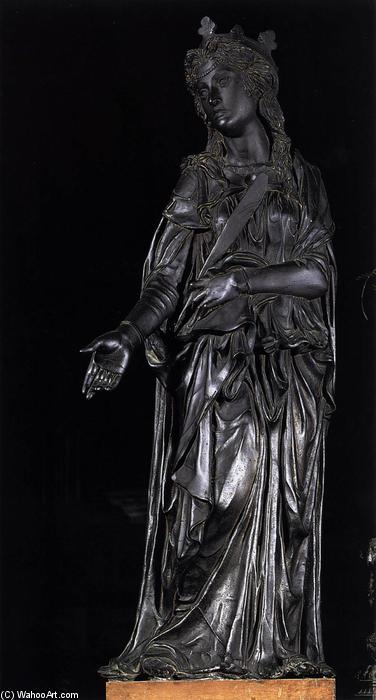
The photograph meticulously captures the interplay of light and shadow that is so integral to the sculpture's power. The directional lighting highlights the folds of the drapery, revealing the underlying musculature and creating a sense of movement within the static form. Notice how the shadows deepen in the recesses of the figure’s face, accentuating the lines of sorrow and regret. This masterful use of chiaroscuro—the dramatic contrast between light and dark—not only enhances the sculpture's visual impact but also serves to amplify its emotional resonance.
The composition itself is carefully considered. The figure is positioned slightly off-center, drawing the viewer’s eye to her outstretched hands – a gesture of supplication, offering, or perhaps both. Her downward gaze suggests introspection and humility, while the overall posture conveys a profound sense of vulnerability. It's a moment of intense emotional honesty, stripped bare of any embellishment or artifice.
A Timeless Testament to Human Experience
“Miracle of the Repentant Son” remains a profoundly moving work of art, offering a timeless reflection on themes of sin, redemption, and faith. Donatello’s masterful technique, combined with his profound understanding of human psychology, creates an image that continues to resonate with viewers centuries after its creation. It's a testament to the enduring power of art to explore the complexities of the human condition and to offer glimpses of hope amidst suffering.
Srodna umetnička dela

Biografija umetnika
rani život i karijera
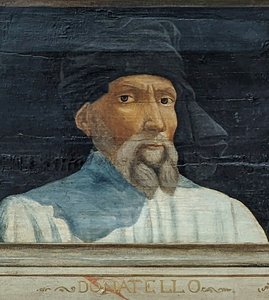
Donato di Niccolò di Betto Bardi, širom sveta poznat kao Donatello, rođen je u Firenci, u Italiji, oko 1386. godine. Njegovo proučavanje klasične skulpture duboko je oblikovalo razvoj njegovog autentičnog stila ranog renesansa, donoseći novu viziju umetnosti i kulture koja će vremenom postati sam obeležje firentinske renesanse.ključna dela i inovacije
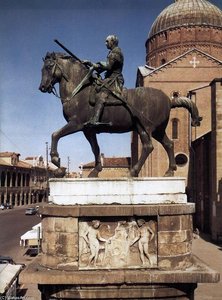
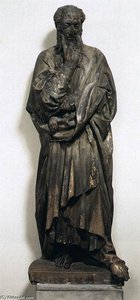
Donatellovo najslavnije delo, David, predstavlja prvu slobodnostostoctanu mušku nagu skulpturu još od antičkog doba. Ovaj rad, koji je naručila moćna porodica Mediči, postavio je nove standarde prikazujući njegov inovativni stil i vrhunsku tehničku veštinu. Među drugim značajnim remek-delima izdvajaju se:- Sveti Luis Tuluški (sada u muzeju bazilike Santa Croce), koji krasi klasični okvir koji je sam Donatello dizajnirao.
- Žrtvovanje Isaka, stvoreno za zvonik Santa Maria del Fiore u Firenci, odlikovano snažnim portretnim detaljima.
- Krast (1425) za Santa Croce, koji je prikazao Hrista u trenutku neizmerne patnje.
umetnički stil i nasleđe
Donatellov umetnički put može se podeliti na šire faze, počevši od razvoja izražajnosti do klasične monumentalnosti. Iako njegovo delo u početku nije odmah prihvaćeno od strane zajednice, ono je vremenom postalo najpopularnije, snažno utičući na druge italijanske dvore i evropske umetnike. ključni umetnički pokreti:privatni život i način rada
Donatello je bio poznat kao ljubazan i voljen čovek, ali je pokazivao nedostatke u poslovnom delu svoje karijere. Često je prihvatao više porudžbina nego što je mogao da obradi, zbog čega su dela često kasnila ili su mu ih drugi vajari prepuštali da završe. značajna umetnička dela i umetnici:- Leonardo da Vinci: Javisanje (detalj)
- Amico Aspertini: Statua Pana / Lav koji grize konja
- Michelangelo Buonarroti: Tondo Pitt
muzeji i umetničke kolekcije:
- Museo della Collegiata (Empoli, Italija): skriveni dragulj renesanse, koji čuva dela umetnika kao što su Francesco Botticini i Raffaello Botticini.
- pokret rane italijanske renesanse
Donato
1386 - 1466 , Italija
Osnovne informacije
- Artistic Movement Or Style: Rana renesansa
- Artists Or Movements Influenced By This Artist:
- Italijanska renesansa
- Rana renesansa
- Firentinska renesansa
- Artists Who Influenced This Artist: ['Klasična skulptura']
- Date Of Birth: oko 1386.
- Date Of Death: 1466.
- Full Name: Donatelo di Nikolo
- Nationality: Italijan
- Notable Artworks:
- David
- Sveti Luis iz Tuluze
- Isakov žrtvovanje
- Razapinje
- Place Of Birth: Firenca, Italija
Povezani članci

Bronze Age to Modern Masters: 10 Sculptures That Redefined Art | ArtsDot
Journey through art history with 10 legendary bronze sculptures – from Michelangelo's David to Rodin’s Thinker. Explore the stories, techniques & timeless beauty of these masterpieces. Find museum-quality reproductions & elevate your home decor on ArtsDot.com.

Bronze Sculptures That Defined Art History | ArtsDot
Journey through art history with our Top 10 bronze sculptures! Explore masterpieces by Rodin, Michelangelo & more. Discover stories behind iconic statues and find museum-quality reproductions for your home decor at ArtsDot.com.

The Enduring Legacy of Bronze: A Historical & Artistic Exploration for the Collector
Explore the rich history & enduring appeal of bronze sculpture with expert insights for collectors at ArtsDot. Learn about casting techniques, iconic artists, collecting tips & contemporary interpretations.
The Enduring Legacy of Bronze: History, Technique & Artistic Expression for the Collector
Explore the rich history & enduring appeal of bronze sculpture with expert insights for collectors at ArtsDot. Learn about casting techniques, iconic artists, and collecting tips.
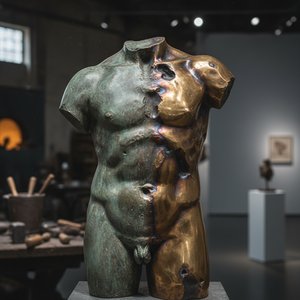
Nasleđe bronze: Istorija, tehnike i savremene interpretacije skulpture – vodič za kolekcionare
Istražite bogatu istoriju bronze i tehnike livenja skulptura. Saveti za kolekcionare, investiciono vrednovanje i savremene interpretacije aluminijumske bronze. ArtsDot – stručnjaci za umetnost.