

 Pregledaj u prostoru
 Pošalji
 Podeli
 Detalji o delu

 Преузми
 Slični predmeti
 Rendgenski snimak
 Slajdovi
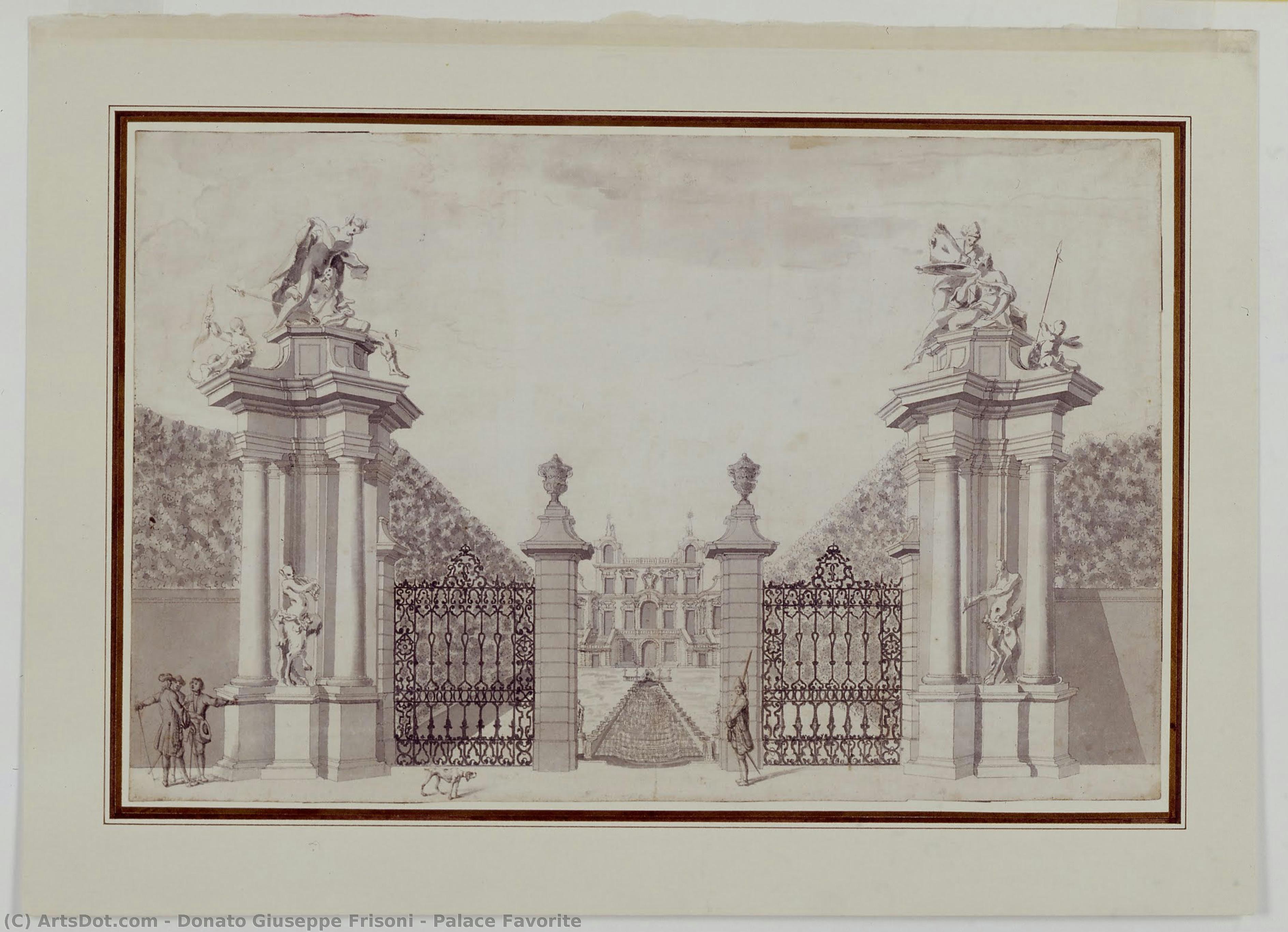
Palace Favorite
 1724
1724 4.0 x 44.0 cm
 Landesmuseum Württemberg
 Pročitaj više
Ručno rađena uljana reprodukcija
Ručno oslikano uljanim bojama na platnu u dimenzijama i okviru po vašem izboru, izrađeno po porudžbini od strane naših umetnika. ( Kupi print Kupi digitalnu sliku)




































Izaberite jednu od naših unapred definisanih veličina koje odgovaraju originalnim proporcijama umetničkog dela.

Можете унети сопствене димензије како бисте прилагодили дело одређеном оквиру или простору. Ако одабрана величина не одговара пропорцијама оригинала, слика ће бити исечена или проширена додатним елементима који се ручно насликавају. Дигитални prikaz ће вам бити послат на одобрење пре почетка производње.
Имајте на уму да преглед на екрану не одражава стварно исецање или проширење. Само приказ (mockup) ће тачно приказати коначну композицију.
Иако су доступне прилагођене величине, препоручујемо да одаберете димензију из дефинисане листе како бисте сачували оригиналне пропорције.
Nakon narudžbine, tim ArtsDot.com će klijentu putem e-pošte poslati uputstva i dostaviti prikaz predloženog rešenja
Isporuka širom sveta () za 3/4 nedelje umesto uobičajenih 5 nedelja. (1 септембар). Bez kompromisa po pitanju kvaliteta.

Besplatna ekspresna dostava širom sveta

Visokokvalitetno laneno platno

Kompletno osiguranje transporta

Garancija povraćaja carine i uvoznih dažbina

Garancija vernosti boja

Politika povrata u roku od 60 dana (samo u slučaju nedostataka)

Garancija povrata novca od 100%

Popust pri grupnoj kupovini
 Opcija sa staklom dostupna je samo za dimenzije manje od 110 cm

Palace Favorite
Tehnika reprodukcije
Dimenzije reprodukcije
-


Konačna cena
$ 263
Srodna umetnička dela



Biografija umetnika
Nicolaes Pieterszoon Berchem: Weaver of Golden Dreams
Nicolaes Pieterszoon Berchem, born in Haarlem on October 1st, 1620, and passing away in Amsterdam on February 18th, 1683, was a pivotal figure in the Dutch Golden Age, renowned for his captivating pastoral landscapes. More than just a painter of scenery, Berchem crafted immersive worlds—dreamlike visions populated with mythological figures, biblical narratives, and exquisitely rendered human and animal forms. His work stands as a testament to the burgeoning fascination with Italianate art during this period, reflecting a desire to capture the romance and idealized beauty associated with the Italian countryside. While often overshadowed by his more celebrated contemporaries like Jan Both, Berchem’s influence on subsequent generations of artists is undeniable, particularly in England and France.Early Life and Artistic Training
Berchem's artistic journey began under the tutelage of his father, Pieter Claesz., a respected still-life painter in Haarlem. This initial training provided him with a solid foundation in observation and composition. However, Berchem’s ambition extended beyond the confines of traditional Dutch painting. He sought to emulate the vibrant colors, dramatic lighting, and atmospheric perspective that characterized Italian landscape art. Although he never traveled to Italy himself, it is believed that he studied Italian prints and drawings extensively, absorbing their techniques and aesthetic principles. His early works demonstrate a clear debt to Jan van Goyen and Pieter de Grebber, both masters of the Dutch landscape tradition, but quickly evolved into something distinctly his own—a synthesis of Dutch realism with Italian romanticism. The nickname “Berg hem!” – literally "Save him!" - attributed to him by Carel de Moor, suggests a somewhat mischievous youth spent dodging his father’s reprimands, a charming anecdote that adds a personal touch to the artist's early life.Style and Technique: The Italianate Pastoral
Berchem’s signature style is characterized by its lushness, warmth, and an almost palpable sense of tranquility. He specialized in creating idyllic pastoral scenes—rolling hills bathed in golden light, majestic mountains shrouded in mist, and serene rivers winding through verdant valleys. These landscapes were rarely empty; they were populated with figures drawn from classical mythology or the Bible, often engaged in peaceful activities – shepherds tending their flocks, nymphs bathing in streams, or angels descending from heaven. Crucially, Berchem’s compositions are dominated by *staffage*—figures placed within the landscape to provide scale and narrative context. These figures, rendered with meticulous detail and a subtle sense of elegance, were often painted by Berchem himself, adding another layer of complexity to his artistic practice. His use of light is particularly noteworthy; he masterfully employed chiaroscuro – the dramatic contrast between light and shadow – to create depth, atmosphere, and a sense of emotional resonance. He was also an accomplished etcher, producing over 500 drawings that served as studies for his paintings and demonstrated his remarkable skill in rendering textures and details.Collaborations and Influence
Berchem’s career was marked by extensive collaborations with other prominent artists of the time. He frequently painted *staffage* figures for works by Jan Hackaert, Gerrit Dou, Meindert Hobbema, and Willem Schellinks, effectively acting as a kind of “painter’s assistant.” This practice not only provided him with income but also allowed him to hone his skills in depicting human forms and integrating them seamlessly into larger compositions. His influence extended far beyond the Netherlands; artists like Gainsborough and Watteau in England, and later painters in France, were deeply inspired by Berchem's atmospheric landscapes and elegant *staffage*. These artists adopted his techniques for creating a sense of depth, light, and romanticism, demonstrating the enduring appeal of Berchem’s artistic vision.Legacy and Historical Significance
Nicolaes Pieterszoon Berchem remains a significant figure in Dutch art history, despite often being overlooked in favor of more commercially successful contemporaries. His paintings are prized for their beauty, tranquility, and the evocative atmosphere they create. Estimates suggest he produced around 850 works, though many remain unattributed. His contribution to the development of the Italianate landscape genre is particularly noteworthy, shaping the aesthetic sensibilities of subsequent generations of artists. Berchem’s work offers a glimpse into the cultural values and artistic aspirations of the Dutch Golden Age—a period characterized by wealth, prosperity, and a profound appreciation for beauty and nature. His legacy continues to resonate today, reminding us of the power of art to transport us to other worlds and evoke a sense of wonder and enchantment.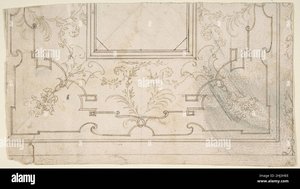
donato giuseppe frisoni
1683 - 1735 , Italy
Osnovne informacije
- Artistic Movement Or Style: Dutch Italianate
- Artists Or Movements Influenced By This Artist:
- Gainsborough
- Watteau
- Artists Who Influenced This Artist:
- Pieter Claesz.
- Jan van Goyen
- Date Of Birth: 1 Oct 1620
- Date Of Death: 18 Feb 1683
- Full Name: Nicolaes Pieterszoon Berchem
- Nationality: Dutch
- Notable Artworks:
- Fish Market
- La Magnificence du Roi
- Place Of Birth: Haarlem, Netherlands

