 Pregledaj u prostoru
 Pošalji
 Podeli
 Detalji o delu

 Преузми
 Slični predmeti
 Rendgenski snimak
 Slajdovi
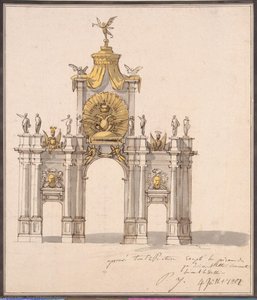
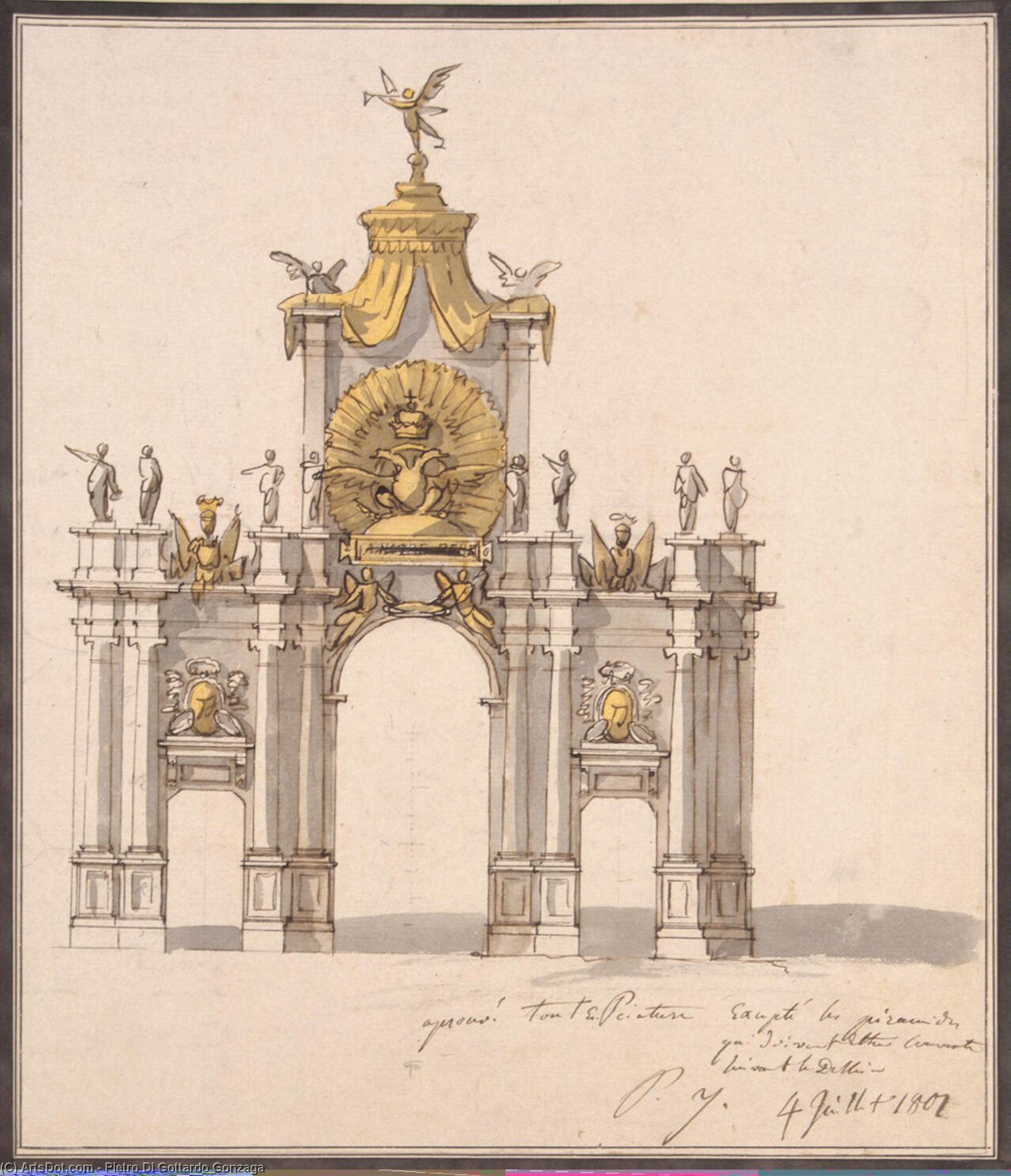
Дизајн декора за Трфејнал руски град у Москви
 Akril na platnu
- Umetnost za zidove
- Romanticism
 1797
1797 365.0 x 320.0 cm
 Hermitage Museum
 Pročitaj više
Ručno rađena uljana reprodukcija
Ručno oslikano uljanim bojama na platnu u dimenzijama i okviru po vašem izboru, izrađeno po porudžbini od strane naših umetnika. ( Kupi print Kupi digitalnu sliku)




P118B $10

P118H $10

P118W $10

P438Z $10

P508JH $12

P508YH $12

P805H $10

P805Z $10

P919BZ $10

P919G $10

P919XJ $10

P959ZH $10

P968JZ $12

W106C $8

W218G $10

W218JH $8

W218Y $10

W307PJ $10

W316G $10

W316PJ $8

W316Y $10

W398PJ $8

W4111J $10

W500HY $15

W500JH $15

W692G $12

W849H $8

W940BG $15

W953PJ $8




Izaberite jednu od naših unapred definisanih veličina koje odgovaraju originalnim proporcijama umetničkog dela.

Можете унети сопствене димензије како бисте прилагодили дело одређеном оквиру или простору. Ако одабрана величина не одговара пропорцијама оригинала, слика ће бити исечена или проширена додатним елементима који се ручно насликавају. Дигитални prikaz ће вам бити послат на одобрење пре почетка производње.
Имајте на уму да преглед на екрану не одражава стварно исецање или проширење. Само приказ (mockup) ће тачно приказати коначну композицију.
Иако су доступне прилагођене величине, препоручујемо да одаберете димензију из дефинисане листе како бисте сачували оригиналне пропорције.
Nakon narudžbine, tim ArtsDot.com će klijentu putem e-pošte poslati uputstva i dostaviti prikaz predloženog rešenja
Isporuka širom sveta () za 3/4 nedelje umesto uobičajenih 5 nedelja. (31 август). Bez kompromisa po pitanju kvaliteta.

Besplatna ekspresna dostava širom sveta

Visokokvalitetno laneno platno

Kompletno osiguranje transporta

Garancija povraćaja carine i uvoznih dažbina

Garancija vernosti boja

Politika povrata u roku od 60 dana (samo u slučaju nedostataka)

Garancija povrata novca od 100%

Popust pri grupnoj kupovini
 Opcija sa staklom dostupna je samo za dimenzije manje od 110 cm

Дизајн декора за Трфејнал руски град у Москви
Tehnika reprodukcije
Dimenzije reprodukcije
-


Konačna cena
$ 263
Design of the Decoration for the Triumphal Red Gate in Moscow
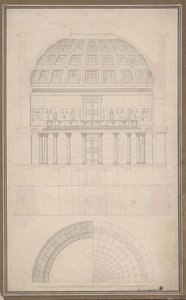
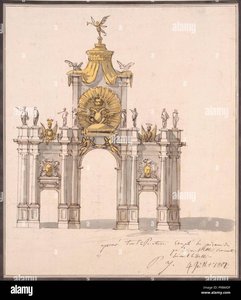
Pietro di Gottardo Gonzaga’s “Design of the Decoration for the Triumphal Red Gate in Moscow” stands as a testament to Venetian artistic sensibilities during the Enlightenment, capturing not merely architectural grandeur but also the spirit of imperial ambition. Executed in 1797, this drawing—a cornerstone of Gonzaga's oeuvre—offers a glimpse into his meticulous approach to temple design and decorative art, reflecting a fascination with classical principles blended seamlessly with innovative optical illusions.- Subject Matter: The artwork depicts a triumphal arch, symbolizing victory and commemorating the coronation ceremony of Pavel I. Its central element is a clock, representing time’s passage and emphasizing the importance of historical events.
- Style: Gonzaga's style embodies Romanticism—characterized by emotional intensity and imaginative vision—yet grounded in precise observation and technical mastery. He skillfully employs chiaroscuro art and trompe-l'œil techniques to create a captivating illusion of depth and realism.
- Technique: Crafted with pen, brush, Indian ink, watercolor, and ink, Gonzaga’s drawing demonstrates exceptional draughtsmanship. The artist meticulously rendered every detail, capturing the textures and nuances of stone and sculpture with remarkable accuracy.
- Size: 365 x 320 cm
- Date: 1797
Srodna umetnička dela

Biografija umetnika
The Architect of Illusions: The Life and Vision of Pietro di Gottardo Gonzaga
Born in the serene landscape of Longarone, Italy, in 1751, Pietro di Gottardo Gonzaga emerged as a singular force within the Venetian artistic tradition. While many of his contemporaries sought the patronage of grand ecclesiastical institutions or the opulent halls of Italian palaces, Gonzaga carved out a niche that bridged the gap between architectural precision and theatrical enchantment. His early life was deeply rooted in the tactile world of art; as the son of the painter and sculptor Giovanni Battista Gonzaga, he was raised amidst the scent of pigments and the dust of marble. This familial immersion provided him with a foundational mastery of form and light, which he would later refine under the guidance of Giuseppe Bolognese, a master of chiaroscuro whose influence is visible in the dramatic shadows and luminous depths of Gonzaga’s most celebrated works.
As his career matured, Gonzaga’s artistry transcended simple representation, evolving into what he himself poetically described as "music for the eyes." This philosophy—the idea that perspective and visual composition could mirror the emotional fluctuations of a musical score—became the heartbeat of his creative output. He was not merely a painter but a master of trompe-l’œil, an artist capable of deceiving the eye through the sheer brilliance of his technical skill. His work often functioned as a bridge between reality and fantasy, particularly in his renowned stage designs. Whether working in Italy or later within the Russian Empire, Gonzaga possessed the uncanny ability to manipulate space, using pen, ink, and wash to create architectural vistas that felt both monumentally solid and ethereally dreamlike.
A Legacy of Stone and Stage
The breadth of Gonzaga’s oeuvre is a fascinating study in duality, ranging from the rigorous technicality of architectural studies to the sweeping grandeur of imperial celebrations. His sketches for temple designs and religious iconography reflect the Enlightenment's reverence for classical antiquity and humanist ideals. In these works, one finds a profound engagement with the principles of Andrea Palladio, as he sought to revive the dignity of ancient Roman structures through meticulous detail and balanced composition. His contributions to San Pietro Martire in Venice stand as enduring testaments to this period, where his frescoes breathed life into sacred spaces through dynamic narratives and a luminous palette.
However, it was perhaps in the realm of the theatrical and the monumental that Gonzaga’s imagination truly soared. His designs for the Russian court, particularly during the reign of Emperor Paul I, showcased an ambitious vision of imperial splendor. Notable achievements include:
- The Triumphal Red Gate in Moscow: A breathtaking 1797 design that utilized trompe-l’œil illusionism to celebrate imperial victory, featuring intricate statues and symbolic figures that embodied the nobility of the era.
- Architectural Vedutismo: His precise sepia drawings, such as those depicting the Nikolskaya Tower in Moscow, which serve as vital historical documents of urban grandeur and technical precision.
- Theatrical Set Design: Innovative stagecraft that utilized light and shadow to create "fantastic yet deceptively realistic" environments, influencing the evolution of scenic design across Europe.
Ultimately, the historical significance of Pietro di Gottardo Gonzaga lies in his ability to harmonize the technical demands of an architect with the emotive power of a storyteller. He did not merely document the world; he reimagined it through a lens of classical beauty and theatrical wonder. Even as the centuries have passed, his "music for the eyes" continues to resonate, inviting viewers to step through the thresholds of his imagined temples and into a realm where art and architecture become one.
pietro di gottardo gonzaga
1751 - 1831 , Italy
Osnovne informacije
- Artistic Movement Or Style: Venetian Art
- Artists Or Movements Influenced By This Artist: ['']
- Artists Who Influenced This Artist: ['']
- Date Of Birth: 1751
- Full Name: Pietro di Gottardo Gonzag
- Nationality: Italian
- Notable Artworks: ['Temple design']
- Place Of Birth: Longarone, Italy
Povezani članci

Jacopo Tintoretto: 25 Remek-dela Venecijanskog Majstora | Reprodukcije i Inspiracija za Dom
Uronite u svet Jacopa Tintoreta! Otkrijte 25 remek-dela venecijanskog renesansnog majstora. Istražite dramatične kompozicije, bogate boje i istoriju umetnosti na ArtsDot.com. Reprodukcije slika za luksuzni enterijer.
Neo-Classicism's Greatest Hits: 10 Masterpieces for Your Home |
Journey through Neo-Classicism's finest! Explore 10 iconic masterpieces by David, Ingres & Canova. Discover art history, techniques & timeless beauty – perfect for inspiring your home decor. Find museum-quality reproductions at
The Eloquent Line: Exploring the Artistic Significance of Sketches Across Movements and Media
Explore the profound artistic significance of sketches throughout history. From Renaissance masters to modern innovators like Van Gogh & Guston, discover how these foundational works reveal technique, emotion, and vision. Learn more at ArtsDot.
The Enduring Legacy of Classicism: Principles, Evolution & Influence in Western Art
Explore the enduring legacy of Classicism in Western art! Discover its historical context, key principles, iconic masterpieces & lasting influence. Learn about Renaissance and Neoclassical movements with ArtsDot.
Timeless Resonance: Exploring Classic Vibe in Art – A Historical & Aesthetic Analysis
Explore the rich history & enduring aesthetic of Classicism art! Discover key movements, iconic artists like Raphael & David, and its lasting influence on Western art. Deepen your appreciation today.