

 Pošalji
 Podeli
 Detalji o delu

 Преузми
 Slični predmeti
 Slajdovi
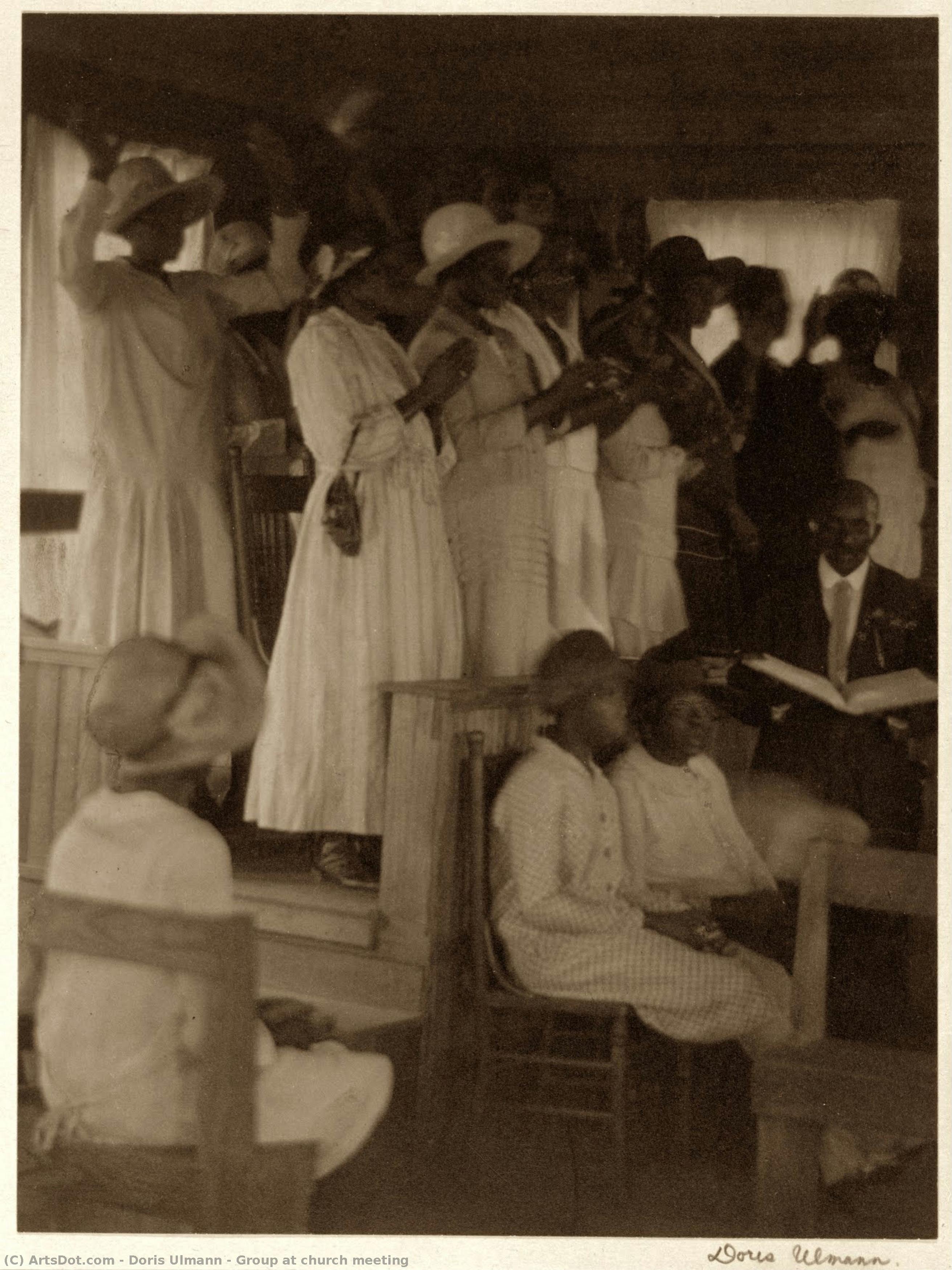
Group at church meeting
 Black and White Photography
- Photo
- Pictorialism
 Modern
 15.0 x 20.0 cm
 George Eastman Museum
 Pročitaj više
Ručno rađena uljana reprodukcija
Ručno oslikano uljanim bojama na platnu u dimenzijama i okviru po vašem izboru, izrađeno po porudžbini od strane naših umetnika. ( Kupi print Kupi digitalnu sliku)




































Izaberite jednu od naših unapred definisanih veličina koje odgovaraju originalnim proporcijama umetničkog dela.

Можете унети сопствене димензије како бисте прилагодили дело одређеном оквиру или простору. Ако одабрана величина не одговара пропорцијама оригинала, слика ће бити исечена или проширена додатним елементима који се ручно насликавају. Дигитални prikaz ће вам бити послат на одобрење пре почетка производње.
Имајте на уму да преглед на екрану не одражава стварно исецање или проширење. Само приказ (mockup) ће тачно приказати коначну композицију.
Иако су доступне прилагођене величине, препоручујемо да одаберете димензију из дефинисане листе како бисте сачували оригиналне пропорције.
Nakon narudžbine, tim ArtsDot.com će klijentu putem e-pošte poslati uputstva i dostaviti prikaz predloženog rešenja
Isporuka širom sveta () za 3/4 nedelje umesto uobičajenih 5 nedelja. (25 август). Bez kompromisa po pitanju kvaliteta.

Besplatna ekspresna dostava širom sveta

Visokokvalitetno laneno platno

Kompletno osiguranje transporta

Garancija povraćaja carine i uvoznih dažbina

Garancija vernosti boja

Politika povrata u roku od 60 dana (samo u slučaju nedostataka)

Garancija povrata novca od 100%

Popust pri grupnoj kupovini
 Opcija sa staklom dostupna je samo za dimenzije manje od 110 cm

Group at church meeting
Tehnika reprodukcije
Dimenzije reprodukcije
-


Konačna cena
$ 263
Opis umetničkog dela
A Quiet Communion: The Soul of Appalachia in Doris Ulmann’s Lens
In the soft, silvered tones of "Group at church meeting," we are invited into a sacred moment of communal intimacy captured by the pioneering American photographer Doris Ulmann. This evocative black and white photograph transcends mere documentation, offering instead a window into the rhythmic, shared life of a community bound by faith and tradition. The composition reveals a gathering of souls—men and women, some seated in quiet contemplation and others standing in attentive repose—clustered within the humble confines of a church meeting room. There is a profound sense of stillness here, a pause in the passage of time where the only movement is the silent exchange of glances and the weight of shared purpose. Through Ulmann’s lens, the mundane act of a meeting is elevated to a study of human dignity and the invisible threads that weave a society together.
The technical mastery of this piece lies in its Pictorialist sensibilities, where the interplay of light and shadow creates a texture as rich as the history it depicts. Ulmann, known for her empathetic approach to her subjects, utilizes a delicate range of grayscale to define the forms of the congregants. The subtle highlights on the men's ties and the soft contours of the gathered faces lend a sculptural quality to the group, making each individual feel present and palpable. This mastery of light does more than illuminate; it softens the edges of reality, imbuing the scene with a dreamlike, nostalgic atmosphere that speaks to the enduring nature of memory and heritage.
Historically, this work serves as a vital ethnographic treasure. As part of her broader mission to document the Appalachian Mountains and the Gullah communities, Ulmann captured the essence of Southern culture during a period of immense transition. In "Group at church meeting," we see the strength of the social fabric—the way community is forged in the small, unadorned spaces of local life. The image carries a deep emotional resonance, evoking feelings of nostalgia, reverence, and a longing for the simplicity of connection. For the collector or the interior designer, this reproduction offers more than just a visual element; it provides a soulful centerpiece that invites conversation about identity, belonging, and the timeless beauty of the human spirit.
Integrating such a piece into a curated space allows for a sophisticated dialogue between modern aesthetics and historical depth. Whether placed in a sunlit gallery or a quiet study, the photograph’s monochromatic elegance complements both minimalist and traditional decor, acting as an anchor of warmth and historical gravity. It is a work that does not merely decorate a wall but enriches the very atmosphere of a room, reminding all who view it of the profound beauty found in our most shared and humble moments.
Srodna umetnička dela
Biografija umetnika
The Soul of the Lens: The Life and Legacy of Doris Ulmann
Doris Ulmann (1882–1934) stands as a singular figure in American photography, celebrated for her deeply empathetic portraits of the people inhabiting the Appalachian Mountains and the Gullah communities along South Carolina’s coast. More than simply documenting rural life, Ulmann achieved an artistic triumph by capturing the essence of human dignity and cultural richness—a feat accomplished with meticulous technique and unwavering humanist conviction. Her legacy continues to inspire photographers today who strive for authenticity and sensitivity in their visual narratives.
Born in New York City, Ulmann’s upbringing fostered a profound appreciation for social justice and individual worth, mirroring the ethos of the Ethical Culture Fieldston School where she received her formative education. This institution championed inclusivity and challenged prevailing societal prejudices—values that would profoundly shape her artistic vision. Her intellectual journey led her to Columbia University, where she studied psychology alongside fellow photographer Clarence H. White. This academic background established a crucial connection between scientific observation and artistic expression; it was White’s mentorship that ignited her passion for photography, transforming what began as a hobby into a professional devotion after 1918.
Pictorialism and the Art of the Image
Ulmann's photographic style firmly rooted itself in Pictorialism—a movement advocating for photography as an art form rather than merely a tool for recording reality. Rejecting the mechanistic processes of the Daguerreotype, she embraced more demanding methods that allowed for greater artistic control. She meticulously composed her images using a heavy view camera, a cumbersome apparatus requiring careful positioning and precise calculations to achieve optimal exposure. This labor-intensive approach was essential to her goal of creating images that felt more like paintings or soulful memories than mere snapshots.
Her technical mastery was often paired with an ethnographer's eye. While her work was deeply rooted in the aesthetic traditions of the time, it possessed a unique documentary weight. She did not merely observe; she participated in the quiet rhythms of her subjects' lives. Her ability to navigate different social strata—from the medical faculty of Johns Hopkins University to the craftsmen and musicians of the Southern mountains—demonstrates a remarkable versatility and a profound respect for the dignity of every sitter.
A Documentation of Vanishing Cultures
The most enduring aspect of Ulmann's career was her dedication to capturing the rural cultures of the southeastern United States. Between 1928 and 1934, she focused intensely on the people of Appalachia and the Gullah communities of the Sea Islands. Her work often sought to preserve the spirit of traditions that felt as though they were slipping away from the modernizing world. This period of intense documentation was marked by several significant milestones:
- Collaborative Narratives: Her collaboration with writer Julia Peterkin on the work Roll, Jordan, Roll stands as a landmark in American ethnographic portraiture, blending text and image to tell the story of the Gullah people.
- Cultural Preservation: Through her lens, the hands of craftsmen, the faces of musicians, and the quiet moments of communal life—such as those seen in Group at church meeting—were immortalized with a silvered, timeless beauty.
- Artistic Recognition: Her work was not confined to the periphery; it was exhibited in prestigious New York galleries and published in influential periodicals like Scribner's Magazine and Theatre Arts Monthly.
Ultimately, Doris Ulmann’s significance lies in her ability to transcend the role of a mere observer. Through her use of soft tones and evocative compositions, she elevated the portrait from a simple likeness to a profound meditation on human identity. She left behind a visual archive that serves as both a historical record and a poetic tribute to the resilience and grace of the American spirit.
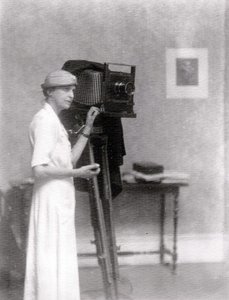
Doris Ulmann
1882 - 1934
Osnovne informacije
- Artistic Movement Or Style: Pictorialism
- Artists Or Movements Influenced By This Artist: ['Margaret Bourke-White']
- Artists Who Influenced This Artist: ['Clarence H. White']
- Date Of Birth: May 29, 1882
- Date Of Death: Aug. 28, 1934
- Full Name: Doris Ulmann
- Nationality: American
- Notable Artworks:
- Woman on a Porch
- Men Leaning against a Wall
- Place Of Birth: New York City, U.S.
Povezani članci

White on Canvas: 10 Masterpieces & Timeless Elegance for Your Home Decor
Explore 10 iconic white paintings by Monet, Whistler & Rothko! Discover the stories behind these serene masterpieces and their impact on art history. Find museum-quality reproductions for your home decor at .

Dark Masterpieces: 10 Iconic Paintings Dominated by Black Tones |
Explore 10 iconic paintings dominated by black tones, from Rembrandt’s chiaroscuro to Goya's dark expressions. Discover the stories behind these masterpieces & find museum-quality art reproductions for your home at .

Monochrome Visions: Exploring the Aesthetic & Historical Significance of Black & White Photography
Explore the rich history & artistic power of black and white photography. From early techniques to iconic masters like Ansel Adams, discover why monochrome continues to captivate art lovers today. Expert insights for collectors.
Mars Black Masterpieces: 10 Iconic Paintings & Timeless Art Decor Ideas
Delve into the power of 'Mars Black' with 10 iconic paintings by masters like Rembrandt & Caravaggio. Explore dramatic chiaroscuro, gothic art, and timeless beauty. Find museum-quality reproductions & elevate your home decor on .

The Subtleties of White: Exploring Absence, Light & Symbolism in Art History
Explore the profound symbolism & history of white in art! From ancient purity to modern abstraction, discover how artists have used absence & light. Expert insights from ArtsDot.

