 Pregledaj u prostoru
 Pošalji
 Podeli
 Detalji o delu

 Преузми
 Slični predmeti
 Rendgenski snimak
 Slajdovi
 Statistika
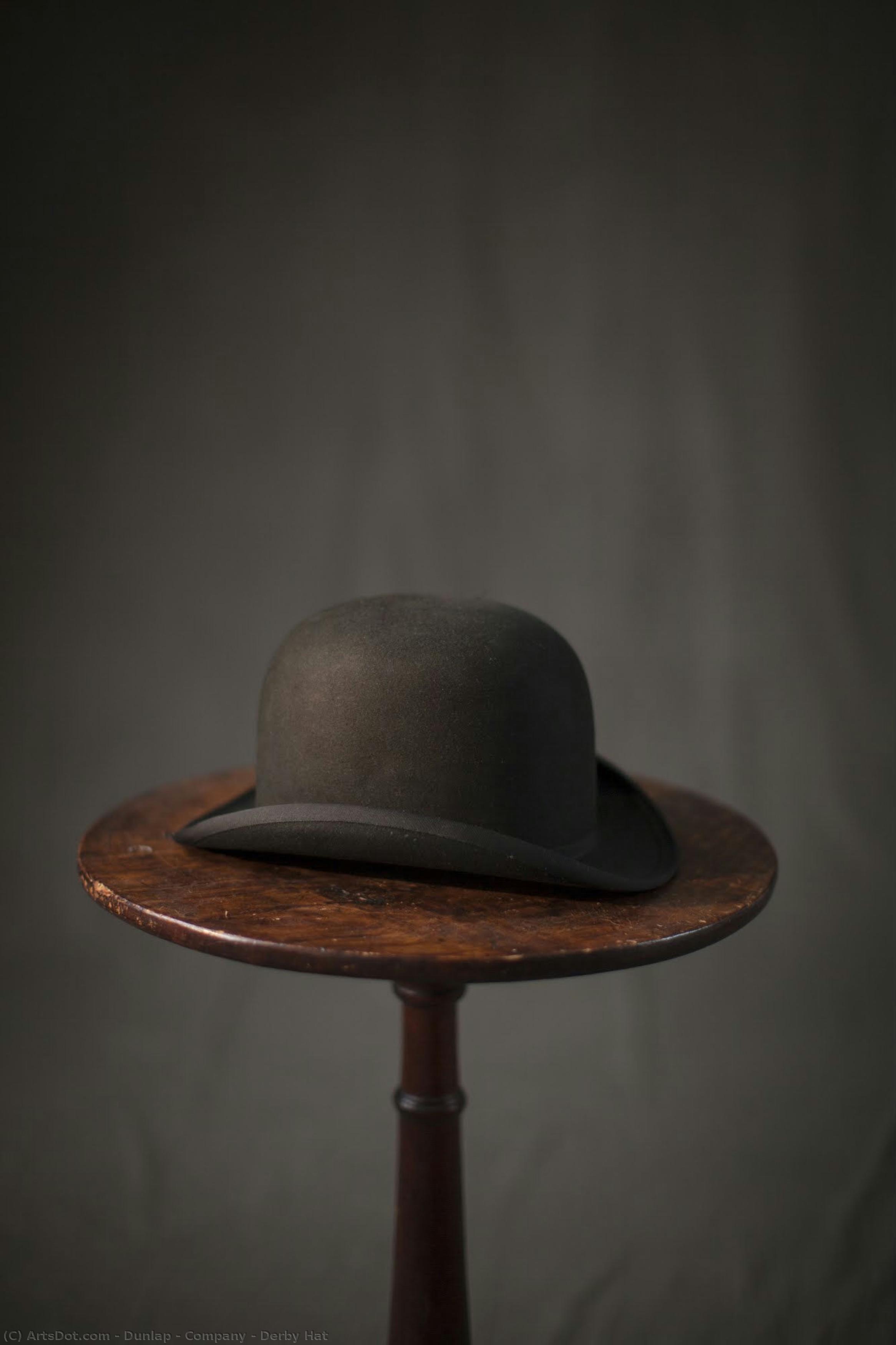
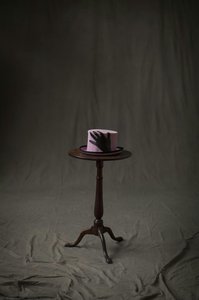
Derby Hat


 Pročitaj više
Ručno rađena uljana reprodukcija
Ručno oslikano uljanim bojama na platnu u dimenzijama i okviru po vašem izboru, izrađeno po porudžbini od strane naših umetnika. ( Pređi na štampu Pređi na digitalnu sliku)




































Izaberite jednu od naših unapred definisanih veličina koje odgovaraju originalnim proporcijama umetničkog dela.

Можете унети сопствене димензије како бисте прилагодили дело одређеном оквиру или простору. Ако одабрана величина не одговара пропорцијама оригинала, слика ће бити исечена или проширена додатним елементима који се ручно насликавају. Дигитални prikaz ће вам бити послат на одобрење пре почетка производње.
Имајте на уму да преглед на екрану не одражава стварно исецање или проширење. Само приказ (mockup) ће тачно приказати коначну композицију.
Иако су доступне прилагођене величине, препоручујемо да одаберете димензију из дефинисане листе како бисте сачували оригиналне пропорције.
Nakon narudžbine, tim ArtsDot.com će klijentu putem e-pošte poslati uputstva i dostaviti prikaz predloženog rešenja
Isporuka širom sveta () za 3/4 nedelje umesto uobičajenih 5 nedelja. (11 септембар). Bez kompromisa po pitanju kvaliteta.

Besplatna ekspresna dostava širom sveta

Visokokvalitetno laneno platno

Kompletno osiguranje transporta

Garancija povraćaja carine i uvoznih dažbina

Garancija vernosti boja

Politika povraćaja u roku od 100 dana (isključivo u slučaju nedostataka)

Garancija povrata novca od 100%

Popust pri grupnoj kupovini
 Opcija sa staklom dostupna je samo za dimenzije manje od 110 cm

Derby Hat
Tehnika reprodukcije
Dimenzije reprodukcije
-


Konačna cena
$ 263
Srodna umetnička dela


Biografija umetnika
The Enduring Legacy of Dunlap & Company: Portraits of Early America
Dunlap & Company represents a fascinating, yet often overlooked, chapter in the history of American portraiture. While not a single artist but rather a family enterprise—primarily William Dunlap and his sons—the firm left an indelible mark on the visual culture of the late 18th and early 19th centuries. Their work provides invaluable glimpses into the lives and aspirations of a burgeoning nation, capturing the likenesses of prominent figures during a period of significant social and political transformation.
A Family Affair: The Rise of a Portrait Dynasty
William Dunlap (1765-1839), the patriarch of the family, initially trained as a playwright and manager but turned to portrait painting in the 1790s. Recognizing both a market need and his own artistic inclination, he established a studio that would eventually become known as Dunlap & Company. His sons, Edgar (1769-1831) and William M. Dunlap (1792-1848), joined the business, contributing their skills and expanding its reach. This familial structure was common in early American art production; workshops often relied on the combined talents of multiple family members to meet the growing demand for portraits.
The firm’s success stemmed from a shrewd understanding of their clientele. They catered primarily to the upper echelons of society—politicians, merchants, and landowners—individuals eager to project an image of respectability and status. Dunlap & Company wasn't necessarily focused on groundbreaking innovation; instead, they excelled at producing solid, competent portraits that adhered to prevailing stylistic conventions. This accessibility, coupled with their efficient production methods, made them a popular choice for those seeking a lasting representation of themselves and their families.
Style and Technique: Echoes of European Tradition
The artistic style of Dunlap & Company is firmly rooted in the traditions of 18th-century British portraiture. Their paintings often feature sitters posed against simple, neutral backgrounds, emphasizing clarity of form and meticulous attention to detail. The influence of artists like Sir Joshua Reynolds and Thomas Gainsborough is readily apparent in their compositions and use of light. While they adopted a relatively conservative approach, the Dunlaps demonstrated skill in capturing individual likenesses and conveying a sense of personality.
Technically, they employed oil on canvas as their primary medium, utilizing a layered painting technique to achieve depth and realism. Their palette tended towards muted tones, with an emphasis on browns, grays, and blacks—colors that conveyed sobriety and dignity. The firm’s ability to render fabrics realistically, particularly the luxurious silks and velvets favored by their patrons, was also noteworthy. The Derby Hat, for example, showcases this attention to texture and material detail beautifully.
Beyond Likeness: Portraits as Historical Documents
While Dunlap & Company’s paintings may not be considered avant-garde, they hold significant historical value. Their portraits offer a unique window into the social fabric of early America, providing visual documentation of clothing styles, hairstyles, and material possessions. The Dunlap Family, painted by William Dunlap himself, is particularly revealing in this regard; it offers a glimpse into the domestic life and familial relationships of a prominent family during the colonial period.
Furthermore, their work reflects the evolving ideals of American identity. As the nation transitioned from a collection of colonies to an independent republic, portraits increasingly served as symbols of civic virtue and national pride. Dunlap & Company’s paintings, though often conventional in style, played a role in shaping this visual narrative.
A Lasting Impression: The Enduring Appeal of Early American Portraiture
Although the firm eventually faded into obscurity with the rise of new artistic movements, the legacy of Dunlap & Company endures. Their portraits continue to be prized by museums and collectors alike, offering a tangible connection to the past. They remind us that art is not merely about aesthetic innovation but also about documenting history, preserving memory, and reflecting the values of a particular time and place.