

![La Divina Commedia / [immagini Di Amos Nattini!] — Durante Di Alighiero Degli Alighieri](/media/artworks/images-full/de/76/de760d6b4a579259f1640fb709e1af4b.jpg)
 Pregledaj u prostoru
 Pošalji
 Podeli
 Detalji o delu

 Преузми
 Slični predmeti
 Rendgenski snimak
 Slajdovi
La Divina Commedia / [immagini di Amos Nattini!]


 Pročitaj više
Ručno rađena uljana reprodukcija
Ručno oslikano uljanim bojama na platnu u dimenzijama i okviru po vašem izboru, izrađeno po porudžbini od strane naših umetnika. ( Kupi print Kupi digitalnu sliku)




































Izaberite jednu od naših unapred definisanih veličina koje odgovaraju originalnim proporcijama umetničkog dela.

Можете унети сопствене димензије како бисте прилагодили дело одређеном оквиру или простору. Ако одабрана величина не одговара пропорцијама оригинала, слика ће бити исечена или проширена додатним елементима који се ручно насликавају. Дигитални prikaz ће вам бити послат на одобрење пре почетка производње.
Имајте на уму да преглед на екрану не одражава стварно исецање или проширење. Само приказ (mockup) ће тачно приказати коначну композицију.
Иако су доступне прилагођене величине, препоручујемо да одаберете димензију из дефинисане листе како бисте сачували оригиналне пропорције.
Nakon narudžbine, tim ArtsDot.com će klijentu putem e-pošte poslati uputstva i dostaviti prikaz predloženog rešenja
Isporuka širom sveta () za 3/4 nedelje umesto uobičajenih 5 nedelja. (2 септембар). Bez kompromisa po pitanju kvaliteta.

Besplatna ekspresna dostava širom sveta

Visokokvalitetno laneno platno

Kompletno osiguranje transporta

Garancija povraćaja carine i uvoznih dažbina

Garancija vernosti boja

Politika povrata u roku od 60 dana (samo u slučaju nedostataka)

Garancija povrata novca od 100%

Popust pri grupnoj kupovini
 Opcija sa staklom dostupna je samo za dimenzije manje od 110 cm

La Divina Commedia / [immagini di Amos Nattini!]
Tehnika reprodukcije
Dimenzije reprodukcije
-


Konačna cena
$ 313
Srodna umetnička dela
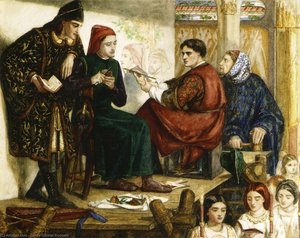
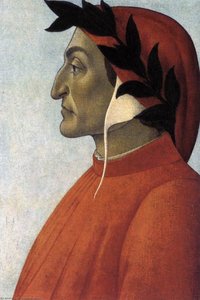
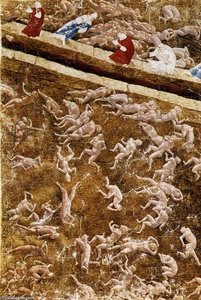
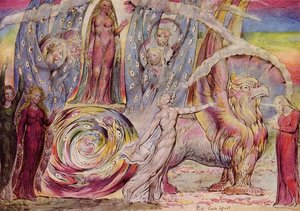
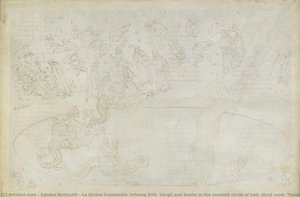
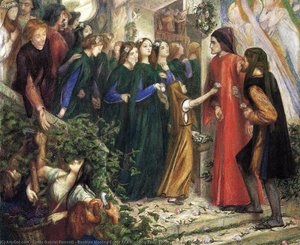
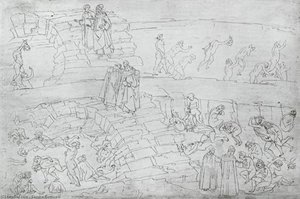
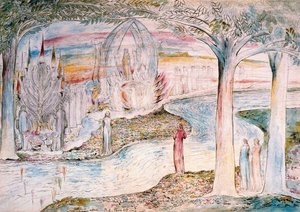
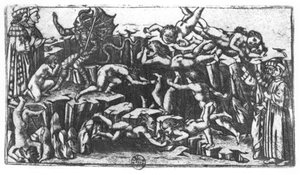
Biografija umetnika
The Florentine Visionary: A Life Dedicated to Verse
Durante di Alighiero degli Alighieri, known universally as Dante, stands as a monumental figure in the landscape of Western literature. Born in Florence around 1265 – the precise date remains shrouded in the mists of time, though May is widely accepted – his life was inextricably interwoven with the tumultuous political and social currents of medieval Italy. He wasn’t merely a poet; he was a philosopher, a political thinker, and a linguist who fundamentally reshaped the Italian language itself. His family, while possessing noble lineage, occupied a modest position in Florentine society, allowing Dante access to an education that fostered his intellectual curiosity but also exposed him to the realities of civic strife.
Florence during Dante’s youth was a vibrant hub of commerce and culture, yet deeply fractured by internal conflicts between powerful factions – notably the Guelphs and Ghibellines. These divisions would profoundly impact Dante's life, ultimately leading to his exile in 1302. His early literary endeavors, such as *La Vita Nuova* (The New Life), a collection of lyrical poems interwoven with prose narratives celebrating his idealized love for Beatrice Portinari, reveal a burgeoning talent steeped in the traditions of courtly love and the *Dolce Stil Novo*, a poetic movement emphasizing refined emotion and elegant language. However, even in these early works, hints of Dante’s unique philosophical depth and political awareness begin to emerge.
The Divine Comedy: A Journey Through Realms
It is, of course, for *La Divina Commedia* (The Divine Comedy) that Dante achieved enduring fame. Composed during his exile – a period marked by hardship, wandering, and profound reflection – this epic poem transcends the boundaries of mere literature; it’s a theological, philosophical, and political masterpiece. The poem chronicles an allegorical journey through Hell (*Inferno*), Purgatory (*Purgatorio*), and Heaven (*Paradiso*), guided first by the Roman poet Virgil and then by Beatrice herself. The sheer scope of Dante's vision is breathtaking, populated with historical figures, mythological creatures, and contemporary personalities, each serving as a vehicle for exploring themes of sin, redemption, justice, and divine love.
What sets *The Divine Comedy* apart isn’t simply its narrative power but also its innovative use of the vernacular – Tuscan dialect. At a time when Latin was the language of scholarship and high culture, Dante boldly chose to write in the language spoken by the people, elevating it to a level of literary sophistication previously unheard of. This decision not only broadened the poem’s accessibility but also laid the foundation for modern Italian as we know it today. His treatise *De vulgari eloquentia* (On Eloquence in the Vernacular) further solidified his commitment to the power and potential of the spoken language, arguing for its legitimacy as a medium for artistic expression.
Influences and Artistic Development
Dante’s intellectual lineage was rich and diverse. He drew inspiration from classical authors like Virgil, whose *Aeneid* served as a structural model for *The Divine Comedy*, and Aristotle, whose philosophical ideas profoundly influenced his worldview. He also absorbed the theological teachings of Thomas Aquinas and the mystical traditions of medieval Christianity. However, Dante wasn’t merely an imitator; he synthesized these influences into something entirely new and uniquely his own.
His early works demonstrate a gradual evolution towards greater complexity and philosophical depth. *La Vita Nuova* showcases his mastery of lyric poetry and his exploration of courtly love themes. Later, in *Convivio* (The Banquet), an unfinished work of philosophical exposition, Dante grapples with complex questions of morality, politics, and the nature of knowledge. These works paved the way for the ambitious scope and profound insights of *The Divine Comedy*, which represents the culmination of his artistic and intellectual development.
A Lasting Legacy: The Father of Italian Literature
Dante’s impact on Western culture is immeasurable. *The Divine Comedy* continues to be studied, analyzed, and celebrated centuries after its completion. His vivid imagery, compelling characters, and profound philosophical insights have inspired countless artists, writers, and thinkers. He is rightfully regarded as the “father” of the Italian language, and his work remains a cornerstone of Italian national identity.
Beyond Italy, Dante’s influence can be seen in the works of Geoffrey Chaucer, John Milton, Alfred Tennyson, and many others. His exploration of universal themes – sin, redemption, love, loss, and the search for meaning – resonates with readers across cultures and generations. The *terza rima*, the interlocking three-line rhyme scheme he pioneered, continues to be employed by poets today. Dante Alighieri wasn’t simply a poet; he was a visionary who transformed literature, language, and our understanding of the human condition.
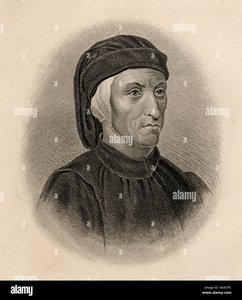
durante di alighiero degli alighieri
1321 , Italy
Osnovne informacije
- Artistic Movement Or Style: Medieval Poetry
- Artists Or Movements Influenced By This Artist:
- Petrarch
- Boccaccio
- Chaucer
- Milton
- Tennyson
- Date Of Birth: c. May 1265
- Date Of Death: September 14, 1321
- Full Name: Durante di Alighiero degli Alighieri
- Nationality: Italian
- Notable Artworks:
- Divine Comedy
- La Vita Nuova
- Place Of Birth: Florence, Italy
Povezani članci
Dante Gabriel Rossetti: 25 Remek-dela Pre-Raphaelita i Inspiracija za Vaš Dom
Istražite 25 remek-dela Dante Gabriel Rossettija, ikone Pre-Raphaelita! Otkrijte priče iza slika, simbolizam i inspiraciju za vaš dom. Kvalitetne reprodukcije na ArtsDot.com.
High Medieval Art: 10 Masterpieces That Shaped an Era | ArtsDot
Journey through High Medieval Art! Explore 10 iconic masterpieces – from Giotto's frescoes to stunning Gothic cathedrals. Discover the stories behind these timeless paintings, sculptures & illuminated manuscripts. Find museum-quality art reproductions at ArtsDot.com.
Romantic Realism's Finest: 10 Masterpieces for Your Home | ArtsDot
Explore 10 defining masterpieces of Romantic Realism! Discover Courbet, Millet & Daumier's powerful paintings—capturing emotion and social realities. Find museum-quality reproductions for your home at ArtsDot.com.

Late Medieval Masterpieces: 10 Artworks That Defined an Era | ArtsDot
Journey through 10 defining Late Medieval masterpieces – from Giotto's frescoes to Jan van Eyck’s realism. Explore the stories, techniques & vibrant colors of Gothic art. Find museum-quality reproductions and elevate your home decor with ArtsDot.com! Discover all masterpieces on ArtsDot.com
Timeless Elegance: How to Integrate High Medieval Art into Your Modern Interior Design
Discover how to infuse your modern home with the divine light of High Medieval art. From gilded illuminated manuscripts to Gothic-inspired textures, learn expert tips for integrating timeless elegance and historical grandeur into contemporary interior design.

