

![La Divina Commedia / [immagini Di Amos Nattini!] — Durante Di Alighiero Degli Alighieri](/media/artworks/images-full/de/76/de760d6b4a579259f1640fb709e1af4b.jpg)
 Pregledaj u prostoru
 Pošalji
 Podeli
 Detalji o delu

 Преузми
 Slični predmeti
 Rendgenski snimak
 Slajdovi
La Divina Commedia / [immagini di Amos Nattini!]


 Pročitaj više
Kupite digitalnu sliku visoke rezolucije i poboljšanog kvaliteta, koja je znatno superiornija od onoga što vidite u online prikazu.
Svaka datoteka je pedantno pripremljena od strane naših stručnjaka koristeći napredne alate i profesionalnu ručnu retušu. Osiguravamo da svaka slika ima izuzetnu oštrinu, preciznu reprodukciju boja i fine detalje.
Konačna datoteka se dostavlja putem e-pošte u roku od 72 sata, optimizovana za neposrednu upotrebu u profesionalnim, izdavačkim i štamparskim okruženjima. To je isti kvalitet kojem veruju vrhunski studiji dizajna, izdavači i galerije.
Digitalna slika
Preuzmite datoteku visoke rezolucije za ličnu upotrebu, štampanje i kreativne projekte. ( Kupi print Kupi ručno naslikanu sliku)
Uključeno uz svaku porudžbinu digitalne slike
Profesionalna digitalna isporuka, zagarantovana
Kada odaberete ArtsDot.com, ne dobijate samo sliku – vi primate profesionalno unapređeno digitalno umetničko delo, izrađeno sa najvećom preciznošću i uz garanciju zadovoljstva. Evo svega što automatski dolazi uz vašu porudžbinu:

Brza dostava putem e-pošte
Vaša digitalna slika visoke rezolucije biće vam poslata putem e-pošte u roku od 72 sata od poručivanja – spremna za trenutnu upotrebu.

Digitalna datoteka unapređena veštačkom inteligencijom
Vaše umetničko delo je profesionalno optimizovano korišćenjem naprednih AI alata i ručne obrade, čime se osiguravaju maksimalni detalji, oštrina i preciznost boja.

Besplatna ponovna isporuka doživotno
Slučajno ste obrisali ili izgubili svoju datoteku? Ne brinite – poslaćemo vam je ponovo u bilo kom trenutku, potpuno besplatno.

Bez troškova uvoza – zauvek
Uživajte u svojim umetničkim delima trenutno, bez carine, dažbina ili troškova dostave – digitalni download je uvek bez poreza.

Garancija vernosti boja
Uz pomoć profesionalnih alata i upravljanja bojama, osiguravamo da vaša digitalna slika što vernije odražava originalne boje.

Garancija zadovoljstva u roku od 60 dana
Ako niste zadovoljni svojom digitalnom slikom, revidirat ćemo je ili vratiti 100% novca u roku od 60 dana – bez ikakvih pitanja.

100% garancija povrata novca
Niste zadovoljni? Obezbedite pun povrat novca u roku od 60 dana od trenutka kada ste primili svoju digitalnu datoteku – bez suvišnih pitanja.

Popusti na velike porudžbine
Kupite 3 slike, uštedite 10% - Kupite 5 slika, uštedite 15% - Kupite 10+ slika, uštedite 20%. Odlično za kreativne projekte, galerije i agencije.
Srodna umetnička dela
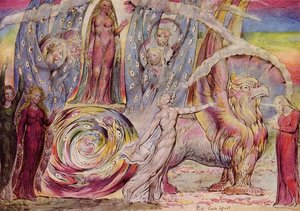
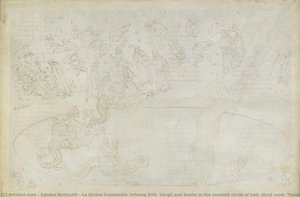
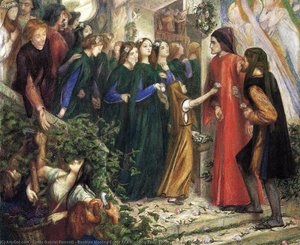
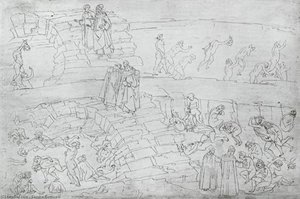
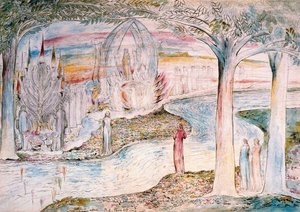
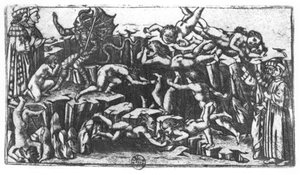
Biografija umetnika
The Florentine Visionary: A Life Dedicated to Verse
Durante di Alighiero degli Alighieri, known universally as Dante, stands as a monumental figure in the landscape of Western literature. Born in Florence around 1265 – the precise date remains shrouded in the mists of time, though May is widely accepted – his life was inextricably interwoven with the tumultuous political and social currents of medieval Italy. He wasn’t merely a poet; he was a philosopher, a political thinker, and a linguist who fundamentally reshaped the Italian language itself. His family, while possessing noble lineage, occupied a modest position in Florentine society, allowing Dante access to an education that fostered his intellectual curiosity but also exposed him to the realities of civic strife.
Florence during Dante’s youth was a vibrant hub of commerce and culture, yet deeply fractured by internal conflicts between powerful factions – notably the Guelphs and Ghibellines. These divisions would profoundly impact Dante's life, ultimately leading to his exile in 1302. His early literary endeavors, such as *La Vita Nuova* (The New Life), a collection of lyrical poems interwoven with prose narratives celebrating his idealized love for Beatrice Portinari, reveal a burgeoning talent steeped in the traditions of courtly love and the *Dolce Stil Novo*, a poetic movement emphasizing refined emotion and elegant language. However, even in these early works, hints of Dante’s unique philosophical depth and political awareness begin to emerge.
The Divine Comedy: A Journey Through Realms
It is, of course, for *La Divina Commedia* (The Divine Comedy) that Dante achieved enduring fame. Composed during his exile – a period marked by hardship, wandering, and profound reflection – this epic poem transcends the boundaries of mere literature; it’s a theological, philosophical, and political masterpiece. The poem chronicles an allegorical journey through Hell (*Inferno*), Purgatory (*Purgatorio*), and Heaven (*Paradiso*), guided first by the Roman poet Virgil and then by Beatrice herself. The sheer scope of Dante's vision is breathtaking, populated with historical figures, mythological creatures, and contemporary personalities, each serving as a vehicle for exploring themes of sin, redemption, justice, and divine love.
What sets *The Divine Comedy* apart isn’t simply its narrative power but also its innovative use of the vernacular – Tuscan dialect. At a time when Latin was the language of scholarship and high culture, Dante boldly chose to write in the language spoken by the people, elevating it to a level of literary sophistication previously unheard of. This decision not only broadened the poem’s accessibility but also laid the foundation for modern Italian as we know it today. His treatise *De vulgari eloquentia* (On Eloquence in the Vernacular) further solidified his commitment to the power and potential of the spoken language, arguing for its legitimacy as a medium for artistic expression.
Influences and Artistic Development
Dante’s intellectual lineage was rich and diverse. He drew inspiration from classical authors like Virgil, whose *Aeneid* served as a structural model for *The Divine Comedy*, and Aristotle, whose philosophical ideas profoundly influenced his worldview. He also absorbed the theological teachings of Thomas Aquinas and the mystical traditions of medieval Christianity. However, Dante wasn’t merely an imitator; he synthesized these influences into something entirely new and uniquely his own.
His early works demonstrate a gradual evolution towards greater complexity and philosophical depth. *La Vita Nuova* showcases his mastery of lyric poetry and his exploration of courtly love themes. Later, in *Convivio* (The Banquet), an unfinished work of philosophical exposition, Dante grapples with complex questions of morality, politics, and the nature of knowledge. These works paved the way for the ambitious scope and profound insights of *The Divine Comedy*, which represents the culmination of his artistic and intellectual development.
A Lasting Legacy: The Father of Italian Literature
Dante’s impact on Western culture is immeasurable. *The Divine Comedy* continues to be studied, analyzed, and celebrated centuries after its completion. His vivid imagery, compelling characters, and profound philosophical insights have inspired countless artists, writers, and thinkers. He is rightfully regarded as the “father” of the Italian language, and his work remains a cornerstone of Italian national identity.
Beyond Italy, Dante’s influence can be seen in the works of Geoffrey Chaucer, John Milton, Alfred Tennyson, and many others. His exploration of universal themes – sin, redemption, love, loss, and the search for meaning – resonates with readers across cultures and generations. The *terza rima*, the interlocking three-line rhyme scheme he pioneered, continues to be employed by poets today. Dante Alighieri wasn’t simply a poet; he was a visionary who transformed literature, language, and our understanding of the human condition.
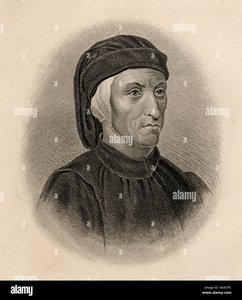
durante di alighiero degli alighieri
1321 , Italy
Kratke činjenice
- Artistic Movement Or Style: Medieval Poetry
- Artists Or Movements Influenced By This Artist:
- Petrarch
- Boccaccio
- Chaucer
- Milton
- Tennyson
- Date Of Birth: c. May 1265
- Date Of Death: September 14, 1321
- Full Name: Durante di Alighiero degli Alighieri
- Nationality: Italian
- Notable Artworks:
- Divine Comedy
- La Vita Nuova
- Place Of Birth: Florence, Italy

