

 Pregledaj u prostoru
 Pošalji
 Podeli
 Detalji o delu

 Преузми
 Slični predmeti
 Rendgenski snimak
 Slajdovi
 Statistika
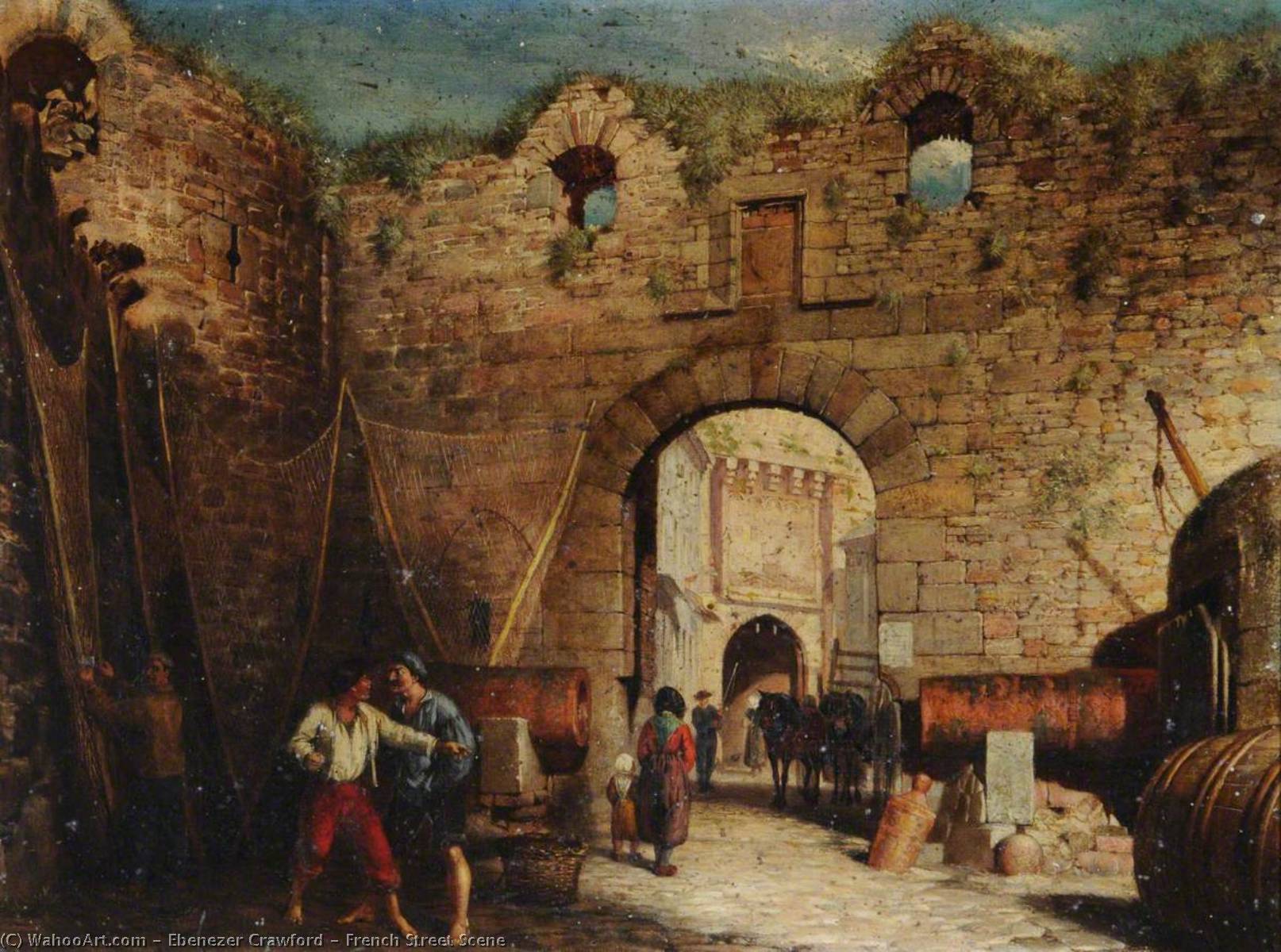
French Street Scene
 30.0 x 40.0 cm
 Pročitaj više
Giclee štampa / Umetnički otisak
Giclée štampa ili print na platnu muzejskog kvaliteta uz brzu proizvodnju i fleksibilne opcije završne obrade. ( Kupi ručno naslikanu sliku Pređi na digitalnu sliku)




































Izaberite jednu od naših unapred definisanih veličina koje odgovaraju originalnim proporcijama umetničkog dela.

Možete uneti sopstvene dimenzije kako biste umetničko delo prilagodili specifičnom okviru ili prostoru. Ako odabrani format ne odgovara proporcijama originalne slike, mi ćemo ili iscrtati deo dela ili proširiti sliku pomoću ogledane ivice ili jednobojnog popunjavanja. Digitalni prikaz će vam biti poslat na odobrenje pre početka proizvodnje.
Imajte na umu da pregled na ekranu ne odražava stvarno iscrtavanje ili proširivanje. Samo će prikaz (mockup) precizno pokazati finalnu kompoziciju.
Iako su prilagođene dimenzije dostupne, preporučujemo da odaberete dimenziju sa unapred definisane liste kako biste očuvali originalne proporcije.
Dostava širom sveta () za 2 nedelje umesto uobičajenih 4/5 nedelja. (10 септембар)

Besplatna ekspresna dostava širom sveta

Visokokvalitetno laneno platno

Kompletno osiguranje transporta

Garancija povraćaja carine i uvoznih dažbina

Garancija vernosti boja

Politika povraćaja u roku od 100 dana (isključivo u slučaju nedostataka)

Garancija povrata novca od 100%

Popust pri grupnoj kupovini
 Opcija sa staklom dostupna je samo za dimenzije manje od 110 cm

French Street Scene
Giclee štampa / Umetnički otisak
Dimenzije reprodukcije
-


Konačna cena
$ 62
Srodna umetnička dela










Biografija umetnika
The Luminous Legacy of Ebenezer Crawford
Ebenezer Crawford remains a captivating, if somewhat enigmatic, figure within the tapestry of nineteenth-century British art. Though his name may not resonate with the same immediate fame as the titans of his era, his canvases offer an intimate window into a world defined by pastoral tranquility and emotional depth. Born around 1830, Crawford’s early artistic inclinations were rooted in the delicate precision of watercolor landscapes. This initial period of exploration allowed him to master the subtle nuances of nature, developing a keen eye for the minute details of the environment—a skill that would later serve as the foundation for his more monumental oil compositions.
As his career progressed, Crawford’s work began to absorb the profound influences of the Romantic movement. He drew deep inspiration from the atmospheric mastery of artists such as J.M.W. Turner and the grounded, pastoral sincerity of John Constable. From these masters, he inherited a fascination with the expressive potential of light and the way it interacts with the landscape to create a sense of the sublime. His ability to capture the ephemeral quality of mist, sunlight, and shadow suggests an artist who was not merely documenting the world, but attempting to translate its very soul onto the canvas.
Mastery of Technique and Subject Matter
The true brilliance of Crawford’s artistry lies in his sophisticated technical approach. He moved beyond simple representation, employing a method of layering thin, translucent glazes of pigment over a carefully prepared toned ground. This painstaking process allowed him to achieve a remarkable luminosity, creating surfaces that seem to glow from within. His brushwork, while precise enough to render the textures of weathered wood or the soft fleece of livestock, possessed a rhythmic harmony that mirrored the natural ebb and flow of the countryside. Through meticulous color blending, he achieved subtle gradations that captured the dappled light filtering through dense foliage, imbuing his scenes with a palpable sense of atmosphere.
This technical prowess is perhaps most evident in his breakthrough work, “Continental Farmyard Scene,” completed around 1865. In this piece, Crawford transcends mere genre painting to create a timeless tableau of rural life. The canvas is rich with the textures of haystacks and the warmth of a bustling farmstead, evoking a sense of community and the enduring rhythms of the seasons. His ability to imbue such realistic subjects with a sense of nostalgic grandeur speaks to his unique ability to bridge the gap between the observational and the emotional.
A Visionary Spirit in Transition
Beyond his landscapes, Crawford demonstrated a remarkable versatility that touched upon more intimate and classical themes. His celebrated work, “Childhood of Mozart,” painted in 1870, showcases his capacity for narrative tenderness. In this evocative depiction, he captures a poignant moment of connection, utilizing light and composition to elevate a personal scene into a universal study of innocence and familial bond. Similarly, works like “Nude Still Life” reveal an engagement with the classical traditions of musculature and dramatic lighting, suggesting an artist deeply conversant with the legacies of the Renaissance.
Though his life was relatively short—with records indicating he passed away around 1873—Crawford’s contribution to the nineteenth-century aesthetic is significant. His work serves as a vital bridge between the structured traditions of Romanticism and the burgeoning sensory explorations of Impressionism. By focusing on the interplay of light, texture, and atmosphere, Crawford helped pave the way for a new way of seeing, ensuring that his vision of the natural world continues to resonate with beauty and profound connection long after his passing.

Osnovne informacije
- Artistic Movement Or Style: Continental Farmyard Scene
- Date Of Death: Living
- Full Name: Ebenezer Crawford
- Notable Artworks:
- Childhood of Mozart
- Continental Farmyard Scene