
- Početna strana

- Reprodukcija uljane slike
- eduard (état civil) thoroczkai-wigand , ede (autre nom) wiegand
 Pošalji
 Podeli
 Detalji o delu

 Преузми
 Slični predmeti
 Slajdovi
 Statistika
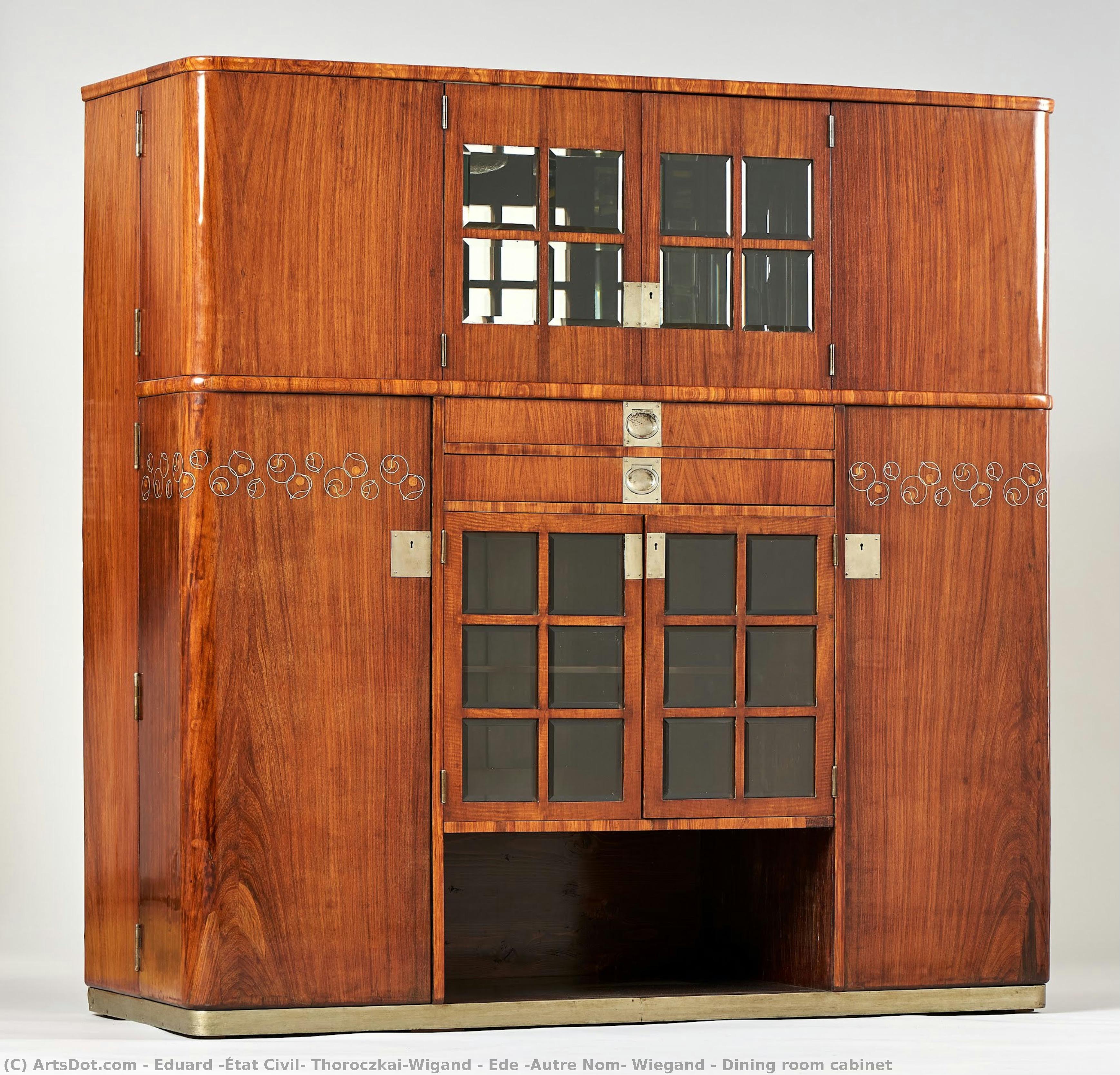
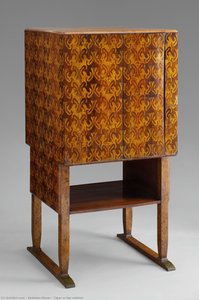
Dining room cabinet


 Pročitaj više
Ručno rađena uljana reprodukcija
Ručno oslikano uljanim bojama na platnu u dimenzijama i okviru po vašem izboru, izrađeno po porudžbini od strane naših umetnika. ( Pređi na štampu Pređi na digitalnu sliku)




































Izaberite jednu od naših unapred definisanih veličina koje odgovaraju originalnim proporcijama umetničkog dela.

Можете унети сопствене димензије како бисте прилагодили дело одређеном оквиру или простору. Ако одабрана величина не одговара пропорцијама оригинала, слика ће бити исечена или проширена додатним елементима који се ручно насликавају. Дигитални prikaz ће вам бити послат на одобрење пре почетка производње.
Имајте на уму да преглед на екрану не одражава стварно исецање или проширење. Само приказ (mockup) ће тачно приказати коначну композицију.
Иако су доступне прилагођене величине, препоручујемо да одаберете димензију из дефинисане листе како бисте сачували оригиналне пропорције.
Nakon narudžbine, tim ArtsDot.com će klijentu putem e-pošte poslati uputstva i dostaviti prikaz predloženog rešenja
Isporuka širom sveta () za 3/4 nedelje umesto uobičajenih 5 nedelja. (10 септембар). Bez kompromisa po pitanju kvaliteta.

Besplatna ekspresna dostava širom sveta

Visokokvalitetno laneno platno

Kompletno osiguranje transporta

Garancija povraćaja carine i uvoznih dažbina

Garancija vernosti boja

Politika povraćaja u roku od 100 dana (isključivo u slučaju nedostataka)

Garancija povrata novca od 100%

Popust pri grupnoj kupovini
 Opcija sa staklom dostupna je samo za dimenzije manje od 110 cm

Dining room cabinet
Tehnika reprodukcije
Dimenzije reprodukcije
-


Konačna cena
$ 263
Ede Toroczkai Wigand’s Viennese Echoes: A Study in Form and Material
The dining room cabinet presented here offers a compelling glimpse into the artistic currents of early 20th-century Hungary, revealing the influence of Vienna's Secession movement while simultaneously grounding itself within a distinctly Hungarian aesthetic. Crafted by Ede Toroczkai Wigand in 1902, this piece is more than just a functional furnishing; it’s a carefully constructed dialogue between tradition and innovation, reflecting the burgeoning interest in handcrafted design and the desire to elevate everyday objects into works of art.
- A Fusion of Styles: Wigand's design demonstrates a sophisticated understanding of diverse influences. The initial inspiration clearly stems from French Art Nouveau’s flowing lines and organic forms, yet he deftly adapted these elements through a lens informed by the achievements of contemporary English and Scottish designers – a pragmatic approach that resulted in the ‘plank style’ so characteristic of his work.
- The Secession's Embrace: The most striking aspect of this cabinet is its direct engagement with the Viennese Secession. The armchair designs, meticulously documented as variations on Otto Wagner’s bent-wood models for the Austrian Postal Savings Bank, showcase a deliberate borrowing of form and technique. This wasn’t mere imitation; it was an acknowledgment of Vienna's position at the forefront of modern design experimentation.
- Materiality as Statement: The cabinet’s construction is equally significant. The cuboid shape with rounded edges, resting on a base adorned with silver-plated brass, speaks to a desire for both elegance and durability. The use of expensive materials – rosewood veneer, meticulously inlaid silver, and silver-plated fittings – elevates the piece beyond mere functionality, signifying status and reflecting the Secession’s emphasis on quality craftsmanship.
Technique and Craftsmanship: A Detailed Examination
Wigand's meticulous attention to detail is immediately apparent in the cabinet’s construction. The use of rosewood veneer suggests a desire for rich color and texture, while the silver inlay – particularly the stylized ‘peonies’ that adorn the lower drawer – demonstrates a mastery of intricate craftsmanship. These circular inlays, composed of silver, rosewood, and cedar, are not simply decorative; they contribute to the overall sense of luxury and refinement. The cabinet's construction utilizes traditional joinery techniques, highlighting the skill and patience required to create such a piece.
- Copper Medium: While the original was created using copper, this reproduction faithfully replicates the intended effect through modern materials, ensuring an accurate representation of Wigand’s vision.
- Hardware Details: The silver-plated brass banding and hinges further emphasize the cabinet's luxurious qualities and demonstrate a commitment to impeccable finishing.
Historical Context and Significance
The creation of this dining room cabinet in 1902 coincided with a period of significant artistic and architectural change in Hungary. Wigand’s work, showcased at the National Society of Applied Arts Christmas exhibition, aligned perfectly with the broader Arts and Crafts movement, advocating for handcrafted goods and rejecting mass-produced items. The subsequent purchase by the Museum of Applied Arts in Budapest underscores the cabinet's importance as a landmark piece within Hungarian design history. It represents a pivotal moment where Hungarian artistic sensibilities embraced international influences while simultaneously forging its own unique identity.
This reproduction offers an exceptional opportunity to experience firsthand the elegance and sophistication of Ede Toroczkai Wigand’s work, bringing a touch of Viennese Secession into your home or office. It is a testament to the enduring power of thoughtful design and meticulous craftsmanship – a piece that speaks volumes about its time and continues to resonate with collectors and interior designers today.
NoneSrodna umetnička dela

Biografija umetnika
**early life and education**
eduard (état civil) thoroczkai-wigand , ede (autre nom) wiegand, a renowned hungarian architect, designer, and writer, was born on may 19, 1869, in budapest. he pursued his studies at the technical university of budapest, laying the foundation for his future career in architecture and furniture design.**contribution to arts and crafts movement**
wigand's work significantly contributed to the arts and crafts movement, influencing hungarian architecture with his unique style. his designs, characterized by simplicity, elegance, and functionality, have become a benchmark for architects and designers.**notable works and exhibitions**
- the dining room cabinet, created in 1902 using copper as a medium, is one of his most famous works.
- his writings on architecture and design helped popularize the arts and crafts movement in hungary.
- some of his notable works can be found in the artist's profile on ArtsDot, showcasing his mastery over various mediums.
- for a deeper understanding of wigand's influence, visit the zichy museum zala, hungary, which features an impressive collection of hungarian art and architecture. /en/art/show/art-d3b5p9-en/
- explore the hungarian national gallery, budapest, which houses an extensive collection of hungarian fine arts, including works by wigand's contemporaries. [https://ArtsDot.com/@@/a@d3b6x7-the-hungarian-national-gallery-budapest](https://ArtsDot.com/@@/a@d3b6x7-the-hungarian-national-gallery-budapest)
**legacy and later life**
ede toroczkai wigand passed away on january 22, 1945, in budapest, leaving behind a legacy that continues to inspire architects, designers, and artists. his work remains a testament to the enduring power of the arts and crafts movement in hungarian architecture. **key dates:**- may 19, 1869 - born in budapest
- 1902 - created the dining room cabinet
- january 22, 1945 - passed away in budapest
eduard (état civil) thoroczkai-wigand , ede (autre nom) wiegand
1869 - 1945 , Hungary
Osnovne informacije
- Artistic Movement Or Style:
- Fauvism
- Modernism
- Artists Or Movements Influenced By This Artist: ['Pablo Picasso']
- Artists Who Influenced This Artist:
- William-Adolphe Bouguereau
- Paul Cézanne
- Date Of Birth: December 31, 1869
- Date Of Death: November 3, 1954
- Full Name: Henri-Émile-Benoît Matisse
- Nationality: French
- Notable Artworks:
- The Red Studio
- Dance (Matisse)
- Blue Nude
- Place Of Birth: Le Cateau, Picardy, France
Povezani članci
Koloman Moser: A Synthesis of Art Nouveau, Secessionism & the Gesamtkunstwerk Ideal
Explore the life & work of Koloman Moser, a pivotal figure in the Vienna Secession & Wiener Werkstätte. Discover his stunning graphic design, architecture, and applied arts – a true pioneer of Viennese Art Nouveau. Learn more at ArtsDot.
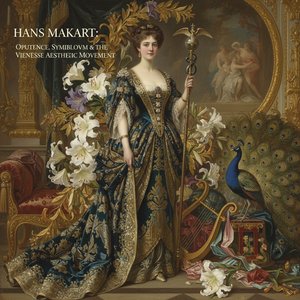
Hans Makart: Opulence, Symbolism & the Viennese Aesthetic Movement
Explore the opulent world of Hans Makart, a pivotal figure in Austrian art history. Discover his influence on Klimt & the Vienna Secession, signature style, and investment potential. Expert insights for collectors.
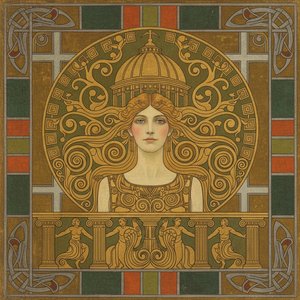
The Vienna Secession: A Rebellion of Form & Spirit in Fin-de-Siècle Art
Discover the revolutionary Vienna Secession art movement! Explore Klimt, Olbrich & more. Learn about its history, characteristics & lasting influence on modern art. High-quality reproductions available.
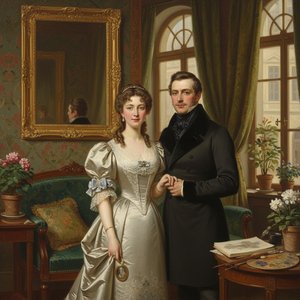
Friedrich von Amerling: Capturing Viennese Aristocracy & the Biedermeier Spirit
Explore the elegant portraits of Friedrich von Amerling, a master of Viennese Biedermeier art. Discover his life, style, and lasting influence on 19th-century Austrian painting. Find high-quality reproductions at ArtsDot.
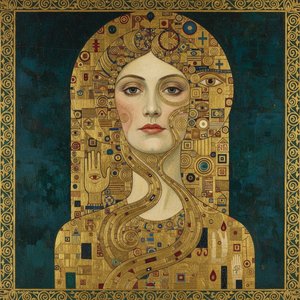
Gustav Klimt: A Golden Legacy of Sensuality & Symbolism in Viennese Art
Explore the captivating world of Gustav Klimt with ArtsDot. Discover his iconic paintings, the Vienna Secession movement, & enduring legacy. High-quality reproductions available.