

 Pregledaj u prostoru
 Pošalji
 Podeli
 Detalji o delu

 Преузми
 Slični predmeti
 Rendgenski snimak
 Slajdovi
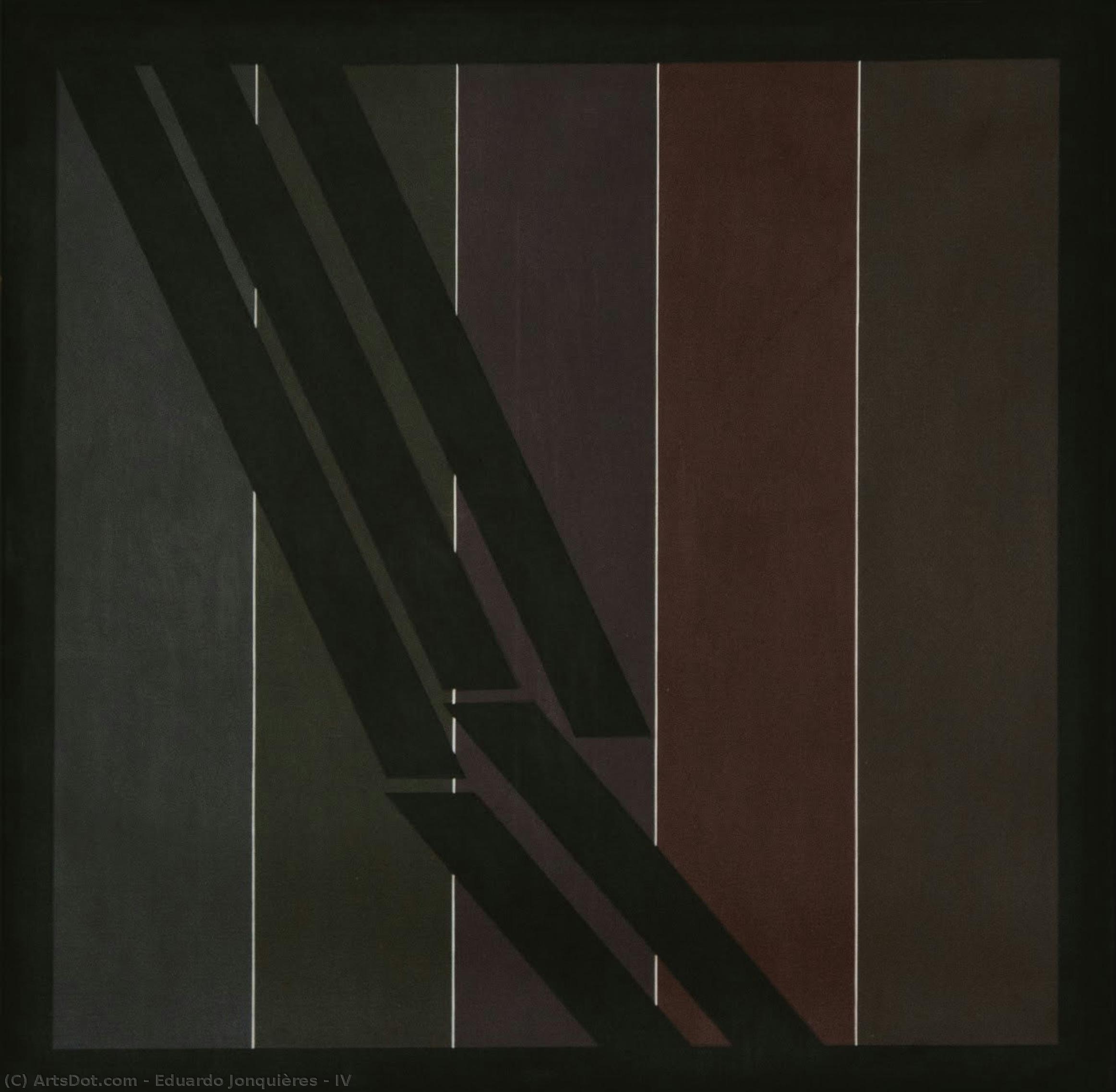
IV
 1984
1984 79.0 x 79.0 cm
 Museum of the Arts of the University of Guadalajara
 Pročitaj više
Kupite digitalnu sliku visoke rezolucije i poboljšanog kvaliteta, koja je znatno superiornija od onoga što vidite u online prikazu.
Svaka datoteka je pedantno pripremljena od strane naših stručnjaka koristeći napredne alate i profesionalnu ručnu retušu. Osiguravamo da svaka slika ima izuzetnu oštrinu, preciznu reprodukciju boja i fine detalje.
Konačna datoteka se dostavlja putem e-pošte u roku od 72 sata, optimizovana za neposrednu upotrebu u profesionalnim, izdavačkim i štamparskim okruženjima. To je isti kvalitet kojem veruju vrhunski studiji dizajna, izdavači i galerije.
Digitalna slika
Preuzmite datoteku visoke rezolucije za ličnu upotrebu, štampanje i kreativne projekte. ( Kupi print Kupi ručno naslikanu sliku)
Uključeno uz svaku porudžbinu digitalne slike
Profesionalna digitalna isporuka, zagarantovana
Kada odaberete ArtsDot.com, ne dobijate samo sliku – vi primate profesionalno unapređeno digitalno umetničko delo, izrađeno sa najvećom preciznošću i uz garanciju zadovoljstva. Evo svega što automatski dolazi uz vašu porudžbinu:

Brza dostava putem e-pošte
Vaša digitalna slika visoke rezolucije biće vam poslata putem e-pošte u roku od 72 sata od poručivanja – spremna za trenutnu upotrebu.

Digitalna datoteka unapređena veštačkom inteligencijom
Vaše umetničko delo je profesionalno optimizovano korišćenjem naprednih AI alata i ručne obrade, čime se osiguravaju maksimalni detalji, oštrina i preciznost boja.

Besplatna ponovna isporuka doživotno
Slučajno ste obrisali ili izgubili svoju datoteku? Ne brinite – poslaćemo vam je ponovo u bilo kom trenutku, potpuno besplatno.

Bez troškova uvoza – zauvek
Uživajte u svojim umetničkim delima trenutno, bez carine, dažbina ili troškova dostave – digitalni download je uvek bez poreza.

Garancija vernosti boja
Uz pomoć profesionalnih alata i upravljanja bojama, osiguravamo da vaša digitalna slika što vernije odražava originalne boje.

Garancija zadovoljstva od 100 dana
Ako niste zadovoljni svojom digitalnom slikom, izvršićemo reviziju ili ćemo vam vratiti 100% novca u roku od 100 dana – bez ikakvih pitanja.

100% garancija povrata novca
Niste zadovoljni? Dobijte puni povraćaj novca u roku od 100 dana od prijema digitalne datoteke – bez suvišnih pitanja.

Popusti na velike porudžbine
Kupite 3 slike, uštedite 10% - Kupite 5 slika, uštedite 15% - Kupite 10+ slika, uštedite 20%. Odlično za kreativne projekte, galerije i agencije.
Srodna umetnička dela
Biografija umetnika
Eduardo Jonquières: Architect of Concrete Color
Born in Buenos Aires, Argentina, in 1918, Eduardo Jonquières emerged as a pivotal figure in the landscape of Argentine modern art. His journey, marked by a profound engagement with European avant-garde movements and an innovative embrace of acrylic paint, ultimately established him as a key contributor to *Arte Concreto Invención* – a movement that fundamentally reshaped artistic expression within South America. Jonquières’s career spanned nearly eight decades, culminating in his death in 2000, leaving behind a legacy characterized by geometric precision, vibrant color palettes, and a fearless exploration of abstract form.
Jonquières' early artistic development was deeply influenced by the European avant-garde, particularly the principles espoused by the Bauhaus school. This exposure instilled within him a desire to move beyond traditional representational art, seeking instead new modes of visual communication. His initial works reflected this shift, characterized by geometric shapes and bold, often contrasting, colors – a direct response to the dynamism and experimentation prevalent in European artistic circles at the time. The influence of *pinturas elementales*, a movement emphasizing pure abstraction and industrial materials, is readily apparent in these formative pieces, laying the groundwork for his later explorations.
The Rise of Concrete Art and Acrylic Innovation
Jonquières’s most significant contribution lies within his involvement with *Arte Concreto Invención* – a movement that gained momentum in Argentina during the 1940s. This group, comprised of artists like Julio Payró and Carlos Evora, sought to break free from the constraints of traditional painting by embracing abstraction and utilizing unconventional materials. Jonquières’s adoption of acrylic paint proved particularly transformative. Unlike oil paints, which required extensive drying times, acrylic allowed for rapid layering and a heightened sense of immediacy in his compositions. This facilitated the creation of dynamic, layered surfaces that pulsed with energy and visual complexity.
The use of geometric forms remained central to Jonquières’s aesthetic, but it evolved beyond simple shapes into intricate networks and interlocking patterns. He wasn't merely constructing geometric figures; he was building spatial relationships, creating a sense of depth and movement within his canvases. His work became less about depicting objects and more about exploring the inherent qualities of form and color themselves – a core tenet of *Arte Concreto Invención*.
Notable Works and Recognition
Jonquières’s artistic achievements have been recognized through inclusion in prestigious collections, notably the Imperial College Healthcare Charity Art Collection at the Imperial College London. This collection provides a testament to the enduring value of his work and its significance within the broader context of 20th-century art. Furthermore, his paintings have graced the walls of museums across Argentina, including the Museo Nacional de Bellas Artes in Buenos Aires, ensuring that his vision continues to be accessible to a wide audience.
A particularly illuminating example of Jonquières’s early style can be found in “Painting by ‘Prilidiano Pueyrredón,’” a work that demonstrates the influence of European avant-garde principles on his nascent artistic practice. Comparisons with other Argentine artists, such as Oscar Agustín Alejandro Schulz Solari and even Pablo Sináí, reveal shared explorations of new modes of expression, albeit each artist forging their own unique path within the broader movement.
A Lasting Legacy
Eduardo Jonquières’s death in 2000 marked the end of an era for Argentine art. However, his innovative use of acrylic paint and his pioneering role in *Arte Concreto Invención* cemented his place as a vital figure in the country's artistic history. His work continues to be studied and appreciated for its bold experimentation, its vibrant color palettes, and its profound engagement with the principles of abstraction. Jonquières’s legacy extends beyond individual artworks; it represents a pivotal moment in Argentine art – a conscious rejection of tradition and an embrace of a new, dynamic visual language.

eduardo jonquières
1918 - 2000 , Argentina
Kratke činjenice
- Artistic Movement Or Style: Concrete art & Acrylic
- Artists Or Movements Influenced By This Artist: ['Pablo Siná']
- Artists Who Influenced This Artist: ['Bauhaus School']
- Date Of Birth: 1918
- Date Of Death: 2000
- Full Name: Eduardo Jonquières
- Nationality: Argentinian
- Notable Artworks: ['Prilidiano Pueyrredón']
- Place Of Birth: Buenos Aires, Argentina