

 Pregledaj u prostoru
 Pošalji
 Podeli
 Detalji o delu

 Преузми
 Slični predmeti
 Rendgenski snimak
 Slajdovi
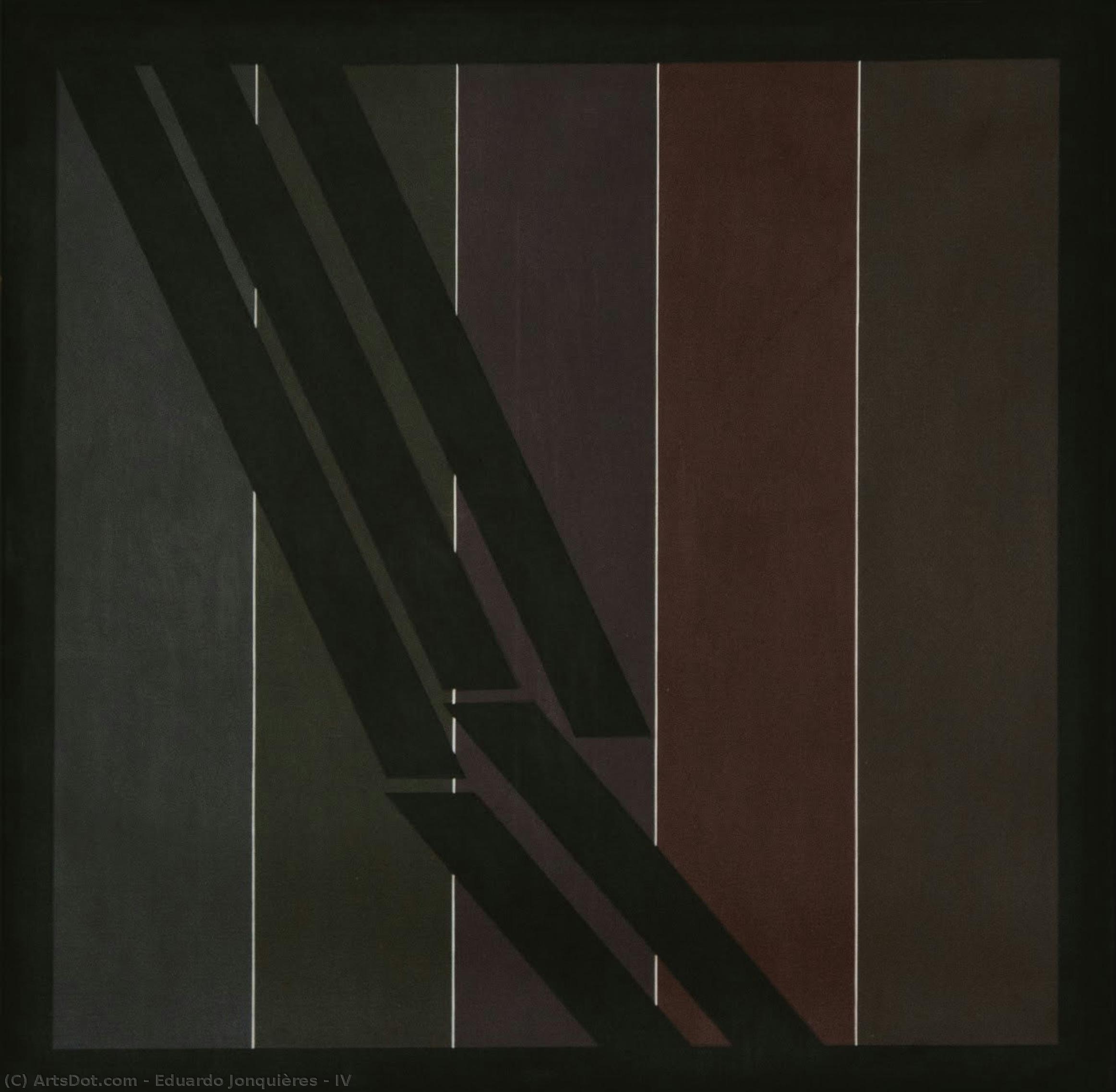
IV
 1984
1984 79.0 x 79.0 cm
 Museum of the Arts of the University of Guadalajara
 Pročitaj više
Giclee štampa / Umetnički otisak
Giclée štampa ili print na platnu muzejskog kvaliteta uz brzu proizvodnju i fleksibilne opcije završne obrade. ( Kupi ručno naslikanu sliku Kupi digitalnu sliku)




































Izaberite jednu od naših unapred definisanih veličina koje odgovaraju originalnim proporcijama umetničkog dela.

Možete uneti sopstvene dimenzije kako biste umetničko delo prilagodili specifičnom okviru ili prostoru. Ako odabrani format ne odgovara proporcijama originalne slike, mi ćemo ili iscrtati deo dela ili proširiti sliku pomoću ogledane ivice ili jednobojnog popunjavanja. Digitalni prikaz će vam biti poslat na odobrenje pre početka proizvodnje.
Imajte na umu da pregled na ekranu ne odražava stvarno iscrtavanje ili proširivanje. Samo će prikaz (mockup) precizno pokazati finalnu kompoziciju.
Iako su prilagođene dimenzije dostupne, preporučujemo da odaberete dimenziju sa unapred definisane liste kako biste očuvali originalne proporcije.
Dostava širom sveta () za 2 nedelje umesto uobičajenih 4/5 nedelja. (7 септембар)

Besplatna ekspresna dostava širom sveta

Visokokvalitetno laneno platno

Kompletno osiguranje transporta

Garancija povraćaja carine i uvoznih dažbina

Garancija vernosti boja

Politika povraćaja u roku od 100 dana (isključivo u slučaju nedostataka)

Garancija povrata novca od 100%

Popust pri grupnoj kupovini
 Opcija sa staklom dostupna je samo za dimenzije manje od 110 cm

IV
Giclee štampa / Umetnički otisak
Dimenzije reprodukcije
-


Konačna cena
$ 62
Srodna umetnička dela
Biografija umetnika
Eduardo Jonquières: Architect of Concrete Color
Born in Buenos Aires, Argentina, in 1918, Eduardo Jonquières emerged as a pivotal figure in the landscape of Argentine modern art. His journey, marked by a profound engagement with European avant-garde movements and an innovative embrace of acrylic paint, ultimately established him as a key contributor to *Arte Concreto Invención* – a movement that fundamentally reshaped artistic expression within South America. Jonquières’s career spanned nearly eight decades, culminating in his death in 2000, leaving behind a legacy characterized by geometric precision, vibrant color palettes, and a fearless exploration of abstract form.
Jonquières' early artistic development was deeply influenced by the European avant-garde, particularly the principles espoused by the Bauhaus school. This exposure instilled within him a desire to move beyond traditional representational art, seeking instead new modes of visual communication. His initial works reflected this shift, characterized by geometric shapes and bold, often contrasting, colors – a direct response to the dynamism and experimentation prevalent in European artistic circles at the time. The influence of *pinturas elementales*, a movement emphasizing pure abstraction and industrial materials, is readily apparent in these formative pieces, laying the groundwork for his later explorations.
The Rise of Concrete Art and Acrylic Innovation
Jonquières’s most significant contribution lies within his involvement with *Arte Concreto Invención* – a movement that gained momentum in Argentina during the 1940s. This group, comprised of artists like Julio Payró and Carlos Evora, sought to break free from the constraints of traditional painting by embracing abstraction and utilizing unconventional materials. Jonquières’s adoption of acrylic paint proved particularly transformative. Unlike oil paints, which required extensive drying times, acrylic allowed for rapid layering and a heightened sense of immediacy in his compositions. This facilitated the creation of dynamic, layered surfaces that pulsed with energy and visual complexity.
The use of geometric forms remained central to Jonquières’s aesthetic, but it evolved beyond simple shapes into intricate networks and interlocking patterns. He wasn't merely constructing geometric figures; he was building spatial relationships, creating a sense of depth and movement within his canvases. His work became less about depicting objects and more about exploring the inherent qualities of form and color themselves – a core tenet of *Arte Concreto Invención*.
Notable Works and Recognition
Jonquières’s artistic achievements have been recognized through inclusion in prestigious collections, notably the Imperial College Healthcare Charity Art Collection at the Imperial College London. This collection provides a testament to the enduring value of his work and its significance within the broader context of 20th-century art. Furthermore, his paintings have graced the walls of museums across Argentina, including the Museo Nacional de Bellas Artes in Buenos Aires, ensuring that his vision continues to be accessible to a wide audience.
A particularly illuminating example of Jonquières’s early style can be found in “Painting by ‘Prilidiano Pueyrredón,’” a work that demonstrates the influence of European avant-garde principles on his nascent artistic practice. Comparisons with other Argentine artists, such as Oscar Agustín Alejandro Schulz Solari and even Pablo Sináí, reveal shared explorations of new modes of expression, albeit each artist forging their own unique path within the broader movement.
A Lasting Legacy
Eduardo Jonquières’s death in 2000 marked the end of an era for Argentine art. However, his innovative use of acrylic paint and his pioneering role in *Arte Concreto Invención* cemented his place as a vital figure in the country's artistic history. His work continues to be studied and appreciated for its bold experimentation, its vibrant color palettes, and its profound engagement with the principles of abstraction. Jonquières’s legacy extends beyond individual artworks; it represents a pivotal moment in Argentine art – a conscious rejection of tradition and an embrace of a new, dynamic visual language.

eduardo jonquières
1918 - 2000 , Argentina
Osnovne informacije
- Artistic Movement Or Style: Concrete art & Acrylic
- Artists Or Movements Influenced By This Artist: ['Pablo Siná']
- Artists Who Influenced This Artist: ['Bauhaus School']
- Date Of Birth: 1918
- Date Of Death: 2000
- Full Name: Eduardo Jonquières
- Nationality: Argentinian
- Notable Artworks: ['Prilidiano Pueyrredón']
- Place Of Birth: Buenos Aires, Argentina