

 Pregledaj u prostoru
 Pošalji
 Podeli
 Detalji o delu

 Преузми
 Slični predmeti
 Rendgenski snimak
 Slajdovi
 Statistika
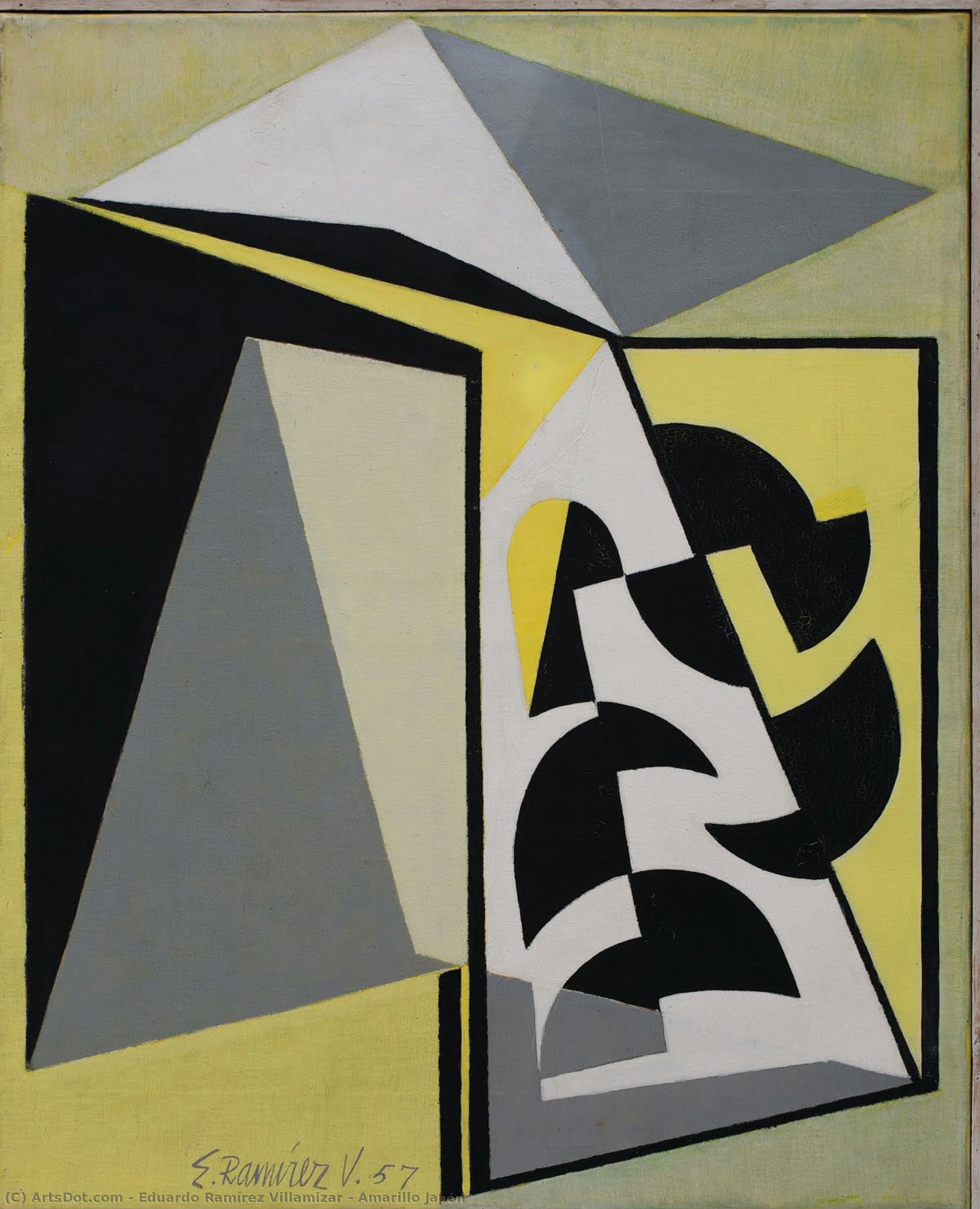
Amarillo Japón
 Acrylic On Canvas
- WallArt
- Geometric Abstraction
 1957
1957 60.0 x 50.0 cm
 Centro Cultural Banco do Brasil Rio de Janeiro
 Pročitaj više
Giclee štampa / Umetnički otisak
Giclée štampa ili print na platnu muzejskog kvaliteta uz brzu proizvodnju i fleksibilne opcije završne obrade. ( Kupi ručno naslikanu sliku Pređi na digitalnu sliku)




P118B $10

P118H $10

P118W $10

P438Z $10

P508JH $12

P508YH $12

P805H $10

P805Z $10

P919BZ $10

P919G $10

P919XJ $10

P959ZH $10

P968JZ $12

W106C $8

W218G $10

W218JH $8

W218Y $10

W307PJ $10

W316G $10

W316PJ $8

W316Y $10

W398PJ $8

W4111J $10

W500HY $15

W500JH $15

W692G $12

W849H $8

W940BG $15

W953PJ $8




Izaberite jednu od naših unapred definisanih veličina koje odgovaraju originalnim proporcijama umetničkog dela.

Možete uneti sopstvene dimenzije kako biste umetničko delo prilagodili specifičnom okviru ili prostoru. Ako odabrani format ne odgovara proporcijama originalne slike, mi ćemo ili iscrtati deo dela ili proširiti sliku pomoću ogledane ivice ili jednobojnog popunjavanja. Digitalni prikaz će vam biti poslat na odobrenje pre početka proizvodnje.
Imajte na umu da pregled na ekranu ne odražava stvarno iscrtavanje ili proširivanje. Samo će prikaz (mockup) precizno pokazati finalnu kompoziciju.
Iako su prilagođene dimenzije dostupne, preporučujemo da odaberete dimenziju sa unapred definisane liste kako biste očuvali originalne proporcije.
Dostava širom sveta () za 2 nedelje umesto uobičajenih 4/5 nedelja. (8 септембар)

Besplatna ekspresna dostava širom sveta

Visokokvalitetno laneno platno

Kompletno osiguranje transporta

Garancija povraćaja carine i uvoznih dažbina

Garancija vernosti boja

Politika povraćaja u roku od 100 dana (isključivo u slučaju nedostataka)

Garancija povrata novca od 100%

Popust pri grupnoj kupovini
 Opcija sa staklom dostupna je samo za dimenzije manje od 110 cm

Amarillo Japón
Giclee štampa / Umetnički otisak
Dimenzije reprodukcije
-


Konačna cena
$ 62
Amarillo Japón: A Colombian Pioneer's Geometric Echoes
Eduardo Ramírez Villamizar’s “Amarillo Japón” (Yellow Japan), painted in 1957, is more than just a striking visual composition; it’s a profound meditation on form, color, and the enduring legacy of pre-Columbian culture. This vibrant oil painting, measuring 60 x 50 cm, resides within a pivotal period of artistic evolution in Colombia – a time when European avant-garde movements began to intertwine with indigenous traditions, forging a distinctly Latin American aesthetic.
At first glance, the artwork presents a deceptively simple arrangement: a bold, triangular yellow shape dominates the center, punctuated by a carefully considered hole. Surrounding this central element are secondary forms – a square and a circle – each rendered in muted tones that serve to both ground and elevate the primary motif. A subtle building is visible in the background, adding a layer of urban context to the otherwise abstract scene. However, beneath this apparent simplicity lies a complex interplay of geometric abstraction, influenced heavily by the principles of Constructivism and the pioneering work of Victor Vasarely.
The Influence of European Abstraction
Ramírez Villamizar’s journey toward geometric abstraction began in the early 1950s, fueled by extended stays in Paris. During these formative years, he immersed himself in the ateliers of Jean Dewasne and Edgard Pillet at the Atelier d’Art Abstrait, a hub for European artists exploring non-representational forms. This exposure to Parisian avant-garde movements – particularly the work of Piet Mondrian and Kazimir Malevich – profoundly shaped his artistic vision. He sought to distill visual experience into its purest geometric elements, rejecting traditional notions of representation in favor of pure form and color.
Yet, Ramírez Villamizar’s abstraction wasn't merely a mimicry of European styles. He skillfully integrated these influences with the rich cultural heritage of Colombia. The triangular shape itself can be interpreted as an echo of Inca architecture and symbolism – a recurring motif in pre-Columbian art that represented mountains, sacred peaks, or even the cosmos. This deliberate connection to indigenous traditions is a defining characteristic of his work, demonstrating a desire to create art that was both internationally relevant and deeply rooted in Colombian identity.
A Reflection of Andean Heritage
Born in Pamplona, Norte de Santander, in 1922, Ramírez Villamizar’s early life was shaped by the economic hardships of the Great Depression. His father, a jeweler, instilled in him an appreciation for craftsmanship and visual aesthetics. Later, his time spent working with sculptor Édgar Negret in Popayán exposed him to Basque artist Jorge Oteiza, who introduced him to European avant-garde art through the lens of Basque culture. This encounter proved crucial, bridging the gap between European abstraction and Latin American artistic sensibilities.
The painting’s title, “Amarillo Japón,” hints at a deeper symbolic layer. The color yellow, often associated with gold and divinity in Andean cultures, further emphasizes this connection to pre-Columbian beliefs. The deliberate hole within the triangle can be seen as an invitation – a visual portal suggesting a journey into the unknown or a contemplation of the infinite.
A Legacy of Innovation
“Amarillo Japón” stands as a testament to Eduardo Ramírez Villamizar’s pioneering role in Colombian art. His work, characterized by bold colors, dynamic compositions, and a unique synthesis of geometric abstraction and cultural symbolism, continues to inspire artists today. Recognized for his contributions to the field, he received numerous accolades including the Order of Boyacá, the Medal of ColCultura, and the José Eusebio Caro Medal. His legacy is preserved in the Ramírez Villamizar Museum of Modern Art in Pamplona, a fitting tribute to a visionary artist who dared to redefine the boundaries of Colombian art.
Srodna umetnička dela
Biografija umetnika
Early Life and Education
- Born: August 27, 1922, Pamplona, Norte de Santander, Colombia
- Died: August 24, 2004, Bogotá, Colombia
- Parents: Adela Villamizar and Jesús Ramírez Castro
- Youngest of eleven children. His father was a jeweler, providing early exposure to craftsmanship and visual art.
- Family moved to Cúcuta in 1929 due to economic hardship during the Great Depression.
- Studied architecture at the National University of Colombia (1940-1943) before switching to painting in 1944.
- Significant influence from a seven-month stay in Popayán (1947) working with sculptor Édgar Negret, who introduced him to European avant-garde art through Basque artist Jorge Oteiza.
Artistic Development and Influences
- Early work showed expressionist influences of Rouault and Van Gogh.
- Transitioned to geometric abstraction in the early 1950s, influenced by visits to Paris (1950-52 and 1955-56).
- Studied at the Atelier d’Art Abstrait in Paris under Jean Dewasne and Edgard Pillet. Shared this space with notable artists like Jesús Rafael Soto and Alejandro Otero.
- Inspired by Victor Vasarely's work, embracing the idea that color, form, and geometry could express creation without representing reality.
- Trip to Machu Picchu, Peru, sparked a deep interest in Inca culture, which heavily influenced his Constructivist art.
Major Works and Artistic Style
- Custody: A notable metal artwork exemplifying his abstract and minimalist style.
- El Dorado: A mural commission for the Banco de Bogotá (1957) marked a shift towards three-dimensional sculpture, blending geometric abstraction with themes from pre-Columbian art and colonial architecture of Pamplona.
- His work is characterized by vibrant colors, bold brushstrokes, and a connection to nature and Colombian culture.
- Explored the relationship between geometric figures and space, evolving from painting to sculpture.
- Incorporated elements of pre-Columbian artifacts and traditional goldwork into his sculptures.
Recognition and Legacy
- Received the Order of Boyacá (1978), Colombia's highest peacetime decoration.
- Awarded the Medal of ColCultura and the José Eusebio Caro Medal (1979).
- The Ramírez Villamizar Museum of Modern Art in Pamplona was established in his honor (1990).
- Recognized with the Order of Francisco de Miranda from Venezuela (1993).
- Named Doctor Honoris Causa by the National University of Colombia (1993).
- Featured in a Google Doodle on August 27, 2019.
- Considered a pioneer of abstract, minimalist, and Constructivist art in Colombia and Latin America. His work continues to be exhibited and celebrated for its innovative blend of geometric abstraction and cultural heritage.
Historical Significance
- Played a crucial role in the development of modern art in Colombia and throughout Latin America.
- Bridged the gap between European avant-garde movements and Latin American artistic traditions.
- His exploration of pre-Columbian themes within a geometric framework influenced subsequent generations of artists.
- Demonstrated the potential for abstract art to engage with cultural identity and historical narratives.

eduardo ramírez villamizar
1922 - 2004 , Colombia
Osnovne informacije
- Artistic Movement Or Style:
- Abstract art
- Minimalist art
- Constructivist art
- Artists Who Influenced This Artist:
- Victor Vasarely
- Rouault
- Van Gogh
- Date Of Birth: August 27, 1922
- Date Of Death: August 24, 2004
- Full Name: Eduardo Ramírez Villamizar
- Nationality: Colombian
- Notable Artworks:
- Custody
- Amarillo Japón
- Place Of Birth: Pamplona, Colombia
Povezani članci
Beyond Form: Exploring the Philosophical Foundations of Geometric Abstraction
Explore the philosophical roots & artistic evolution of geometric abstraction with ArtsDot. Discover Mondrian, Malevich, De Stijl & more. Expert insights for collectors and art enthusiasts.

Top 10 dela geometrijske apstrakcije koje morate videti | ArtsDot.com
Istražite 10 remek-dela geometrijske apstrakcije – Mondrian, Malevič i Kandinski. Otkrijte priče iza ovih ikoničnih slika i pronađite inspiraciju za dekoraciju enterijera sa ArtsDot.com! Reprodukcije vrhunskog kvaliteta.
Kandinsky's Masterpieces: 25 Paintings That Define Abstract Art | ArtsDot
Journey through Wassily Kandinsky's 25 most iconic abstract paintings. Explore his revolutionary use of color, form & spiritual expressionism. Find museum-quality Kandinsky reproductions and elevate your home decor with ArtsDot.com. Discover all masterpieces on ArtsDot.com!
Beyond Form & Color: Geometric Abstraction's Enduring Legacy in Art History
Explore the captivating world of geometric abstraction! Discover its origins, key artists like Malevich & Mondrian, and why this movement remains highly valued by art collectors today. Expert insights at ArtsDot.
Beyond Form & Color: Geometric Abstraction's Evolution in 20th/21st Century Art
Explore the evolution of geometric abstraction from Cubism to contemporary art. Discover key artists like Malevich & Mondrian, investment insights, and expert collecting advice at ArtsDot.