

 Pošalji
 Podeli
 Detalji o delu

 Преузми
 Slični predmeti
 Slajdovi
 Statistika
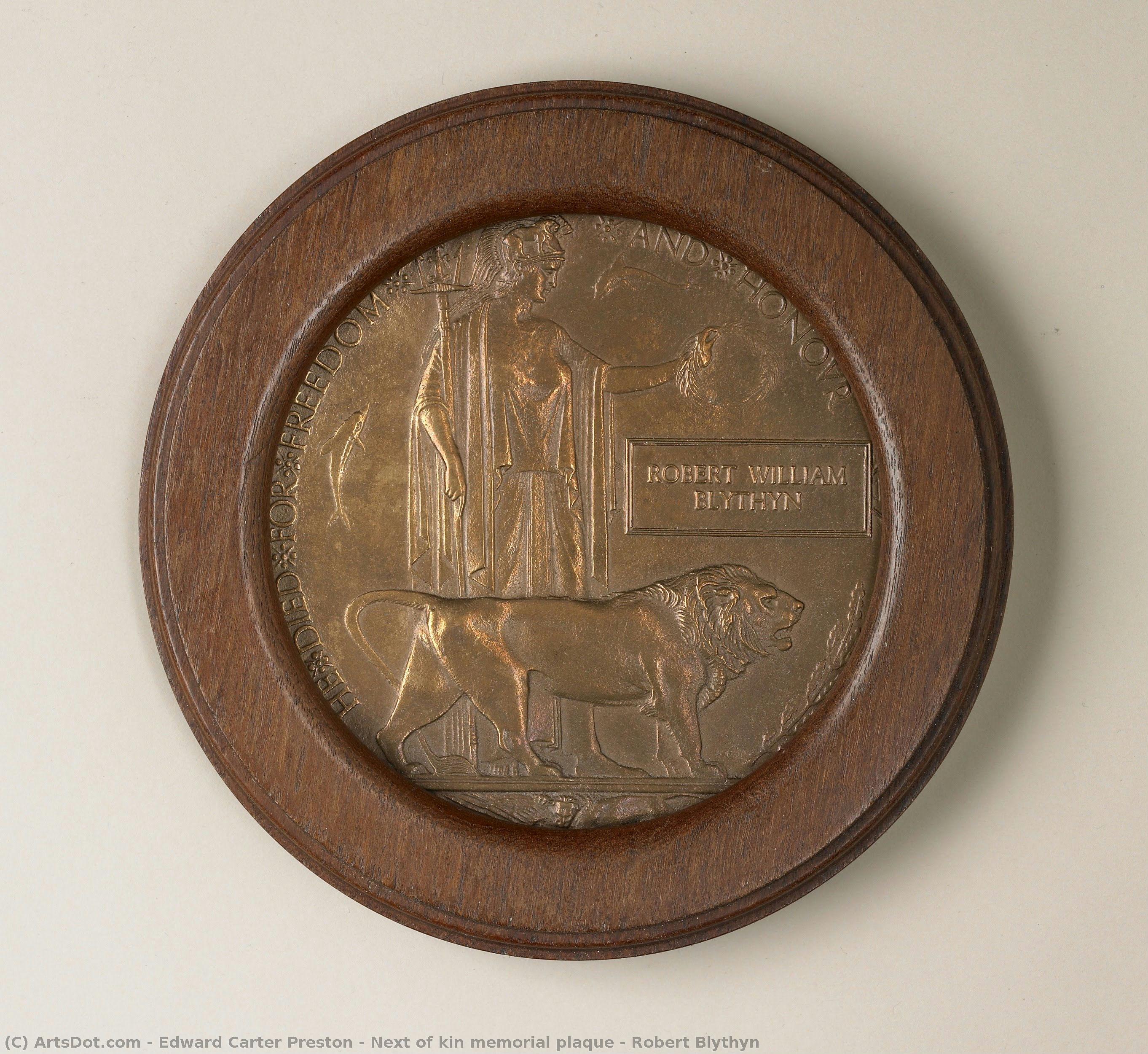
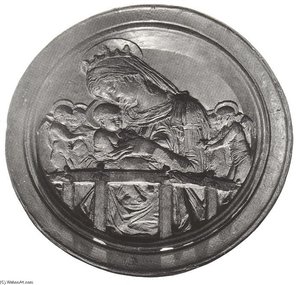
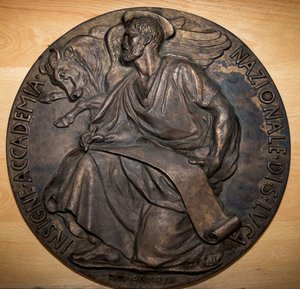
Next of kin memorial plaque - Robert Blythyn
 Bronze
- Sculpture
 19th Century
 2.0 x 16.0 cm
 National Museums Liverpool
 Pročitaj više
Kupite digitalnu sliku visoke rezolucije i poboljšanog kvaliteta, koja je znatno superiornija od onoga što vidite u online prikazu.
Svaka datoteka je pedantno pripremljena od strane naših stručnjaka koristeći napredne alate i profesionalnu ručnu retušu. Osiguravamo da svaka slika ima izuzetnu oštrinu, preciznu reprodukciju boja i fine detalje.
Konačna datoteka se dostavlja putem e-pošte u roku od 72 sata, optimizovana za neposrednu upotrebu u profesionalnim, izdavačkim i štamparskim okruženjima. To je isti kvalitet kojem veruju vrhunski studiji dizajna, izdavači i galerije.
Digitalna slika
Preuzmite datoteku visoke rezolucije za ličnu upotrebu, štampanje i kreativne projekte. ( Pređi na štampu Kupi ručno naslikanu sliku)
Uključeno uz svaku porudžbinu digitalne slike
Profesionalna digitalna isporuka, zagarantovana
Kada odaberete ArtsDot.com, ne dobijate samo sliku – vi primate profesionalno unapređeno digitalno umetničko delo, izrađeno sa najvećom preciznošću i uz garanciju zadovoljstva. Evo svega što automatski dolazi uz vašu porudžbinu:

Brza dostava putem e-pošte
Vaša digitalna slika visoke rezolucije biće vam poslata putem e-pošte u roku od 72 sata od poručivanja – spremna za trenutnu upotrebu.

Digitalna datoteka unapređena veštačkom inteligencijom
Vaše umetničko delo je profesionalno optimizovano korišćenjem naprednih AI alata i ručne obrade, čime se osiguravaju maksimalni detalji, oštrina i preciznost boja.

Besplatna ponovna isporuka doživotno
Slučajno ste obrisali ili izgubili svoju datoteku? Ne brinite – poslaćemo vam je ponovo u bilo kom trenutku, potpuno besplatno.

Bez troškova uvoza – zauvek
Uživajte u svojim umetničkim delima trenutno, bez carine, dažbina ili troškova dostave – digitalni download je uvek bez poreza.

Garancija vernosti boja
Uz pomoć profesionalnih alata i upravljanja bojama, osiguravamo da vaša digitalna slika što vernije odražava originalne boje.

Garancija zadovoljstva od 100 dana
Ako niste zadovoljni svojom digitalnom slikom, izvršićemo reviziju ili ćemo vam vratiti 100% novca u roku od 100 dana – bez ikakvih pitanja.

100% garancija povrata novca
Niste zadovoljni? Dobijte puni povraćaj novca u roku od 100 dana od prijema digitalne datoteke – bez suvišnih pitanja.

Popusti na velike porudžbine
Kupite 3 slike, uštedite 10% - Kupite 5 slika, uštedite 15% - Kupite 10+ slika, uštedite 20%. Odlično za kreativne projekte, galerije i agencije.
A Poignant Tribute in Bronze and Memory
In the quiet intersection of personal tragedy and historical grandeur lies the Next of Kin Memorial Plaque for Robert Blythyn, a piece that transcends mere ornamentation to become a vessel of profound remembrance. Created by the artist Edward Carter Preston, this exquisite memorial serves as a somber yet beautiful tribute to a life lost amidst the waves of history. The plaque commemorates Robert Blythyn, a Smokeroom Steward aboard the ill-fated Lusitania, whose disappearance during the sinking remains etched in the annals of the First World War. This is not merely an object of art; it is a tangible connection to the "brave souls" who made the ultimate sacrifice, designed to provide grieving families with a physical fragment of a loved one they could hold onto when all else was lost to the sea.
The visual narrative captured within this bronze medium is deeply intimate. At its heart, the painting depicts a man and his faithful canine companion, both gazing toward the viewer with an arresting presence. The man, adorned in a period-appropriate hat, shares a silent, soulful moment with his dog, whose head is lifted in an expression of alert dignity. This central duo provides an emotional anchor for the piece, surrounded by a soft, atmospheric background where other figures engage in the quiet rhythms of daily life. Through this composition, Preston masterfully blends the individual's personal identity with the broader tapestry of human existence, creating a scene that feels both fleeting and eternal.
Mastery of Texture and Historical Resonance
Technically, the plaque is a triumph of miniature storytelling. The use of bronze allows for a rich, tactile depth that captures the play of light across the figures, lending a lifelike quality to the painted elements. The way the metal interacts with the pigments creates a sense of permanence, as if the memory of Robert Blythyn is being shielded from the erosion of time itself. The mounting of the plaque within an elegant wooden frame further elevates its status, transforming a commemorative token into a sophisticated work of fine art suitable for the most discerning collections.
For collectors and interior designers, this piece offers more than just aesthetic value; it offers a conversation. It possesses a unique historical weight that can serve as a focal point in a study, a library, or a curated gallery space. The subtle interplay between the heavy, enduring nature of the bronze and the delicate, emotive brushwork invites viewers to contemplate themes of loss, loyalty, and the enduring legacy of heroism. To possess a reproduction of such a piece is to invite a sense of historical gravity and soulful storytelling into one's environment, making it an incomparable choice for those who seek art that speaks to the very core of the human experience.
Srodna umetnička dela

Biografija umetnika
Robert Delaunay: A Pioneer of Color and Light
Born in Paris on April 12, 1885, Robert Delaunay emerged as a pivotal figure within the vibrant tapestry of early 20th-century art. His journey began not with formal artistic training but through an apprenticeship with a theatrical designer, a formative experience that instilled in him a deep appreciation for composition and visual storytelling. This initial foray into design laid the groundwork for his later explorations of abstraction, color theory, and geometric forms – elements that would ultimately define his unique contribution to the burgeoning world of modern art.
Influenced by the Impressionists and particularly by Neo-Impressionism, Delaunay’s early work demonstrated a fascination with capturing fleeting moments of light and color. However, it was his marriage to Sonia Delaunay in 1910 that proved to be a catalyst for a radical transformation in his artistic practice. Together, they embarked on an ambitious project – the creation of “Orphism,” a movement characterized by its bold use of primary colors, dynamic compositions, and a deliberate rejection of traditional perspective. This wasn’t merely about depicting reality; it was about expressing pure emotion and sensation through color itself.
The core tenets of Orphism revolved around the concept of “simultanism,” which sought to represent multiple viewpoints simultaneously on a single canvas. Delaunay and Sonia experimented with layering colors, creating vibrant, pulsating surfaces that seemed to vibrate with energy. Their work moved beyond mere representation, delving into the realm of pure abstraction – a daring departure from established artistic conventions. This experimentation was further fueled by their exposure to Cubism and the influence of artists like Matisse and Picasso, though they ultimately forged their own distinct path.
The Rise of Orphism and Early Innovations
Delaunay’s early exhibitions, particularly at the Salon des Indépendants in 1912, marked a significant turning point in his career. His paintings, such as “Saint-Séverin” (1910-13) and “The Eiffel Tower” (1913), showcased his innovative approach to color and composition, immediately attracting attention from the avant-garde art community. These works weren’t simply depictions of familiar subjects; they were explorations of light, space, and emotion conveyed through a carefully orchestrated interplay of hues.
The couple's collaboration extended beyond painting, encompassing textile design, furniture creation, and architectural decoration. They established the “Omega Workshops” alongside Roger Fry and other artists, producing innovative designs for various projects – a testament to their belief in the integration of art into everyday life. This period saw them experimenting with large-scale panels and colored reliefs, often incorporating geometric shapes and vibrant color fields.
A crucial development during this time was Delaunay’s exploration of “circular forms,” which he began to develop around 1912. These abstract compositions, characterized by concentric circles and radiating lines, represented a shift towards pure abstraction and a focus on the dynamic relationships between colors and shapes. His work during World War I reflected a sense of urgency and dynamism, mirroring the tumultuous events unfolding in Europe.
Mature Style and Later Works
Following the war, Delaunay’s style evolved further, incorporating elements of Simultanism and exploring new ways to represent space and movement. He continued to work with large-scale panels and reliefs, often employing assistants to help him execute his ambitious designs. His paintings from the 1930s and 40s are characterized by a sense of rhythmic energy and a masterful control of color.
Notably, Delaunay’s involvement in the 1937 Paris International Exposition, where he created a stunning “Aeronautics” pavilion featuring large-scale colored panels, solidified his reputation as a leading figure in modern art. This project showcased his ability to translate abstract concepts into visually arresting and engaging installations.
Despite facing challenges during World War II, including the loss of his studio and many of his works, Delaunay continued to paint until his death in Montpellier on October 25, 1941. His legacy as a pioneer of color theory, abstraction, and Orphism remains firmly established, profoundly influencing generations of artists who followed.
Influence and Legacy
Robert Delaunay’s impact extends far beyond the immediate context of his time. His bold experimentation with color and form paved the way for later developments in abstract art, particularly within movements like Constructivism and Bauhaus. His emphasis on the expressive potential of color resonated deeply with artists seeking to move beyond representational painting.
Furthermore, Delaunay’s work demonstrated a remarkable synthesis of art and design, blurring the boundaries between different disciplines. His collaborations with Sonia Delaunay in textile design, furniture creation, and architectural decoration established a precedent for integrated artistic practices that continues to inspire artists today.
Today, Robert Delaunay's paintings are held in major museums around the world, including the Tate Gallery in London and the Museum of Modern Art in New York. His work stands as a testament to his innovative spirit, his unwavering commitment to experimentation, and his enduring contribution to the history of modern art.
edward carter preston
1885 - 1965 , United Kingdom
Kratke činjenice
- Artistic Movement Or Style: Orphism, Cubism
- Artists Or Movements Influenced By This Artist:
- Sonia Delaunay
- Simultanism
- Artists Who Influenced This Artist:
- Cézanne
- Matisse
- Date Of Birth: 1885-04-12
- Date Of Death: 1941-10-25
- Full Name: Robert Delaunay
- Nationality: French
- Notable Artworks:
- Endless Rhythm
- The Eiffel Tower
- Disc
- Place Of Birth: Paris, France