

 Pregledaj u prostoru
 Pošalji
 Podeli
 Detalji o delu

 Преузми
 Slični predmeti
 Rendgenski snimak
 Slajdovi
 Statistika
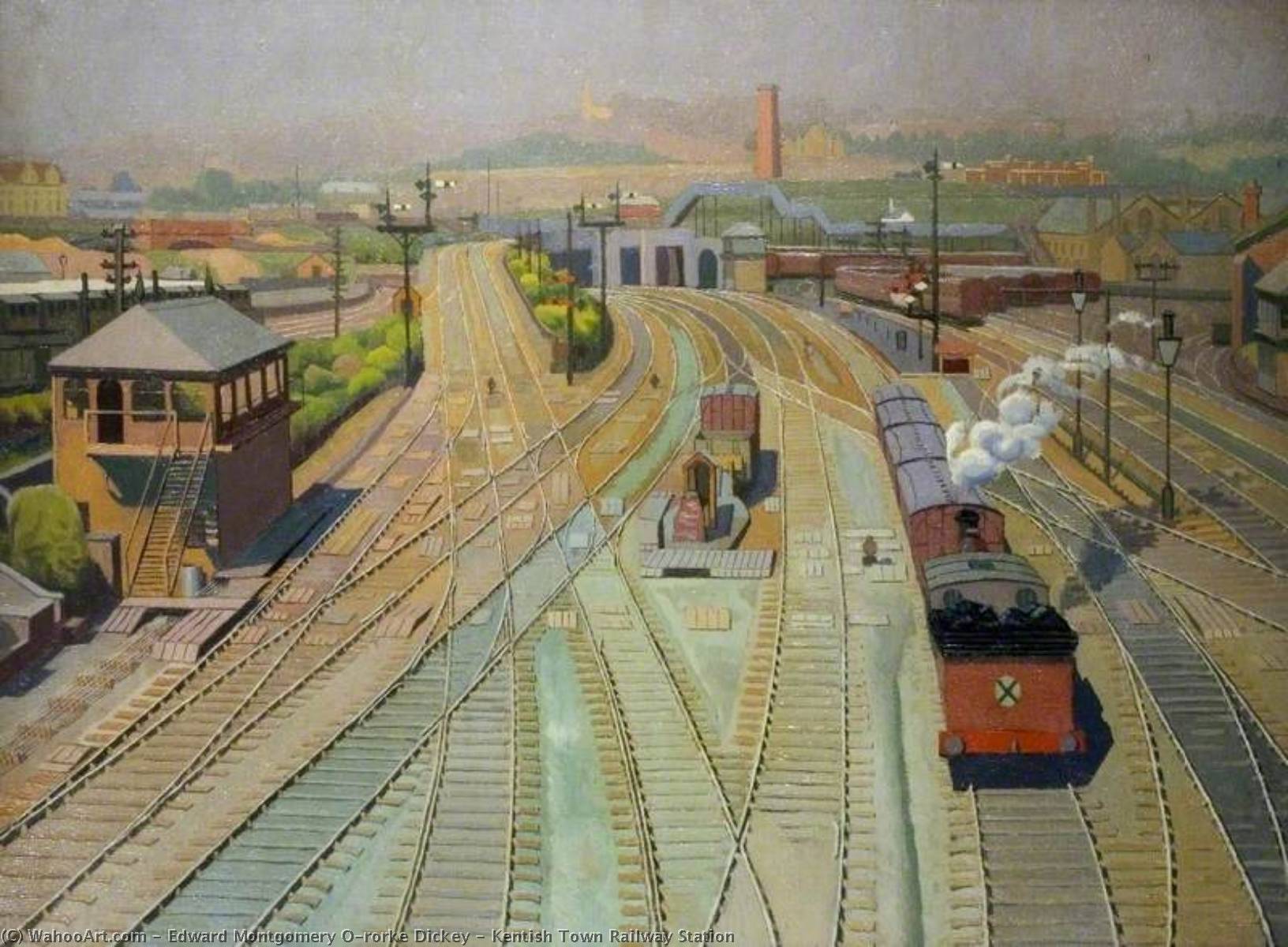
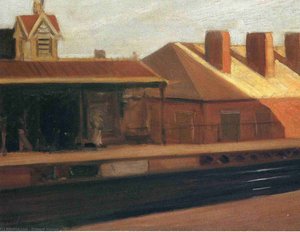
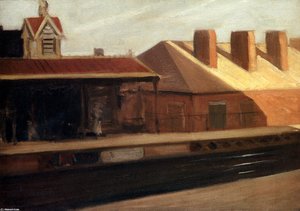
Kentish Town Railway Station
 Impressionism
 1919
1919 92.0 x 118.0 cm
 Pročitaj više
Ručno rađena uljana reprodukcija
Ručno oslikano uljanim bojama na platnu u dimenzijama i okviru po vašem izboru, izrađeno po porudžbini od strane naših umetnika. ( Pređi na štampu Pređi na digitalnu sliku)




































Izaberite jednu od naših unapred definisanih veličina koje odgovaraju originalnim proporcijama umetničkog dela.

Можете унети сопствене димензије како бисте прилагодили дело одређеном оквиру или простору. Ако одабрана величина не одговара пропорцијама оригинала, слика ће бити исечена или проширена додатним елементима који се ручно насликавају. Дигитални prikaz ће вам бити послат на одобрење пре почетка производње.
Имајте на уму да преглед на екрану не одражава стварно исецање или проширење. Само приказ (mockup) ће тачно приказати коначну композицију.
Иако су доступне прилагођене величине, препоручујемо да одаберете димензију из дефинисане листе како бисте сачували оригиналне пропорције.
Nakon narudžbine, tim ArtsDot.com će klijentu putem e-pošte poslati uputstva i dostaviti prikaz predloženog rešenja
Isporuka širom sveta () za 3/4 nedelje umesto uobičajenih 5 nedelja. (10 септембар). Bez kompromisa po pitanju kvaliteta.

Besplatna ekspresna dostava širom sveta

Visokokvalitetno laneno platno

Kompletno osiguranje transporta

Garancija povraćaja carine i uvoznih dažbina

Garancija vernosti boja

Politika povraćaja u roku od 100 dana (isključivo u slučaju nedostataka)

Garancija povrata novca od 100%

Popust pri grupnoj kupovini
 Opcija sa staklom dostupna je samo za dimenzije manje od 110 cm

Kentish Town Railway Station
Tehnika reprodukcije
Dimenzije reprodukcije
-


Konačna cena
$ 288
Artistic Style and Composition
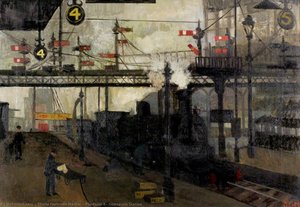
The painting captures a moment of transition and movement, with multiple trains on the tracks and people scattered throughout the area. A red train in the foreground dominates the scene, while other trains can be seen further back. The artist's use of color and light creates a sense of energy and activity, drawing the viewer into the bustling atmosphere of the railway station.Artist and Artistic Movement
Edward Montgomery O'rorke Dickey was a talented artist who contributed to the world of art with his unique style. His work can be compared to other notable artists, such as Pierre-Auguste Renoir, who created captivating pieces like Two Sisters (On the Terrace). To learn more about Renoir's artwork, visit /art/list/?Filter=9H5SD2-Pierre-Auguste-Renoir-Two-Sisters-(On-the-Terrace).- The painting is a great example of early 20th-century art, showcasing the Impressionist style.
- The use of oil on canvas creates a sense of depth and texture, adding to the overall visual appeal of the piece.
- The Kentish Town Railway Station painting is a valuable addition to the Hollytrees Museum collection, providing insight into the daily life of people during that era.
The Kentish Town Railway Station painting is a must-see for anyone interested in art, history, or transportation. Its unique blend of color, light, and composition makes it a captivating piece that continues to inspire and fascinate audiences today.
Srodna umetnička dela
Biografija umetnika
A Pioneer of Anglo-Saxon Art and Wood Engraving
Edward Montgomery O'Rorke Dickey, born July 1st, 1894, in Dublin, Ireland, emerged as a singular voice within the British art landscape of the early twentieth century. His artistic journey was profoundly shaped by his upbringing amidst the burgeoning Celtic Revival—a movement celebrating Irish heritage and folklore—which instilled in him an enduring fascination with ancient traditions and visual storytelling. This formative influence would become palpable throughout his oeuvre, informing both his meticulous wood engraving technique and his evocative oil paintings.- Early Life & Education: Dickey’s formal education commenced at Marlborough College, where he honed his artistic sensibilities alongside fellow pupils destined for prominent roles in British society. Subsequently, he pursued studies at Magdalene College Cambridge, specializing in Classics—a discipline that cultivated his analytical mind and instilled a deep appreciation for the intellectual rigor underpinning artistic expression.
- The Wood Engraving Craft: Dickey’s mastery of wood engraving distinguishes him as one of Britain's foremost practitioners. He embraced this medium with unwavering dedication, recognizing its capacity to convey intricate detail and tonal nuance—qualities paramount in capturing the spirit of historical subjects and literary texts. His process involved painstakingly preparing blocks of wood, meticulously transferring designs onto their surfaces, and applying pressure rollers to carve away unwanted material, resulting in stunningly precise prints.
Notable Works & Artistic Style
Dickey’s artistic style is characterized by a harmonious blend of realism and symbolic representation. He eschewed flamboyant ornamentation, favoring instead understated compositions that prioritized clarity of form and tonal harmony. His subjects—ranging from scenes depicting the Zulu War to depictions of Anglo-Saxon monasteries—were rendered with meticulous accuracy, capturing not merely physical appearances but also conveying psychological depth and emotional resonance. Recurring motifs—such as Celtic spirals and stylized landscapes—served as visual anchors, subtly reinforcing thematic concerns related to heritage, spirituality, and the passage of time.- The Zulu War Engravings: Dickey’s engravings documenting the Zulu War stand as testaments to his unwavering commitment to journalistic integrity and artistic excellence. He undertook extensive fieldwork, painstakingly sketching battle scenes and interviewing soldiers—a process that demanded both observational acuity and empathetic understanding. His prints powerfully conveyed the brutality of warfare while simultaneously honoring the courage and resilience of those involved.
- Monastery Studies: Dickey’s depictions of Anglo-Saxon monasteries exemplify his fascination with medieval spirituality and architectural grandeur. He meticulously researched monastic sites—examining ecclesiastical buildings, illuminated manuscripts, and liturgical rituals—to inform his artistic renderings. His paintings captured the solemn beauty of these sacred spaces, conveying a sense of timelessness and spiritual contemplation.
Influence & Legacy
Dickey’s influence extended far beyond the confines of the British art world. He served as an inspiring mentor to younger artists—particularly those pursuing studies in graphic design and illustration—encouraging them to embrace traditional techniques while simultaneously exploring innovative approaches to visual communication. His unwavering advocacy for artistic education fostered a generation of creatives committed to preserving cultural heritage and promoting aesthetic appreciation. Today, Dickey’s work continues to resonate with audiences worldwide, serving as a poignant reminder of the enduring power of art to illuminate history, inspire contemplation, and enrich human experience.Recognition & Artistic Achievements
Dickey received widespread acclaim for his artistic accomplishments—including numerous awards recognizing excellence in wood engraving and oil painting. He was honored by institutions such as the Royal Academy and the British Museum—organizations dedicated to safeguarding cultural treasures and fostering scholarly discourse. Furthermore, Dickey’s engravings were utilized extensively in educational publications—promoting visual literacy and cultivating an appreciation for Anglo-Saxon art history. His legacy endures as a beacon of artistic integrity and unwavering devotion to craftmanship.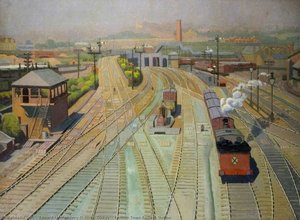
Osnovne informacije
- Artistic Movement Or Style: Wood Engraving
- Artists Or Movements Influenced By This Artist: ['Anglo-Saxon Art']
- Artists Who Influenced This Artist: ['Aubrey Beardsley']
- Date Of Birth: 1 July 1894
- Date Of Death: 12 August 1977
- Full Name: Edward Montgomery O'Rorke Dickey
- Nationality: Irish
- Notable Artworks:
- The Siege of Mafeking
- Rorkes Drift
- Place Of Birth: Dublin, Ireland
Povezani članci

Pierre-Auguste Renoir: 25 Remek-Dela Impresionizma za Vaš Dom | ArtsDot
Uronite u svet Pierre-Auguste Renoara! Otkrijte 25 remek-dela impresionizma, priče iza slika i tehničke detalje. Reprodukcije vrhunskog kvaliteta za vaš dom dostupne na ArtsDot.com. Istražite celu kolekciju online!
Impressionistic Realism's Finest: 10 Masterpieces for Your Home | ArtsDot
Journey through Impressionistic Realism with 10 iconic masterpieces by Monet, Renoir & Van Gogh. Explore art history, techniques & find museum-quality reproductions for your home at ArtsDot.com. Discover all masterpieces online!

Impresionistički pejzaži: 10 remek-dela koja su definisala umetnički pokret
Otkrijte 10 remek-dela impresionizma koja su zauvek obeležila pejzažnu umetnost! Monet, Renoar i Degas – istražite priče iza svake slike. Inspiracija za dekoraciju enterijera i vrhunske reprodukcije na ArtsDot.com. Istražite kolekciju online!

Claude Monet: 25 Remek-dela Impresionizma za Vaš Dom | ArtsDot
Uronite u svet Claudea Moneta sa 25 remek-dela impresionizma! Otkrijte priče iza poznatih slika, tehnike i inspiraciju. Reprodukcije vrhunskog kvaliteta za luksuzni dekor doma na ArtsDot.com.
Edward Hopper: 25 Remek-dela Američkog Realizma za Vaš Dom | ArtsDot
Istražite 25 ремек-дела Edward Hopper-a! Otkrijte приче иза његових најпознатијих слика, симболизма америчког реализма и уметничке технике. Купите висококвалитетне репродукције на ArtsDot.com.