 Pregledaj u prostoru
 Pošalji
 Podeli
 Detalji o delu

 Преузми
 Slični predmeti
 Rendgenski snimak
 Slajdovi
 Statistika
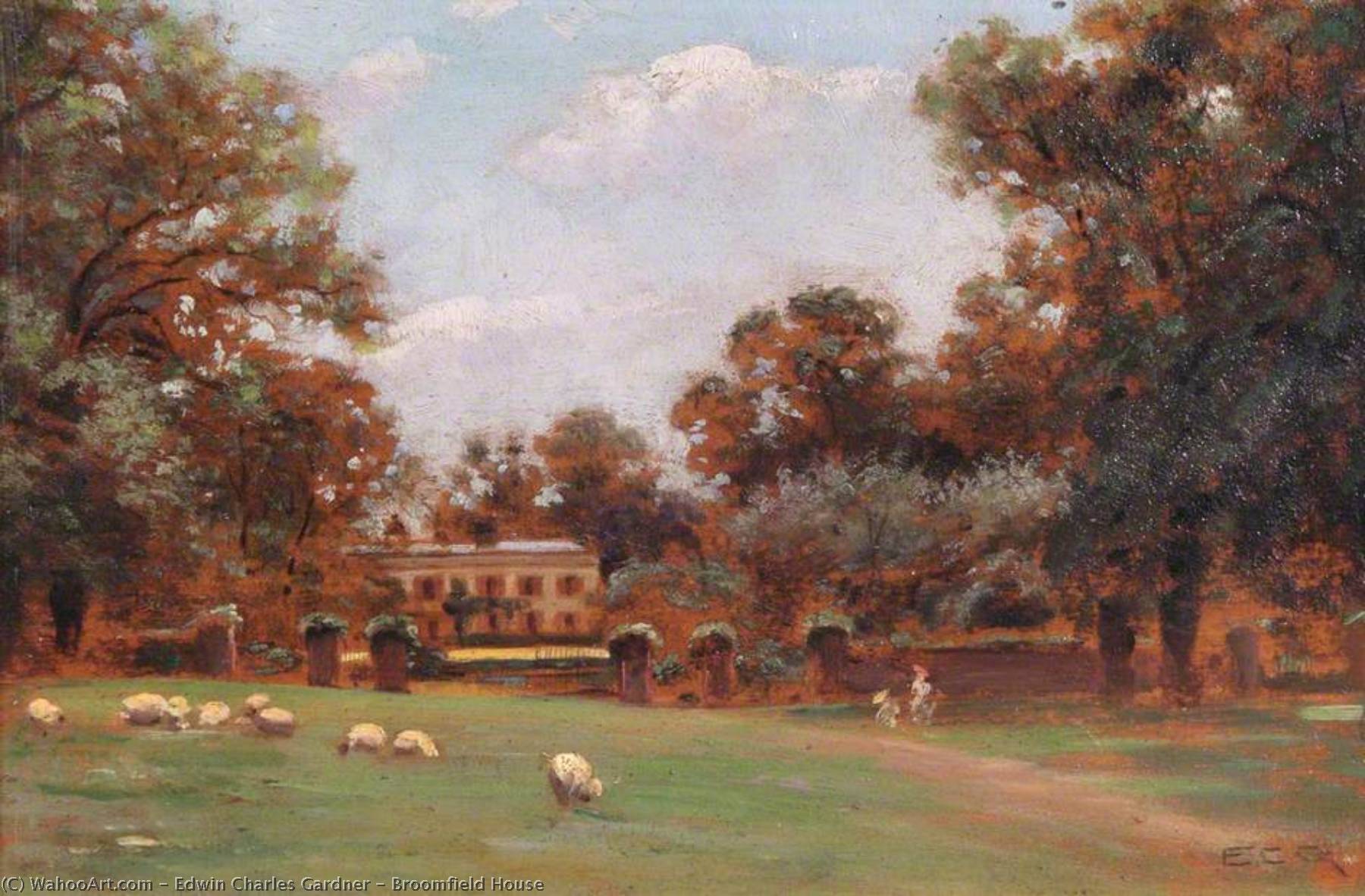
Broomfield House
 1903
1903 15.0 x 23.0 cm
 Enfield Museum Service
 Pročitaj više
Kupite digitalnu sliku visoke rezolucije i poboljšanog kvaliteta, koja je znatno superiornija od onoga što vidite u online prikazu.
Svaka datoteka je pedantno pripremljena od strane naših stručnjaka koristeći napredne alate i profesionalnu ručnu retušu. Osiguravamo da svaka slika ima izuzetnu oštrinu, preciznu reprodukciju boja i fine detalje.
Konačna datoteka se dostavlja putem e-pošte u roku od 72 sata, optimizovana za neposrednu upotrebu u profesionalnim, izdavačkim i štamparskim okruženjima. To je isti kvalitet kojem veruju vrhunski studiji dizajna, izdavači i galerije.
Digitalna slika
Preuzmite datoteku visoke rezolucije za ličnu upotrebu, štampanje i kreativne projekte. ( Pređi na štampu Kupi ručno naslikanu sliku)
Uključeno uz svaku porudžbinu digitalne slike
Profesionalna digitalna isporuka, zagarantovana
Kada odaberete ArtsDot.com, ne dobijate samo sliku – vi primate profesionalno unapređeno digitalno umetničko delo, izrađeno sa najvećom preciznošću i uz garanciju zadovoljstva. Evo svega što automatski dolazi uz vašu porudžbinu:

Brza dostava putem e-pošte
Vaša digitalna slika visoke rezolucije biće vam poslata putem e-pošte u roku od 72 sata od poručivanja – spremna za trenutnu upotrebu.

Digitalna datoteka unapređena veštačkom inteligencijom
Vaše umetničko delo je profesionalno optimizovano korišćenjem naprednih AI alata i ručne obrade, čime se osiguravaju maksimalni detalji, oštrina i preciznost boja.

Besplatna ponovna isporuka doživotno
Slučajno ste obrisali ili izgubili svoju datoteku? Ne brinite – poslaćemo vam je ponovo u bilo kom trenutku, potpuno besplatno.

Bez troškova uvoza – zauvek
Uživajte u svojim umetničkim delima trenutno, bez carine, dažbina ili troškova dostave – digitalni download je uvek bez poreza.

Garancija vernosti boja
Uz pomoć profesionalnih alata i upravljanja bojama, osiguravamo da vaša digitalna slika što vernije odražava originalne boje.

Garancija zadovoljstva od 100 dana
Ako niste zadovoljni svojom digitalnom slikom, izvršićemo reviziju ili ćemo vam vratiti 100% novca u roku od 100 dana – bez ikakvih pitanja.

100% garancija povrata novca
Niste zadovoljni? Dobijte puni povraćaj novca u roku od 100 dana od prijema digitalne datoteke – bez suvišnih pitanja.

Popusti na velike porudžbine
Kupite 3 slike, uštedite 10% - Kupite 5 slika, uštedite 15% - Kupite 10+ slika, uštedite 20%. Odlično za kreativne projekte, galerije i agencije.
Srodna umetnička dela










Biografija umetnika
A Quiet Observer of the American Landscape: Edwin Charles Gardner
Edwin Charles Gardner, a name perhaps less heralded than his contemporaries in the Hudson River School tradition, nevertheless occupies a significant place in the pantheon of American landscape painters. Born in 1831, Gardner’s life unfolded during a period of immense change and artistic ferment in the United States. While biographical details remain somewhat sparse, the enduring quality of his work speaks volumes about his dedication to capturing the subtle beauty of the natural world. He wasn't driven by dramatic spectacle or grandiose pronouncements; instead, Gardner found solace and inspiration in the quiet corners of rural life, particularly within the landscapes surrounding Broomfield Park, New Jersey. His paintings are not statements of conquest over nature, but rather intimate conversations with it—a gentle reverence for its enduring power and delicate details.Early Influences and Artistic Development
Gardner’s artistic journey began in an era deeply influenced by the Barbizon School of France and, more directly, the Hudson River School painters like Thomas Cole, Frederic Church, and Asher B. Durand. These artists championed a distinctly American style of landscape painting, emphasizing realism, atmospheric effects, and a sense of national identity rooted in the unspoiled wilderness. While specific details regarding Gardner’s formal training are limited, it is evident that he absorbed these influences, developing a technique characterized by meticulous brushwork and a keen eye for light and shadow. He eschewed the more theatrical compositions favored by some of his peers, opting instead for scenes of understated elegance and harmonious balance. His early works demonstrate a commitment to accurate representation, but also hint at a growing sensitivity to mood and atmosphere—qualities that would become hallmarks of his mature style.Broomfield Park: A Muse and a Masterpiece
The landscapes surrounding Broomfield Park in Essex County, New Jersey, became the central focus of Gardner’s artistic output. He didn't travel extensively seeking exotic vistas; instead, he immersed himself in the familiar beauty of his local surroundings. This dedication to a specific locale allowed him to develop an unparalleled understanding of its nuances—the changing seasons, the quality of light at different times of day, and the subtle variations in vegetation. His paintings of Broomfield Park are not merely depictions of a place; they are expressions of a deep emotional connection to it. “The Old Mill at Broomfield Park” (1903), for example, exemplifies his ability to imbue an ordinary scene with a sense of timeless tranquility. The composition is carefully balanced, the light softly diffused, and the details rendered with exquisite precision. It’s a painting that invites contemplation—a quiet moment of communion with nature.Technique and Style: A Legacy of Detail
Gardner's technique reflects his dedication to realism and atmospheric effects. He employed a layering approach, building up the composition gradually through thin washes of color and meticulous brushwork. His palette is typically subdued, favoring earth tones, greens, and blues—colors that evoke a sense of harmony and naturalism. He was particularly adept at capturing the play of light on water and foliage, creating a luminous quality that distinguishes his work. Unlike some of his contemporaries who emphasized dramatic skies or imposing mountains, Gardner focused on the smaller details—the texture of bark, the delicate patterns of leaves, the subtle reflections in a stream. This attention to detail is not merely an exercise in technical skill; it’s a reflection of his deep respect for the natural world and his desire to capture its beauty in all its complexity.Historical Significance and Enduring Appeal
While Gardner may not be as widely recognized as some of the more prominent figures of the Hudson River School, his work holds an important place in American art history. He represents a quieter, more introspective strand within the movement—a commitment to capturing the subtle beauty of everyday landscapes. His paintings offer a glimpse into a vanishing way of life, a time when rural America was still largely unspoiled and nature held a central place in people’s lives. Today, Gardner's work continues to resonate with viewers who appreciate his meticulous technique, his harmonious compositions, and his gentle reverence for the natural world.- His paintings provide valuable insights into the landscapes of New Jersey during the late 19th and early 20th centuries.
- Gardner’s dedication to a specific locale—Broomfield Park—demonstrates the power of place in shaping an artist's vision.
- His work serves as a reminder of the importance of preserving natural beauty for future generations.