

 Pregledaj u prostoru
 Pošalji
 Podeli
 Detalji o delu

 Преузми
 Slični predmeti
 Rendgenski snimak
 Slajdovi
 Statistika
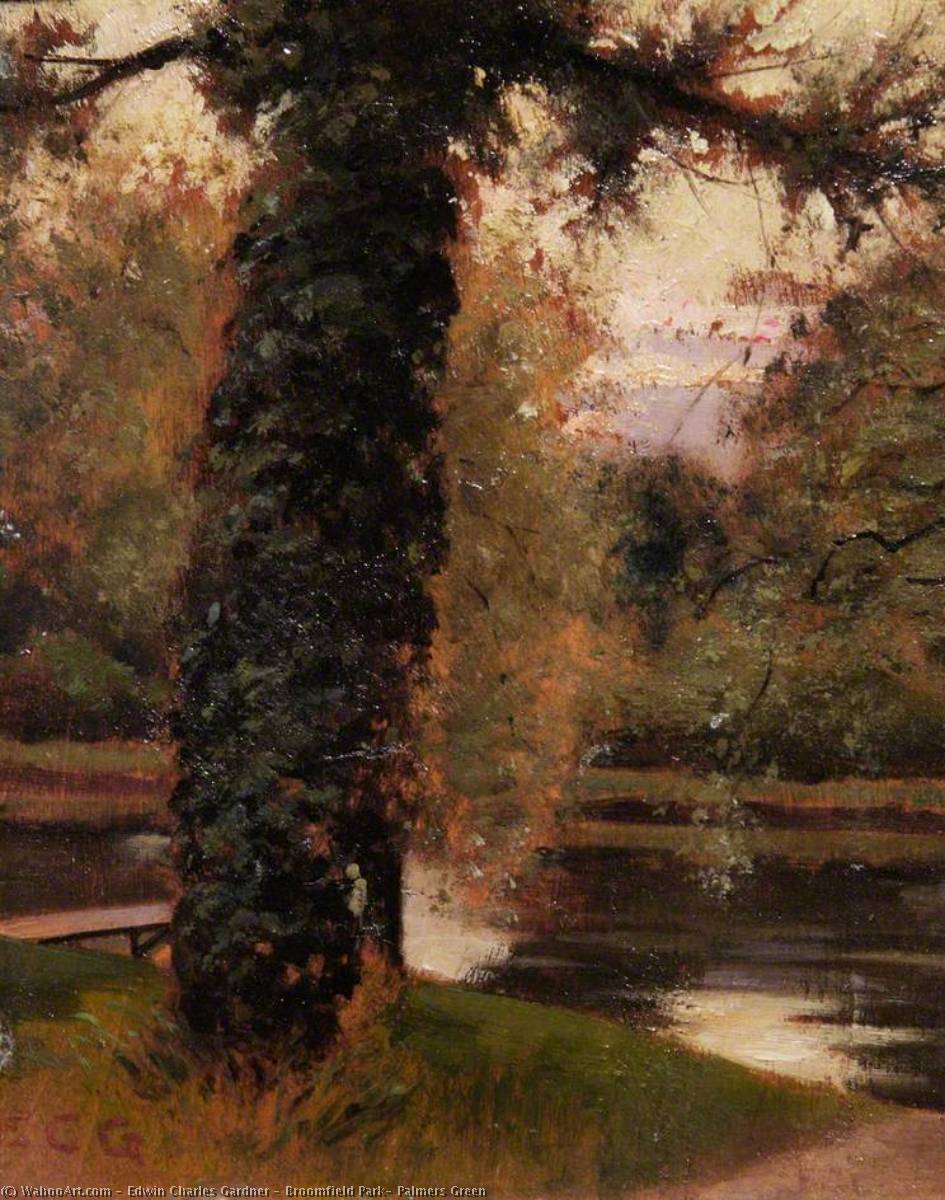
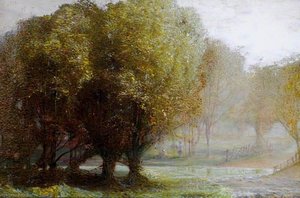
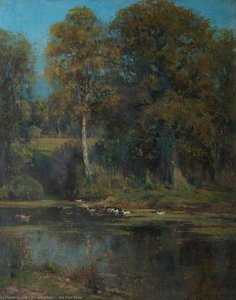
Broomfield Park, Palmers Green
 Impressionism
 1903
1903 12.0 x 10.0 cm
 Enfield Museum Service
 Pročitaj više
Giclee štampa / Umetnički otisak
Giclée štampa ili print na platnu muzejskog kvaliteta uz brzu proizvodnju i fleksibilne opcije završne obrade. ( Kupi ručno naslikanu sliku Pređi na digitalnu sliku)




P118B $10

P118H $10

P118W $10

P438Z $10

P508JH $12

P508YH $12

P805H $10

P805Z $10

P919BZ $10

P919G $10

P919XJ $10

P959ZH $10

P968JZ $12

W106C $8

W218G $10

W218JH $8

W218Y $10

W307PJ $10

W316G $10

W316PJ $8

W316Y $10

W398PJ $8

W4111J $10

W500HY $15

W500JH $15

W692G $12

W849H $8

W940BG $15

W953PJ $8




Izaberite jednu od naših unapred definisanih veličina koje odgovaraju originalnim proporcijama umetničkog dela.

Možete uneti sopstvene dimenzije kako biste umetničko delo prilagodili specifičnom okviru ili prostoru. Ako odabrani format ne odgovara proporcijama originalne slike, mi ćemo ili iscrtati deo dela ili proširiti sliku pomoću ogledane ivice ili jednobojnog popunjavanja. Digitalni prikaz će vam biti poslat na odobrenje pre početka proizvodnje.
Imajte na umu da pregled na ekranu ne odražava stvarno iscrtavanje ili proširivanje. Samo će prikaz (mockup) precizno pokazati finalnu kompoziciju.
Iako su prilagođene dimenzije dostupne, preporučujemo da odaberete dimenziju sa unapred definisane liste kako biste očuvali originalne proporcije.
Dostava širom sveta () za 2 nedelje umesto uobičajenih 4/5 nedelja. (8 септембар)

Besplatna ekspresna dostava širom sveta

Visokokvalitetno laneno platno

Kompletno osiguranje transporta

Garancija povraćaja carine i uvoznih dažbina

Garancija vernosti boja

Politika povraćaja u roku od 100 dana (isključivo u slučaju nedostataka)

Garancija povrata novca od 100%

Popust pri grupnoj kupovini
 Opcija sa staklom dostupna je samo za dimenzije manje od 110 cm

Broomfield Park, Palmers Green
Giclee štampa / Umetnički otisak
Dimenzije reprodukcije
-


Konačna cena
$ 62
Srodna umetnička dela

Biografija umetnika
A Quiet Observer of the American Landscape: Edwin Charles Gardner
Edwin Charles Gardner, a name perhaps less heralded than his contemporaries in the Hudson River School tradition, nevertheless occupies a significant place in the pantheon of American landscape painters. Born in 1831, Gardner’s life unfolded during a period of immense change and artistic ferment in the United States. While biographical details remain somewhat sparse, the enduring quality of his work speaks volumes about his dedication to capturing the subtle beauty of the natural world. He wasn't driven by dramatic spectacle or grandiose pronouncements; instead, Gardner found solace and inspiration in the quiet corners of rural life, particularly within the landscapes surrounding Broomfield Park, New Jersey. His paintings are not statements of conquest over nature, but rather intimate conversations with it—a gentle reverence for its enduring power and delicate details.Early Influences and Artistic Development
Gardner’s artistic journey began in an era deeply influenced by the Barbizon School of France and, more directly, the Hudson River School painters like Thomas Cole, Frederic Church, and Asher B. Durand. These artists championed a distinctly American style of landscape painting, emphasizing realism, atmospheric effects, and a sense of national identity rooted in the unspoiled wilderness. While specific details regarding Gardner’s formal training are limited, it is evident that he absorbed these influences, developing a technique characterized by meticulous brushwork and a keen eye for light and shadow. He eschewed the more theatrical compositions favored by some of his peers, opting instead for scenes of understated elegance and harmonious balance. His early works demonstrate a commitment to accurate representation, but also hint at a growing sensitivity to mood and atmosphere—qualities that would become hallmarks of his mature style.Broomfield Park: A Muse and a Masterpiece
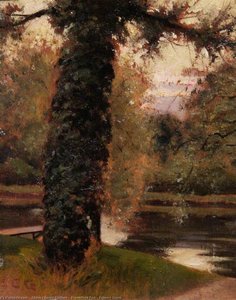
The landscapes surrounding Broomfield Park in Essex County, New Jersey, became the central focus of Gardner’s artistic output. He didn't travel extensively seeking exotic vistas; instead, he immersed himself in the familiar beauty of his local surroundings. This dedication to a specific locale allowed him to develop an unparalleled understanding of its nuances—the changing seasons, the quality of light at different times of day, and the subtle variations in vegetation. His paintings of Broomfield Park are not merely depictions of a place; they are expressions of a deep emotional connection to it. “The Old Mill at Broomfield Park” (1903), for example, exemplifies his ability to imbue an ordinary scene with a sense of timeless tranquility. The composition is carefully balanced, the light softly diffused, and the details rendered with exquisite precision. It’s a painting that invites contemplation—a quiet moment of communion with nature.Technique and Style: A Legacy of Detail
Gardner's technique reflects his dedication to realism and atmospheric effects. He employed a layering approach, building up the composition gradually through thin washes of color and meticulous brushwork. His palette is typically subdued, favoring earth tones, greens, and blues—colors that evoke a sense of harmony and naturalism. He was particularly adept at capturing the play of light on water and foliage, creating a luminous quality that distinguishes his work. Unlike some of his contemporaries who emphasized dramatic skies or imposing mountains, Gardner focused on the smaller details—the texture of bark, the delicate patterns of leaves, the subtle reflections in a stream. This attention to detail is not merely an exercise in technical skill; it’s a reflection of his deep respect for the natural world and his desire to capture its beauty in all its complexity.Historical Significance and Enduring Appeal
While Gardner may not be as widely recognized as some of the more prominent figures of the Hudson River School, his work holds an important place in American art history. He represents a quieter, more introspective strand within the movement—a commitment to capturing the subtle beauty of everyday landscapes. His paintings offer a glimpse into a vanishing way of life, a time when rural America was still largely unspoiled and nature held a central place in people’s lives. Today, Gardner's work continues to resonate with viewers who appreciate his meticulous technique, his harmonious compositions, and his gentle reverence for the natural world.- His paintings provide valuable insights into the landscapes of New Jersey during the late 19th and early 20th centuries.
- Gardner’s dedication to a specific locale—Broomfield Park—demonstrates the power of place in shaping an artist's vision.
- His work serves as a reminder of the importance of preserving natural beauty for future generations.
Povezani članci

Evocations of Place: A Historical Journey Through Landscape Art
Explore the rich history of landscape art with ArtsDot. Discover renowned artists, movements like Impressionism & Romanticism, and expert guidance for collecting timeless pieces. Find your perfect serene escape today!
Evocations of Place: A Historical Journey Through Landscape Art
Explore the rich history of landscape art with ArtsDot. Discover renowned artists, movements like Impressionism & tonalism, and expert guidance for collecting timeless pieces. Find your perfect serene escape today!

Glavna dela koja su definisala Romantični pejzaž: 10 remek-dela za vaš dom
Otkrijte 10 remek-dela romantičnog pejzažnog slikarstva! Uronite u svet Claude Lorraina, Caspara David Friedricha i Turnera. Ispričane priče umetnosti, inspiracija za dekoraciju doma. Kvalitetne reprodukcije na ArtsDot.com – istražite celu kolekciju online!
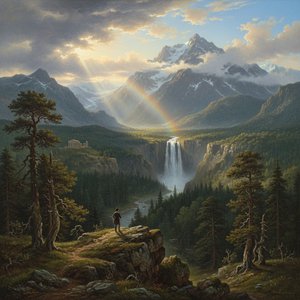
Evoking Nature's Sublime: A Comprehensive Exploration of 19th-Century Landscape Painting
Explore the captivating world of 19th-century landscape painting! Discover renowned artists like Friedrich & Monet, key movements, and find the perfect artwork to bring nature's serenity into your home. Expert insights at ArtsDot.

25 Remek-dela Džona Konstebla: Lepota Engleske na Platnu | ArtsDot
Uronite u svet Džona Konstebla! Otkrijte 25 remek-dela engleskog pejzaža, romantizma i seoske idile. Kupite reprodukcije slika vrhunskog kvaliteta za dekoraciju enterijera na ArtsDot.com.