

 Pregledaj u prostoru
 Pošalji
 Podeli
 Detalji o delu

 Преузми
 Slični predmeti
 Rendgenski snimak
 Slajdovi
 Statistika
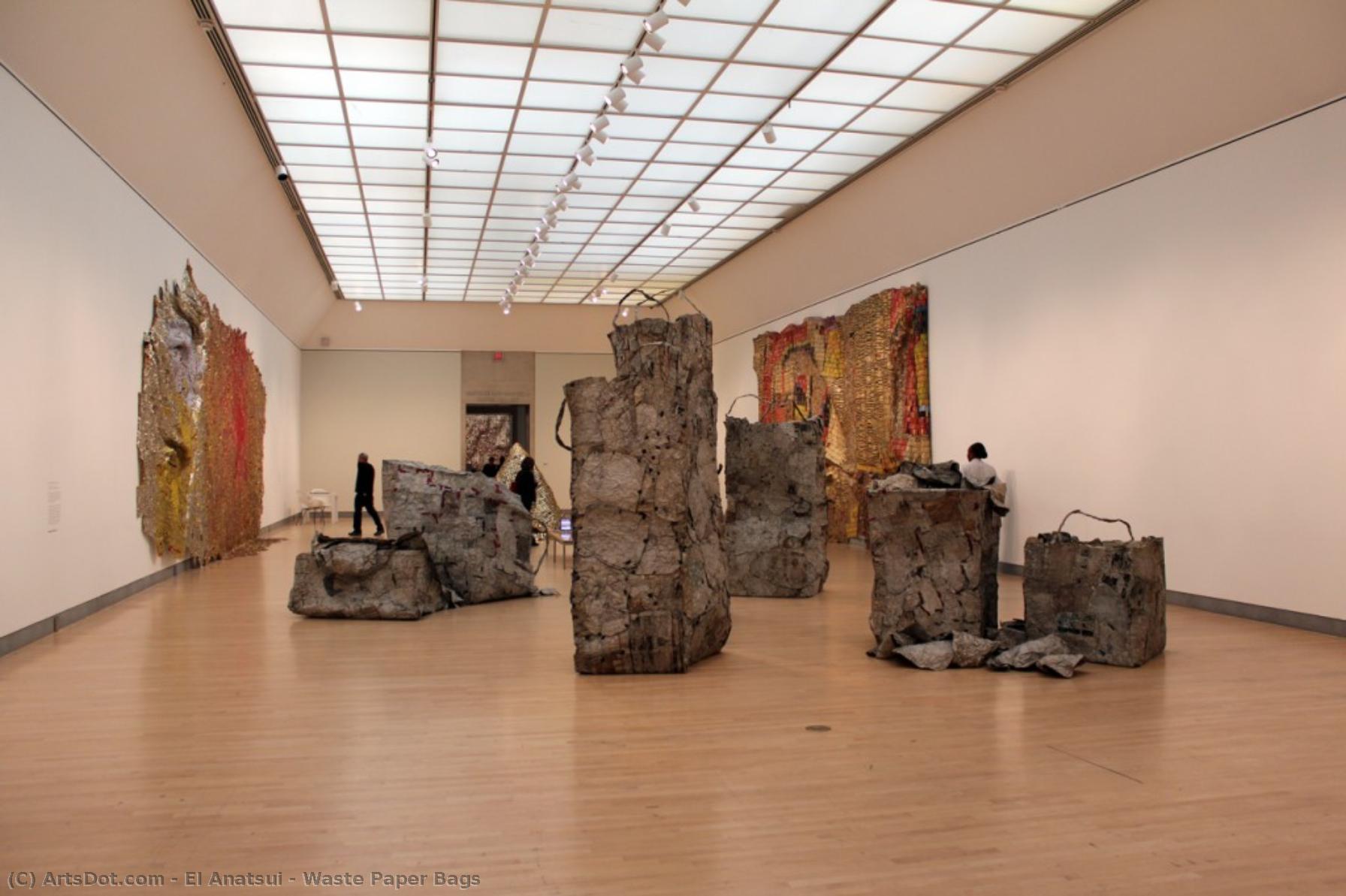
Waste Paper Bags


 Pročitaj više
Giclee štampa / Umetnički otisak
Giclée štampa ili print na platnu muzejskog kvaliteta uz brzu proizvodnju i fleksibilne opcije završne obrade. ( Kupi ručno naslikanu sliku Pređi na digitalnu sliku)




































Izaberite jednu od naših unapred definisanih veličina koje odgovaraju originalnim proporcijama umetničkog dela.

Možete uneti sopstvene dimenzije kako biste umetničko delo prilagodili specifičnom okviru ili prostoru. Ako odabrani format ne odgovara proporcijama originalne slike, mi ćemo ili iscrtati deo dela ili proširiti sliku pomoću ogledane ivice ili jednobojnog popunjavanja. Digitalni prikaz će vam biti poslat na odobrenje pre početka proizvodnje.
Imajte na umu da pregled na ekranu ne odražava stvarno iscrtavanje ili proširivanje. Samo će prikaz (mockup) precizno pokazati finalnu kompoziciju.
Iako su prilagođene dimenzije dostupne, preporučujemo da odaberete dimenziju sa unapred definisane liste kako biste očuvali originalne proporcije.
Dostava širom sveta () za 2 nedelje umesto uobičajenih 4/5 nedelja. (9 септембар)

Besplatna ekspresna dostava širom sveta

Visokokvalitetno laneno platno

Kompletno osiguranje transporta

Garancija povraćaja carine i uvoznih dažbina

Garancija vernosti boja

Politika povraćaja u roku od 100 dana (isključivo u slučaju nedostataka)

Garancija povrata novca od 100%

Popust pri grupnoj kupovini
 Opcija sa staklom dostupna je samo za dimenzije manje od 110 cm

Waste Paper Bags
Giclee štampa / Umetnički otisak
Dimenzije reprodukcije
-


Konačna cena
$ 62
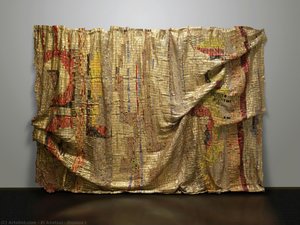
El Anatsui's "Waste Paper Bags": A Monumental Reflection on Consumption
El Anatsui’s “Waste Paper Bags,” created between 2004 and 2010, is a breathtaking installation that transforms discarded materials into a shimmering spectacle. This work exemplifies the artist’s signature style of repurposing everyday objects—in this case, waste paper bags—into large-scale sculptures that challenge perceptions of value, consumption, and cultural identity. The photograph captures the artwork within a modern gallery setting, showcasing its impressive scale and textural complexity.
Style and Technique: Junk Art Meets Textile Tradition
“Waste Paper Bags” firmly resides within the realm of contemporary art, specifically installation art and what is often referred to as "Junk Art" or “Recycled Art.” Anatsui’s technique involves meticulously stitching together thousands of aluminum printing plates (often mistaken for paper bags in initial observation) using copper wire. This process creates a fluid, textile-like surface that drapes and folds, resembling woven fabric more than the rigid material from which it is constructed. The artist draws inspiration from traditional Ghanaian kente cloth weaving techniques, imbuing his work with a sense of cultural heritage while simultaneously pushing the boundaries of artistic expression. The resulting forms are amorphous and irregular, defying conventional sculptural norms.
Symbolism and Emotional Impact: A Commentary on Waste and Transformation
The choice of waste paper bags as the primary material carries profound symbolic weight. It serves as a powerful commentary on consumer culture, environmental concerns, and the sheer volume of discarded materials in modern society. Anatsui’s transformation of these seemingly worthless objects into something beautiful and monumental highlights the potential for beauty to emerge from unexpected sources. The shimmering quality of the aluminum, reflecting light in captivating ways, evokes a sense of awe and wonder. The scale of the installation is deliberately overwhelming, prompting viewers to contemplate their own relationship with consumption and waste. It’s not merely about recycling; it's about reimagining value and finding artistry within the discarded.
Historical Context and Artistic Significance
El Anatsui (born 1944) is a Ghanaian sculptor renowned for his innovative use of recycled materials, particularly aluminum bottle caps. His work gained international recognition in the early 2000s and has been exhibited in major museums worldwide. Anatsui’s practice often explores themes of trade, migration, and cultural exchange, reflecting his own experiences living and working between Ghana and Nigeria. “Waste Paper Bags,” like much of his oeuvre, challenges traditional notions of sculpture by embracing fluidity, impermanence, and the inherent beauty of repurposed materials. His inclusion in the 2023 Time 100 list further solidifies his position as a globally influential artist.
Srodna umetnička dela

Biografija umetnika
A Life Woven in Metal: The Journey of El Anatsui
El Anatsui, born in Anyako, Ghana in 1944, is an artist whose work transcends categorization. He isn’t simply a sculptor; he's a weaver of histories, a recycler of memory, and a monumental storyteller who uses discarded materials to create breathtaking tapestries that shimmer with the weight of time and culture. His journey began not with art as a primary focus, but with a deep engagement in textile traditions – his mother was a skilled kente weaver, and he initially studied at the College of Art in Kumasi, Ghana, specializing in painting before shifting towards sculpture. This early immersion in weaving would prove foundational to his later artistic explorations, imbuing his work with a unique sensibility that sets it apart from conventional sculptural forms. The political unrest in Ghana during the 1960s and 70s led him to pursue further studies at Ravenhill College of Art and Design in London, followed by a period at the Royal College of Art, where he honed his technical skills but also began to grapple with questions of identity, colonialism, and representation.From Wood to Waste: The Evolution of a Unique Aesthetic
Anatsui’s early sculptures were often crafted from wood, reflecting the rich carving traditions of Ghana. However, a pivotal shift occurred during his long tenure as a professor at the University of Nigeria, Nsukka, where he encountered an abundance of discarded bottle caps – remnants of consumption and globalization that littered the landscape. He began collecting these seemingly worthless objects, recognizing in them a potent symbol of trade, exchange, and the complex relationship between Africa and the West. What started as experimentation quickly blossomed into his signature style: assembling thousands upon thousands of flattened aluminum bottle caps, painstakingly connected with copper wire, to create large-scale, fluid wall hangings. These aren’t static objects; they undulate and flow, responding to light and space, appearing almost liquid in their movement. The process is intensely labor-intensive, often involving the collaboration of assistants, mirroring the communal nature of traditional African art making. He doesn't pre-plan his works rigidly, allowing the materials themselves to dictate the form and direction of each piece.Symbolism Embedded in Shimmering Surfaces
The power of Anatsui’s work lies not only in its visual impact but also in its layered symbolism. The bottle caps themselves carry a history – they represent brands consumed locally, often imported from Europe or America, hinting at the legacies of colonialism and global capitalism. Their transformation into something beautiful and monumental is an act of reclamation, elevating discarded waste to the status of high art. The copper wire that binds them together evokes both traditional African weaving techniques and the networks of trade that have shaped the continent’s history. The resulting sculptures often resemble textiles, referencing the importance of cloth in African culture as a medium for storytelling, social commentary, and personal expression. Each piece becomes a palimpsest, revealing fragments of past lives and hidden narratives. Furthermore, the sheer scale of his works demands attention, creating immersive experiences that challenge viewers to contemplate their own relationship with consumption, waste, and cultural exchange.Major Achievements and Global Recognition
Anatsui’s work has garnered international acclaim, exhibited in major museums and galleries around the world. He represented Ghana at the Venice Biennale in 2005, bringing his unique aesthetic to a global audience. His sculptures have been featured at the Guggenheim Museum Bilbao, the Centre Pompidou in Paris, and the Metropolitan Museum of Art in New York, among many others.- He received the Praemium Imperiale Award for Sculpture in 2013,
- the Golden Lion Lifetime Achievement Award at the Venice Biennale in 2015,
- and was included in Time magazine’s list of the 100 Most Influential People in 2023.
A Lasting Legacy: Re-writing Art History
El Anatsui’s significance extends beyond his individual achievements; he is reshaping our understanding of contemporary African art and challenging conventional notions of sculpture. By utilizing discarded materials and embracing collaborative processes, he has created a body of work that is both deeply rooted in African traditions and profoundly relevant to global concerns. His sculptures are not simply objects to be admired but rather invitations to engage with histories of trade, colonialism, and cultural exchange. He’s demonstrated the power of art to transform waste into beauty, memory into monument, and individual stories into collective narratives. Anatsui's work is a powerful reminder that art can be found in unexpected places, and that even the most humble materials can hold profound meaning when viewed through the lens of history, culture, and imagination. His legacy will undoubtedly continue to inspire artists and audiences for generations to come, solidifying his position as one of the most important sculptors of our time.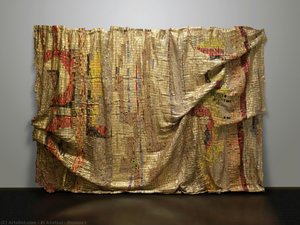
el anatsui
1944 - , Ghana
Povezani članci
The Aesthetic Catalyst: Leveraging Art Installations for Guest Engagement & Organic Social Marketing
Discover how strategic art installations elevate hotel experiences & drive organic social visibility. Expert insights on design, ROI, guest engagement, and creating unforgettable spaces for luxury hospitality brands.
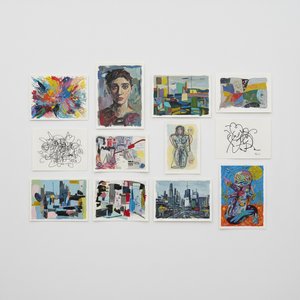
Acrylic on Paper: 10 Masterpieces That Redefined Modern Art | ArtsDot
Explore 10 legendary 'Acrylic on Paper' masterpieces by artists like Helen Frankenthaler & Gerhard Richter. Discover abstract expressionism, color field painting & the evolution of modern art. Find museum-quality reproductions for your home at ArtsDot.com.

El Greco: 25 Remek-dela koji definišu Viziju i Duh (Reprodukcije za vaš Dom)
Istražite 25 remek-dela El Greka! Otkrijte priče iza njegovih ikoničnih slika, baroknog stila i duboke spiritualnosti. Reprodukcije vrhunskog kvaliteta za vaš dom na ArtsDot.com.
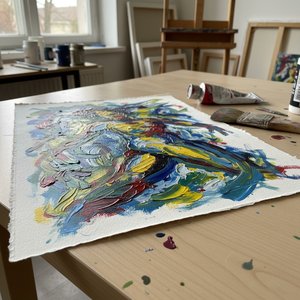
Acrylic on Paper: A Modern Canvas for Contemporary Expression
Explore the versatility of acrylic painting on paper! Discover expert techniques, artist insights & archival practices for creating stunning contemporary art. Learn more at ArtsDot.
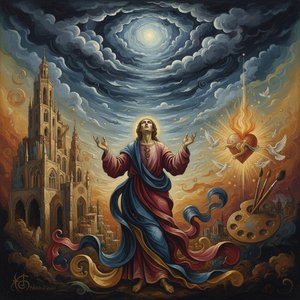
El Greco: Spirituality, Style & Innovation – A Renaissance Master's Legacy
Explore the captivating world of El Greco! Discover his unique style, spiritual intensity, and lasting impact on art history. Learn about this Renaissance master's life, iconic paintings & legacy.