

 Pregledaj u prostoru
 Pošalji
 Podeli
 Detalji o delu

 Преузми
 Slični predmeti
 Rendgenski snimak
 Slajdovi
 Statistika
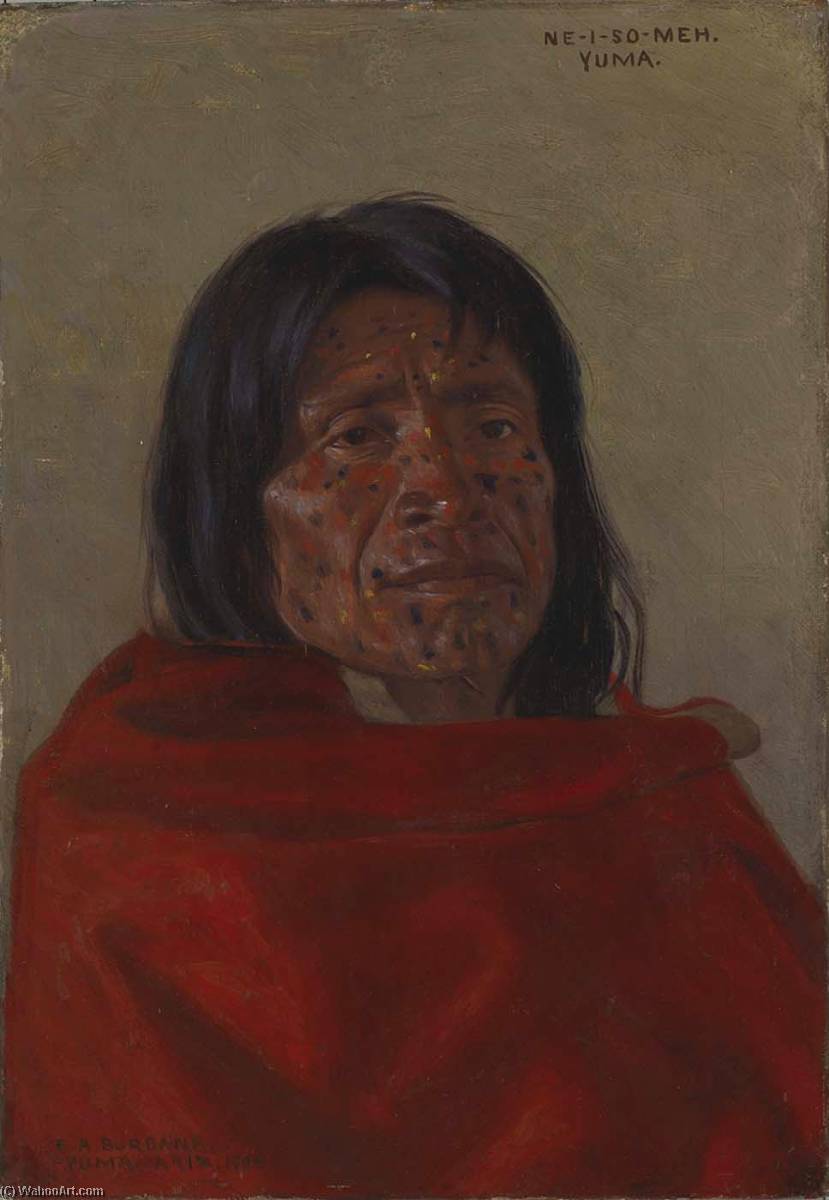
Ne i so meh
 1904
1904 33.0 x 23.0 cm
 Pročitaj više
Giclee štampa / Umetnički otisak
Giclée štampa ili print na platnu muzejskog kvaliteta uz brzu proizvodnju i fleksibilne opcije završne obrade. ( Kupi ručno naslikanu sliku Pređi na digitalnu sliku)




































Izaberite jednu od naših unapred definisanih veličina koje odgovaraju originalnim proporcijama umetničkog dela.

Možete uneti sopstvene dimenzije kako biste umetničko delo prilagodili specifičnom okviru ili prostoru. Ako odabrani format ne odgovara proporcijama originalne slike, mi ćemo ili iscrtati deo dela ili proširiti sliku pomoću ogledane ivice ili jednobojnog popunjavanja. Digitalni prikaz će vam biti poslat na odobrenje pre početka proizvodnje.
Imajte na umu da pregled na ekranu ne odražava stvarno iscrtavanje ili proširivanje. Samo će prikaz (mockup) precizno pokazati finalnu kompoziciju.
Iako su prilagođene dimenzije dostupne, preporučujemo da odaberete dimenziju sa unapred definisane liste kako biste očuvali originalne proporcije.
Dostava širom sveta () za 2 nedelje umesto uobičajenih 4/5 nedelja. (9 септембар)

Besplatna ekspresna dostava širom sveta

Visokokvalitetno laneno platno

Kompletno osiguranje transporta

Garancija povraćaja carine i uvoznih dažbina

Garancija vernosti boja

Politika povraćaja u roku od 100 dana (isključivo u slučaju nedostataka)

Garancija povrata novca od 100%

Popust pri grupnoj kupovini
 Opcija sa staklom dostupna je samo za dimenzije manje od 110 cm

Ne i so meh
Giclee štampa / Umetnički otisak
Dimenzije reprodukcije
-


Konačna cena
$ 62
The Artist's Background
Elbridge Ayer Burbank was a prominent American artist known for his portraits of Native Americans. He studied art in Chicago and later traveled to Munich, Germany, to further his skills under notable German artists. Burbank's work is characterized by its attention to detail and ability to convey the dignity and strength of his subjects.The Painting's Significance
Ne i so meh is a poignant portrait that showcases Burbank's mastery of capturing the subtleties of human expression. The subject, a Native American man, is wrapped in a red blanket, with a scar on his face and a look of quiet contemplation. This painting is not only a testament to Burbank's skill as an artist but also a window into the lives and experiences of Native Americans during the early 20th century.- The use of color and composition in Ne i so meh creates a sense of intimacy and vulnerability, drawing the viewer into the subject's world.
- Burbank's attention to detail is evident in the intricate folds of the blanket and the subtle expression on the subject's face.
- The painting's small size, measuring only 33 x 23 cm, belies its emotional impact, making it a powerful example of Burbank's ability to convey complex emotions through his art.
The Smithsonian American Art Museum is home to an extensive collection of American art, including works by Elbridge Ayer Burbank. To learn more about the museum and its collections, visit /art/list/?Filter=A@D3BUTX-Brigham-Young-University-Museum-of-Art-(United-States).
For a deeper understanding of Elbridge Ayer Burbank's life and work, see his biography on Wikipedia: https://en.wikipedia.org/wiki/Elbridge_Ayer_Burbank.
Srodna umetnička dela








Biografija umetnika
The Chronicler of a Vanishing Era
Elbridge Ayer Burbank stands as a singular figure in the annals of American art, recognized primarily for his meticulous and emotionally resonant depictions of Native Americans during the late 19th and early 20th centuries. Born on April 10, 1858, in Harvard, Illinois, to Anna Maria and Abner Jewett Burbank, his life’s work became a profound bridge between two worlds. While his roots were firmly planted in the American Midwest, his artistic soul was forged in the prestigious studios of Europe. This unique blend of American subject matter and European academic rigor allowed him to approach his subjects with a level of technical sophistication that elevated portraiture from mere documentation to high art.
Burbank’s artistic journey began with formal training at the Chicago Academy of Design, but it was his decision to travel to Germany in his thirties that would profoundly shape his stylistic approach and intellectual grounding. Studying at the Düsseldorf Kunstakademie under masters such as Anton Melbye, he absorbed the tenets of Realism and the burgeoning influences of Impressionism. These European currents instilled in him a commitment to capturing the subtle interplay of light and atmosphere—a technique he would later skillfully adapt to portray the vast landscapes and sacred ceremonies of Native American communities across the American frontier.
A Legacy of Direct Observation
Upon returning to the United States, Burbank dedicated himself wholeheartedly to documenting the lives and traditions of indigenous peoples. He embarked on extensive expeditions across the Plains states and the Southwest, driven by a mission that was as much ethnographic as it was artistic. His dedication was unparalleled; he is credited with sketching and painting more than 1,200 portraits from over 125 different tribes. This monumental undertaking required not only immense physical stamina but also a deep sense of empathy and respect for the individuals who sat before his easel.
Burbank’s artistic method was rigorously disciplined yet imbued with a profound humanity. He famously employed a technique known as direct observation, painstakingly rendering his subjects from life without the use of preparatory sketches or studies. This approach demanded unwavering attention to detail—capturing the subtle expressions, the intricate textures of beadwork, and the nuanced colors of traditional regalia that conveyed not merely physical likeness but also psychological character. His canvases are distinguished by their remarkable ability to capture the intensity and dignity of his subjects, making him perhaps the only artist believed to have painted the legendary war chief Geronimo from life.
Historical Significance and Artistic Impact
The significance of Burbank’s work extends far beyond the aesthetic beauty of his oil paintings. His portfolio serves as an invaluable historical document, providing a visual record of prominent chiefs, elders, and tribal members at a pivotal moment in American history. Through his eyes, we witness the strength, resilience, and cultural richness of Native American communities during a period of immense transition. Works such as One Star (1903) and Ne i so meh (1904), both housed in the Smithsonian American Art Museum, exemplify his ability to draw the viewer into an intimate connection with the subject's gaze.
As a pioneer of Native American portraiture, Burbank’s influence remains palpable in the study of American frontier art. His life, which concluded in 1949, left behind a legacy that transcends simple biography. He was more than a painter; he was a witness to history. His ability to blend the technical precision of the German academies with the raw, spiritual essence of the American West ensures that his portraits remain timeless, offering a window into a world that continues to command our respect and fascination.
elbridge ayer burbank
1858 - 1949
Osnovne informacije
- Artistic Movement Or Style: Realism
- Artists Or Movements Influenced By This Artist: ['Romanticism']
- Artists Who Influenced This Artist:
- Mehetable Sumner (Welles)
- Hudson River School
- Date Of Birth: 1858
- Date Of Death: 1949
- Full Name: Elbridge Ayer Burbank
- Nationality: American
- Notable Artworks:
- Geronimo Portrait
- Red Cloud Portrait
- Place Of Birth: Wellesley Hills, Massachusetts