

 Pregledaj u prostoru
 Pošalji
 Podeli
 Detalji o delu

 Преузми
 Slični predmeti
 Rendgenski snimak
 Slajdovi
 Stats
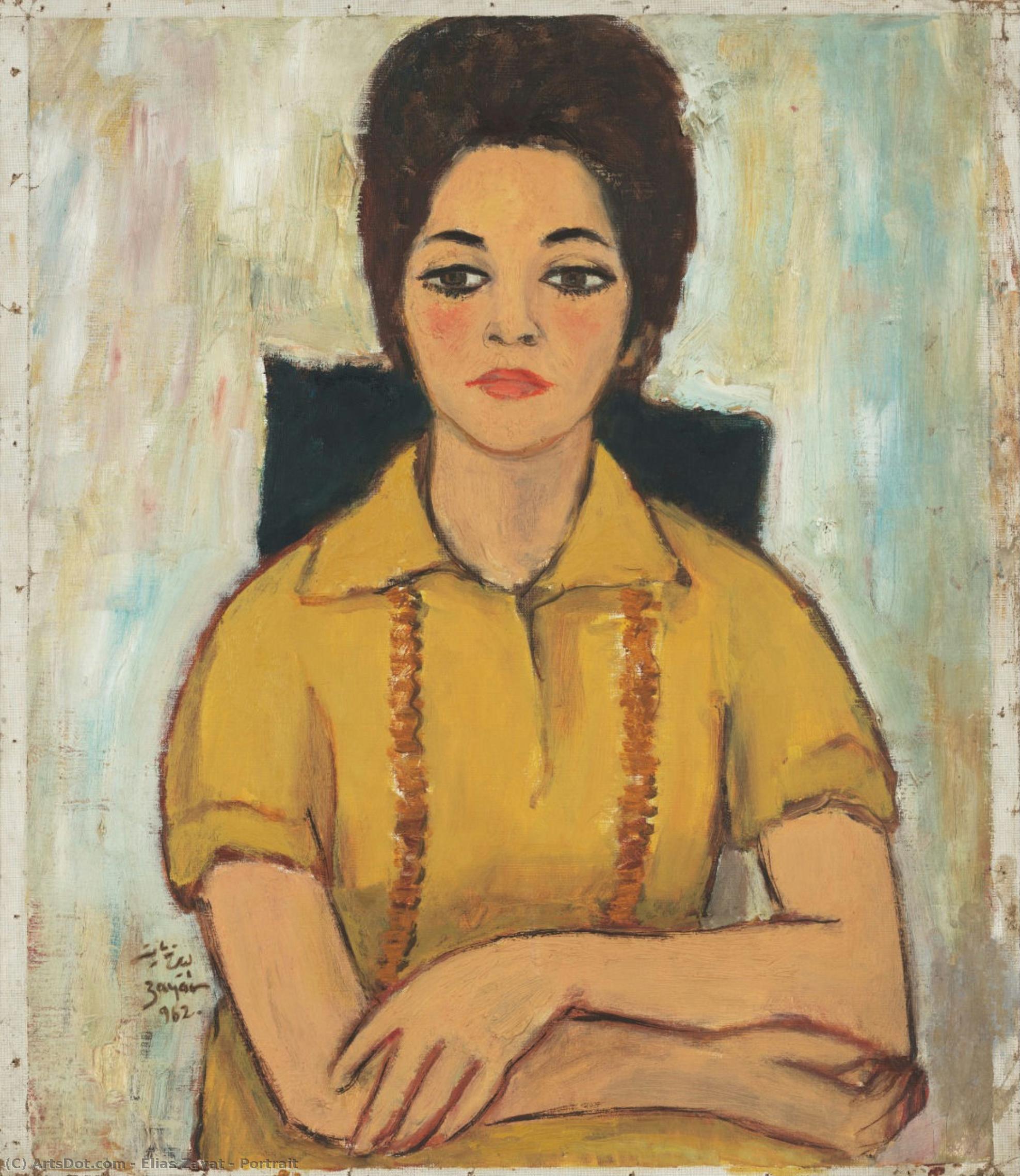
StatsPortrait
 71.0 x 58.0 cm
 Barjeel Art Foundation
 Pročitaj više
Ručno rađena uljana reprodukcija
Ručno oslikano uljanim bojama na platnu u dimenzijama i okviru po vašem izboru, izrađeno po porudžbini od strane naših umetnika. ( Switch to Print Switch to Digital Image)




































Izaberite jednu od naših unapred definisanih veličina koje odgovaraju originalnim proporcijama umetničkog dela.

Можете унети сопствене димензије како бисте прилагодили дело одређеном оквиру или простору. Ако одабрана величина не одговара пропорцијама оригинала, слика ће бити исечена или проширена додатним елементима који се ручно насликавају. Дигитални prikaz ће вам бити послат на одобрење пре почетка производње.
Имајте на уму да преглед на екрану не одражава стварно исецање или проширење. Само приказ (mockup) ће тачно приказати коначну композицију.
Иако су доступне прилагођене величине, препоручујемо да одаберете димензију из дефинисане листе како бисте сачували оригиналне пропорције.
Nakon narudžbine, tim ArtsDot.com će klijentu putem e-pošte poslati uputstva i dostaviti prikaz predloženog rešenja
Isporuka širom sveta () za 3/4 nedelje umesto uobičajenih 5 nedelja. (8 септембар). Bez kompromisa po pitanju kvaliteta.

Besplatna ekspresna dostava širom sveta

Visokokvalitetno laneno platno

Kompletno osiguranje transporta

Garancija povraćaja carine i uvoznih dažbina

Garancija vernosti boja

Politika povraćaja u roku od 100 dana (isključivo u slučaju nedostataka)

Garancija povrata novca od 100%

Popust pri grupnoj kupovini
 Opcija sa staklom dostupna je samo za dimenzije manje od 110 cm

Portrait
Tehnika reprodukcije
Dimenzije reprodukcije
-


Konačna cena
$ 263
Srodna umetnička dela


Biografija umetnika
Early Life and Artistic Beginnings
James Lewis Dine, born in 1935 in Cincinnati, Ohio, emerged from a family steeped in artistic tradition – his mother was a painter and his grandfather a sculptor. This early exposure to creative expression profoundly shaped his future trajectory. Dine’s initial formal training began at the Art Academy of Cincinnati in 1952, a formative period fueled by a serendipitous encounter with prints by German Expressionist masters like Ernst Ludwig Kirchner and Max Beckmann. These works ignited within him a deep appreciation for graphic techniques and a desire to explore alternative methods of image-making beyond traditional painting. He continued his studies at the University of Cincinnati, honing his skills in printmaking under the guidance of Donald Roberts, absorbing influences from both European masters and the burgeoning American avant-garde. This early immersion laid the groundwork for Dine’s distinctive approach – a deliberate rejection of conventional artistic norms and a commitment to direct, accessible forms of art.The Rise of Happenings and Performance Art
The late 1950s witnessed a seismic shift in the art world, with the emergence of “happenings” – immersive, often participatory events that blurred the boundaries between art and life. Dine was at the forefront of this movement, collaborating with fellow artists like Claes Oldenburg, Allan Kaprow, and Bob Whitman at the Judson Church in Greenwich Village. His seminal work, *The Smiling Workman* (1959), epitomized this new aesthetic – a simple, hand-printed image of a smiling worker affixed to a wall, inviting viewers to engage directly with the artwork. This marked a deliberate departure from traditional gallery settings and signaled Dine’s commitment to creating art that was immediate, engaging, and often challenging the established conventions of the art world. The Judson Gallery became a vital incubator for experimentation, fostering a spirit of collaboration and pushing the boundaries of artistic expression.Printmaking as a Central Language
While involved in happenings and performance, Dine’s core practice remained rooted in printmaking. He masterfully employed a vast array of techniques – woodcuts, etchings, lithographs, gravure, intaglio prints, and even letterpress – each offering unique possibilities for exploring form, texture, and imagery. Dine's approach to printmaking was characterized by its directness and simplicity. He often used simple, hand-drawn images—often of everyday objects like tools, furniture, or human figures—rendered in bold black lines on white paper. This minimalist aesthetic wasn’t about elaborate detail but rather about conveying a sense of immediacy and clarity. His prints weren't merely reproductions; they were independent works of art, imbued with his unique sensibility and reflecting his interest in the process of making itself.Conceptual Shifts and the "Dine Cut"
Throughout the 1960s and beyond, Dine’s work underwent a significant evolution. He began to experiment with “cuts”—simple geometric shapes cut from paper or cardboard—that he would then reproduce as prints. This seemingly reductive process became a defining feature of his oeuvre, representing a shift towards conceptual art – an emphasis on the idea behind the artwork rather than its purely aesthetic qualities. The "Dine Cut" became instantly recognizable, a symbol of Dine’s commitment to stripping away unnecessary ornamentation and focusing on essential forms. This exploration of simplicity and repetition continued throughout his career, reflecting a persistent desire to challenge conventional notions of art and engage viewers in a direct, intellectual dialogue.Legacy and Historical Significance
Jim Dine's impact on contemporary art is profound and multifaceted. He played a crucial role in the development of conceptual art, popularizing the idea that an artwork’s significance resides not just in its appearance but also in its concept or process. His accessible approach—using readily available materials and employing techniques that could be learned by anyone—democratized artmaking and challenged the elitism often associated with the art world. Dine's work continues to resonate today, influencing artists across a wide range of disciplines. He remains a vital figure in American art history, celebrated for his innovative spirit, his commitment to simplicity, and his enduring ability to challenge our perceptions of what constitutes “art.”
elias zayat
1935 - 2022 , Syrian Arab Republic
Osnovne informacije
- Artistic Movement Or Style: Happenings, Printmaking
- Artists Or Movements Influenced By This Artist: ['Allan Kaprow']
- Artists Who Influenced This Artist:
- Paul J. Sachs
- Ernst Ludwig Kirchner
- Date Of Birth: June 16, 1935
- Full Name: James Lewis Dine
- Nationality: American
- Notable Artworks:
- The Smiling Workman
- Cut Cards
- Place Of Birth: Cincinnati, Ohio, USA