

 Pregledaj u prostoru
 Pošalji
 Podeli
 Detalji o delu

 Преузми
 Slični predmeti
 Rendgenski snimak
 Slajdovi
 Statistika
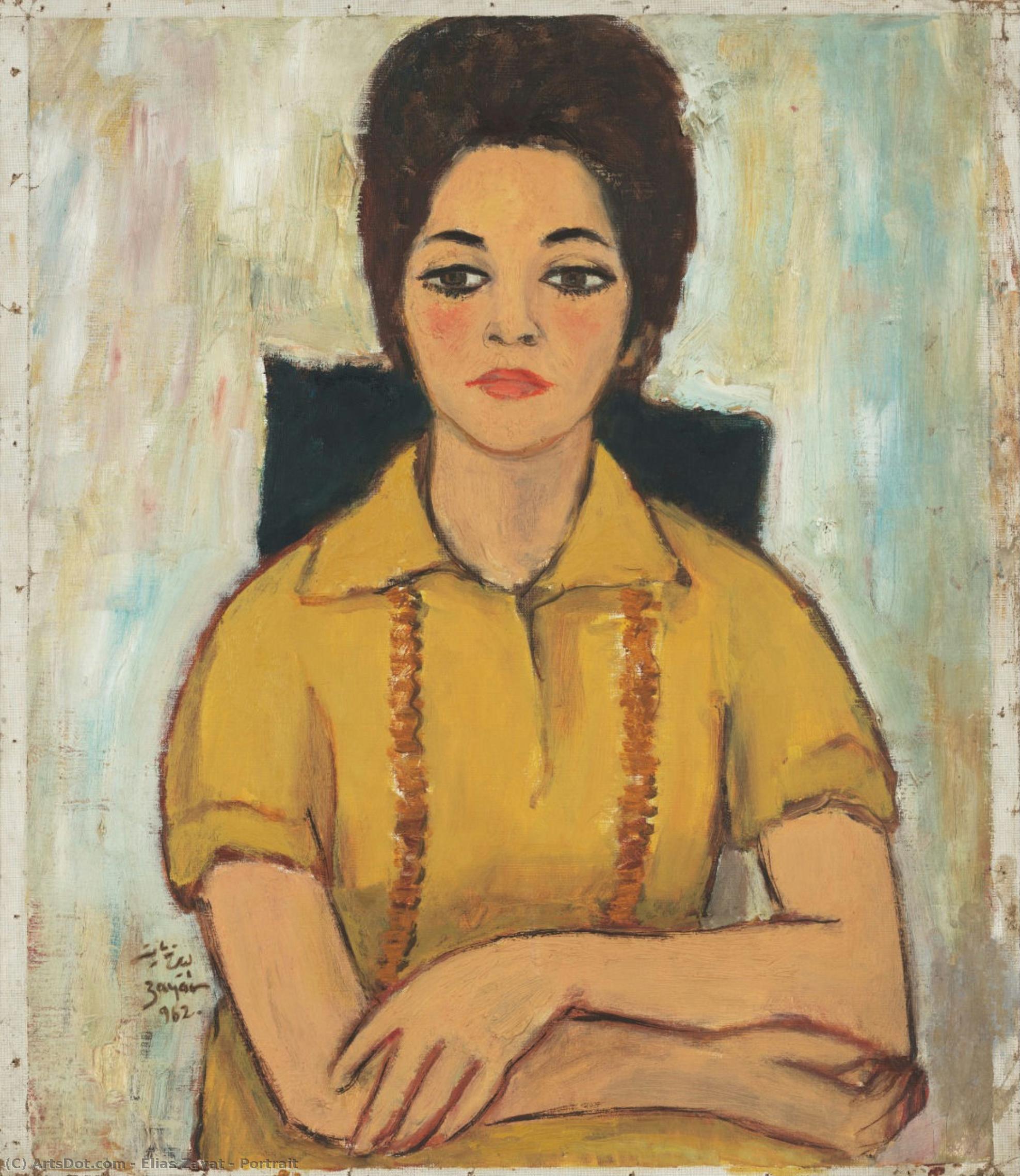
Portrait
 71.0 x 58.0 cm
 Barjeel Art Foundation
 Pročitaj više
Kupite digitalnu sliku visoke rezolucije i poboljšanog kvaliteta, koja je znatno superiornija od onoga što vidite u online prikazu.
Svaka datoteka je pedantno pripremljena od strane naših stručnjaka koristeći napredne alate i profesionalnu ručnu retušu. Osiguravamo da svaka slika ima izuzetnu oštrinu, preciznu reprodukciju boja i fine detalje.
Konačna datoteka se dostavlja putem e-pošte u roku od 72 sata, optimizovana za neposrednu upotrebu u profesionalnim, izdavačkim i štamparskim okruženjima. To je isti kvalitet kojem veruju vrhunski studiji dizajna, izdavači i galerije.
Digitalna slika
Preuzmite datoteku visoke rezolucije za ličnu upotrebu, štampanje i kreativne projekte. ( Pređi na štampu Kupi ručno naslikanu sliku)
Uključeno uz svaku porudžbinu digitalne slike
Profesionalna digitalna isporuka, zagarantovana
Kada odaberete ArtsDot.com, ne dobijate samo sliku – vi primate profesionalno unapređeno digitalno umetničko delo, izrađeno sa najvećom preciznošću i uz garanciju zadovoljstva. Evo svega što automatski dolazi uz vašu porudžbinu:

Brza dostava putem e-pošte
Vaša digitalna slika visoke rezolucije biće vam poslata putem e-pošte u roku od 72 sata od poručivanja – spremna za trenutnu upotrebu.

Digitalna datoteka unapređena veštačkom inteligencijom
Vaše umetničko delo je profesionalno optimizovano korišćenjem naprednih AI alata i ručne obrade, čime se osiguravaju maksimalni detalji, oštrina i preciznost boja.

Besplatna ponovna isporuka doživotno
Slučajno ste obrisali ili izgubili svoju datoteku? Ne brinite – poslaćemo vam je ponovo u bilo kom trenutku, potpuno besplatno.

Bez troškova uvoza – zauvek
Uživajte u svojim umetničkim delima trenutno, bez carine, dažbina ili troškova dostave – digitalni download je uvek bez poreza.

Garancija vernosti boja
Uz pomoć profesionalnih alata i upravljanja bojama, osiguravamo da vaša digitalna slika što vernije odražava originalne boje.

Garancija zadovoljstva od 100 dana
Ako niste zadovoljni svojom digitalnom slikom, izvršićemo reviziju ili ćemo vam vratiti 100% novca u roku od 100 dana – bez ikakvih pitanja.

100% garancija povrata novca
Niste zadovoljni? Dobijte puni povraćaj novca u roku od 100 dana od prijema digitalne datoteke – bez suvišnih pitanja.

Popusti na velike porudžbine
Kupite 3 slike, uštedite 10% - Kupite 5 slika, uštedite 15% - Kupite 10+ slika, uštedite 20%. Odlično za kreativne projekte, galerije i agencije.
Srodna umetnička dela


Biografija umetnika
Early Life and Artistic Beginnings
James Lewis Dine, born in 1935 in Cincinnati, Ohio, emerged from a family steeped in artistic tradition – his mother was a painter and his grandfather a sculptor. This early exposure to creative expression profoundly shaped his future trajectory. Dine’s initial formal training began at the Art Academy of Cincinnati in 1952, a formative period fueled by a serendipitous encounter with prints by German Expressionist masters like Ernst Ludwig Kirchner and Max Beckmann. These works ignited within him a deep appreciation for graphic techniques and a desire to explore alternative methods of image-making beyond traditional painting. He continued his studies at the University of Cincinnati, honing his skills in printmaking under the guidance of Donald Roberts, absorbing influences from both European masters and the burgeoning American avant-garde. This early immersion laid the groundwork for Dine’s distinctive approach – a deliberate rejection of conventional artistic norms and a commitment to direct, accessible forms of art.The Rise of Happenings and Performance Art
The late 1950s witnessed a seismic shift in the art world, with the emergence of “happenings” – immersive, often participatory events that blurred the boundaries between art and life. Dine was at the forefront of this movement, collaborating with fellow artists like Claes Oldenburg, Allan Kaprow, and Bob Whitman at the Judson Church in Greenwich Village. His seminal work, *The Smiling Workman* (1959), epitomized this new aesthetic – a simple, hand-printed image of a smiling worker affixed to a wall, inviting viewers to engage directly with the artwork. This marked a deliberate departure from traditional gallery settings and signaled Dine’s commitment to creating art that was immediate, engaging, and often challenging the established conventions of the art world. The Judson Gallery became a vital incubator for experimentation, fostering a spirit of collaboration and pushing the boundaries of artistic expression.Printmaking as a Central Language
While involved in happenings and performance, Dine’s core practice remained rooted in printmaking. He masterfully employed a vast array of techniques – woodcuts, etchings, lithographs, gravure, intaglio prints, and even letterpress – each offering unique possibilities for exploring form, texture, and imagery. Dine's approach to printmaking was characterized by its directness and simplicity. He often used simple, hand-drawn images—often of everyday objects like tools, furniture, or human figures—rendered in bold black lines on white paper. This minimalist aesthetic wasn’t about elaborate detail but rather about conveying a sense of immediacy and clarity. His prints weren't merely reproductions; they were independent works of art, imbued with his unique sensibility and reflecting his interest in the process of making itself.Conceptual Shifts and the "Dine Cut"
Throughout the 1960s and beyond, Dine’s work underwent a significant evolution. He began to experiment with “cuts”—simple geometric shapes cut from paper or cardboard—that he would then reproduce as prints. This seemingly reductive process became a defining feature of his oeuvre, representing a shift towards conceptual art – an emphasis on the idea behind the artwork rather than its purely aesthetic qualities. The "Dine Cut" became instantly recognizable, a symbol of Dine’s commitment to stripping away unnecessary ornamentation and focusing on essential forms. This exploration of simplicity and repetition continued throughout his career, reflecting a persistent desire to challenge conventional notions of art and engage viewers in a direct, intellectual dialogue.Legacy and Historical Significance
Jim Dine's impact on contemporary art is profound and multifaceted. He played a crucial role in the development of conceptual art, popularizing the idea that an artwork’s significance resides not just in its appearance but also in its concept or process. His accessible approach—using readily available materials and employing techniques that could be learned by anyone—democratized artmaking and challenged the elitism often associated with the art world. Dine's work continues to resonate today, influencing artists across a wide range of disciplines. He remains a vital figure in American art history, celebrated for his innovative spirit, his commitment to simplicity, and his enduring ability to challenge our perceptions of what constitutes “art.”
elias zayat
1935 - 2022 , Syrian Arab Republic
Kratke činjenice
- Artistic Movement Or Style: Happenings, Printmaking
- Artists Or Movements Influenced By This Artist: ['Allan Kaprow']
- Artists Who Influenced This Artist:
- Paul J. Sachs
- Ernst Ludwig Kirchner
- Date Of Birth: June 16, 1935
- Full Name: James Lewis Dine
- Nationality: American
- Notable Artworks:
- The Smiling Workman
- Cut Cards
- Place Of Birth: Cincinnati, Ohio, USA