

 Pregledaj u prostoru
 Pošalji
 Podeli
 Detalji o delu

 Преузми
 Slični predmeti
 Rendgenski snimak
 Slajdovi
The Fable of the Miller, His Son, and the Donkey No. 5
 Oil On Canvas
- WallArt
- Symbolism
 1867
1867- 19th Century
 17.0 x 27.0 cm
 Metropolitan Museum of Art
 Pročitaj više
Giclee štampa / Umetnički otisak
Giclée štampa ili print na platnu muzejskog kvaliteta uz brzu proizvodnju i fleksibilne opcije završne obrade. ( Kupi ručno naslikanu sliku Kupi digitalnu sliku)




P118B $10

P118H $10

P118W $10

P438Z $10

P508JH $12

P508YH $12

P805H $10

P805Z $10

P919BZ $10

P919G $10

P919XJ $10

P959ZH $10

P968JZ $12

W106C $8

W218G $10

W218JH $8

W218Y $10

W307PJ $10

W316G $10

W316PJ $8

W316Y $10

W398PJ $8

W4111J $10

W500HY $15

W500JH $15

W692G $12

W849H $8

W940BG $15

W953PJ $8




Izaberite jednu od naših unapred definisanih veličina koje odgovaraju originalnim proporcijama umetničkog dela.

Možete uneti sopstvene dimenzije kako biste umetničko delo prilagodili specifičnom okviru ili prostoru. Ako odabrani format ne odgovara proporcijama originalne slike, mi ćemo ili iscrtati deo dela ili proširiti sliku pomoću ogledane ivice ili jednobojnog popunjavanja. Digitalni prikaz će vam biti poslat na odobrenje pre početka proizvodnje.
Imajte na umu da pregled na ekranu ne odražava stvarno iscrtavanje ili proširivanje. Samo će prikaz (mockup) precizno pokazati finalnu kompoziciju.
Iako su prilagođene dimenzije dostupne, preporučujemo da odaberete dimenziju sa unapred definisane liste kako biste očuvali originalne proporcije.
Dostava širom sveta () za 2 nedelje umesto uobičajenih 4/5 nedelja. (4 септембар)

Besplatna ekspresna dostava širom sveta

Visokokvalitetno laneno platno

Kompletno osiguranje transporta

Garancija povraćaja carine i uvoznih dažbina

Garancija vernosti boja

Politika povrata u roku od 60 dana (samo u slučaju nedostataka)

Garancija povrata novca od 100%

Popust pri grupnoj kupovini
 Opcija sa staklom dostupna je samo za dimenzije manje od 110 cm

The Fable of the Miller, His Son, and the Donkey No. 5
Giclee štampa / Umetnički otisak
Dimenzije reprodukcije
-


Konačna cena
$ 62
A Rustic Tale Painted in Stone and Shadow: Elihu Vedder’s “The Fable of the Miller, His Son, and the Donkey No. 5”
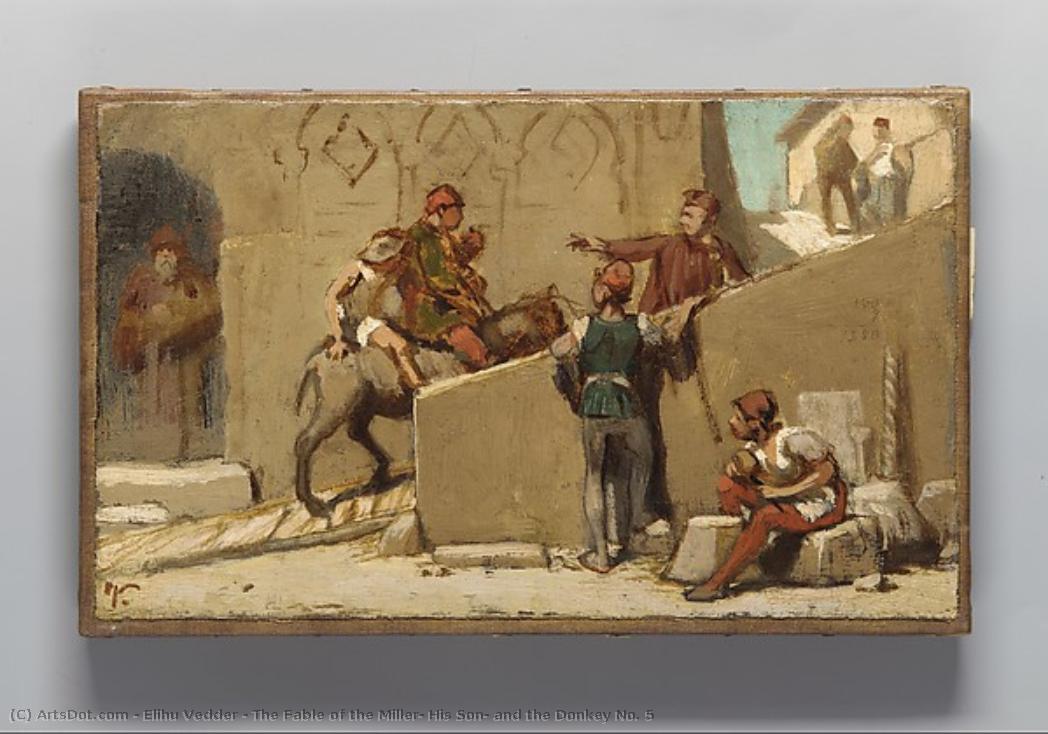
Elihu Vedder's "The Fable of the Miller, His Son, and the Donkey No. 5," painted in 1867, isn’t merely a depiction of a classic Aesop fable; it’s a poignant meditation on human folly, the relentless pursuit of approval, and the quiet dignity of acceptance. This small yet powerfully resonant oil painting, measuring just 17 x 27 cm, transports us to a sun-drenched Italian landscape—a setting meticulously chosen by Vedder to evoke the timelessness of the story itself—where a weary miller and his son grapple with the capricious judgments of passersby. The scene unfolds within a modest stone structure, its walls hinting at both shelter and confinement, mirroring the characters’ own predicament. Vedder masterfully employs a muted palette dominated by earthy ochres, warm browns, and subtle beiges, creating an atmosphere of quiet contemplation—a deliberate choice that underscores the painting's thematic weight rather than relying on dramatic color contrasts. The brushwork is deliberately loose and impressionistic; visible strokes suggest movement and texture, imbuing the scene with a sense of immediacy and capturing the fleeting nature of human interaction.A Symbolist Vision Rooted in Italian Renaissance Influence
Vedder’s work firmly resides within the Symbolist movement, yet he transcends simple imitation, forging his own unique visual language. His debt to the Italian Renaissance is palpable—particularly in the careful rendering of architectural details and the use of light and shadow, reminiscent of masters like Leonardo da Vinci and Raphael. However, Vedder departs from traditional academic realism, prioritizing emotional resonance over photographic accuracy. The figures are simplified, almost archetypal, embodying universal human experiences rather than representing specific individuals. This stylistic choice aligns perfectly with Symbolism’s core tenets: to express ideas and emotions through suggestive imagery, often drawing upon mythology, folklore, and dreamlike states. The painting's connection to the Macchiaioli movement—Italian painters who favored loose brushwork and capturing fleeting moments of light—further informs its expressive quality, adding a vibrant energy beneath the surface of apparent stillness.Decoding the Narrative: Folly, Frustration, and Fatal Missteps
At first glance, the scene appears straightforward: a miller and his son attempt to navigate a marketplace or public space, encountering a series of critical comments regarding their handling of the donkey. Yet, Vedder layers this simple narrative with profound symbolism. The donkey itself represents burdens—both literal and metaphorical—that we often carry through life, burdened by expectations, judgments, and the relentless pressure to please others. Each critique from the onlookers highlights the futility of seeking external validation; no matter how carefully one adjusts their actions, someone will always find fault. The painting’s central tension arises from the father's increasingly desperate attempts to appease these critics—a cycle that ultimately leads to a tragic outcome: the donkey’s demise. This isn’t simply a story about a lost animal; it’s an allegory for the destructive nature of vanity and the impossibility of satisfying everyone.The Artistry of Observation and Emotional Resonance
Vedder's skill lies not just in his technical proficiency but also in his ability to capture the essence of human behavior through careful observation. The composition is remarkably balanced, drawing the eye across the crowded scene while subtly emphasizing the characters’ isolation. The use of linear perspective creates a sense of depth, guiding the viewer into the heart of the drama. Notice how Vedder renders the textures—the rough stone walls, the worn clothing of the figures, and the coarse fur of the donkey—adding tactile richness to the image. The lighting, diffused and naturalistic, casts long shadows that heighten the painting’s melancholic mood. Ultimately, “The Fable of the Miller, His Son, and the Donkey No. 5” is a testament to Vedder's profound understanding of human nature—a timeless masterpiece that continues to resonate with viewers today, prompting reflection on our own desires for approval and the inherent limitations of seeking it from others.A Legacy of Symbolist Vision: Exploring Related Works
Elihu Vedder’s artistic journey is richly documented, beginning in New York City under Tompkins H. Matteson before he spent formative years studying in Paris with François-Édouard Picot and later immersing himself in the vibrant art scene of Italy. His time there profoundly shaped his style, fostering a deep connection to Italian Renaissance ideals while simultaneously embracing Symbolist principles. Explore related works such as “The Fable of the Miller, His Son, and the Donkey No. 1” and “The Fable of the Miller, His Son, and the Donkey No. 2,” each offering unique perspectives on this enduring fable. Furthermore, consider Vedder’s illustrations for Edward FitzGerald's "Rubaiyat of Omar Khayyam," a project that cemented his reputation as a visionary artist capable of blending classical allusions with evocative symbolism.- Useful Links: Wikipedia
- Artworks Database: The Fable of the Miller, His Son, and the Donkey No. 1
- Artworks Database: The Fable of the Miller, His Son, and the Donkey No. 5
- Artists Database: Elihu Vedder
Srodna umetnička dela
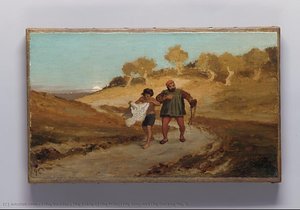
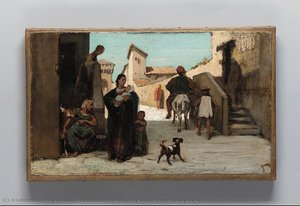
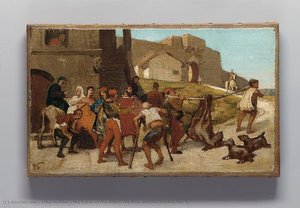
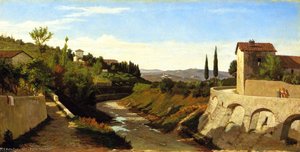
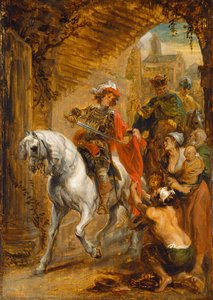
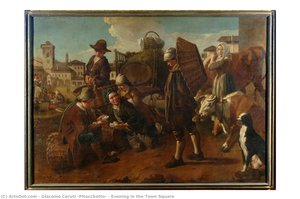
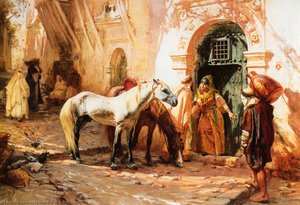
Biografija umetnika
Rano detinjstvo i umetnička obuka
- Rođen: 26. februara 1836, Njujork, Sjedinjene Američke Države
- Preminuo: 29. januara 1923, Rim, Italija
Elijah Vedder je došao na svet u porodici sa neobičnim okolnostima – njegovi roditelji su bili rođaci. Njegovo rano detinjstvo oblikovalo je bogato iskustvo, uključujući vreme provedeno na Kubi zbog očeve selidbe, kao i boravke između kuće deke po majci u Skenektadi i internata. Iako je otac prvobitno imao određene rezerve, Vedderove umetničke ambicije dobile su snažnu podršku njegove majke.
- Prva obuka: Vedder je započeo formalno obrazovanje u Njujorku pod mentorstvom Tompkinsa H. Mattesona.
- Evropska istraživanja: Svoje studije je nastavio u Parizu kod François-Édouarda Picota, a potom i u Italiji, gde su na njega duboko uticali italijanski renesans i slikari pokreta Macchiaioli.
- Italijanski uticaj: Boravak u Italiji podstakao je njegovu duboku emocionalnu vezu sa kolegom slikarom Giovanniem Costom, što je dovelo do zajedničkih putovanja pre nego što su finansijska oskudica primorali Veddera na povratak u Ameriku.
Ključni trenuci karijere i značajna dela
Vedderova karijera obuhvatala je različite umetničke discipline, od slikarstva i ilustracije do projektovanja zidnih slika i poezije. Tokom svog života, negovao je prijateljstva sa istaknutim ličnostima poput Walta Whitmana i Hermana Melvillea.
- Ilustracije za Rubaijat: Vedder je najpoznatiji po svojih pedeset pet ilustracija koje prate prevod Edwarda FitzGeralda za The Rubáiyát of Omar Khayyam (luksuzno izdanje). Ove ilustracije se smatraju remekdelima simbolističke umetnosti.
- Vizionarska slikarstva: Njegova značajna dela uključuju "Jaje Roka" (The Roc’s Egg), „Ribar i džini“ (The Fisherman and the Genii) i „Gnezdo morskog zmija“ (Lair of the Sea Serpent), koja prikazuju njegov vizionarski stil i maštljive teme.
- Rad na muralima: Svojim zidnim slikama ukrasio je hodnik čitaonice u Kongresnoj biblioteci u Vašingtonu.
- Saradnja sa Tiffanyjem: Vedder je sarađivao sa Louisom Comfortom Tiffanyjem, dizajnirajući stakleno posuđe, mozaike i statuete za kompaniju Tiffany.
Umetnički stil i uticaji
Vedderov umetnički stil odlikuje vizionarska priroda, romantične slike i česta integracija orijentalnih uticaja.
- Simbolizam: Vedder je bio ključna figura simbolističkog pokreta, stavljajući emociju i individualizam ispred strogog realizma.
- Pre-Rafaeliti: Njegovo vreme provedeno u Engleskoj izložilo ga je umetničkom brateljstvu Pre-Rafaelata, što je njegov stil usmerilo ka većoj jasnoći i detaljnosti.
- Engleski i irski mistici: Na njega su uticala dela Williama Blakea i Williama Butlera Yeatsa, što odražava njegovu fascinaciju mistikom i duhovnošću.
- Italijanski renesans i Macchiaioli: Njegova istraživanja u Italiji oblikovala su njegovo razumevanje forme, boje i kompozicije.
Nasleđe i poznije godine
Vedderov doprinos američkoj umetnosti prevazilazio je okvire slikarstva. Pomogao je u osnivanju grupe "In Arte Libertas" u Italiji i za sobom je ostavio bogat korpus pisanih dela, uključujući autobiografske refleksije i poeziju.
- Članstvo: Vedder je bio član Američke akademije umetnosti i književnosti.
- Književni rad: Objavio je dela The Digressions of V (1910), Miscellaneous Moods in Verse (1914) i Doubt and Other Things (1922).
- Kasne godine: Svoje poznije godine provodio je uglavnom u Italiji, nastavljajući da stvara umetnost i piše sve do smrti u Rimu 1923. godine. Njegovo nasleđe opstaje kroz njegove evokativne slike i ilustracije koje i danas fasciniraju publiku.
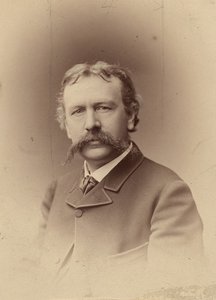
Elihu Vedder
1836 - 1923 , Sjedinjene Američke Države
Osnovne informacije
- Artistic Movement Or Style: Simbolizam, Romantizam
- Artists Who Influenced This Artist:
- François-Édouard Picot
- Giovanni Costa
- William Blake
- William Butler Yeats
- Date Of Birth: 26. februar 1836.
- Date Of Death: 29. januar 1923.
- Full Name: Elihu Vedder
- Nationality: Američka
- Notable Artworks:
- Jaje Roka
- Ribar i džini
- Gnezdo morskog zmija
- Ilustracije za Rubaijat
- Place Of Birth: New York City, SAD
Povezani članci
Beyond Reality: Exploring the Mystical Depths of Symbolist Painting (1880-1910)
Explore the captivating world of Symbolist painting (1880-1910). Discover key artists like Moreau & Klimt, decode iconic motifs, and understand its lasting impact on modern art. Expert analysis for collectors.
Eugène Carrière: The 'Peintre d'Âme' & Symbolist Portraiture’s Intimate Vision
Explore the haunting world of Eugène Carrière, a pivotal French Symbolist artist known for his deeply intimate portraits & 'peinture d'âme'. Discover his life, style, and lasting influence on modern masters like Picasso. Shop high-quality reproductions at ArtsDot.
Giovanni Segantini: Capturing Alpine Light & Symbolist Visions
Explore the captivating world of Giovanni Segantini, master of Alpine landscapes & Symbolist art. Discover his innovative techniques, allegorical masterpieces like 'La Vita,' and enduring legacy. Learn about this pivotal 19th-century Italian painter.
The Evocative Realm of Symbolism: Exploring Meaning & Mysticism in Late 19th-Century Art
Explore the captivating world of Symbolism art! Discover key artists, defining themes & its lasting influence on modern movements. A deep dive into late 19th-century masterpieces.
Symbolism & the Subconscious: How 19th-Century Artists Painted Dreams and Emotion
Explore the evocative world of 19th-century Symbolism. Discover how masters like Gustave Moreau used dreams, myth, and metaphor to paint the subconscious, moving beyond realism to capture profound human emotion and spiritual truth.

