

 Pregledaj u prostoru
 Pošalji
 Podeli
 Detalji o delu

 Преузми
 Slični predmeti
 Rendgenski snimak
 Slajdovi
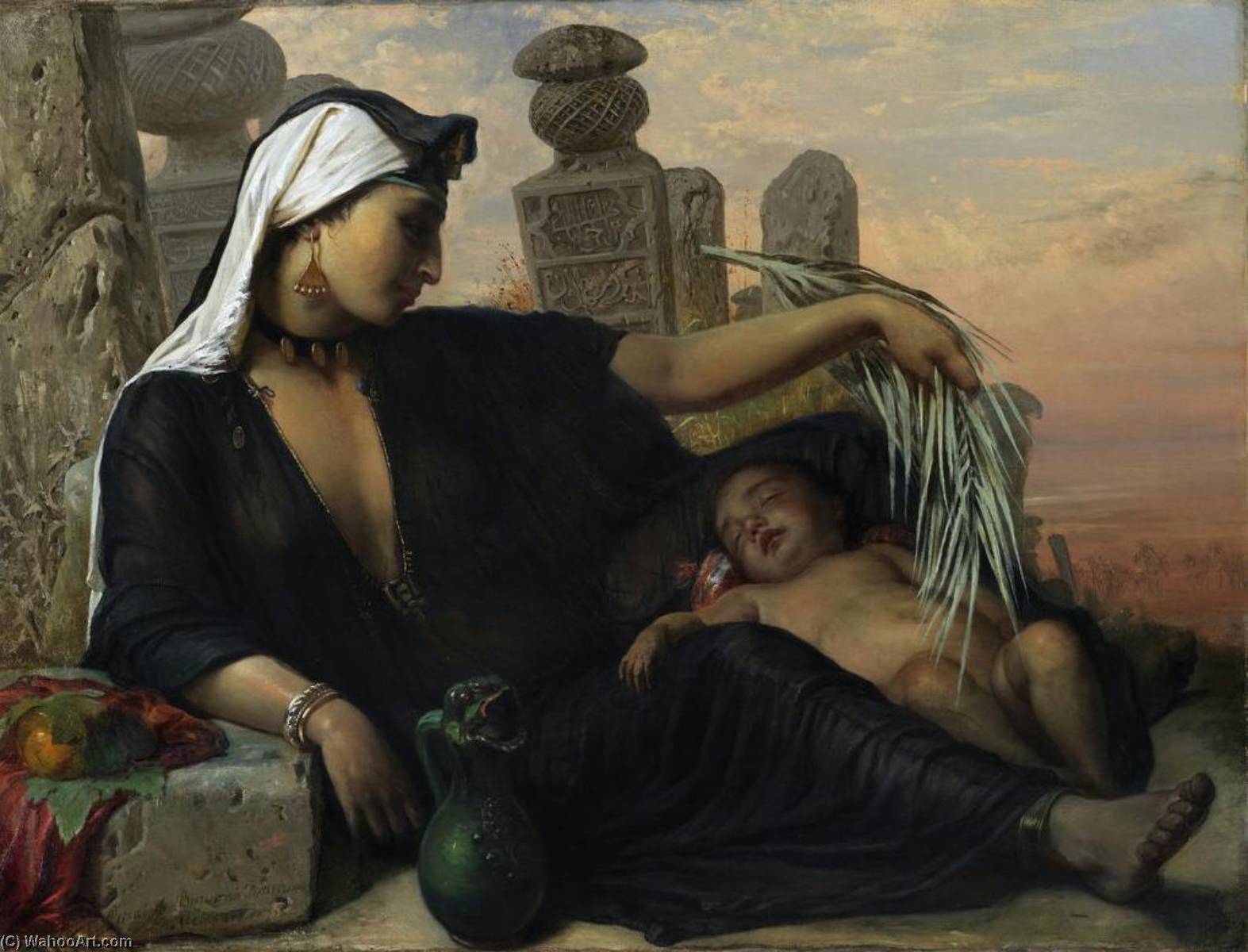
An Egyptian Fellah Woman with her Child


 Pročitaj više
Ručno rađena uljana reprodukcija
Ručno oslikano uljanim bojama na platnu u dimenzijama i okviru po vašem izboru, izrađeno po porudžbini od strane naših umetnika. ( Kupi print Kupi digitalnu sliku)




P118B $10

P118H $10

P118W $10

P438Z $10

P508JH $12

P508YH $12

P805H $10

P805Z $10

P919BZ $10

P919G $10

P919XJ $10

P959ZH $10

P968JZ $12

W106C $8

W218G $10

W218JH $8

W218Y $10

W307PJ $10

W316G $10

W316PJ $8

W316Y $10

W398PJ $8

W4111J $10

W500HY $15

W500JH $15

W692G $12

W849H $8

W940BG $15

W953PJ $8




Izaberite jednu od naših unapred definisanih veličina koje odgovaraju originalnim proporcijama umetničkog dela.

Можете унети сопствене димензије како бисте прилагодили дело одређеном оквиру или простору. Ако одабрана величина не одговара пропорцијама оригинала, слика ће бити исечена или проширена додатним елементима који се ручно насликавају. Дигитални prikaz ће вам бити послат на одобрење пре почетка производње.
Имајте на уму да преглед на екрану не одражава стварно исецање или проширење. Само приказ (mockup) ће тачно приказати коначну композицију.
Иако су доступне прилагођене величине, препоручујемо да одаберете димензију из дефинисане листе како бисте сачували оригиналне пропорције.
Nakon narudžbine, tim ArtsDot.com će klijentu putem e-pošte poslati uputstva i dostaviti prikaz predloženog rešenja
Isporuka širom sveta () za 3/4 nedelje umesto uobičajenih 5 nedelja. (7 септембар). Bez kompromisa po pitanju kvaliteta.

Besplatna ekspresna dostava širom sveta

Visokokvalitetno laneno platno

Kompletno osiguranje transporta

Garancija povraćaja carine i uvoznih dažbina

Garancija vernosti boja

Politika povraćaja u roku od 100 dana (isključivo u slučaju nedostataka)

Garancija povrata novca od 100%

Popust pri grupnoj kupovini
 Opcija sa staklom dostupna je samo za dimenzije manje od 110 cm

An Egyptian Fellah Woman with her Child
Tehnika reprodukcije
Dimenzije reprodukcije
-


Konačna cena
$ 263
Elisabeth Jerichau Baumann’s “An Egyptian Fellah Woman with Her Child”: A Window into Victorian Orientalism
The painting "An Egyptian Fellah Woman With Her Child" by Elisabeth Jerichau Baumann, completed in 1872, stands as a remarkable testament to the artistic sensibilities of its time—specifically, Victorian England's fascination with the Orient. More than just a depiction of rural Egypt, it’s a carefully constructed tableau that speaks volumes about societal anxieties and aspirations surrounding motherhood, femininity, and cultural understanding during the late 19th century. Located at the Statens Museum for Kunst in Copenhagen, Denmark, this oil on canvas masterpiece continues to captivate viewers with its luminous palette and meticulous attention to detail.A Portrait Steeped in Context
Baumann’s artistic journey began amidst the burgeoning Düsseldorf School of Painting, where she honed her skills absorbing influences from Slovak life—a landscape deeply intertwined with her own heritage. The painting emerged during a period marked by intense exploration of exotic cultures, fueled by scientific advancements and fuelled by an eagerness to categorize and interpret unfamiliar traditions. Exhibitions in Düsseldorf quickly garnered acclaim, propelling Baumann into the spotlight as she embarked on a transformative relocation to Rome, where her artistic focus shifted towards capturing the essence of Italian life. Her success extended internationally, notably securing royal patronage from Queen Victoria—a gesture that included showcasing her painting alongside Hans Christian Andersen at the World Fair in Paris (1867 & 1878). This recognition underscored Baumann’s ability to resonate with audiences across Europe and cemented her place as a prominent figure in Victorian art.Technique and Composition: Illuminating Detail
The painting's execution is characterized by masterful blending techniques—a hallmark of Baumann’s style—allowing for subtle gradations of color and texture that imbue the scene with an ethereal glow. The artist skillfully employs chiaroscuro, manipulating light and shadow to sculpt form and heighten emotional impact. Notice how the reddish hue of the evening sky subtly underscores the warmth emanating from the woman's embrace, creating a harmonious balance between interior intimacy and external observation. Furthermore, Baumann’s meticulous rendering of fabrics—the woman’s dress adorned with intricate patterns—demonstrates her dedication to capturing realistic textures. The placement of the bowls and oranges serves as compositional anchors, guiding the viewer’s gaze across the canvas and enriching its visual complexity.Symbolism Beyond Representation
“An Egyptian Fellah Woman With Her Child” transcends mere visual representation; it embodies complex symbolic meanings rooted in Victorian anxieties about motherhood and societal expectations. The woman's posture—tenderly holding her child—represents idealized femininity, embodying nurturing instincts and unwavering devotion. Simultaneously, the painting subtly critiques colonial attitudes toward Eastern cultures by portraying a scene of domestic tranquility amidst an unfamiliar landscape. The oranges symbolize fertility and prosperity – motifs frequently employed in Victorian art to convey notions of moral virtue and familial happiness. Baumann’s deliberate inclusion of these elements elevates the artwork beyond a simple portrait, transforming it into a meditation on cultural identity and the role of women within society.Emotional Resonance: A Timeless Appeal
Ultimately, “An Egyptian Fellah Woman With Her Child” possesses an enduring emotional resonance that continues to captivate audiences today. The painting’s luminous colors and evocative atmosphere evoke feelings of warmth, compassion, and serenity—qualities deeply valued during the Victorian era. It invites contemplation on themes of maternal love, cultural exchange, and the beauty found in everyday life. ArtsDot.com offers exceptional reproductions of Baumann's work, allowing collectors and enthusiasts alike to experience the artistry and emotional depth of this iconic piece. To explore more about Elisabeth Jerichau Baumann’s artistic legacy, visit ArtsDot.com.Srodna umetnička dela

Biografija umetnika
Early Life and Artistic Training
- Born: Warsaw, United States of America (1819)
- Died: 1881
- Parents: Philip Adolph Baumann (mapmaker) and Johanne Frederikke Reyer.
- Early Studies: Began studies at the Kunstakademie Düsseldorf in 1838, a significant European art center.
- Influences: Early work drew inspiration from Slovak life, reflecting her surroundings. Associated with the Düsseldorf school of painting.
Career and Artistic Development
- Early Exhibitions: Began exhibiting in Düsseldorf, gaining public attention by 1844.
- Move to Rome: After moving to Rome, paintings focused on local Italian life.
- International Recognition: Achieved success abroad, particularly in France, where she was twice represented at the World Fair (1867 & 1878).
- Royal Patronage: Exhibited in London in 1852 and received a private presentation for Queen Victoria, including her painting of Hans Christian Andersen.
- Orientalist Period: Extensive travels in the Eastern Mediterranean and Middle East (1869-1870 & 1874-1875) led to paintings depicting harem life, based on personal observation—a rare feat for female artists at the time. Gained access to harems through patronage from Princess Alexandra of Denmark.
- Artistic Style: Paintings often decorative and sentimental with a fine sense of color and lighting. Some works explored sensual themes, which were sometimes controversial.
Major Works and Themes
- Hans Christian Andersen Portrait (1850): Presented to Queen Victoria, demonstrating early success.
- Harem Scenes: Paintings depicting harem life in the Ottoman Empire, notable for their direct observation rather than imagination. These included portraits of Turkish princesses like Nazlı.
- Mermaid Series: A series of paintings featuring mermaids, including "Mermaid" (1873), now at the Ny Carlsberg Glyptotek. Inspired by Hans Christian Andersen's fairy tales and folklore.
- Genre Scenes: Paintings depicting everyday life, often with a focus on female figures in various roles.
Personal Life and Family
- Marriage: Married sculptor Jens Adolf Jerichau in 1846.
- Children: Had nine children, several of whom became artists themselves.
- Notable Children: Harald Jerichau (landscape painter), Holger Hvitfeldt Jerichau (impressionistic landscapes), and J.A. Jerichau (modernist painter).
Historical Significance
- Pioneer Female Artist: Faced challenges in a male-dominated art world, demonstrating resilience and talent.
- Orientalism & Representation: Her access to harems provided unique perspectives on Ottoman society, though her depictions were sometimes influenced by European expectations.
- International Career: Successfully navigated the international art scene, gaining recognition and patronage across Europe.
- Legacy: Her work is increasingly recognized for its artistic merit and historical significance, with exhibitions showcasing her diverse subject matter and unique perspective.
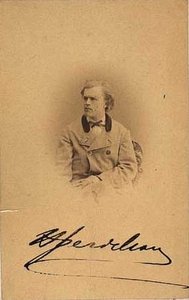
Elisabeth Jerichau-Baumann
1819 - 1881 , United States of America
Osnovne informacije
- Artistic Movement Or Style: Romantic painting, Orientalism
- Artists Who Influenced This Artist: ['Italian painters']
- Date Of Birth: November 21, 1819
- Date Of Death: July 11, 1881
- Full Name: Elisabeth Jerichau Baumann
- Nationality: Polish-Danish
- Notable Artworks:
- Mermaid (Havfrue)
- Hans Christian Andersen portrait
- Place Of Birth: Warsaw, United States of America
Povezani članci
Dante Gabriel Rossetti: 25 Remek-dela Pre-Raphaelita i Inspiracija za Vaš Dom
Istražite 25 remek-dela Dante Gabriel Rossettija, ikone Pre-Raphaelita! Otkrijte priče iza slika, simbolizam i inspiraciju za vaš dom. Kvalitetne reprodukcije na ArtsDot.com.
Iznad Imitacije: Strateška Uloga Fine Art Reprodukcija u Savremenoj Galerijskoj Praksi
Otkrijte svet vrhunskih fine art reprodukcija za elite kolekcionare. Stručno savetovanje, personalizacija i garancija kvaliteta. Investirajte u umetnost sa poverenjem! ArtsDot.
Beyond Imitation: The Cultural Resonance of Fine Art Reproduction & Discerning Collectors
Explore the cultural significance of fine art reproduction & its appeal to discerning collectors. Discover how reproductions enhance aesthetics, build collections, and signal status. Expert insights & museum-quality artistry.
Umjetnost ponovno oživljena: Vodič kroz tehnike reprodukcije uljanih slika, platna i papira
Otkrijte svijet vrhunskih reprodukcija uljanih slika ručnog rada! ArtsDot nudi personalizirane portrete, platna i papir. Kvalitetni materijali, stručni umjetnici & 100% garancija zadovoljstva. Naručite svoju umjetnost danas!
Beyond Replication: Sustaining Art Heritage Through Inspired Reproductions in Contemporary Interiors
Discover museum-quality art reproductions & bespoke paintings crafted by skilled artists. Elevate your home with timeless masterpieces – ethically sourced, expertly curated, and guaranteed to inspire. Explore our collection today!