

 Pregledaj u prostoru
 Pošalji
 Podeli
 Detalji o delu

 Преузми
 Slični predmeti
 Rendgenski snimak
 Slajdovi
 Statistika
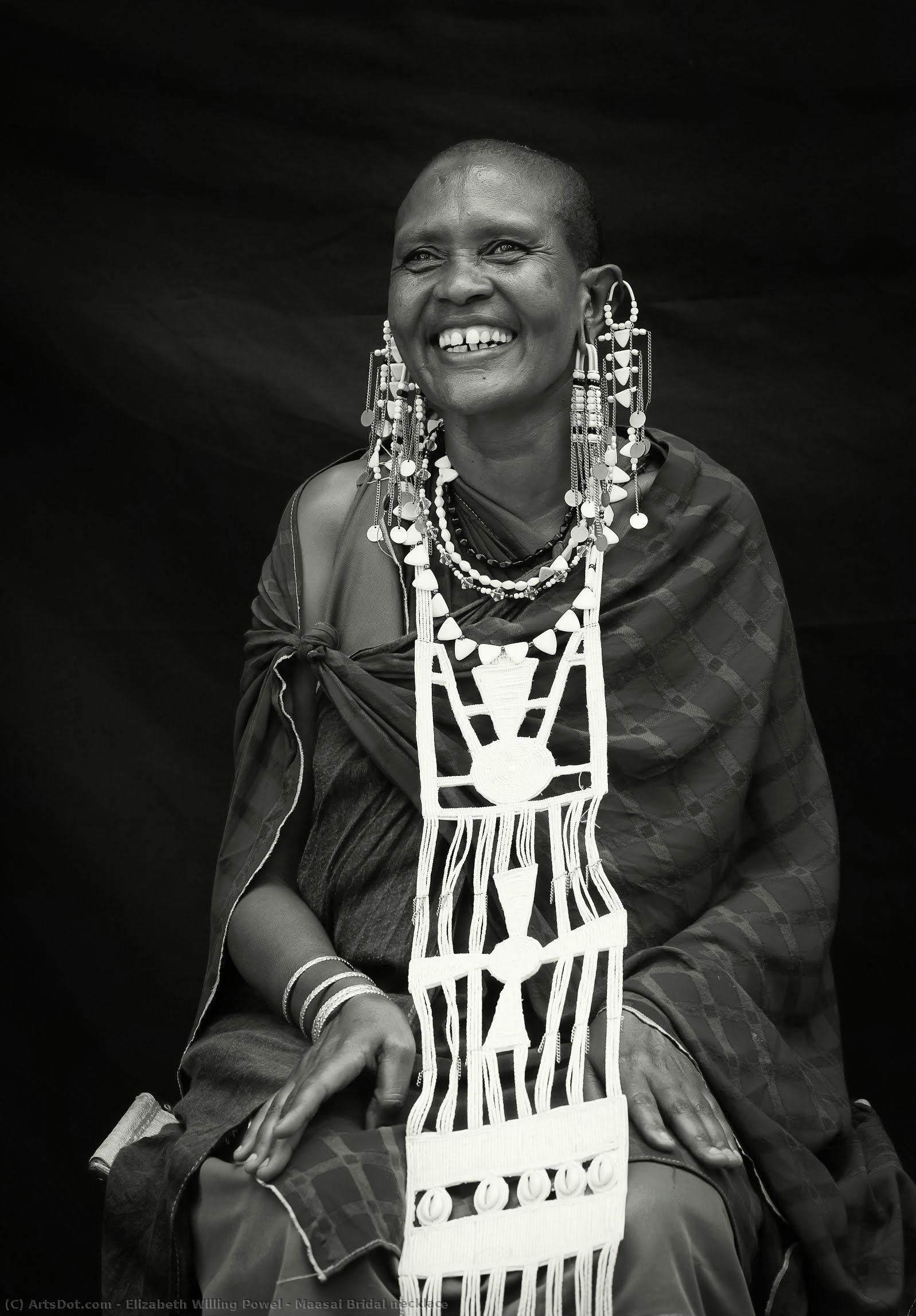
Maasai Bridal necklace


 Pročitaj više
Kupite digitalnu sliku visoke rezolucije i poboljšanog kvaliteta, koja je znatno superiornija od onoga što vidite u online prikazu.
Svaka datoteka je pedantno pripremljena od strane naših stručnjaka koristeći napredne alate i profesionalnu ručnu retušu. Osiguravamo da svaka slika ima izuzetnu oštrinu, preciznu reprodukciju boja i fine detalje.
Konačna datoteka se dostavlja putem e-pošte u roku od 72 sata, optimizovana za neposrednu upotrebu u profesionalnim, izdavačkim i štamparskim okruženjima. To je isti kvalitet kojem veruju vrhunski studiji dizajna, izdavači i galerije.
Digitalna slika
Preuzmite datoteku visoke rezolucije za ličnu upotrebu, štampanje i kreativne projekte. ( Pređi na štampu Kupi ručno naslikanu sliku)
Uključeno uz svaku porudžbinu digitalne slike
Profesionalna digitalna isporuka, zagarantovana
Kada odaberete ArtsDot.com, ne dobijate samo sliku – vi primate profesionalno unapređeno digitalno umetničko delo, izrađeno sa najvećom preciznošću i uz garanciju zadovoljstva. Evo svega što automatski dolazi uz vašu porudžbinu:

Brza dostava putem e-pošte
Vaša digitalna slika visoke rezolucije biće vam poslata putem e-pošte u roku od 72 sata od poručivanja – spremna za trenutnu upotrebu.

Digitalna datoteka unapređena veštačkom inteligencijom
Vaše umetničko delo je profesionalno optimizovano korišćenjem naprednih AI alata i ručne obrade, čime se osiguravaju maksimalni detalji, oštrina i preciznost boja.

Besplatna ponovna isporuka doživotno
Slučajno ste obrisali ili izgubili svoju datoteku? Ne brinite – poslaćemo vam je ponovo u bilo kom trenutku, potpuno besplatno.

Bez troškova uvoza – zauvek
Uživajte u svojim umetničkim delima trenutno, bez carine, dažbina ili troškova dostave – digitalni download je uvek bez poreza.

Garancija vernosti boja
Uz pomoć profesionalnih alata i upravljanja bojama, osiguravamo da vaša digitalna slika što vernije odražava originalne boje.

Garancija zadovoljstva od 100 dana
Ako niste zadovoljni svojom digitalnom slikom, izvršićemo reviziju ili ćemo vam vratiti 100% novca u roku od 100 dana – bez ikakvih pitanja.

100% garancija povrata novca
Niste zadovoljni? Dobijte puni povraćaj novca u roku od 100 dana od prijema digitalne datoteke – bez suvišnih pitanja.

Popusti na velike porudžbine
Kupite 3 slike, uštedite 10% - Kupite 5 slika, uštedite 15% - Kupite 10+ slika, uštedite 20%. Odlično za kreativne projekte, galerije i agencije.
Srodna umetnička dela










Biografija umetnika
Elizabeth Willing Powel: A Philadelphia Patroness and Pioneer of Feminist Thought
Elizabeth Willing Powel (1743-1830) stands as a remarkable figure in the annals of American history—not merely for her social standing within Philadelphia’s elite, but for her unwavering advocacy of women's rights and education during a pivotal era. Born into a wealthy merchant family on February 21st, 1743, Elizabeth’s life unfolded against the backdrop of colonial America’s burgeoning independence movement, shaping her legacy as one of its most influential voices.- Early Life & Family: Elizabeth descended from prominent Quaker families known for their mercantile success. Her father, Charles Willing, served as mayor twice, demonstrating his family's influence in civic affairs. She had five elder siblings and five younger ones, fostering a familial environment that prioritized education and intellectual pursuits. Notably, her brother Thomas would later become Philadelphia’s mayor—a testament to the Willing family’s commitment to leadership and social responsibility.
- Marriage & Domestic Life: Elizabeth married Samuel Powel in 1769, uniting two of Philadelphia's wealthiest families. Their union solidified their position within society and provided Samuel with considerable resources for business ventures. Together they raised a nephew, John Hare Powel, establishing a home on Chestnut Street near Independence Hall—a location that would become synonymous with the intellectual ferment of the time.
The Salonnière & Intellectual Engagement
Elizabeth Willing Powel’s true significance resided in her role as a salonnière – a hostess who cultivated gatherings frequented by prominent thinkers and politicians. Her home became a crucible for debate concerning matters of state, philosophy, and the burgeoning movement for women's emancipation. Unlike many women of her era confined to domestic roles, Elizabeth actively participated in public discourse, challenging conventional notions of femininity and advocating for greater access to education—a stance that foreshadowed the feminist ideals of later generations. Her correspondence with luminaries like George Washington and Benjamin Franklin exemplifies this engagement, demonstrating her ability to persuade influential figures on matters of importance.- Correspondence & Influence: Elizabeth’s letters reveal a keen intellect and a desire for reasoned discussion. Perhaps most famously, she posed a provocative question to Franklin— “What have we got, a republic or a monarchy?”—a query that encapsulated the anxieties surrounding the Constitution's ratification process and underscored her commitment to republican principles.
- The Powel House & Intellectual Hub: The Powel House served as a focal point for Philadelphia’s intellectual life during the Republican Court era. It hosted gatherings attended by writers, artists, and statesmen—creating an environment conducive to fostering new ideas and challenging established orthodoxies.
Artistic Patronage & Ethnographic Studies
Elizabeth Willing Powel wasn't simply a social figure; she was also an artistically inclined woman who actively supported the arts and championed cultural understanding. Her fascination with ethnographic studies—particularly her interest in Maasai culture—manifested in her commissioning of artwork depicting scenes from Africa, reflecting a broader humanist impulse prevalent during the Enlightenment. She recognized the importance of documenting diverse cultures and promoting empathy across geographical boundaries. The resulting paintings offer valuable insights into the artistic tastes and intellectual curiosity of her time.- Maasai Art Collection: Powel’s dedication to Maasai culture resulted in a significant art collection—a testament to her appreciation for visual representation and cultural diversity.
- Symbolism & Representation: Her choice of subjects and artistic style speaks volumes about the values she held dear—values rooted in reason, observation, and an openness to unfamiliar perspectives.
Legacy & Historical Significance
Elizabeth Willing Powel’s influence extended far beyond her immediate social circle. She served as a catalyst for intellectual debate and championed the cause of women's rights—laying groundwork for future generations of feminists. Her unwavering conviction in republican ideals, embodied in her memorable exchange with Franklin, continues to resonate today. Furthermore, the Powel House itself stands as a tangible reminder of Philadelphia’s vibrant cultural landscape during the founding era—a museum dedicated to preserving its architectural heritage and showcasing its artistic treasures. Elizabeth Willing Powel remains an enduring symbol of intellectual curiosity, social activism, and the pursuit of knowledge—a woman who dared to challenge convention and shape the course of American history.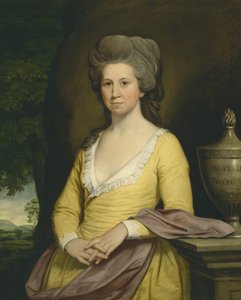
elizabeth willing powel
1743 - 1830 , United States of America
Kratke činjenice
- Artistic Movement Or Style: Portraiture
- Artists Or Movements Influenced By This Artist: ['Republican Court']
- Artists Who Influenced This Artist:
- George Washington
- Benjamin Franklin
- Date Of Birth: February 21, 1743
- Date Of Death: January 17, 1830
- Full Name: Elizabeth Willing Powel
- Nationality: American
- Notable Artworks:
- Maasai Bridal necklace
- White, a favourite of Tanzanian Maasai
- Place Of Birth: Philadelphia, United States