

 Pregledaj u prostoru
 Pošalji
 Podeli
 Detalji o delu

 Преузми
 Slični predmeti
 Rendgenski snimak
 Slajdovi
 Statistika
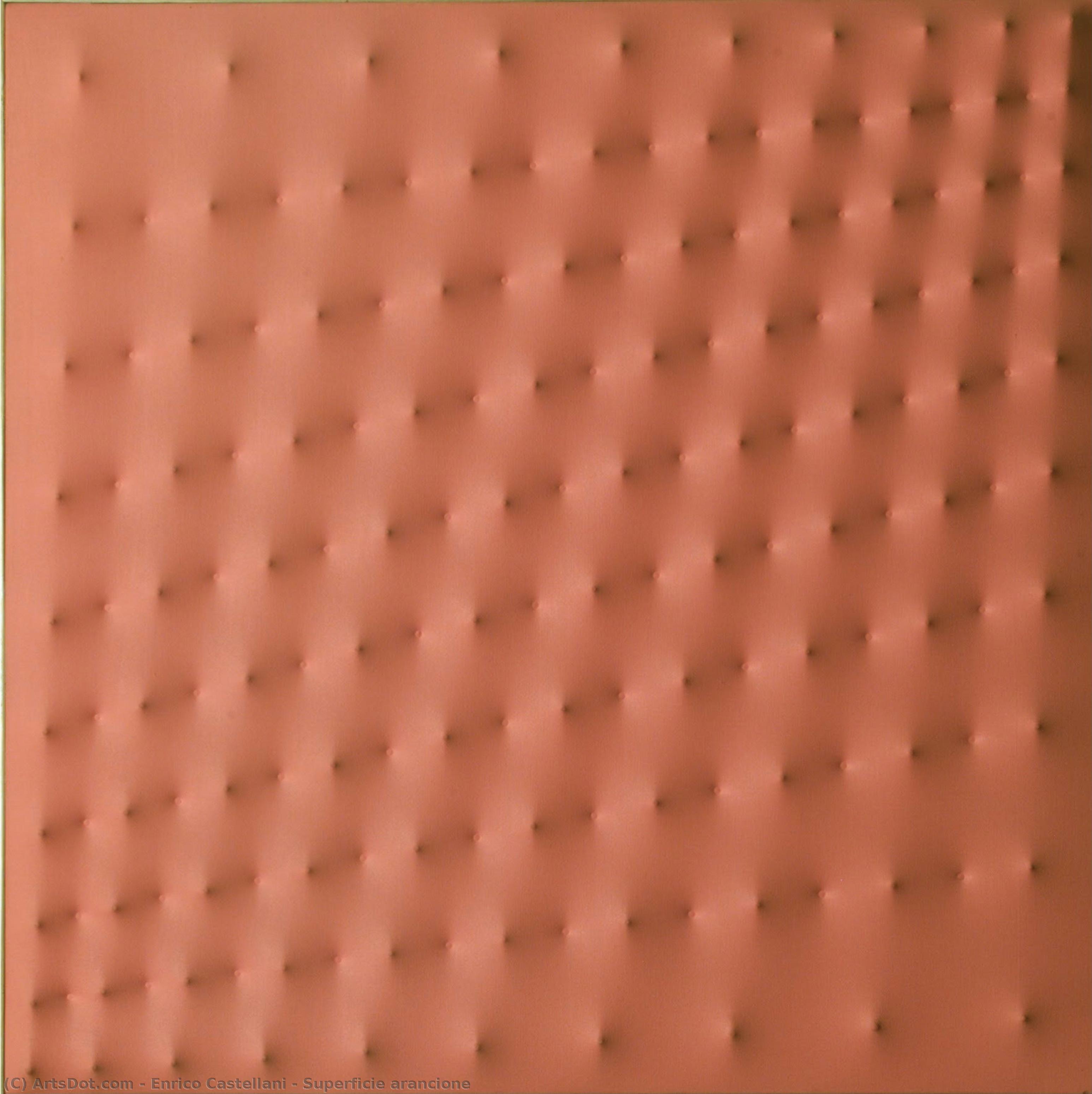
Superficie arancione
 Minimalism
 Modern
 100.0 x 100.0 cm
 Galleria Civica di Arte Moderna e Contemporanea Torino
 Pročitaj više
Giclee štampa / Umetnički otisak
Giclée štampa ili print na platnu muzejskog kvaliteta uz brzu proizvodnju i fleksibilne opcije završne obrade. ( Kupi ručno naslikanu sliku Pređi na digitalnu sliku)

White $1

Blurside $1

Extended $1

































Izaberite jednu od naših unapred definisanih veličina koje odgovaraju originalnim proporcijama umetničkog dela.

Možete uneti sopstvene dimenzije kako biste umetničko delo prilagodili specifičnom okviru ili prostoru. Ako odabrani format ne odgovara proporcijama originalne slike, mi ćemo ili iscrtati deo dela ili proširiti sliku pomoću ogledane ivice ili jednobojnog popunjavanja. Digitalni prikaz će vam biti poslat na odobrenje pre početka proizvodnje.
Imajte na umu da pregled na ekranu ne odražava stvarno iscrtavanje ili proširivanje. Samo će prikaz (mockup) precizno pokazati finalnu kompoziciju.
Iako su prilagođene dimenzije dostupne, preporučujemo da odaberete dimenziju sa unapred definisane liste kako biste očuvali originalne proporcije.
Dostava širom sveta () za 2 nedelje umesto uobičajenih 4/5 nedelja. (8 септембар)

Besplatna ekspresna dostava širom sveta

Visokokvalitetno laneno platno

Kompletno osiguranje transporta

Garancija povraćaja carine i uvoznih dažbina

Garancija vernosti boja

Politika povraćaja u roku od 100 dana (isključivo u slučaju nedostataka)

Garancija povrata novca od 100%

Popust pri grupnoj kupovini
 Opcija sa staklom dostupna je samo za dimenzije manje od 110 cm

Superficie arancione
Giclee štampa / Umetnički otisak
Dimenzije reprodukcije
-


Konačna cena
$ 62
The Tactile Poetry of Surface and Light
In the realm of contemporary abstraction, few artists have mastered the delicate interplay between physical texture and perceived depth as profoundly as Enrico Castellani. His work, Superficie arancione, serves as a mesmerizing testament to his lifelong pursuit of "paintings of light." At first glance, the viewer is met with a vibrant, pulsating field of color that defies the traditional flatness of the canvas. The piece presents a rhythmic topography of small, raised squares and subtle bumps, creating a surface that feels less like a painted image and more like a living, breathing organism. This intricate texture, reminiscent of fine leather or woven fabric, invites the eye to wander across its undulating landscape, discovering how light catches each minute elevation to create a dance of highlights and soft shadows.
The emotional resonance of this work lies in its ability to transform a simple monochromatic palette into a complex sensory experience. While the title suggests an orange surface, the visual reality is a sophisticated spectrum of pinks and warm tones that shift in intensity depending on the viewer's perspective. This chromatic fluidity creates a sense of movement within a static object, evoking feelings of warmth, comfort, and quiet contemplation. For the discerning collector or interior designer, this piece offers more than mere decoration; it provides an atmospheric anchor. It possesses the rare ability to command attention through its structural complexity while simultaneously harmonizing with modern, minimalist environments through its disciplined, repetitive geometry.
A Legacy of Spatial Innovation
To understand the brilliance of Superficie arancione, one must look toward Castellani’s revolutionary position within the mid-20th-century art movement. As a pioneer who bridged the gap between European abstraction and American Minimalism, Castellani sought to strip painting of its representational burdens. He was not interested in depicting objects, but in sculpting the space that exists between the viewer and the canvas. By utilizing relief and repetitive patterns, he effectively broke the two-dimensional plane, turning the artwork into a sculptural entity that interacts with the ambient light of any room. This technique challenges the very definition of painting, transforming it into an architectural element that breathes alongside the surrounding decor.
Integrating a high-quality reproduction of such a masterpiece into a curated space allows for a profound dialogue between historical significance and modern aesthetics. The rhythmic precision of the raised elements provides a sophisticated texture that complements sleek, contemporary furniture or adds a layer of organic complexity to more traditional settings. Whether placed in a sunlit gallery or a dimly lit study, the work continues to perform its primary function: capturing light and redefining space. It remains an essential choice for those who seek to surround themselves with art that is intellectually stimulating, visually captivating, and eternally modern.
Srodna umetnička dela


Biografija umetnika
Enrico Castellani: Sculpting Light and Space
Enrico Castellani (1930-2017) stands as a pivotal figure in 20th-century art, a pioneer who radically redefined the boundaries of painting. Born in Castelmassa, Italy, a small town nestled within the Veneto region, his artistic journey was marked by a relentless pursuit of spatiality and an innovative engagement with light – concepts he termed “paintings of light.” Castellani’s work wasn't merely about depicting reality; it was about creating immersive experiences that challenged traditional notions of two-dimensionality and invited viewers to actively participate in the artwork’s construction. His legacy extends far beyond Italy, profoundly influencing artists like Donald Judd, who famously recognized him as a foundational figure in minimalism.Early Influences and Artistic Formation
Castellani's artistic trajectory began with formal training in sculpture and painting at the Académie Royale des Beaux-Arts in Brussels, followed by studies in architecture at the École Nationale Supérieure des Beaux-Arts in Belgium. This diverse educational background proved crucial to his later work, providing him with a sophisticated understanding of spatial relationships, material properties, and structural principles. Crucially, he moved to Milan in 1956, immersing himself within a vibrant artistic community that included luminaries like Lucio Fontana and Piero Manzoni. These encounters were instrumental in shaping his artistic vision, pushing him towards experimentation and challenging established conventions. The atmosphere of Milan’s avant-garde scene fostered a spirit of radical innovation, encouraging artists to question the very nature of art itself.The ‘Paintings of Light’ and Geometric Reliefs
Castellani's most significant contribution to the art world lies in his development of what he termed “paintings of light.” Beginning in 1959, he began creating monochromatic geometric reliefs using nails hammered into the frames of stretched canvases. This seemingly simple technique yielded astonishing results – the nails subtly distorted the surface of the canvas, creating a complex interplay of light and shadow that transformed the flat plane into a dynamic topography. The resulting works resembled lunar landscapes or intricate geological formations, evoking a sense of depth and spatial ambiguity. He moved beyond nails to incorporate other materials like hazelnuts and fabrics, further manipulating the surface texture and enhancing the illusion of three-dimensionality. These pieces weren’t static objects; they were constantly shifting in appearance depending on the angle of observation and the quality of light.Association with Azimuth and the Zero Movement
Castellani's artistic explorations coincided with a broader movement within European art – the Zero movement. Founded in 1959 alongside Piero Manzoni, he established the Milan gallery Azimut and its associated journal, *Azimuth*, which became a vital platform for disseminating radical ideas and exhibiting groundbreaking works. The group’s aim was to challenge the dominant trends of Abstract Expressionism and other post-war movements, advocating for a new aesthetic sensibility that prioritized spatiality, materiality, and the exploration of the limits of perception. The “Zero” artists sought to dismantle traditional artistic categories and create a space for experimentation and innovation—a rejection of established norms in favor of pure form and concept.Recognition and Legacy
Castellani’s work gained international recognition throughout the 1960s and beyond, with exhibitions at prestigious institutions such as the Museum of Modern Art (MoMA) in New York, the Solomon R. Guggenheim Museum, Centre Pompidou in Paris, and Stedelijk Museum in Amsterdam. He represented Italy at the Venice Biennale in 1964, 1966, 1984, and 2003, solidifying his position as a leading figure in contemporary art. In 2010, he was awarded the Praemium Imperiale for painting – the first Italian artist to receive this prestigious honor. His influence can be seen in the work of numerous artists, including Donald Judd, who considered him a key precursor to minimalism. Enrico Castellani’s legacy endures as a testament to his innovative spirit and his profound impact on the development of 20th-century art, forever changing our understanding of what painting could be.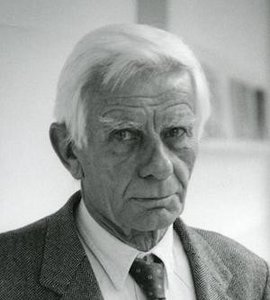
Enrico Castellani
1930 - 2017
Osnovne informacije
- Artistic Movement Or Style: Zero movement, Minimalist
- Artists Or Movements Influenced By This Artist: ['Vincenzo Agnetti']
- Artists Who Influenced This Artist:
- Donald Judd
- Piero Manzoni
- Date Of Birth: 1930
- Date Of Death: 2017
- Full Name: Enrico Castellani
- Nationality: Italian
- Notable Artworks:
- Paintings of light
- Untitled (793)
- Place Of Birth: Castelmassa, Italy
Povezani članci
Sculpting with Soul: An Expert Guide to the Tactile Elegance of Plaster Relief Art
Discover the captivating world of plaster relief art. Our expert guide explores the history, techniques, and curation of textured bas-relief, helping collectors bring depth, light, and soulful dimension to their modern interiors through sophisticated sculptural masterpieces.
The Tactile Canvas: Exploring Texture as Subject, Materiality & Meaning in Art History
Explore the rich history of texture in art! Discover how artists from Van Gogh to contemporary masters use materiality & technique to create captivating tactile experiences. Deepen your art appreciation with ArtsDot.

The Magic of Collage: How to Layer Texture and Story into Your Home Decor
Elevate your interiors with the magic of collage. Discover expert tips on layering texture, 3D elements, and personal narratives through mixed media art to create a soulful, sophisticated home decor experience.
ArtsDot.com F.A.Q.: Teksturne štampe – Postizanje izgleda i osećaja uljane slike za elitu kolekcionara
Otkrijte vrhunske teksturne štampe u ArtsDot.com – savršena alternativa uljanim slikama za elite kolekcionare. Personalizacija, autentičan izgled i garancija kvaliteta. Naručite remek-delo danas!
Blush & Brilliance: 10 Iconic Paintings Dominated by Light Pink Tones |
Explore 10 iconic paintings bathed in captivating light pink tones! From Monet's Impressionism to Renoir’s romance, discover the stories behind these blush-hued masterpieces. Find museum-quality art reproductions & decor inspiration at .