

 Pregledaj u prostoru
 Pošalji
 Podeli
 Detalji o delu

 Преузми
 Slični predmeti
 Rendgenski snimak
 Slajdovi
 Statistika
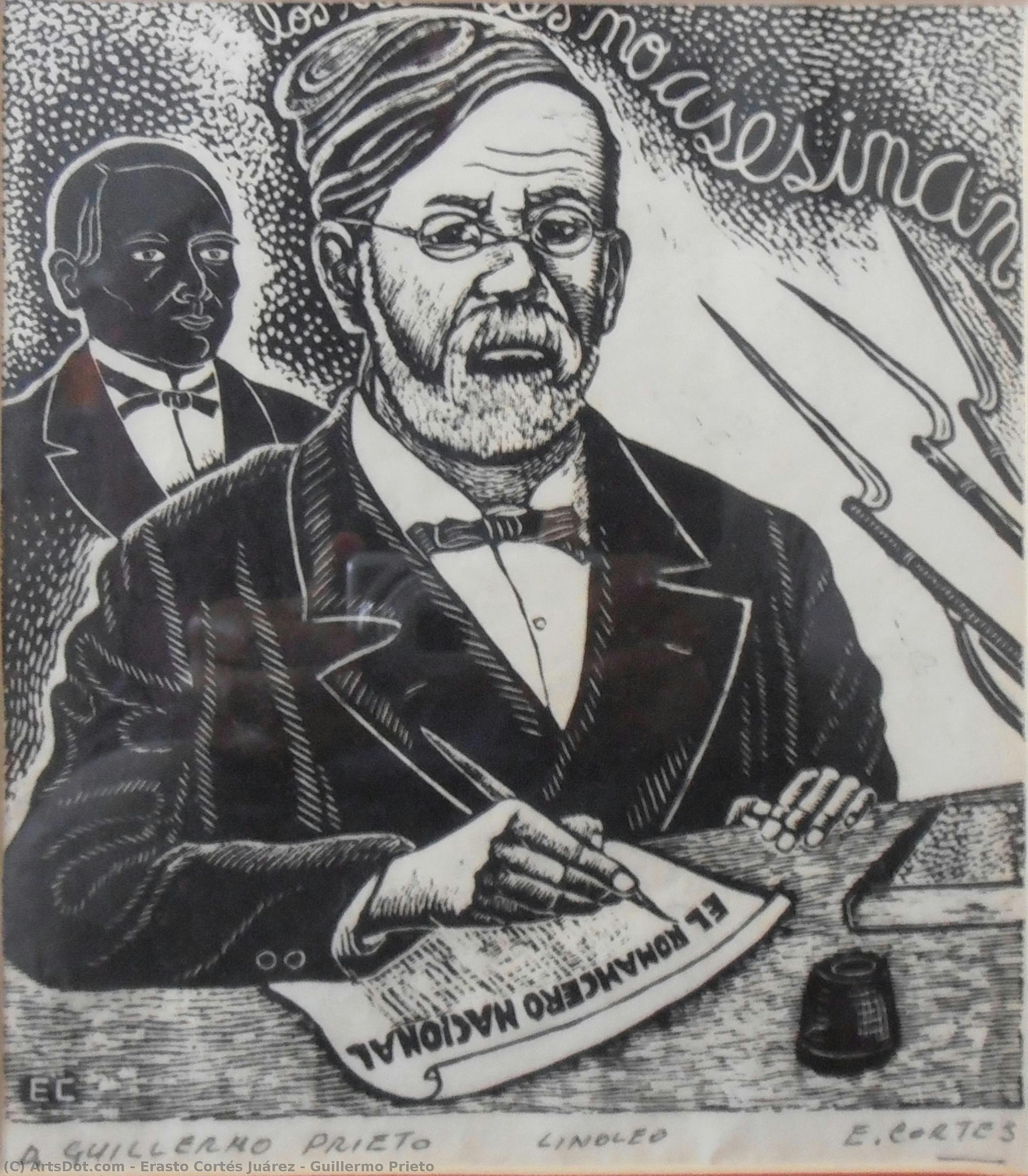
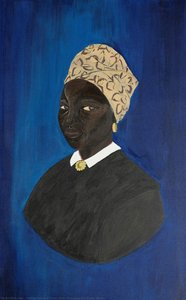
Guillermo Prieto
 1930
1930 21.0 x 19.0 cm
 Fundación Universidad de las Américas Puebla
 Pročitaj više
Giclee štampa / Umetnički otisak
Giclée štampa ili print na platnu muzejskog kvaliteta uz brzu proizvodnju i fleksibilne opcije završne obrade. ( Kupi ručno naslikanu sliku Pređi na digitalnu sliku)




































Izaberite jednu od naših unapred definisanih veličina koje odgovaraju originalnim proporcijama umetničkog dela.

Možete uneti sopstvene dimenzije kako biste umetničko delo prilagodili specifičnom okviru ili prostoru. Ako odabrani format ne odgovara proporcijama originalne slike, mi ćemo ili iscrtati deo dela ili proširiti sliku pomoću ogledane ivice ili jednobojnog popunjavanja. Digitalni prikaz će vam biti poslat na odobrenje pre početka proizvodnje.
Imajte na umu da pregled na ekranu ne odražava stvarno iscrtavanje ili proširivanje. Samo će prikaz (mockup) precizno pokazati finalnu kompoziciju.
Iako su prilagođene dimenzije dostupne, preporučujemo da odaberete dimenziju sa unapred definisane liste kako biste očuvali originalne proporcije.
Dostava širom sveta () za 2 nedelje umesto uobičajenih 4/5 nedelja. (10 септембар)

Besplatna ekspresna dostava širom sveta

Visokokvalitetno laneno platno

Kompletno osiguranje transporta

Garancija povraćaja carine i uvoznih dažbina

Garancija vernosti boja

Politika povraćaja u roku od 100 dana (isključivo u slučaju nedostataka)

Garancija povrata novca od 100%

Popust pri grupnoj kupovini
 Opcija sa staklom dostupna je samo za dimenzije manje od 110 cm

Guillermo Prieto
Giclee štampa / Umetnički otisak
Dimenzije reprodukcije
-


Konačna cena
$ 62
Srodna umetnička dela






Biografija umetnika
Erasto Cortés Juárez: A Pioneer of Mexican Printmaking
Born in Tepeac, Puebla, in 1900, Erasto Cortés Juárez emerged as a pivotal figure in the development of Mexican art during the 20th century. His life and career were inextricably linked to the burgeoning Salón de la Plástica Mexicana, a movement that sought to establish a distinctly national artistic identity following the Mexican Revolution. More than simply an artist, Cortés Juárez was a dedicated educator, a passionate collector, and a tireless advocate for the revival of printmaking within Mexico – earning him the moniker “the missionary of engraving.” His work, often imbued with social commentary and a deep connection to Mexican culture and history, continues to resonate today.
Early Life and Artistic Training
Erasto Cortés Juárez’s early life unfolded in Tepeac, a region renowned for its vibrant artistic traditions. He began his formal training at the Academia de San Carlos in Mexico City in 1917, immersing himself in the classical foundations of art education. However, recognizing a desire for greater freedom and experimentation, he later enrolled in the Escuela de Pintura al Aire Libre in Coyoacán in 1922, where he embraced the principles of *plein air* painting – working directly from nature. This period proved crucial in shaping his observational skills and understanding of light and color. His classmates included notable figures like Federico Cantú and Gabriel Fernández Ledesma, creating a fertile ground for artistic exchange and mutual influence.
The Salón de la Plástica Mexicana and Political Engagement
Cortés Juárez’s career truly took flight with his membership in the Salón de la Plástica Mexicana, founded in 1937. This influential group of artists aimed to establish a national style that moved beyond European influences and embraced Mexican themes, history, and social realities. He became deeply involved in various intellectual and artistic circles, including Grupo 30-30, Lucha Intellectual Proletaria, and the Liga de Escritores y Aritistas Revolucionarios (LEAR). His political and artistic convictions led him to participate in the Taller de Gráfica Popular, a collective dedicated to producing politically charged graphic art for the working class. This engagement with social justice fueled much of his work, often depicting scenes of Mexican life and history with a critical eye.
Mastering the Art of Engraving
While initially trained in painting, Cortés Juárez’s true genius lay in his mastery of engraving. He began to seriously pursue this medium around 1948, dedicating himself to its revival within Mexico after a period of relative neglect. He experimented with various techniques – woodcuts, linoleum prints, and stone engravings – meticulously crafting each image with remarkable detail and precision. His work frequently featured scenes from Mexican history, folklore, and daily life, often imbued with symbolic meaning. He wasn’t merely replicating images; he was actively shaping a visual language that reflected his understanding of Mexican identity.
Legacy and Recognition
Erasto Cortés Juárez's contribution to Mexican art is profound and multifaceted. He played a crucial role in revitalizing printmaking as a respected artistic form, inspiring generations of artists. His dedication to teaching at the Escuela Nacional de Artes Plásticas and the Escuela Nacional de Pintura, Escultura y Grabado “La Esmeralda” ensured that his techniques and knowledge were passed on. He was recognized for his efforts with membership in the Academia de Artes in 1968, and a retrospective of his work was held at the Palacio de Bellas Artes in 1970. His legacy lives on through his extensive collection of engravings housed in institutions such as the Museo Nacional de la Estampa, the Museum of Modern Art in New York, and the Library of Congress, ensuring that his artistic vision continues to be appreciated and studied for years to come. The Puebla state government established the Museo Taller Erasto Cortés in 1986, preserving his work and celebrating his life’s dedication to art.
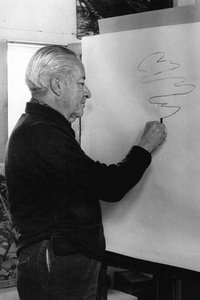
erasto cortés juárez
1900 - 1972 , Mexico
Osnovne informacije
- Artistic Movement Or Style: Plástica Mexicana
- Date Of Birth: August 26, 1900
- Date Of Death: December 8, 1972
- Full Name: Erasto Cortés Juárez
- Nationality: Mexican
- Notable Artworks:
- En el balcón
- Tehuanas
- Place Of Birth: Tepeac, Mexico