

 Pregledaj u prostoru
 Pošalji
 Podeli
 Detalji o delu

 Преузми
 Slični predmeti
 Rendgenski snimak
 Slajdovi
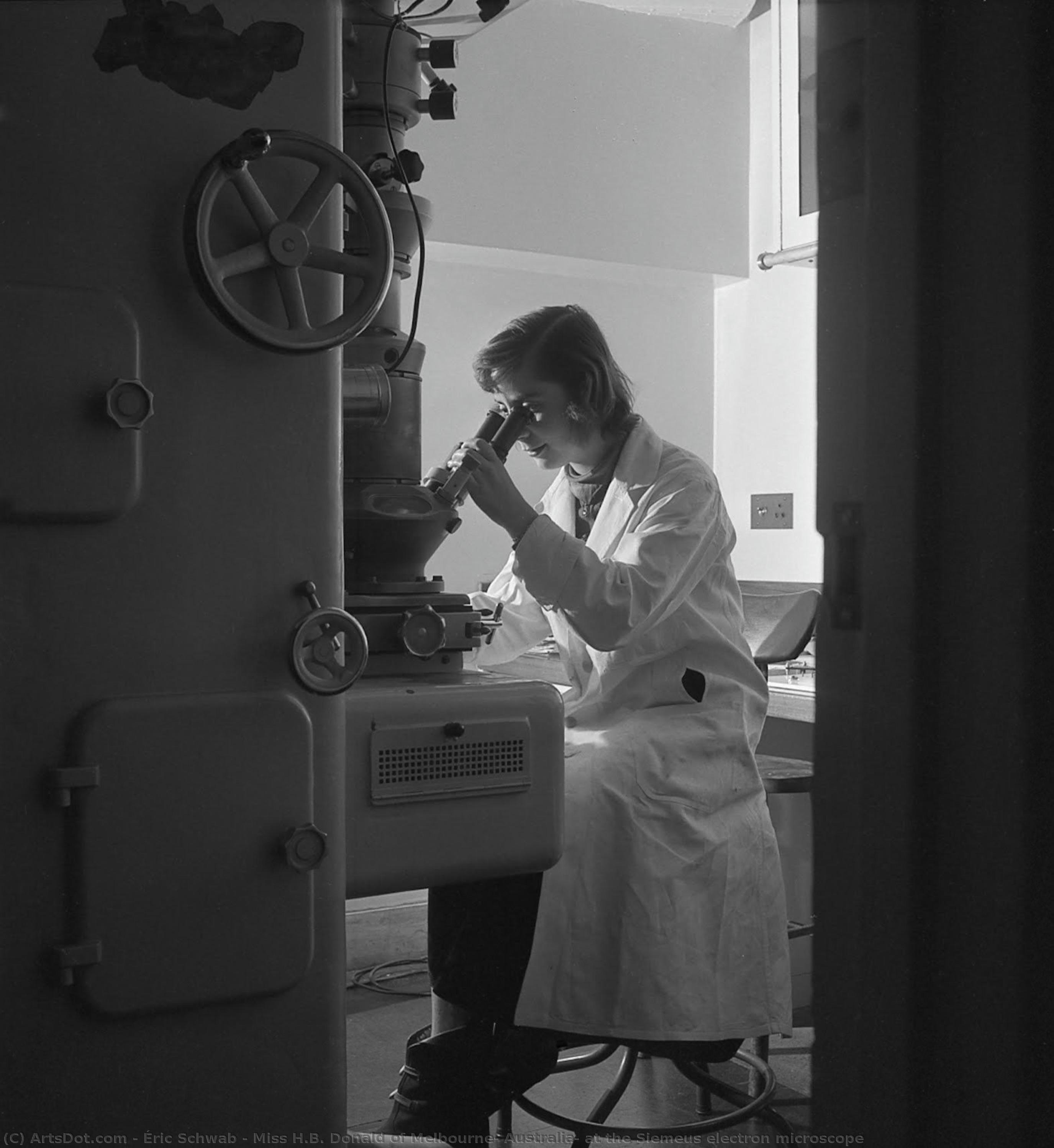
Miss H.B. Donald of Melbourne, Australia, at the Siemeus electron microscope


 Pročitaj više
Kupite digitalnu sliku visoke rezolucije i poboljšanog kvaliteta, koja je znatno superiornija od onoga što vidite u online prikazu.
Svaka datoteka je pedantno pripremljena od strane naših stručnjaka koristeći napredne alate i profesionalnu ručnu retušu. Osiguravamo da svaka slika ima izuzetnu oštrinu, preciznu reprodukciju boja i fine detalje.
Konačna datoteka se dostavlja putem e-pošte u roku od 72 sata, optimizovana za neposrednu upotrebu u profesionalnim, izdavačkim i štamparskim okruženjima. To je isti kvalitet kojem veruju vrhunski studiji dizajna, izdavači i galerije.
Digitalna slika
Preuzmite datoteku visoke rezolucije za ličnu upotrebu, štampanje i kreativne projekte. ( Kupi print Kupi ručno naslikanu sliku)
Uključeno uz svaku porudžbinu digitalne slike
Profesionalna digitalna isporuka, zagarantovana
Kada odaberete ArtsDot.com, ne dobijate samo sliku – vi primate profesionalno unapređeno digitalno umetničko delo, izrađeno sa najvećom preciznošću i uz garanciju zadovoljstva. Evo svega što automatski dolazi uz vašu porudžbinu:

Brza dostava putem e-pošte
Vaša digitalna slika visoke rezolucije biće vam poslata putem e-pošte u roku od 72 sata od poručivanja – spremna za trenutnu upotrebu.

Digitalna datoteka unapređena veštačkom inteligencijom
Vaše umetničko delo je profesionalno optimizovano korišćenjem naprednih AI alata i ručne obrade, čime se osiguravaju maksimalni detalji, oštrina i preciznost boja.

Besplatna ponovna isporuka doživotno
Slučajno ste obrisali ili izgubili svoju datoteku? Ne brinite – poslaćemo vam je ponovo u bilo kom trenutku, potpuno besplatno.

Bez troškova uvoza – zauvek
Uživajte u svojim umetničkim delima trenutno, bez carine, dažbina ili troškova dostave – digitalni download je uvek bez poreza.

Garancija vernosti boja
Uz pomoć profesionalnih alata i upravljanja bojama, osiguravamo da vaša digitalna slika što vernije odražava originalne boje.

Garancija zadovoljstva u roku od 60 dana
Ako niste zadovoljni svojom digitalnom slikom, revidirat ćemo je ili vratiti 100% novca u roku od 60 dana – bez ikakvih pitanja.

100% garancija povrata novca
Niste zadovoljni? Obezbedite pun povrat novca u roku od 60 dana od trenutka kada ste primili svoju digitalnu datoteku – bez suvišnih pitanja.

Popusti na velike porudžbine
Kupite 3 slike, uštedite 10% - Kupite 5 slika, uštedite 15% - Kupite 10+ slika, uštedite 20%. Odlično za kreativne projekte, galerije i agencije.
Srodna umetnička dela









Biografija umetnika
The Lens of Witness: The Life and Legacy of Éric Schwab
To look through the lens of Éric Schwab is to confront the raw, unvarnished truth of the twentieth century. A photographer whose work serves as a visceral bridge between catastrophe and memory, Schwab did not merely observe history; he pursued it into the darkest corners of human existence. Born in 1910 in Hamburg, his very identity was forged at the intersection of cultures—the son of a Frenchman and a German woman. This transatlantic heritage, however, would soon be overshadowed by the encroaching shadows of the Nazi regime. The persecution of his Jewish family, including the tragic deportation of his mother to Theresienstadt, instilled in him a profound, lifelong empathy for the displaced and the persecuted. It was this personal connection to suffering that transformed his photography from mere reportage into a sacred act of bearing witness.
Schwab’s journey through the mid-century was one of immense courage and physical peril. After being caught in the chaotic evacuation at Dunkirk in 1940, he navigated the treacherous landscape of occupied France, eventually joining the French Resistance. This period of clandestine struggle sharpened his eye for the nuances of survival and resistance. Following the liberation of Paris in 1944, Schwab joined the newly founded Agence France-Presse (AFP). It was here that his historical significance reached its zenith. Alongside journalists like Meyer Levin, he ventured into the heart of liberated Germany in the spring of 1945. His camera captured the unimaginable horrors of the concentration camps, including Buchenwald and Dachau, providing the world with undeniable photographic evidence of Nazi atrocities. These images were not merely news; they were indictments, stripping away the veil of denial to reveal the true scale of the Holocaust.
From War Correspondent to Humanitarian Chronicler
As the smoke of World War II cleared, Schwab’s photographic mission underwent a profound evolution, shifting from the documentation of war crimes to the recording of global humanitarian progress. In the 1950s and 1960s, his talent for capturing the human element of scientific and social advancement led him to work with several United Nations organizations, most notably the World Health Organization (WHO). His work during this era moved away from the grim landscapes of death toward the meticulous, hopeful documentation of life-saving science. He became a chronicler of the microscopic and the monumental alike, capturing the development of vaccines and the intense efforts of the World Influenza Centre in London during global health crises.
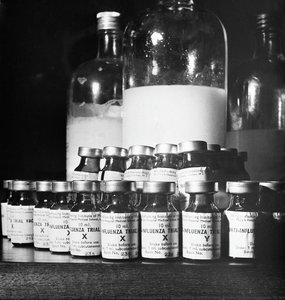
In these later works, one finds a different kind of tension—the race against time and disease. His photographs of the 1957 Asian Influenza epidemic, for instance, possess a clinical yet deeply humanistic quality. He documented the preparation of vaccines at the Wright-Fleming Institute and the faces of those volunteering for medical trials with the same unflinching focus he once applied to the liberation of Europe. Whether focusing on a close-up of a vaccine vial or the intense concentration of a scientist peering through an electron microscope, Schwab maintained a consistent thematic thread: the resilience of the human spirit in the face of existential threats.
The enduring significance of Éric Schwab lies in his ability to bridge the gap between the individual and the historical. His body of work remains an essential archive for understanding the twentieth century's most defining moments. Through his eyes, we see:
- The Unspeakable Truth: The harrowing, undeniable visual testimony of the Nazi concentration camps that forced a global reckoning with the Holocaust.
- The Spirit of Resistance: The quiet, dangerous bravery of those fighting for liberation in occupied territories.
- The Triumph of Science: The meticulous and often heroic efforts of international health organizations to combat global pandemics and advance human longevity.
Ultimately, Schwab’s photography transcends the boundaries of photojournalism. He was a man who used light to illuminate the darkness, ensuring that the victims of history would never be forgotten and that the triumphs of humanity would be recorded with clarity and grace.
éric schwab
1910 - 1977 , France
Kratke činjenice
- Artistic Movement Or Style: Photography
- Date Of Birth: 1910 Hamburg France
- Date Of Death: 1977
- Full Name: Éric Schwab
- Nationality: French
- Notable Artworks:
- Miss H.B. Donald of Melbourne, Australia, at the Siemeus electron microscope
- The day starts at the World Influenza Centre, London
- Room No. 215 - The World Influenza Centre, London
- Place Of Birth: Hamburg France

