 Pošalji
 Podeli
 Detalji o delu

 Преузми
 Slični predmeti
 Slajdovi
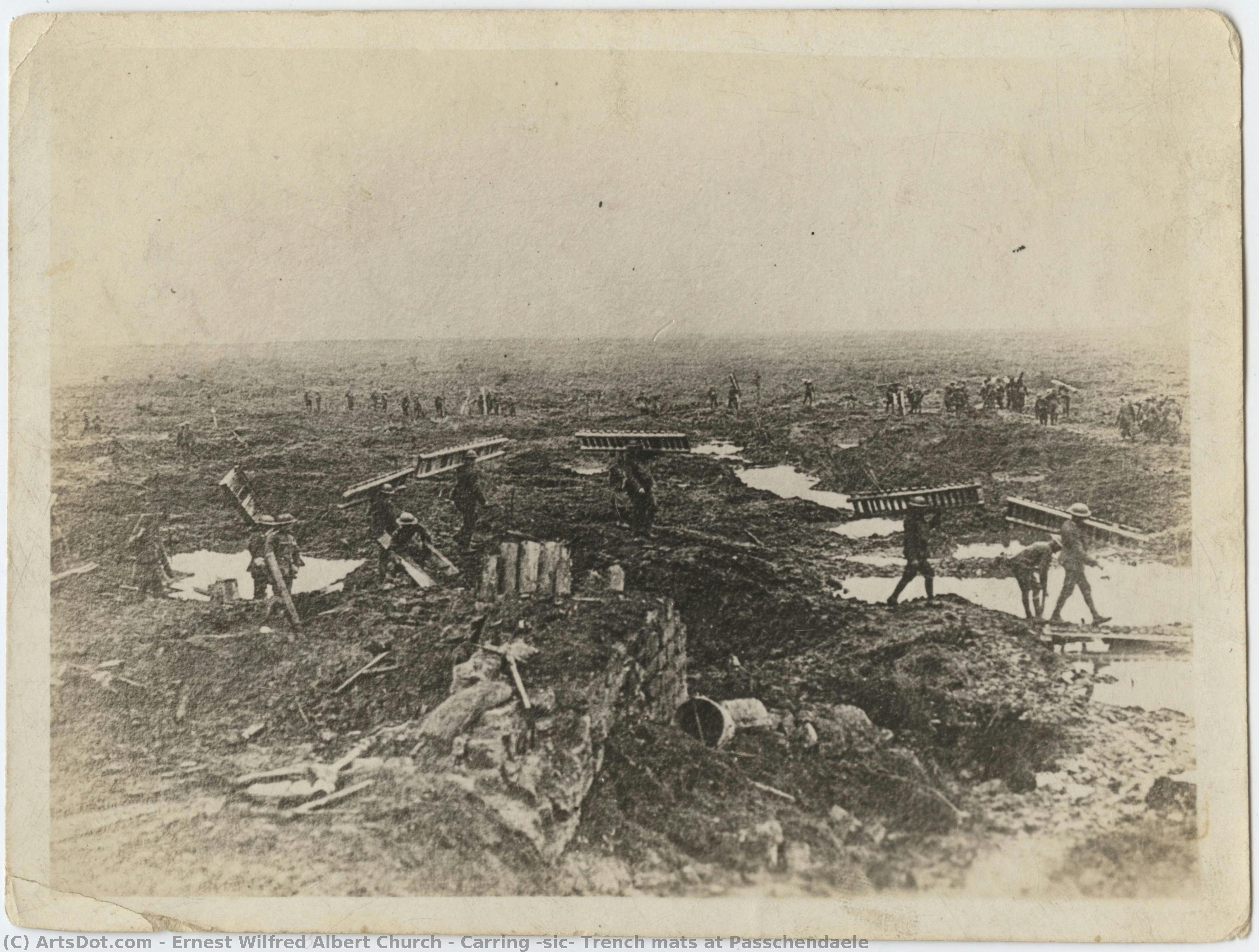
Носити канти за ратно време у Пашкендаелу
 Digitalna umetnost
- Digitalna umetnost
- Pre-Raphaelite Brotherhood
 1917
1917 Narodni muzej i spomenik Prvog svetskog rata
 Pročitaj više
Giclee štampa / Umetnički otisak
Giclée štampa ili print na platnu muzejskog kvaliteta uz brzu proizvodnju i fleksibilne opcije završne obrade. ( Kupi ručno naslikanu sliku Kupi digitalnu sliku)




































Izaberite jednu od naših unapred definisanih veličina koje odgovaraju originalnim proporcijama umetničkog dela.

Možete uneti sopstvene dimenzije kako biste umetničko delo prilagodili specifičnom okviru ili prostoru. Ako odabrani format ne odgovara proporcijama originalne slike, mi ćemo ili iscrtati deo dela ili proširiti sliku pomoću ogledane ivice ili jednobojnog popunjavanja. Digitalni prikaz će vam biti poslat na odobrenje pre početka proizvodnje.
Imajte na umu da pregled na ekranu ne odražava stvarno iscrtavanje ili proširivanje. Samo će prikaz (mockup) precizno pokazati finalnu kompoziciju.
Iako su prilagođene dimenzije dostupne, preporučujemo da odaberete dimenziju sa unapred definisane liste kako biste očuvali originalne proporcije.
Dostava širom sveta () za 2 nedelje umesto uobičajenih 4/5 nedelja. (30 август)

Besplatna ekspresna dostava širom sveta

Visokokvalitetno laneno platno

Kompletno osiguranje transporta

Garancija povraćaja carine i uvoznih dažbina

Garancija vernosti boja

Politika povrata u roku od 60 dana (samo u slučaju nedostataka)

Garancija povrata novca od 100%

Popust pri grupnoj kupovini
 Opcija sa staklom dostupna je samo za dimenzije manje od 110 cm

Носити канти за ратно време у Пашкендаелу
Giclee štampa / Umetnički otisak
Dimenzije reprodukcije
-


Konačna cena
$ 62
Pozorno gledanje na težnje za položajima u Poschendaelu
Ernest Wilfred Albert Church, fotograf koji je zabilježio užasne okolnosti Prvog svjetskog rata. Fotografija prikazuje grupu muškaraca koji nose drvene ploče preko blatnjave pokrajine tijekom rata I. Muškarci nose uniforme i izgledaju kao timski radnici. Vidljivo je najmanje 14 ljudi, neki su bliže prednje pozicije dok drugi gledaju iz daljine. Drvene ploče koje nose razlikuju se veličinom i oblikom; neke su duže i deblje od drugih. Muškarci su raspoređeni po polju, s nekoliko položaja u središtu slike i nekoliko na rubovima. Fotografija je iskrena prizorna slika borbene stvarnosti i timskog rada koji je potreban tijekom rata I. Fotografijom je zabilježeno stanje velikih vojnih sukoba koji su oblikovali istoriju.- Stil: Fotografija iz vremena Prvog svjetskog rata, karakteristična za estetiku Pre-Raphaelita.
- Tehnika: Čista bijela i crna boja korištena kako bi se maksimalno istaknula stvarnost borbene situacije. Fotografija je napravljena pomoću velikog fotoaparata koji je bio dostupan vojnicima u to vrijeme.
- Историјски контекст: Fotografija prikazuje težnje za položajima u Poschendaelu, mjestu gdje su Britanci i Nijemci vodili intenzivne borbene sukobe tijekom rata I. Fotografija je zabilježena 1917 godine.
- Симболизам: Drvene ploče predstavljaju težnju za položajima i potrebu za zaštitom vojnika od vremenske pogodnosti kao što su kiša i hladnoća. Čista boja simbolizuje iskrenost i fokus na prikazivanje stvarnosti borbene situacije.
- Емоционални утицај: Fotografija izaziva emocije empatije i žaljenja zbog težnji za položajima i žrtve koje su vojnici podnosili tijekom rata I. Izraz lica muškaraca koji nose ploče prenosi napetost i fokus na obavljanje zadatka.
Srodna umetnička dela
Biografija umetnika
A Witness to the Great War: The Lens of Ernest Wilfred Albert Church
In the harrowing landscape of the First World War, where the earth itself seemed to dissolve into a quagmire of mud and despair, few voices captured the visceral reality of combat as starkly as Ernest Wilfred Albert Church. A Canadian photographer operating amidst the chaos of the Western Front, Church did not merely document events; he froze moments of profound human struggle within the silver halide of his film. His work serves as a haunting, monochromatic window into the Battle of Passchendaele, offering a perspective that transcends mere historical record to become an intimate encounter with the brutality of trench warfare.
The life of Church is inextricably linked to the heavy atmosphere of 1917, a period defined by unprecedented industrial slaughter. While many photographers of the era focused on the grand movements of armies or the heroic portraits of commanders, Church’s eye was drawn to the granular, often overlooked details of survival. His imagery captures the grit and the physical labor required to endure the elements, such as the arduous task of transporting trench mats through the sludge. Through his lens, the viewer is forced to confront the unvarnished truth of the soldier's existence—a life defined by wooden planks, heavy loads, and an ever-present sense of peril.
The Artistry of the Unfiltered Moment
Technically, Church’s contributions to the photographic canon of World War I rely on a raw, documentary aesthetic that eschews romanticism. There is no attempt to beautify the carnage; instead, there is a profound focus on texture and composition that highlights the environmental devastation. His photographs utilize the high contrast of black and white to emphasize the skeletal remains of landscapes and the weary expressions of military personnel. The way light interacts with the wet, churned earth in his shots creates a sense of depth that makes the viewer feel as though they are standing alongside the troops in the trenches.
The significance of his work lies in its ability to bridge the gap between historical fact and emotional resonance. By focusing on subjects like the Carring [sic] Trench mats at Passchendaele, Church highlights the logistical nightmare of the war. These images are not just about combat; they are about the infrastructure of misery. His ability to find a composition within the chaos—capturing the weight of the wooden planks and the struggle of the men carrying them—elevates his work from simple journalism to a poignant form of visual storytelling that speaks to the resilience and the exhaustion of a generation.
Legacy in the Shadows of History
Though his life was cut short by the very era he documented, the legacy of Ernest Wilfred Albert Church remains etched in the historical consciousness. His photographs act as vital artifacts for historians and art enthusiasts alike, providing a somber counterpoint to the propaganda often circulated during wartime. He remains a pivotal figure for anyone seeking to understand the true human cost of the Great War.
The enduring impact of his photographic journey can be summarized through several key elements:
- Historical Authenticity: Providing an unfiltered, unromanticized view of the Passchendaele battlefield.
- Human Connection: Focusing on the individual struggles and physical burdens of the Canadian soldiers.
- Visual Documentation: Preserving the specific textures and environmental conditions of trench warfare for future generations.
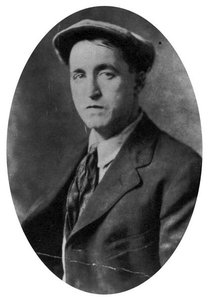
ernest wilfred albert church
1896 - 1917 , Canada
Osnovne informacije
- Artistic Movement Or Style: Pre-Raphaelite
- Artists Or Movements Influenced By This Artist:
- William Holman Hunt
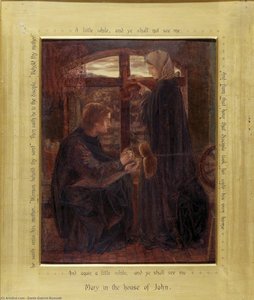
- Dante Gabriel Rossetti
- Artists Who Influenced This Artist: ['Sir John Everett Millais']
- Date Of Birth: 8 June 1829
- Date Of Death: 13 August 1896
- Full Name: John Everett Millais
- Nationality: English
- Notable Artworks:
- Ophelia
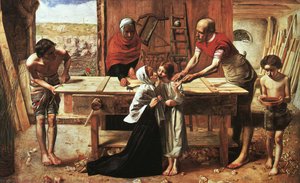
- Christ in the House of His Parents
- Autumn Leaves
- Place Of Birth: Southampton, England