

 Pregledaj u prostoru
 Pošalji
 Podeli
 Detalji o delu

 Преузми
 Slični predmeti
 Rendgenski snimak
 Slajdovi
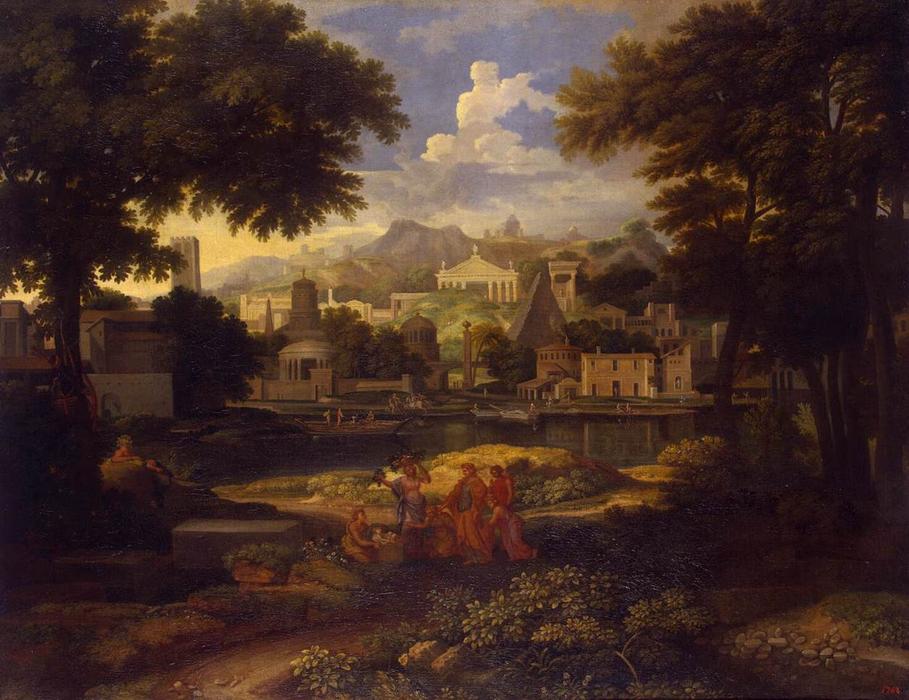
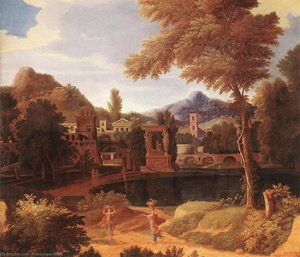
Landscape with the Finding of Moses
 88.0 x 115.0 cm
 Hermitage Museum
 Pročitaj više
Ručno rađena uljana reprodukcija
Ručno oslikano uljanim bojama na platnu u dimenzijama i okviru po vašem izboru, izrađeno po porudžbini od strane naših umetnika. ( Kupi print Kupi digitalnu sliku)




































Izaberite jednu od naših unapred definisanih veličina koje odgovaraju originalnim proporcijama umetničkog dela.

Можете унети сопствене димензије како бисте прилагодили дело одређеном оквиру или простору. Ако одабрана величина не одговара пропорцијама оригинала, слика ће бити исечена или проширена додатним елементима који се ручно насликавају. Дигитални prikaz ће вам бити послат на одобрење пре почетка производње.
Имајте на уму да преглед на екрану не одражава стварно исецање или проширење. Само приказ (mockup) ће тачно приказати коначну композицију.
Иако су доступне прилагођене величине, препоручујемо да одаберете димензију из дефинисане листе како бисте сачували оригиналне пропорције.
Nakon narudžbine, tim ArtsDot.com će klijentu putem e-pošte poslati uputstva i dostaviti prikaz predloženog rešenja
Isporuka širom sveta () za 3/4 nedelje umesto uobičajenih 5 nedelja. (23 август). Bez kompromisa po pitanju kvaliteta.

Besplatna ekspresna dostava širom sveta

Visokokvalitetno laneno platno

Kompletno osiguranje transporta

Garancija povraćaja carine i uvoznih dažbina

Garancija vernosti boja

Politika povrata u roku od 60 dana (samo u slučaju nedostataka)

Garancija povrata novca od 100%

Popust pri grupnoj kupovini
 Opcija sa staklom dostupna je samo za dimenzije manje od 110 cm

Landscape with the Finding of Moses
Tehnika reprodukcije
Dimenzije reprodukcije
-


Konačna cena
$ 263
Srodna umetnička dela






Biografija umetnika
A Master of Atmospheric Light: The Life and Art of Étienne Allegrain
Étienne Allegrain, born in Paris in 1644 and passing away in the same city in 1736, occupies a fascinating, if often understated, position within the landscape tradition of 17th and early 18th-century France. He wasn’t a painter who sought radical innovation or dramatic flair; rather, Allegrain cultivated a quiet mastery of atmosphere, light, and classical composition, deeply rooted in the legacy of Nicolas Poussin yet imbued with his own distinctive sensibility. His work evokes not grand narratives but subtle moods—still ambiences and contemplative scenes that offer a glimpse into an idealized pastoral world.Early Life and Academic Foundations
Allegrain’s artistic journey began, it is believed, under the tutelage of Henri Mauperché, though concrete details regarding his early training remain scarce. What *is* known is that he successfully navigated the rigorous demands of the Académie Royale de Peinture et Sculpture, gaining agréé status in 1676 and full membership a year later with the presentation of “The Flight into Egypt,” a work sadly now lost to time. This acceptance into the Academy signaled his adherence to established artistic principles and his potential for success within the Parisian art world. The Allegrain family itself was steeped in artistic tradition; his brother, Jean-Baptiste, was a sculptor, and his son, Gabriel, followed in his father’s footsteps as a landscape painter—making distinctions between their works often proving challenging even for contemporary connoisseurs. This familial dedication to artistry underscores the importance placed on skill and lineage within the French art system of the period.The Influence of Poussin and Classical Ideals
Allegrain’s artistic debt to Nicolas Poussin is undeniable, forming the bedrock of his stylistic approach. He absorbed Poussin's emphasis on clarity of form, balanced composition, and a sense of idealized order within nature. However, Allegrain didn’t simply replicate Poussin’s style; he softened its severity, introducing a more nuanced play of light and shadow that created a distinctly atmospheric quality. Where Poussin often presented landscapes as grand historical stages, Allegrain focused on evoking the *feeling* of a place—the stillness of an afternoon, the gentle warmth of sunlight filtering through trees. His paintings are less about specific locations and more about capturing a timeless sense of tranquility and beauty. He shared this classical sensibility with Claude Lorrain, though Allegrain’s palette tended towards deeper, richer tones than Claude's brighter luminosity.Royal Commissions and Artistic Legacy
Allegrain’s talent didn’t go unnoticed by the French court. In 1691, he was commissioned to contribute to a series of paintings depicting views of the Château de Versailles for the Grand Trianon (Trianon de Marbre). He worked alongside other prominent artists like Jean Cotelle II and Jean-Baptiste Martin I on this prestigious project, creating scenes that glorified the opulence and grandeur of Louis XIV’s palace. These commissions solidified his reputation as a skilled topographical painter capable of capturing both architectural detail and natural beauty. While Allegrain may not have achieved the widespread fame of Poussin or Claude Lorrain, he cultivated a loyal following among collectors who appreciated his refined technique and evocative landscapes. His grandson, Christophe-Gabriel Allegrain, further cemented the family’s artistic legacy as a celebrated sculptor, demonstrating the enduring impact of their creative lineage.Historical Significance and Enduring Appeal
Étienne Allegrain's significance lies in his ability to synthesize classical principles with a uniquely atmospheric sensibility. He represents a bridge between the High Baroque tradition established by Poussin and the evolving tastes of the 18th century. His paintings offer a valuable insight into the aesthetic preferences of the French aristocracy—a desire for idealized landscapes that reflected order, harmony, and tranquility. Today, Allegrain’s works continue to captivate viewers with their subtle beauty and evocative power. They remind us of the enduring appeal of classical ideals and the transformative potential of light and shadow in capturing the essence of a place. His art is not about dramatic spectacle but about quiet contemplation—a gentle invitation to lose oneself in the timeless beauty of nature.
etienne allegrain
1644 - 1736 , France
Osnovne informacije
- Artistic Movement Or Style: Topographical painting
- Artists Or Movements Influenced By This Artist: ['Christophe-Gabriel Allegrain']
- Artists Who Influenced This Artist: ['Nicolas Poussin']
- Date Of Birth: 1644
- Date Of Death: 1736
- Full Name: Étienne Allegrain
- Nationality: French
- Place Of Birth: Paris, France

