


 Pregledaj u prostoru
 Pošalji
 Podeli
 Detalji o delu

 Преузми
 Slični predmeti
 Rendgenski snimak
 Slajdovi
 Statistika
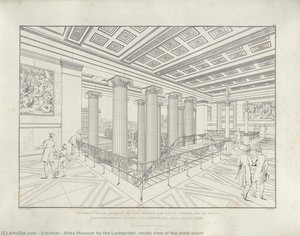
The 1900 Paris Exposition, The Palace of Illusions
 1900
1900 32.0 x 31.0 cm
 Pročitaj više
Ručno rađena uljana reprodukcija
Ručno oslikano uljanim bojama na platnu u dimenzijama i okviru po vašem izboru, izrađeno po porudžbini od strane naših umetnika. ( Pređi na štampu Pređi na digitalnu sliku)




































Izaberite jednu od naših unapred definisanih veličina koje odgovaraju originalnim proporcijama umetničkog dela.

Можете унети сопствене димензије како бисте прилагодили дело одређеном оквиру или простору. Ако одабрана величина не одговара пропорцијама оригинала, слика ће бити исечена или проширена додатним елементима који се ручно насликавају. Дигитални prikaz ће вам бити послат на одобрење пре почетка производње.
Имајте на уму да преглед на екрану не одражава стварно исецање или проширење. Само приказ (mockup) ће тачно приказати коначну композицију.
Иако су доступне прилагођене величине, препоручујемо да одаберете димензију из дефинисане листе како бисте сачували оригиналне пропорције.
Nakon narudžbine, tim ArtsDot.com će klijentu putem e-pošte poslati uputstva i dostaviti prikaz predloženog rešenja
Isporuka širom sveta () za 3/4 nedelje umesto uobičajenih 5 nedelja. (14 септембар). Bez kompromisa po pitanju kvaliteta.

Besplatna ekspresna dostava širom sveta

Visokokvalitetno laneno platno

Kompletno osiguranje transporta

Garancija povraćaja carine i uvoznih dažbina

Garancija vernosti boja

Politika povraćaja u roku od 100 dana (isključivo u slučaju nedostataka)

Garancija povrata novca od 100%

Popust pri grupnoj kupovini
 Opcija sa staklom dostupna je samo za dimenzije manje od 110 cm

The 1900 Paris Exposition, The Palace of Illusions
Tehnika reprodukcije
Dimenzije reprodukcije
-


Konačna cena
$ 263
Srodna umetnička dela









Biografija umetnika
The Visionary Lens of Neurdein Frères
In the golden twilight of the Belle Époque, few names resonated with as much prestige and panoramic grandeur as Neurdein Frères. The partnership of Étienne Neurdein and his brother Louis-Antonin was far more than a mere commercial enterprise; it was a profound visual odyssey that captured the very soul of a changing Europe. Born into a lineage of artistic tradition—with Étienne being the son of the painter Jean-Baptiste Neurdein and the photographer César Adolphe Neurdein—the brothers possessed an innate understanding of composition and light. They did not merely document reality; they curated it, transforming the burgeoning medium of photography from a scientific curiosity into a sophisticated art form that celebrated the monumental and the ethnographic with equal fervor.
The studio’s evolution was marked by a relentless pursuit of the spectacular. While Étienne managed the prestigious Paris studio and mastered the delicate nuances of portraiture, Louis-Antonim became a wanderer of the world, venturing far beyond the Seine to capture the sun-drenched landscapes of North Africa and the Mediterranean. Their work often bridged the gap between the familiar and the exotic, offering 19th-century audiences a window into the architectural majesty of the Middle East and the vibrant, daily rhythms of Algerian life. Through their sepia-toned albumen prints, the distant sands of Biskra or the bustling streets of Tunis felt intimately close, rendered with a meticulous attention to tonal harmony that echoed the classical paintings of their ancestors.
A Legacy Written in Light and Iron
The zenith of their professional acclaim arrived during an era of unprecedented global celebration. At the Exposition Universelle of 1889, the brothers achieved a milestone that would forever cement their place in history, winning the gold medal for photography. It was during this period that their lens fell upon the most iconic symbol of modern engineering: the Eiffel Tower. Their detailed studies of the tower’s campanile and the surrounding Trocadéro panoramas captured not just a structure of iron, but the very heartbeat of French progress and industrial triumph.
Beyond the grand monuments of France, the Neurdein brothers left an indelible mark on the historical record through several key contributions:
- Architectural Documentation: Their precise and evocative captures of landmarks such as Notre Dame Cathedral and the Château de Chambord provided a definitive visual archive of European heritage.
- Ethnographic Exploration: Through their travels, they documented the diverse peoples and customs of the Mediterranean Basin, creating a rich tapestry of human culture in the late 19th century.
- Commercial Innovation: As prolific publishers of postcards and stereoscopic views, they helped democratize art, allowing the beauty of distant landscapes to enter the homes of the burgeoning middle class.
As the decades progressed, the firm underwent various transformations, eventually merging into larger photographic entities like Lévy et Neurdein réunis. Yet, the essence of their work remained unchanged. Whether capturing a bust of Napoleon III or the sweeping vistas of the French Riviera, the brothers maintained a signature aesthetic—a blend of technical precision and romantic sensibility. Today, the archives of Neurdein Frères serve as a hauntingly beautiful time capsule, reminding us of an era when photography first learned to speak the language of poetry, turning the fleeting light of a moment into an eternal monument of art.
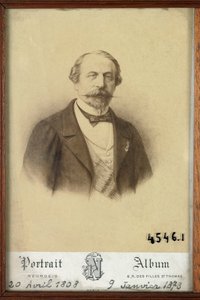
étienne neurdein and louis-antonin neurdein
1832 - , France
Osnovne informacije
- Artistic Movement Or Style: Commercial Photography
- Artists Or Movements Influenced By This Artist: ['Howard Bourne & Shepherd']
- Date Of Birth: Paris, France (1832)
- Date Of Death: Living
- Full Name: Étienne Neurdein and Louis-Antonin Neurdein
- Nationality: French
- Notable Artworks:
- The 1900 Paris Exposition
- Château de Chambord - Façade Septentrionale
- Le Mont Saint-Michel, La Grande Rue
- Place Of Birth: Paris