

 Pregledaj u prostoru
 Pošalji
 Podeli
 Detalji o delu

 Преузми
 Slični predmeti
 Rendgenski snimak
 Slajdovi
 Stats
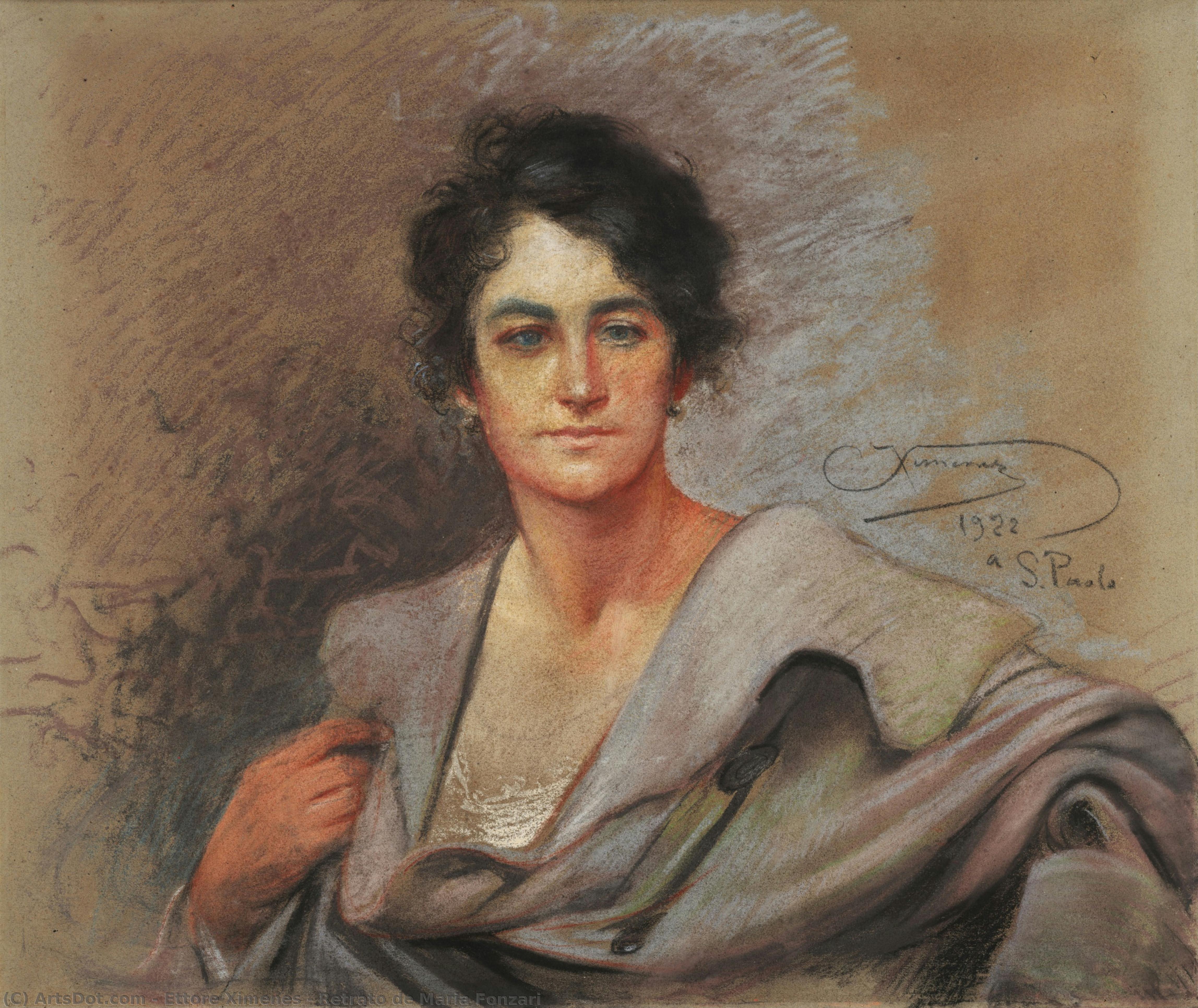
StatsRetrato de Maria Fonzari
 Pastel
- Realism
 1922
1922- 19th Century
 53.0 x 65.0 cm
 Pinacoteca do Estado de São Paulo
 Pročitaj više
Ručno rađena uljana reprodukcija
Ručno oslikano uljanim bojama na platnu u dimenzijama i okviru po vašem izboru, izrađeno po porudžbini od strane naših umetnika. ( Switch to Print Switch to Digital Image)




P118B $10

P118H $10

P118W $10

P438Z $10

P508JH $12

P508YH $12

P805H $10

P805Z $10

P919BZ $10

P919G $10

P919XJ $10

P959ZH $10

P968JZ $12

W106C $8

W218G $10

W218JH $8

W218Y $10

W307PJ $10

W316G $10

W316PJ $8

W316Y $10

W398PJ $8

W4111J $10

W500HY $15

W500JH $15

W692G $12

W849H $8

W940BG $15

W953PJ $8




Izaberite jednu od naših unapred definisanih veličina koje odgovaraju originalnim proporcijama umetničkog dela.

Можете унети сопствене димензије како бисте прилагодили дело одређеном оквиру или простору. Ако одабрана величина не одговара пропорцијама оригинала, слика ће бити исечена или проширена додатним елементима који се ручно насликавају. Дигитални prikaz ће вам бити послат на одобрење пре почетка производње.
Имајте на уму да преглед на екрану не одражава стварно исецање или проширење. Само приказ (mockup) ће тачно приказати коначну композицију.
Иако су доступне прилагођене величине, препоручујемо да одаберете димензију из дефинисане листе како бисте сачували оригиналне пропорције.
Nakon narudžbine, tim ArtsDot.com će klijentu putem e-pošte poslati uputstva i dostaviti prikaz predloženog rešenja
Isporuka širom sveta () za 3/4 nedelje umesto uobičajenih 5 nedelja. (7 септембар). Bez kompromisa po pitanju kvaliteta.

Besplatna ekspresna dostava širom sveta

Visokokvalitetno laneno platno

Kompletno osiguranje transporta

Garancija povraćaja carine i uvoznih dažbina

Garancija vernosti boja

Politika povraćaja u roku od 100 dana (isključivo u slučaju nedostataka)

Garancija povrata novca od 100%

Popust pri grupnoj kupovini
 Opcija sa staklom dostupna je samo za dimenzije manje od 110 cm

Retrato de Maria Fonzari
Tehnika reprodukcije
Dimenzije reprodukcije
-


Konačna cena
$ 263
A Glimpse into Intimacy: The Soul of Maria Fonzari
In the vast repertoire of Ettore Ximenes, a name synonymous with the monumental and the heroic, there exists a profound, quiet moment captured in Retrato de Maria Fonzari. While the world remembers Ximenes for his towering bronze monuments and grand allegories that define the skylines of Brazil and Italy, this particular work offers a rare, tender departure from the public sphere. Created in 1922, the portrait presents a woman of striking presence, her gaze meeting the viewer with an unwavering tranquility that suggests a deep, internal strength. There is no grand architectural backdrop here, only the soft, luminous presence of the subject, draped in white, which allows the viewer to focus entirely on the psychological depth of her expression.
The technique employed in this piece—a delicate application of pastel on paper—lends the work an ethereal, almost dreamlike quality that differs significantly from the heavy, tactile nature of Ximenes’ sculptures. The artist utilizes the medium to create soft transitions of light and shadow, particularly evident in the way the white fabric of her dress catches the light, creating a sense of volume and movement. This softness is contrasted by the precision of the facial features, where Ximenes demonstrates his mastery of anatomical accuracy. The result is a painting that feels both spontaneous and meticulously observed, as if we have stumbled upon a private moment of reflection during an artist's personal study.
Historical Resonance and Artistic Legacy
To understand the significance of this portrait, one must consider the era in which it was birthed. In 1922, Ximenes was living in Brazil, a period of his life marked by immense contributions to the nation's visual identity. While he was busy sculpting the very symbols of Brazilian independence, works like Retrato de Maria Fonzari served as vital creative outlets—exercises in pure aesthetic pleasure and personal interest rather than official commissions. This lack of formal obligation allowed for a level of artistic freedom that is palpable in the brushwork and the unpretentious pose of the sitter. She does not hold the stiff, ceremonial posture of a historical figure; instead, she possesses a natural dignity that feels timeless.
For the discerning collector or interior designer, this artwork represents more than just a beautiful image; it is a bridge between the monumental and the intimate. The piece carries the weight of history through Ximenes' prestigious lineage but maintains an accessibility that makes it suitable for modern, sophisticated environments. Its subtle palette of whites, creams, and warm skin tones offers a versatile elegance, capable of anchoring a room with a sense of classical grace without overwhelming the surrounding decor. It is a masterpiece of understated emotion, inviting anyone who gazes upon it to pause and engage in a silent dialogue with the past.
Srodna umetnička dela

Biografija umetnika
The Sculptor of Sicilian Dignity and Neo-Renaissance Vision
Born on April 11, 1855, in the sun-drenched city of Palermo, Ettore Ximenes emerged from a lineage that blended aristocratic grace with profound intellectual curiosity. As the son of Antonio Ximenes and the noble Giulia Tolentino, his early years were steeped in the cultural richness of Sicily. While his initial academic inclinations leaned toward the written word and literature, a transformative fascination with the tactile reality of stone and clay soon redirected his destiny. This shift led him to the prestigious Palermo Academy of Fine Arts, where he began the rigorous process of mastering anatomical precision and the delicate nuances of light and shadow through carving.
The trajectory of Ximenlyes’ artistry was further refined by his travels and the mentorship of masters in Naples. Following 1872, his studies at the Naples Academy of Fine Arts brought him into the orbit of legendary figures such as Vincenzo Gemito, Domenico Morelli, and Stanislao Lista. These encounters were pivotal, instilling in him a stylistic foundation rooted in classical ideals and the grandeur of antiquity. By synthesizing these influences, Ximenes developed a unique approach to the Neo-Renaissance style—a method that allowed him to mirror the monumental scale of the past while infusing his subjects with an unmistakable, emotive human depth.
A Mastery of Form and Symbolism
Ximenes’ work is characterized by a breathtaking command over diverse materials, from the ethereal translucency of polished marble to the enduring strength of bronze. His technique was never merely about technical perfection; it was about capturing the very soul of his subjects. Whether he was modeling clay or carving intricate stone details, his focus remained on textural nuance and anatomical truth. This dedication allowed him to explore themes ranging from civic virtue to religious devotion with equal fervor.
His repertoire included works that spoke to both the personal and the political, often utilizing subtle symbolic gestures to convey complex narratives:
- The Equilibrium: A life-size masterpiece depicting a gymnast on a sphere, showcasing his ability to capture tension and balance.
- Il cuore del re (Heart of the King): A poignant stucco work recounting a moment of royal charity, reflecting his interest in moral storytelling.
- Religious Devotion: Works such as Christ and the Adultress, which utilized classical forms to evoke spiritual reverence.
A Global Legacy of Monumental Grandeur
As his career progressed, Ximenes’ reputation transcended the borders of Italy, earning him international notoriety and a place among the great monumental sculptors of the turn of the century. His ability to weave Italian identity into the urban fabric of foreign cities became one of his most significant historical contributions. In the Americas, his hand shaped the landscape of memory; he was responsible for the Monument to the Independence of Brazil in São Paulo, a work that stands as a testament to his monumental scale and ambition.
His influence even reached the bustling streets of New York City, where he was commissioned to create sculptures honoring Italian icons such as Giovanni da Verrazzano and Dante Alighieri. These monuments served not only as artistic achievements but as cultural anchors for the Italian diaspora, celebrating a shared heritage through the permanence of stone. Through his tireless pursuit of beauty and his ability to monumentalize history, Ettore Ximenes left behind a legacy that continues to resonate, bridging the gap between the classical traditions of the Renaissance and the burgeoning realism of the modern era.
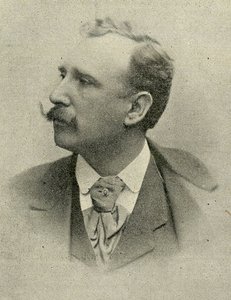
ettore ximenes
1855 - 1926 , Italy
Osnovne informacije
- Artistic Movement Or Style: Realism, Symbolist & Neo-Renaissance
- Artists Or Movements Influenced By This Artist: ['AllPaintingsStore.com']
- Artists Who Influenced This Artist:
- Giotto di bondone
- Sandro botticelli
- Vincenzo marinelli
- Date Of Birth: 1855
- Date Of Death: 1926
- Full Name: ettore ximenes
- Nationality: Italian
- Notable Artworks: ['Scrovegni - [01] - expulsion of joachim from the temple']
- Place Of Birth: Palermo, Italy
Povezani članci
The Subtleties of White: Exploring Absence, Light & Symbolism in Art History
Explore the profound symbolism & history of white in art! From ancient purity to modern abstraction, discover how artists have used absence & light. Expert insights from ArtsDot.

Monochrome Visions: Exploring the Aesthetic & Historical Significance of Black & White Photography
Explore the rich history & artistic power of black and white photography. From early techniques to iconic masters like Ansel Adams, discover why monochrome continues to captivate art lovers today. Expert insights for collectors.

Crimson Threads of Narrative: Exploring Symbolism & Representation in Artworks Featuring the Red Dress
Explore the rich symbolism of the red dress in art history! From ancient power displays to iconic portraits like Cézanne’s 'Madame Cezanne', discover the cultural and artistic significance behind this captivating color. Expert analysis & insights.
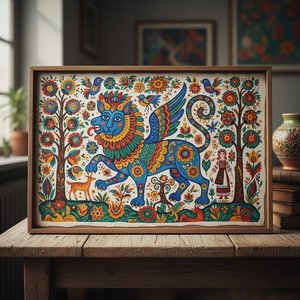
Maria Primachenko: A Legacy of Ukrainian Folk Art & Naive Expression
Discover the captivating world of Maria Primachenko, Ukraine's celebrated naive artist. Explore her vibrant paintings, unique style, and enduring legacy with ArtsDot – your source for authentic art insights & reproductions.

White on Canvas: 10 Masterpieces & Timeless Elegance for Your Home Decor
Explore 10 iconic white paintings by Monet, Whistler & Rothko! Discover the stories behind these serene masterpieces and their impact on art history. Find museum-quality reproductions for your home decor at .