

 Pregledaj u prostoru
 Pošalji
 Podeli
 Detalji o delu

 Преузми
 Slični predmeti
 Rendgenski snimak
 Slajdovi
 Statistika
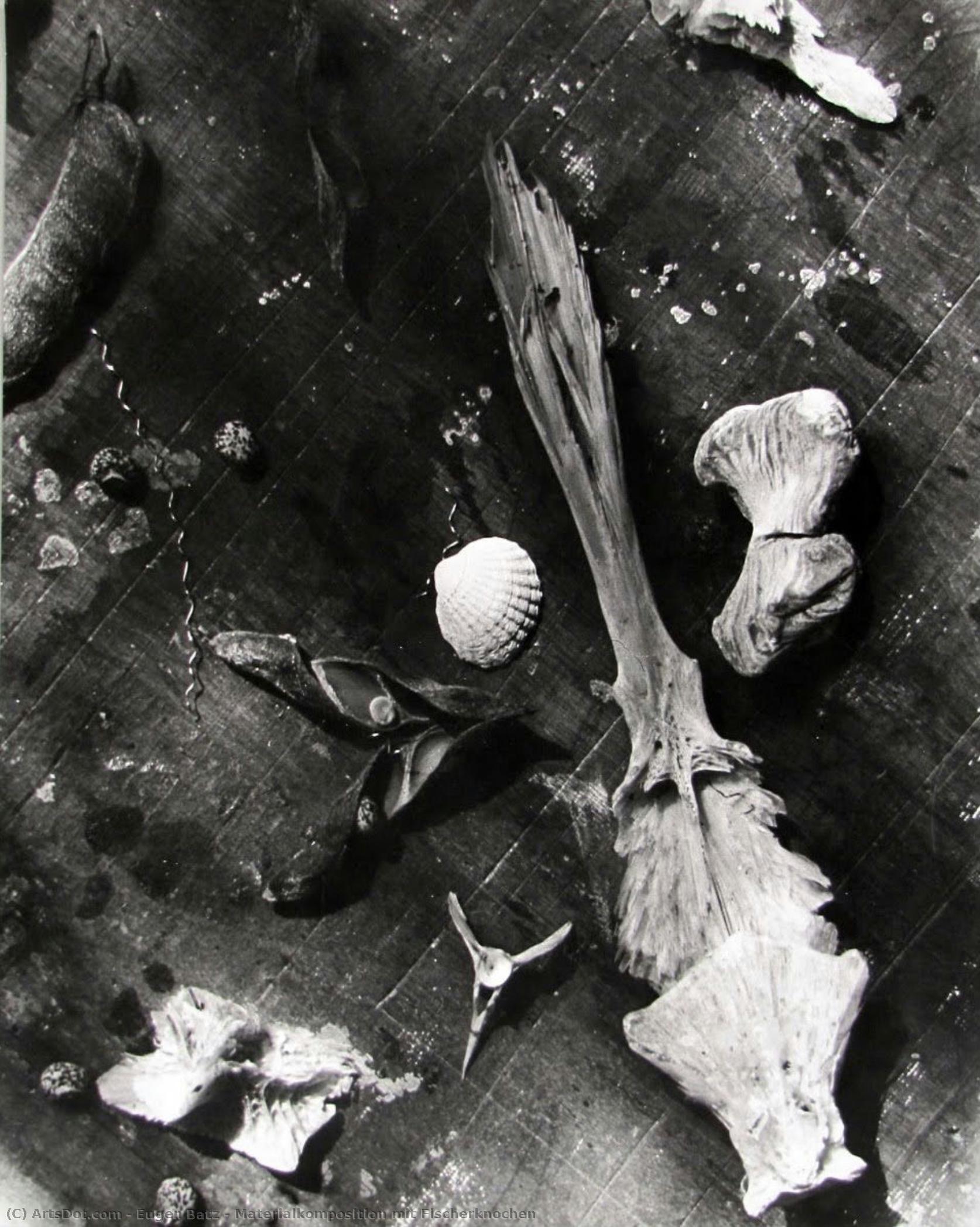
Materialkomposition mit Fischerknochen

 Pročitaj više
Kupite digitalnu sliku visoke rezolucije i poboljšanog kvaliteta, koja je znatno superiornija od onoga što vidite u online prikazu.
Svaka datoteka je pedantno pripremljena od strane naših stručnjaka koristeći napredne alate i profesionalnu ručnu retušu. Osiguravamo da svaka slika ima izuzetnu oštrinu, preciznu reprodukciju boja i fine detalje.
Konačna datoteka se dostavlja putem e-pošte u roku od 72 sata, optimizovana za neposrednu upotrebu u profesionalnim, izdavačkim i štamparskim okruženjima. To je isti kvalitet kojem veruju vrhunski studiji dizajna, izdavači i galerije.
Digitalna slika
Preuzmite datoteku visoke rezolucije za ličnu upotrebu, štampanje i kreativne projekte. ( Pređi na štampu Kupi ručno naslikanu sliku)
Uključeno uz svaku porudžbinu digitalne slike
Profesionalna digitalna isporuka, zagarantovana
Kada odaberete ArtsDot.com, ne dobijate samo sliku – vi primate profesionalno unapređeno digitalno umetničko delo, izrađeno sa najvećom preciznošću i uz garanciju zadovoljstva. Evo svega što automatski dolazi uz vašu porudžbinu:

Brza dostava putem e-pošte
Vaša digitalna slika visoke rezolucije biće vam poslata putem e-pošte u roku od 72 sata od poručivanja – spremna za trenutnu upotrebu.

Digitalna datoteka unapređena veštačkom inteligencijom
Vaše umetničko delo je profesionalno optimizovano korišćenjem naprednih AI alata i ručne obrade, čime se osiguravaju maksimalni detalji, oštrina i preciznost boja.

Besplatna ponovna isporuka doživotno
Slučajno ste obrisali ili izgubili svoju datoteku? Ne brinite – poslaćemo vam je ponovo u bilo kom trenutku, potpuno besplatno.

Bez troškova uvoza – zauvek
Uživajte u svojim umetničkim delima trenutno, bez carine, dažbina ili troškova dostave – digitalni download je uvek bez poreza.

Garancija vernosti boja
Uz pomoć profesionalnih alata i upravljanja bojama, osiguravamo da vaša digitalna slika što vernije odražava originalne boje.

Garancija zadovoljstva od 100 dana
Ako niste zadovoljni svojom digitalnom slikom, izvršićemo reviziju ili ćemo vam vratiti 100% novca u roku od 100 dana – bez ikakvih pitanja.

100% garancija povrata novca
Niste zadovoljni? Dobijte puni povraćaj novca u roku od 100 dana od prijema digitalne datoteke – bez suvišnih pitanja.

Popusti na velike porudžbine
Kupite 3 slike, uštedite 10% - Kupite 5 slika, uštedite 15% - Kupite 10+ slika, uštedite 20%. Odlično za kreativne projekte, galerije i agencije.
Srodna umetnička dela







Biografija umetnika
Early Life and Bauhaus Foundations
Eugen Batz, born in Velbert, Germany, in 1905, embarked on a creative journey that would see him become a significant figure within the landscape of abstract art in the 20th century. His initial path wasn’t one traditionally paved for an artist; he apprenticed in his family's barrel-turning business, eventually co-owning it before dedicating himself fully to painting and photography in the late 1920s. This early grounding in craftsmanship, however, would subtly inform his later work—a meticulous attention to material composition and structure that belies the seeming spontaneity of his abstract forms. The pivotal moment arrived with Batz’s enrollment at the Bauhaus in Dessau in 1929. This was a period of intense experimentation and intellectual ferment, and the school's ethos profoundly shaped his artistic development.
At the Bauhaus, Batz benefited from the tutelage of luminaries like Josef Albers, whose preliminary course instilled a rigorous understanding of color theory and form relationships. He further honed his skills in photography under Walter Peterhans, an experience that would prove crucial to his evolving aesthetic. Perhaps most importantly, he studied with Wassily Kandinsky and Paul Klee, absorbing their philosophies of non-representational art and the spiritual dimensions inherent within abstraction. Kandinsky’s emphasis on intuitive color and form, coupled with Klee's poetic sensibility, provided a foundational framework for Batz’s own explorations.
Developing an Abstract Language
The early 1930s marked a turning point in Batz’s artistic trajectory as he began to create his first truly abstract works. These weren’t merely exercises in formal experimentation, but rather attempts to capture inner states and emotional resonances through pure visual means. Following Klee to the Düsseldorf Art Academy in 1931, Batz further refined his approach, moving away from direct representation towards a more subjective and expressive style. However, the rise of Nazism cast a long shadow over this period. Batz found himself increasingly isolated as the regime suppressed avant-garde art.
The years that followed were marked by periods of both artistic activity and practical necessity. He often returned to work in his family’s business to support himself, painting and drawing during his spare time. Despite these constraints, he maintained a connection with fellow artists through groups like the “Donnerstagsgesellschaft” in Alfter, fostering a vital exchange of ideas. His travels throughout France in 1933 provided a temporary respite, allowing him to immerse himself in new landscapes and light conditions, which subtly influenced his palette and compositions.
Post-War Abstraction and the Neue Rheinische Sezession
The aftermath of World War II brought a renewed sense of freedom and opportunity for Batz. He was able to dedicate himself fully to his art, revisiting earlier paintings begun before the war and developing a distinctive abstract style characterized by sensitive color gradations and delicate forms. In 1949, with support from Werner Haftmann, he published a portfolio of etchings that helped establish his reputation within the German art scene.
A key moment in Batz’s career was his co-founding of the “Neue Rheinische Sezession” (New Rhenish Secession) in 1949. This group, comprised of artists committed to abstract expression and non-representational forms, played a vital role in revitalizing the art landscape of post-war Germany. Through regular exhibitions, the Neue Rheinische Sezession provided a platform for Batz and his contemporaries to showcase their work and challenge traditional artistic norms. His participation in documenta II in Kassel in 1959 further solidified his position as a leading figure in abstract painting.
Mature Style and Lasting Legacy
Throughout the 1950s and 60s, Batz’s work continued to evolve, moving towards an increasingly free and lyrical abstraction. He abandoned rigid structures in favor of more fluid compositions, allowing color to take on a greater expressive role. His travels through Italy, Spain, Turkey, and Tunisia provided ongoing inspiration, infusing his paintings with the vibrant hues and atmospheric qualities of these diverse landscapes.
In 1959, Batz retired from business due to health concerns, finally able to devote himself entirely to his art. He also began exploring figurative themes alongside his abstract work, often drawing on mythology for inspiration. Eugen Batz passed away in Wuppertal in 1986, leaving behind a rich and diverse body of work that continues to resonate with audiences today. His paintings are celebrated for their subtle poetry, sensitive color palettes, and profound exploration of the emotional power of abstraction. He remains an important link between the Bauhaus tradition and the development of post-war German abstract art, demonstrating the enduring influence of his artistic vision.

eugen batz
1905 - 1986 , Germany
Kratke činjenice
- Artistic Movement Or Style: New Objectivity, Bauhaus
- Artists Who Influenced This Artist:
- Paul Klee
- Wassily Kandinsky
- Date Of Birth: 1905
- Date Of Death: 1986
- Full Name: Eugen Batz
- Nationality: German
- Place Of Birth: Stuttgart, Germany