

 Pregledaj u prostoru
 Pošalji
 Podeli
 Detalji o delu

 Преузми
 Slični predmeti
 Rendgenski snimak
 Slajdovi
 Stats
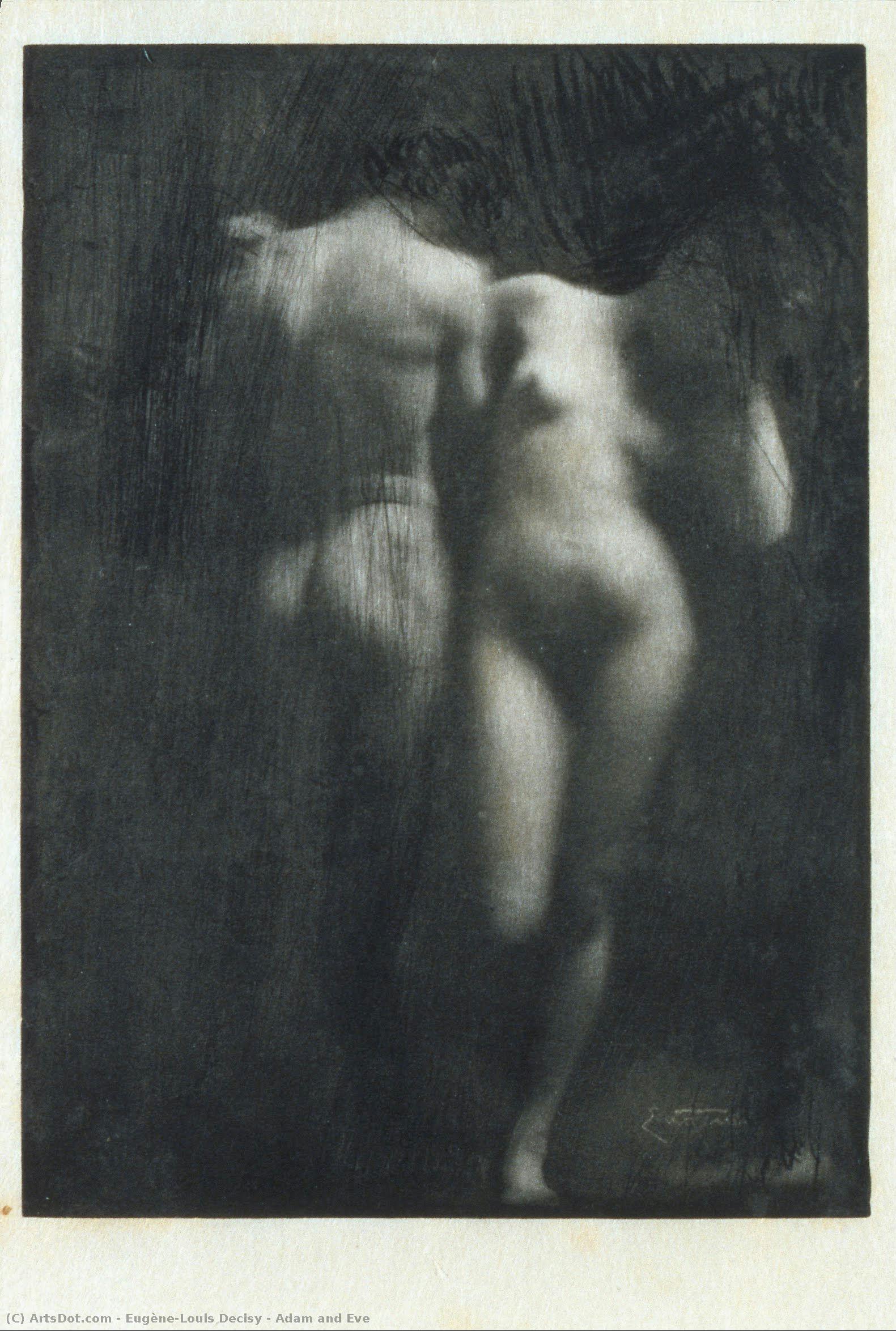
StatsAdam and Eve


 Pročitaj više
Ručno rađena uljana reprodukcija
Ručno oslikano uljanim bojama na platnu u dimenzijama i okviru po vašem izboru, izrađeno po porudžbini od strane naših umetnika. ( Switch to Print Switch to Digital Image)




P118B $10

P118H $10

P118W $10

P438Z $10

P508JH $12

P508YH $12

P805H $10

P805Z $10

P919BZ $10

P919G $10

P919XJ $10

P959ZH $10

P968JZ $12

W106C $8

W218G $10

W218JH $8

W218Y $10

W307PJ $10

W316G $10

W316PJ $8

W316Y $10

W398PJ $8

W4111J $10

W500HY $15

W500JH $15

W692G $12

W849H $8

W940BG $15

W953PJ $8




Izaberite jednu od naših unapred definisanih veličina koje odgovaraju originalnim proporcijama umetničkog dela.

Можете унети сопствене димензије како бисте прилагодили дело одређеном оквиру или простору. Ако одабрана величина не одговара пропорцијама оригинала, слика ће бити исечена или проширена додатним елементима који се ручно насликавају. Дигитални prikaz ће вам бити послат на одобрење пре почетка производње.
Имајте на уму да преглед на екрану не одражава стварно исецање или проширење. Само приказ (mockup) ће тачно приказати коначну композицију.
Иако су доступне прилагођене величине, препоручујемо да одаберете димензију из дефинисане листе како бисте сачували оригиналне пропорције.
Nakon narudžbine, tim ArtsDot.com će klijentu putem e-pošte poslati uputstva i dostaviti prikaz predloženog rešenja
Isporuka širom sveta () za 3/4 nedelje umesto uobičajenih 5 nedelja. (7 септембар). Bez kompromisa po pitanju kvaliteta.

Besplatna ekspresna dostava širom sveta

Visokokvalitetno laneno platno

Kompletno osiguranje transporta

Garancija povraćaja carine i uvoznih dažbina

Garancija vernosti boja

Politika povraćaja u roku od 100 dana (isključivo u slučaju nedostataka)

Garancija povrata novca od 100%

Popust pri grupnoj kupovini
 Opcija sa staklom dostupna je samo za dimenzije manje od 110 cm

Adam and Eve
Tehnika reprodukcije
Dimenzije reprodukcije
-


Konačna cena
$ 263
Srodna umetnička dela
Biografija umetnika
Henri de Toulouse-Lautrec: A Parisian Visionary
Born Henri Marie Raymond de Toulouse-Lautrec-Montfa in 1864, amidst the aristocratic grandeur of southern France, Henri de Toulouse-Lautrec’s life was a poignant paradox. His lineage—descended from both the Counts of Toulouse and the Vicomtes of Lautrec—granted him access to privilege, yet his physical stature, marked by stunted legs resulting from a childhood accident, profoundly shaped his artistic trajectory. Rather than seeking escape through conventional pursuits, Lautrec embraced the vibrant, often scandalous, underbelly of Paris, transforming personal adversity into an extraordinary lens through which to capture the city’s soul. His journey wasn't merely about depicting scenes; it was about embodying them – immersing himself in the bohemian world he so brilliantly portrayed.
Lautrec’s artistic development began with formal training at the École des Beaux-Arts in Paris, but it was his encounters with Paul Gauguin and Vincent van Gogh that proved to be more formative. These interactions exposed him to a radical shift in artistic perspective – an emphasis on color, emotion, and subjective experience rather than strict adherence to academic rules. He quickly abandoned traditional techniques, favoring looser brushstrokes, flattened perspectives, and a bold use of color to convey the energy and immediacy of his subjects. This departure from established norms would become a hallmark of his distinctive style.
The World of Montmartre
Lautrec’s artistic focus centered almost entirely on Montmartre, the district known for its cabarets, dance halls, and artists' studios. He became a regular at Moulin Rouge, the infamous cabaret owned by Alfréd Dusapin, where he sketched performers, patrons, and the atmosphere itself. These early works—such as *At the Moulin Rouge* (1892)—established his reputation for capturing fleeting moments of Parisian nightlife with remarkable immediacy and a touch of cynical humor. He wasn’t simply recording images; he was documenting an entire social phenomenon – the rise of modern entertainment and its attendant culture.
His subjects extended beyond the stage. Lautrec frequented brothels, dance halls, and cafes, sketching prostitutes, dancers, musicians, and ordinary Parisians. He depicted them with a frankness that was both captivating and controversial. He wasn’t glorifying these figures; rather, he presented them as complex individuals within a specific social context, offering a glimpse into the lives of those often overlooked by mainstream society. His work in this vein challenged conventional notions of beauty and morality, reflecting the changing attitudes towards sexuality and class distinctions during the late 19th century.
Technique and Style
Lautrec’s technique evolved significantly throughout his career. Initially influenced by Impressionism, he gradually developed a more expressive style characterized by bold outlines, flattened forms, and vibrant colors. He employed a technique of *pointillisme* – applying small dots of color to create an overall impression—particularly in his posters, which were incredibly successful for him. His use of black and white prints, particularly lithographs, was equally innovative, allowing him to experiment with textures, patterns, and dynamic compositions.
A key element of Lautrec’s style was his ability to capture movement and emotion. He skillfully used lines and brushstrokes to convey the energy of a crowded dance hall or the melancholy of a solitary figure. His portraits were not merely representations of physical appearance; they captured the essence of his subjects – their personalities, moods, and experiences. He often employed a slightly distorted perspective, creating a sense of unease and drawing the viewer into the scene.
Legacy and Influence
Despite facing significant personal challenges—including chronic illness and social ostracism due to his physical appearance—Toulouse-Lautrec left an indelible mark on the art world. His work profoundly influenced subsequent generations of artists, particularly those associated with Post-Impressionism and Art Nouveau. His bold use of color, expressive brushwork, and unflinching portrayal of urban life paved the way for modern art movements.
The auction sale of *La Blanchisseuse* in 1905, where the painting sold for a record price at the time, cemented Lautrec’s place as a major artistic figure. Today, his works are exhibited in museums around the world and continue to captivate audiences with their raw energy, emotional depth, and unique vision of Parisian life. Henri de Toulouse-Lautrec died in 1901, but his vibrant spirit and revolutionary approach to art endure, reminding us of the power of observation, empathy, and artistic courage.
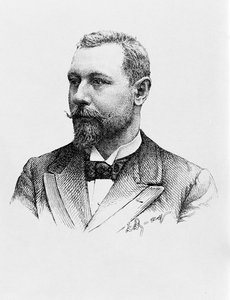
eugène-louis decisy
1864 - 1935 , France
Osnovne informacije
- Artistic Movement Or Style: Post-Impressionism
- Artists Or Movements Influenced By This Artist: ['George Seurat']
- Artists Who Influenced This Artist:
- Paul Cézanne
- Vincent van Gogh
- Date Of Birth: November 24, 1864
- Date Of Death: September 9, 1901
- Full Name: Henri Marie Raymond de Toulouse-Lautrec
- Nationality: French
- Notable Artworks:
- La Blanchisseuse
- Moulin de la Galette
- Place Of Birth: Camjac, Aveyron, France
Povezani članci

Dark Masterpieces: 10 Iconic Paintings Dominated by Black Tones |
Explore 10 iconic paintings dominated by black tones, from Rembrandt’s chiaroscuro to Goya's dark expressions. Discover the stories behind these masterpieces & find museum-quality art reproductions for your home at .

Monochrome Visions: Exploring the Aesthetic & Historical Significance of Black & White Photography
Explore the rich history & artistic power of black and white photography. From early techniques to iconic masters like Ansel Adams, discover why monochrome continues to captivate art lovers today. Expert insights for collectors.
Lamp Black & Masterpieces: 10 Paintings That Define Shadow & Light |
Delve into the captivating world of 'Lamp Black' tones with 10 iconic paintings by masters like Rembrandt & Caravaggio. Explore Baroque chiaroscuro, dramatic lighting & shadow in art history. Find museum-quality reproductions at
Mars Black Masterpieces: 10 Iconic Paintings & Timeless Art Decor Ideas
Delve into the power of 'Mars Black' with 10 iconic paintings by masters like Rembrandt & Caravaggio. Explore dramatic chiaroscuro, gothic art, and timeless beauty. Find museum-quality reproductions & elevate your home decor on .
Ivory Black Masters: 10 Paintings That Define Dramatic Art |
Delve into the power of 'Ivory Black' with 10 iconic paintings by masters like Rembrandt & Caravaggio. Explore dramatic chiaroscuro, gothic moods & timeless art history. Find museum-quality reproductions and elevate your home decor at