

 Pregledaj u prostoru
 Pošalji
 Podeli
 Detalji o delu

 Преузми
 Slični predmeti
 Rendgenski snimak
 Slajdovi
 Stats
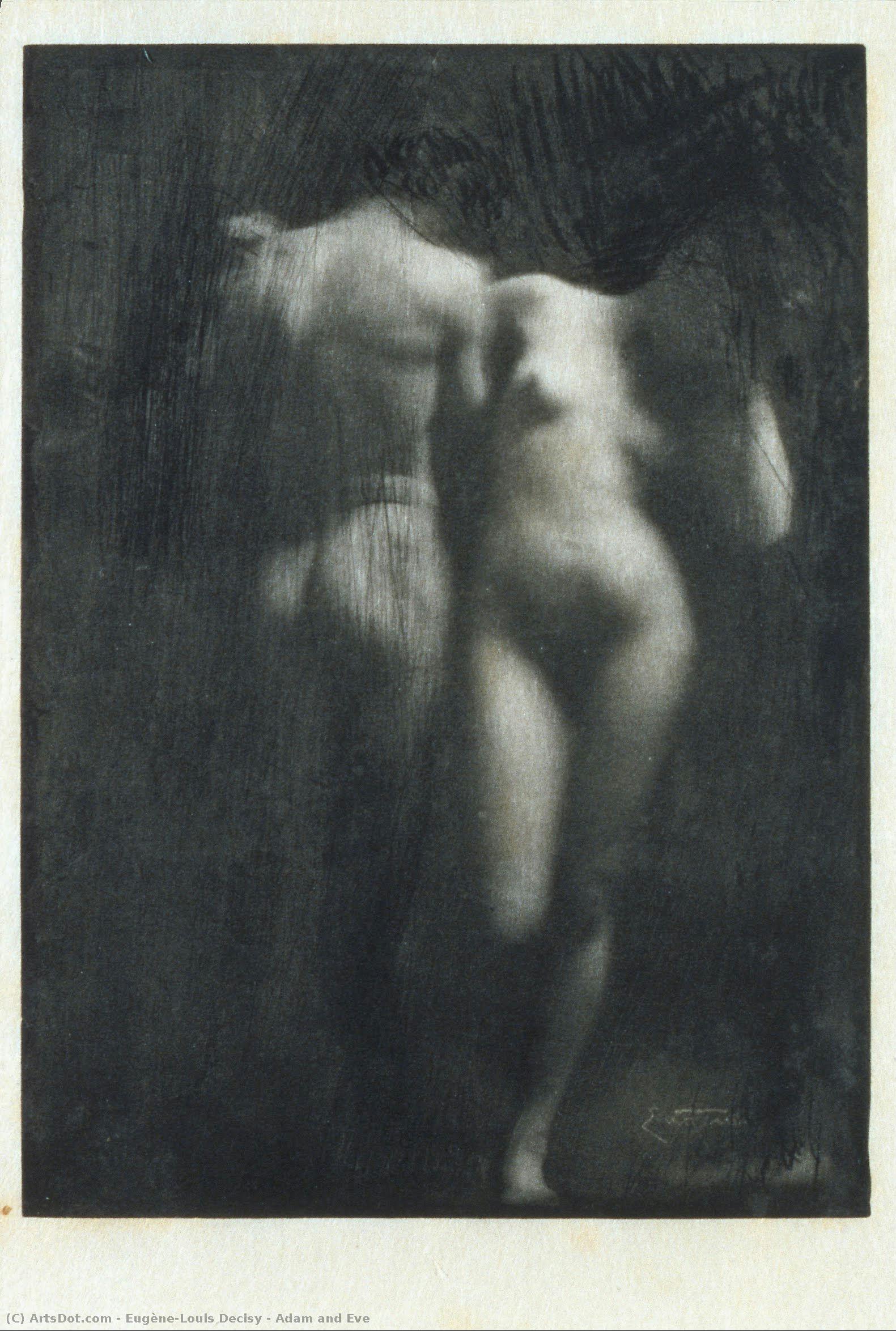
StatsAdam and Eve


 Pročitaj više
Kupite digitalnu sliku visoke rezolucije i poboljšanog kvaliteta, koja je znatno superiornija od onoga što vidite u online prikazu.
Svaka datoteka je pedantno pripremljena od strane naših stručnjaka koristeći napredne alate i profesionalnu ručnu retušu. Osiguravamo da svaka slika ima izuzetnu oštrinu, preciznu reprodukciju boja i fine detalje.
Konačna datoteka se dostavlja putem e-pošte u roku od 72 sata, optimizovana za neposrednu upotrebu u profesionalnim, izdavačkim i štamparskim okruženjima. To je isti kvalitet kojem veruju vrhunski studiji dizajna, izdavači i galerije.
Digitalna slika
Preuzmite datoteku visoke rezolucije za ličnu upotrebu, štampanje i kreativne projekte. ( Switch to Print Kupi ručno naslikanu sliku)
Uključeno uz svaku porudžbinu digitalne slike
Profesionalna digitalna isporuka, zagarantovana
Kada odaberete ArtsDot.com, ne dobijate samo sliku – vi primate profesionalno unapređeno digitalno umetničko delo, izrađeno sa najvećom preciznošću i uz garanciju zadovoljstva. Evo svega što automatski dolazi uz vašu porudžbinu:

Brza dostava putem e-pošte
Vaša digitalna slika visoke rezolucije biće vam poslata putem e-pošte u roku od 72 sata od poručivanja – spremna za trenutnu upotrebu.

Digitalna datoteka unapređena veštačkom inteligencijom
Vaše umetničko delo je profesionalno optimizovano korišćenjem naprednih AI alata i ručne obrade, čime se osiguravaju maksimalni detalji, oštrina i preciznost boja.

Besplatna ponovna isporuka doživotno
Slučajno ste obrisali ili izgubili svoju datoteku? Ne brinite – poslaćemo vam je ponovo u bilo kom trenutku, potpuno besplatno.

Bez troškova uvoza – zauvek
Uživajte u svojim umetničkim delima trenutno, bez carine, dažbina ili troškova dostave – digitalni download je uvek bez poreza.

Garancija vernosti boja
Uz pomoć profesionalnih alata i upravljanja bojama, osiguravamo da vaša digitalna slika što vernije odražava originalne boje.

Garancija zadovoljstva od 100 dana
Ako niste zadovoljni svojom digitalnom slikom, izvršićemo reviziju ili ćemo vam vratiti 100% novca u roku od 100 dana – bez ikakvih pitanja.

100% garancija povrata novca
Niste zadovoljni? Dobijte puni povraćaj novca u roku od 100 dana od prijema digitalne datoteke – bez suvišnih pitanja.

Popusti na velike porudžbine
Kupite 3 slike, uštedite 10% - Kupite 5 slika, uštedite 15% - Kupite 10+ slika, uštedite 20%. Odlično za kreativne projekte, galerije i agencije.
Srodna umetnička dela
Biografija umetnika
Henri de Toulouse-Lautrec: A Parisian Visionary
Born Henri Marie Raymond de Toulouse-Lautrec-Montfa in 1864, amidst the aristocratic grandeur of southern France, Henri de Toulouse-Lautrec’s life was a poignant paradox. His lineage—descended from both the Counts of Toulouse and the Vicomtes of Lautrec—granted him access to privilege, yet his physical stature, marked by stunted legs resulting from a childhood accident, profoundly shaped his artistic trajectory. Rather than seeking escape through conventional pursuits, Lautrec embraced the vibrant, often scandalous, underbelly of Paris, transforming personal adversity into an extraordinary lens through which to capture the city’s soul. His journey wasn't merely about depicting scenes; it was about embodying them – immersing himself in the bohemian world he so brilliantly portrayed.
Lautrec’s artistic development began with formal training at the École des Beaux-Arts in Paris, but it was his encounters with Paul Gauguin and Vincent van Gogh that proved to be more formative. These interactions exposed him to a radical shift in artistic perspective – an emphasis on color, emotion, and subjective experience rather than strict adherence to academic rules. He quickly abandoned traditional techniques, favoring looser brushstrokes, flattened perspectives, and a bold use of color to convey the energy and immediacy of his subjects. This departure from established norms would become a hallmark of his distinctive style.
The World of Montmartre
Lautrec’s artistic focus centered almost entirely on Montmartre, the district known for its cabarets, dance halls, and artists' studios. He became a regular at Moulin Rouge, the infamous cabaret owned by Alfréd Dusapin, where he sketched performers, patrons, and the atmosphere itself. These early works—such as *At the Moulin Rouge* (1892)—established his reputation for capturing fleeting moments of Parisian nightlife with remarkable immediacy and a touch of cynical humor. He wasn’t simply recording images; he was documenting an entire social phenomenon – the rise of modern entertainment and its attendant culture.
His subjects extended beyond the stage. Lautrec frequented brothels, dance halls, and cafes, sketching prostitutes, dancers, musicians, and ordinary Parisians. He depicted them with a frankness that was both captivating and controversial. He wasn’t glorifying these figures; rather, he presented them as complex individuals within a specific social context, offering a glimpse into the lives of those often overlooked by mainstream society. His work in this vein challenged conventional notions of beauty and morality, reflecting the changing attitudes towards sexuality and class distinctions during the late 19th century.
Technique and Style
Lautrec’s technique evolved significantly throughout his career. Initially influenced by Impressionism, he gradually developed a more expressive style characterized by bold outlines, flattened forms, and vibrant colors. He employed a technique of *pointillisme* – applying small dots of color to create an overall impression—particularly in his posters, which were incredibly successful for him. His use of black and white prints, particularly lithographs, was equally innovative, allowing him to experiment with textures, patterns, and dynamic compositions.
A key element of Lautrec’s style was his ability to capture movement and emotion. He skillfully used lines and brushstrokes to convey the energy of a crowded dance hall or the melancholy of a solitary figure. His portraits were not merely representations of physical appearance; they captured the essence of his subjects – their personalities, moods, and experiences. He often employed a slightly distorted perspective, creating a sense of unease and drawing the viewer into the scene.
Legacy and Influence
Despite facing significant personal challenges—including chronic illness and social ostracism due to his physical appearance—Toulouse-Lautrec left an indelible mark on the art world. His work profoundly influenced subsequent generations of artists, particularly those associated with Post-Impressionism and Art Nouveau. His bold use of color, expressive brushwork, and unflinching portrayal of urban life paved the way for modern art movements.
The auction sale of *La Blanchisseuse* in 1905, where the painting sold for a record price at the time, cemented Lautrec’s place as a major artistic figure. Today, his works are exhibited in museums around the world and continue to captivate audiences with their raw energy, emotional depth, and unique vision of Parisian life. Henri de Toulouse-Lautrec died in 1901, but his vibrant spirit and revolutionary approach to art endure, reminding us of the power of observation, empathy, and artistic courage.
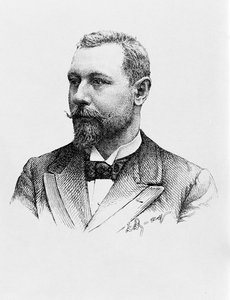
eugène-louis decisy
1864 - 1935 , France
Kratke činjenice
- Artistic Movement Or Style: Post-Impressionism
- Artists Or Movements Influenced By This Artist: ['George Seurat']
- Artists Who Influenced This Artist:
- Paul Cézanne
- Vincent van Gogh
- Date Of Birth: November 24, 1864
- Date Of Death: September 9, 1901
- Full Name: Henri Marie Raymond de Toulouse-Lautrec
- Nationality: French
- Notable Artworks:
- La Blanchisseuse
- Moulin de la Galette
- Place Of Birth: Camjac, Aveyron, France