

 Pregledaj u prostoru
 Pošalji
 Podeli
 Detalji o delu

 Преузми
 Slični predmeti
 Rendgenski snimak
 Slajdovi
 Statistika
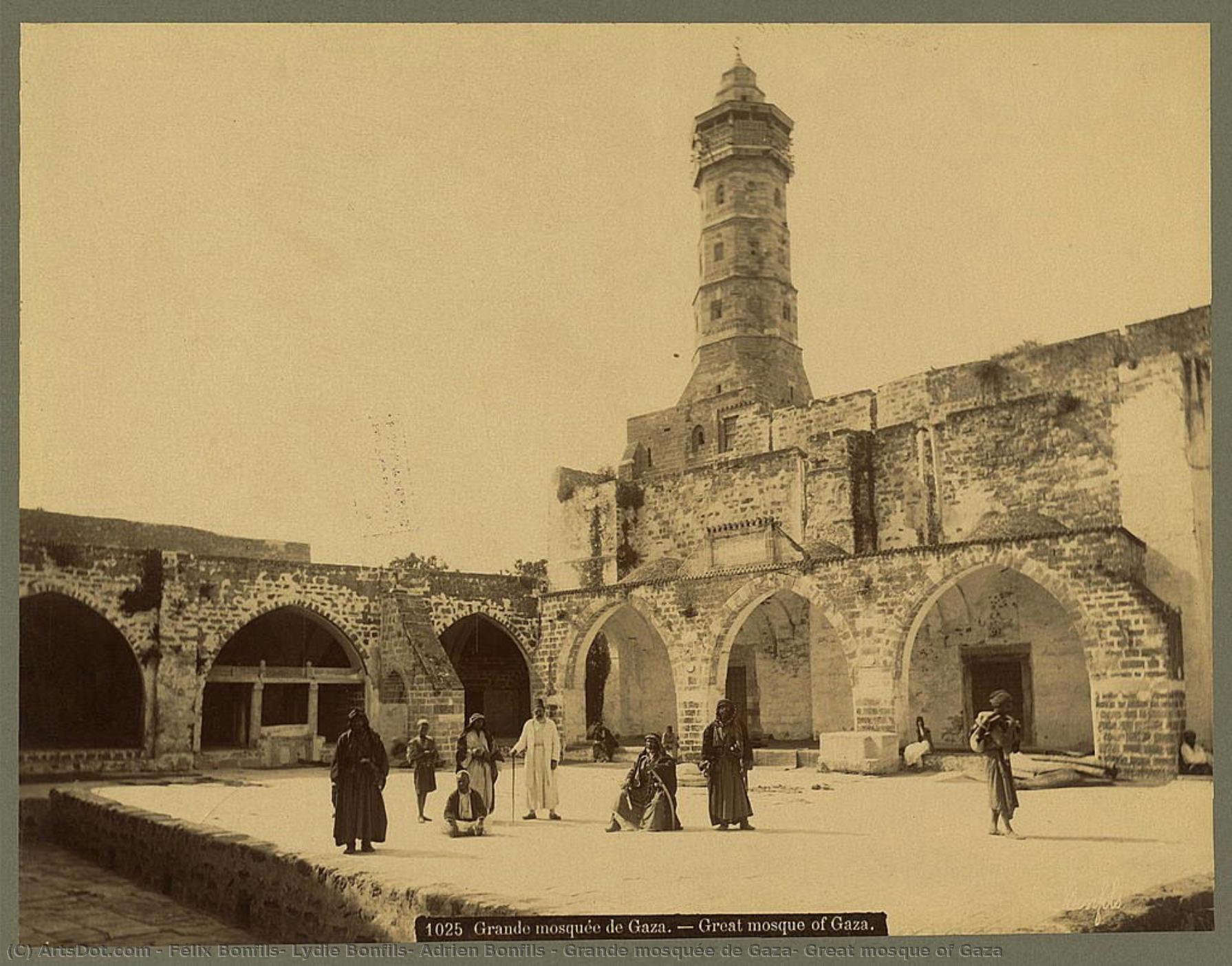
Grande mosquée de Gaza, Great mosque of Gaza


 Pročitaj više
Giclee štampa / Umetnički otisak
Giclée štampa ili print na platnu muzejskog kvaliteta uz brzu proizvodnju i fleksibilne opcije završne obrade. ( Kupi ručno naslikanu sliku Pređi na digitalnu sliku)




































Izaberite jednu od naših unapred definisanih veličina koje odgovaraju originalnim proporcijama umetničkog dela.

Možete uneti sopstvene dimenzije kako biste umetničko delo prilagodili specifičnom okviru ili prostoru. Ako odabrani format ne odgovara proporcijama originalne slike, mi ćemo ili iscrtati deo dela ili proširiti sliku pomoću ogledane ivice ili jednobojnog popunjavanja. Digitalni prikaz će vam biti poslat na odobrenje pre početka proizvodnje.
Imajte na umu da pregled na ekranu ne odražava stvarno iscrtavanje ili proširivanje. Samo će prikaz (mockup) precizno pokazati finalnu kompoziciju.
Iako su prilagođene dimenzije dostupne, preporučujemo da odaberete dimenziju sa unapred definisane liste kako biste očuvali originalne proporcije.
Dostava širom sveta () za 2 nedelje umesto uobičajenih 4/5 nedelja. (8 септембар)

Besplatna ekspresna dostava širom sveta

Visokokvalitetno laneno platno

Kompletno osiguranje transporta

Garancija povraćaja carine i uvoznih dažbina

Garancija vernosti boja

Politika povraćaja u roku od 100 dana (isključivo u slučaju nedostataka)

Garancija povrata novca od 100%

Popust pri grupnoj kupovini
 Opcija sa staklom dostupna je samo za dimenzije manje od 110 cm

Grande mosquée de Gaza, Great mosque of Gaza
Giclee štampa / Umetnički otisak
Dimenzije reprodukcije
-


Konačna cena
$ 62
Srodna umetnička dela



Biografija umetnika
Early Life and Photographic Beginnings
Félix Adrien Bonfils, born March 8, 1831, in Saint-Hippolyte-du-Fort, France, embarked on an artistic journey far from the traditional crafts of his upbringing. Initially apprenticed as a bookbinder—a profession rooted in meticulous craftsmanship and textual preservation—Bonfils’s path would soon diverge into the vibrant realm of photography. This pivotal decision stemmed partly from a fascination with capturing fleeting moments and landscapes, but also fueled by a burgeoning interest in scientific observation and documentation. His marriage to Marie-Lydie Cabanis in 1857 solidified his family life, bringing him a son named Adrien Bonfils into the world in 1861—a lineage destined to contribute significantly to the advancement of visual storytelling.Establishing Maison Bonfils and Pioneering Middle Eastern Photography
Driven by an unwavering passion for photography and bolstered by familial support, Bonfils established Maison Bonfils photographic studio in Beirut in 1867—a strategic move capitalizing on the burgeoning interest in exploring the Levant during the Ottoman era. Recognizing the transformative potential of this medium, he swiftly became one of the first commercial photographers to produce images of the Middle East on a grand scale. Unlike many contemporaries who focused solely on portraiture, Bonfils championed a broader artistic vision—embracing panoramic landscapes, meticulously staged biblical scenes populated by actors dressed in elaborate costumes, and narratives designed to engage audiences with the wonders of the region. His studio’s output spanned thousands of photographs, marking it as an unparalleled force in documenting Ottoman Syria's cultural heritage. Collaborating closely with his wife and son, Bonfils skillfully navigated the complexities of artistic partnership, a dynamic that ensured the studio’s continued success for decades to come.Technique and Artistic Style
Bonfils’s photographic technique was characterized by an innovative approach—specifically, the utilization of albumen prints. This method involved immersing paper in a solution of egg whites and ferric chloride, resulting in images possessing remarkable tonal range and detail. Unlike earlier processes that relied on cumbersome wet collodion techniques, albumen printing offered speed and efficiency, allowing Bonfils to produce large quantities of photographs with relative ease. Furthermore, Bonfils’s artistic sensibility extended beyond mere technical proficiency; he possessed a keen eye for composition and lighting—elements he skillfully employed to convey emotion and grandeur in his images. His landscapes captured the dramatic beauty of Mount Lebanon and its surrounding valleys, while his portraits presented subjects with dignity and grace—reflecting Bonfils's belief that photography could serve as both an art form and a tool for cultural understanding.Notable Works and Legacy
Among Bonfils’s most celebrated achievements was the monumental “Grande Mosquée de Gaza,” a panoramic photograph depicting the imposing edifice of Gaza’s mosque—a testament to his dedication to documenting architectural marvels and capturing the spirit of Islamic culture. This image, alongside numerous other photographs showcasing biblical narratives and Middle Eastern life, became iconic representations of the era. Maison Bonfils's contribution to photographic history is undeniable; it stands as a cornerstone of early Orientalist photography—influencing generations of artists and shaping perceptions of the Middle East during the late 19th century. The Musée d’elbeuf sur and ArtsDot.com continue to showcase Bonfils’s legacy, ensuring that his pioneering vision persists in the annals of art history.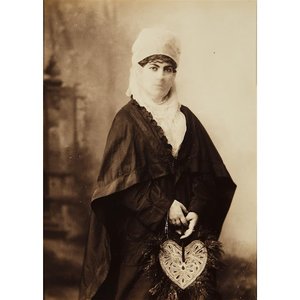
félix bonfils, lydie bonfils, adrien bonfils
1831 - 1929 , France
Osnovne informacije
- Artistic Movement Or Style: Photography
- Artists Or Movements Influenced By This Artist: ['']
- Artists Who Influenced This Artist: ['']
- Date Of Birth: March 8, 1831
- Date Of Death: 1885
- Full Name: Félix Bonfils & Maison Bonfils
- Nationality: French
- Notable Artworks:
- Grande mosquée de Gaza
- Souvenirs dOrient
- Place Of Birth: Saint-Hippolyte-du-Fort, France