

 Pregledaj u prostoru
 Pošalji
 Podeli
 Detalji o delu

 Преузми
 Slični predmeti
 Rendgenski snimak
 Slajdovi
 Statistika
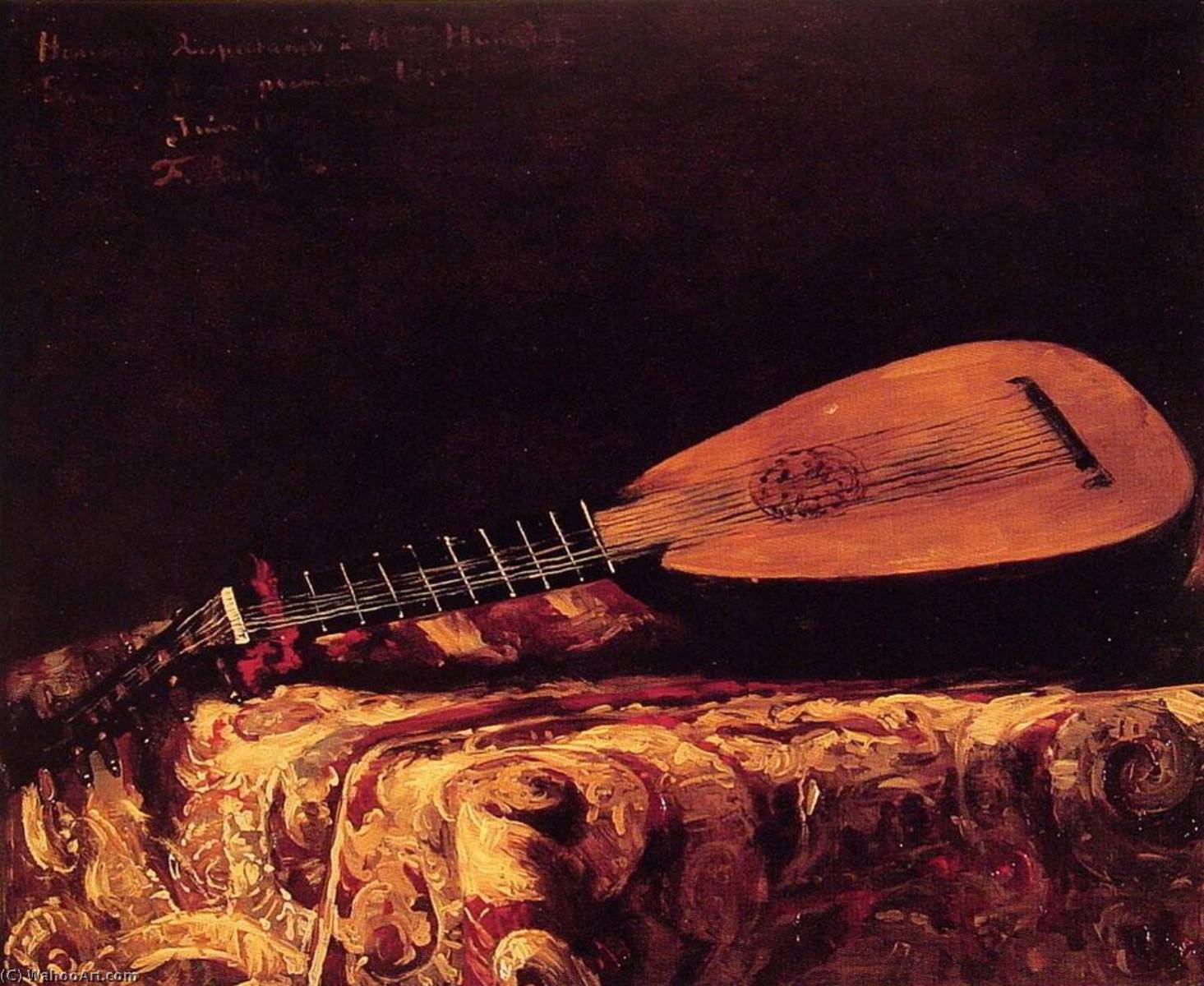
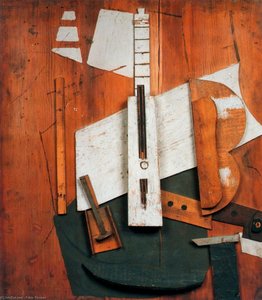
Untitled (AQQAG2)
 1886
1886 46.0 x 38.0 cm
 Pročitaj više
Kupite digitalnu sliku visoke rezolucije i poboljšanog kvaliteta, koja je znatno superiornija od onoga što vidite u online prikazu.
Svaka datoteka je pedantno pripremljena od strane naših stručnjaka koristeći napredne alate i profesionalnu ručnu retušu. Osiguravamo da svaka slika ima izuzetnu oštrinu, preciznu reprodukciju boja i fine detalje.
Konačna datoteka se dostavlja putem e-pošte u roku od 72 sata, optimizovana za neposrednu upotrebu u profesionalnim, izdavačkim i štamparskim okruženjima. To je isti kvalitet kojem veruju vrhunski studiji dizajna, izdavači i galerije.
Digitalna slika
Preuzmite datoteku visoke rezolucije za ličnu upotrebu, štampanje i kreativne projekte. ( Pređi na štampu Kupi ručno naslikanu sliku)
Uključeno uz svaku porudžbinu digitalne slike
Profesionalna digitalna isporuka, zagarantovana
Kada odaberete ArtsDot.com, ne dobijate samo sliku – vi primate profesionalno unapređeno digitalno umetničko delo, izrađeno sa najvećom preciznošću i uz garanciju zadovoljstva. Evo svega što automatski dolazi uz vašu porudžbinu:

Brza dostava putem e-pošte
Vaša digitalna slika visoke rezolucije biće vam poslata putem e-pošte u roku od 72 sata od poručivanja – spremna za trenutnu upotrebu.

Digitalna datoteka unapređena veštačkom inteligencijom
Vaše umetničko delo je profesionalno optimizovano korišćenjem naprednih AI alata i ručne obrade, čime se osiguravaju maksimalni detalji, oštrina i preciznost boja.

Besplatna ponovna isporuka doživotno
Slučajno ste obrisali ili izgubili svoju datoteku? Ne brinite – poslaćemo vam je ponovo u bilo kom trenutku, potpuno besplatno.

Bez troškova uvoza – zauvek
Uživajte u svojim umetničkim delima trenutno, bez carine, dažbina ili troškova dostave – digitalni download je uvek bez poreza.

Garancija vernosti boja
Uz pomoć profesionalnih alata i upravljanja bojama, osiguravamo da vaša digitalna slika što vernije odražava originalne boje.

Garancija zadovoljstva od 100 dana
Ako niste zadovoljni svojom digitalnom slikom, izvršićemo reviziju ili ćemo vam vratiti 100% novca u roku od 100 dana – bez ikakvih pitanja.

100% garancija povrata novca
Niste zadovoljni? Dobijte puni povraćaj novca u roku od 100 dana od prijema digitalne datoteke – bez suvišnih pitanja.

Popusti na velike porudžbine
Kupite 3 slike, uštedite 10% - Kupite 5 slika, uštedite 15% - Kupite 10+ slika, uštedite 20%. Odlično za kreativne projekte, galerije i agencije.
Artistic Style and Influences
Ferdinand Victor Léon Roybet's artistic style was influenced by the Dutch and Flemish masters of the 17th century. He was particularly drawn to the works of Diego Velázquez, a Spanish artist known for his realistic and dramatic use of color. Roybet's paintings often featured lavish fabrics, intricacies of historic dress, and engaging narratives, which were highly prized by collectors of his time. Key Features of the Painting The Portrait of a Man Holding a Guitar is characterized by its:- Exceptional use of light and color to create a sense of depth and atmosphere
- Intricate details, such as the man's clothing and the guitar
- Engaging narrative, which invites the viewer to ponder the story behind the scene
Artist's Background and Training
Ferdinand Victor Léon Roybet was born in Uzès, France in 1840. He began his artistic training at the age of 13, studying at the École Nationale des Beaux-Arts in Lyon. He later moved to Paris, where he studied with Jean-Georges Vibert and developed his distinctive style. For more information on Ferdinand Victor Léon Roybet and his works, visit /art/list/?Filter=AQQAG2-Ferdinand-Victor-Leon-Roybet-. To learn more about the artist's life and career, see his biography on Wikipedia.The Portrait of a Man Holding a Guitar is a beautiful example of Roybet's skill as a painter and his ability to capture the essence of his subjects. As a handmade oil painting reproduction, it would make a stunning addition to any art collection. Visit https://ArtsDot.com to explore more artworks by Ferdinand Victor Léon Roybet and other famous artists.
Srodna umetnička dela






Biografija umetnika
Claude Monet: A Revolutionary of Light and Color
Born Oscar-Claude Monet in Paris on November 14, 1840, Claude Monet’s journey to becoming one of the most influential figures in art history was a testament to his unwavering dedication to capturing the ephemeral beauty of the natural world. His early life, marked by the loss of his mother at the age of sixteen and subsequent upbringing under the watchful eye of his aunt, provided him with a grounding in observation – a crucial element that would later define his artistic approach. Unlike many artists of his time who focused on grand historical or mythological subjects, Monet’s initial interests lay in landscapes and seascapes, nurtured by early encounters with Eugène Boudin, a Normandy-based painter who championed the practice of “plein air” painting – working outdoors directly from nature.
Monet's formal artistic training began at the Académie Suisse, where he studied alongside Auguste Renoir and other aspiring artists. However, it was his time in Charles Gleyre’s studio that proved pivotal, exposing him to a diverse group of painters including Frédéric Bazille and ultimately shaping his nascent style. The influence of Edouard Manet during this period is also notable; Manet's looser brushwork and focus on contemporary subjects provided a crucial counterpoint to the more academic traditions prevalent at the time. It was through these formative experiences that Monet began to develop his signature technique – one characterized by broken color, rapid brushstrokes, and an emphasis on capturing the fleeting effects of light and atmosphere.
The Rise of Impressionism
The 1870s witnessed a dramatic shift in the Parisian art world, culminating in the formation of the Impressionist movement. Monet played a central role in this revolution, alongside artists like Renoir, Pissarro, Sisley, and Degas. The first Impressionist exhibition of 1874, famously titled “Impression, Sunrise,” provided the name for the group and its artistic philosophy. This painting, depicting the harbor at Le Havre, wasn’t intended to be a meticulously detailed representation but rather an immediate impression of the scene – capturing the shimmering light on the water and the hazy atmosphere with loose, visible brushstrokes.
Unlike the Salon, the official art exhibition of the Académie des Beaux-Arts, which often rejected innovative works, the Impressionists organized their own independent exhibitions. These events provided a platform for artists to showcase their unconventional approaches, challenging established artistic conventions and paving the way for modern art. Monet’s commitment to capturing the subjective experience of seeing – rather than simply reproducing an objective reality – became the defining characteristic of his work during this period.
Monet's Obsessions: Series and Light
Throughout his prolific career, Monet developed a systematic approach to painting, often focusing on single subjects rendered in multiple variations over time. These “series”—including haystacks, Rouen Cathedral, water lilies, and Japanese bridges—allowed him to meticulously document the changing effects of light and weather on a particular scene. The series of Rouen Cathedral, for example, demonstrates his fascination with how light transforms the appearance of a building throughout the day and across different seasons. He would paint the same subject repeatedly, not necessarily striving for identical results, but rather exploring the subtle nuances of color and atmosphere.
His most enduring legacy is undoubtedly his series of water lilies at Giverny, where he created a stunning garden featuring a large pond filled with these magnificent blooms. Monet spent decades meticulously documenting this aquatic world, creating over 250 paintings of the water lilies – a testament to his lifelong pursuit of capturing the beauty and tranquility of nature. The gardens themselves became an open-air studio, providing him with endless inspiration.
A Lasting Impact
Claude Monet’s influence on subsequent generations of artists is immeasurable. His pioneering use of color, light, and brushstroke techniques fundamentally altered the course of painting, paving the way for movements such as Post-Impressionism and Fauvism. His emphasis on capturing subjective experience and the fleeting nature of perception challenged traditional notions of representation and opened up new possibilities for artistic expression.
Monet died in Giverny on December 5, 1926, leaving behind a vast body of work that continues to captivate audiences worldwide. His paintings are celebrated not only for their aesthetic beauty but also for their profound insights into the nature of light, color, and the human experience. He remains an icon of artistic innovation and a testament to the power of observation and dedication.
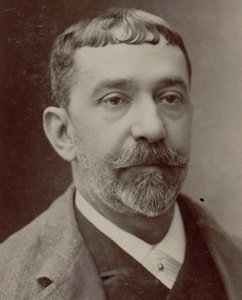
ferdinand victor léon roybet
1840 - 1920
Kratke činjenice
- Artistic Movement Or Style: Impressionism
- Artists Or Movements Influenced By This Artist:
- Pierre-Auguste Renoir
- Post-Impressionism
- Artists Who Influenced This Artist:
- Eugène Boudin
- Charles Gleyre
- Date Of Birth: 14 November 1840
- Date Of Death: 5 December 1926
- Full Name: Claude Monet
- Nationality: French
- Notable Artworks:
- Impression, Sunrise
- Water Lilies series
- Rouen Cathedral series
- Place Of Birth: Paris, France