

 Pregledaj u prostoru
 Pošalji
 Podeli
 Detalji o delu

 Преузми
 Slični predmeti
 Rendgenski snimak
 Slajdovi
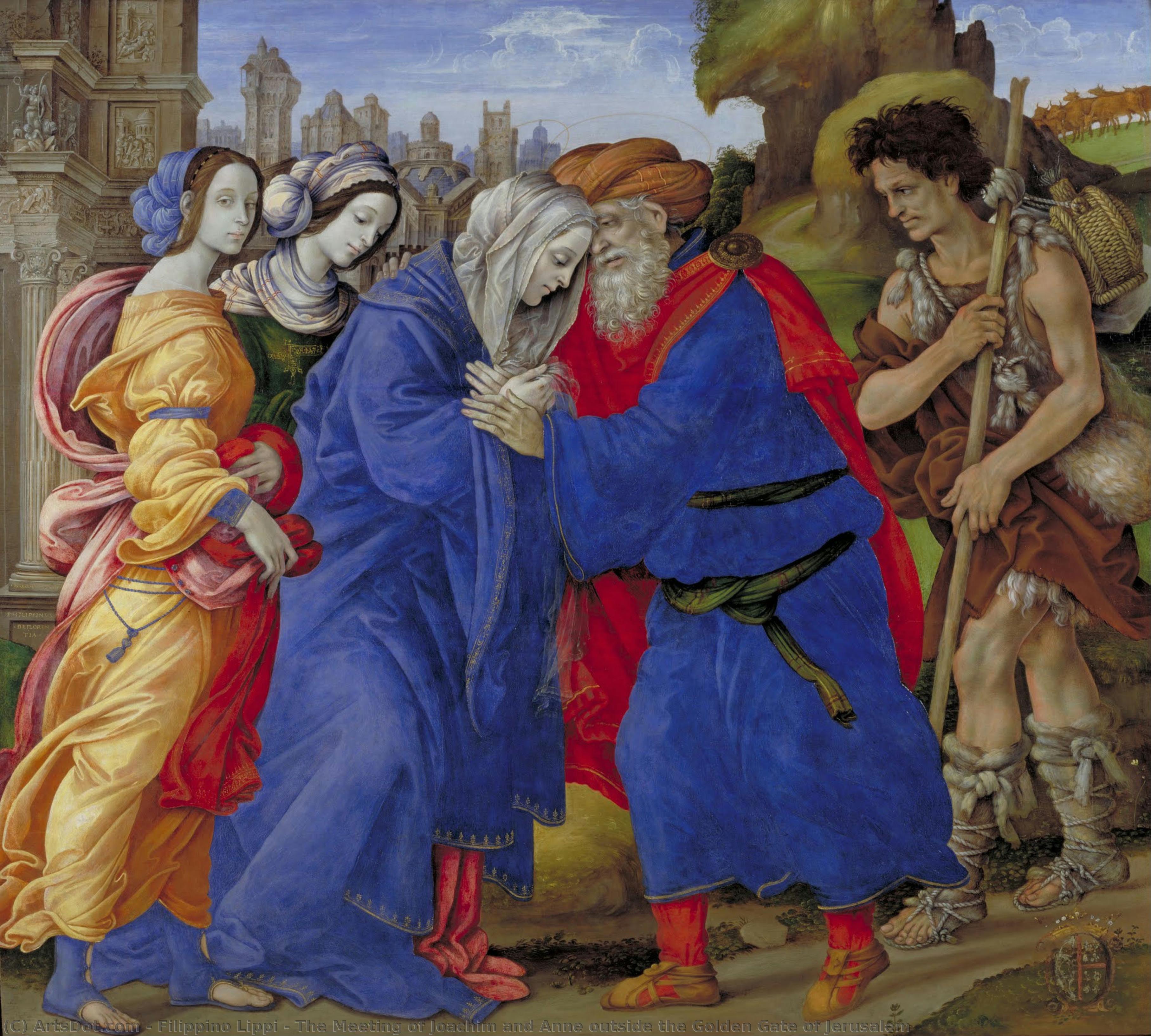
The Meeting of Joachim and Anne outside the Golden Gate of Jerusalem
 Tempera On Panel
- WallArt
- High Renaissance
 1497
1497- Renaissance
 124.0 x 112.0 cm
 Nacionalna galerija Danske
 Pročitaj više
Ručno rađena uljana reprodukcija
Ručno oslikano uljanim bojama na platnu u dimenzijama i okviru po vašem izboru, izrađeno po porudžbini od strane naših umetnika. ( Kupi print Kupi digitalnu sliku)




P118B $10

P118H $10

P118W $10

P438Z $10

P508JH $12

P508YH $12

P805H $10

P805Z $10

P919BZ $10

P919G $10

P919XJ $10

P959ZH $10

P968JZ $12

W106C $8

W218G $10

W218JH $8

W218Y $10

W307PJ $10

W316G $10

W316PJ $8

W316Y $10

W398PJ $8

W4111J $10

W500HY $15

W500JH $15

W692G $12

W849H $8

W940BG $15

W953PJ $8




Izaberite jednu od naših unapred definisanih veličina koje odgovaraju originalnim proporcijama umetničkog dela.

Можете унети сопствене димензије како бисте прилагодили дело одређеном оквиру или простору. Ако одабрана величина не одговара пропорцијама оригинала, слика ће бити исечена или проширена додатним елементима који се ручно насликавају. Дигитални prikaz ће вам бити послат на одобрење пре почетка производње.
Имајте на уму да преглед на екрану не одражава стварно исецање или проширење. Само приказ (mockup) ће тачно приказати коначну композицију.
Иако су доступне прилагођене величине, препоручујемо да одаберете димензију из дефинисане листе како бисте сачували оригиналне пропорције.
Nakon narudžbine, tim ArtsDot.com će klijentu putem e-pošte poslati uputstva i dostaviti prikaz predloženog rešenja
Isporuka širom sveta () za 3/4 nedelje umesto uobičajenih 5 nedelja. (6 септембар). Bez kompromisa po pitanju kvaliteta.

Besplatna ekspresna dostava širom sveta

Visokokvalitetno laneno platno

Kompletno osiguranje transporta

Garancija povraćaja carine i uvoznih dažbina

Garancija vernosti boja

Politika povrata u roku od 100 dana (samo u slučaju nedostataka)

Garancija povrata novca od 100%

Popust pri grupnoj kupovini
 Opcija sa staklom dostupna je samo za dimenzije manje od 110 cm

The Meeting of Joachim and Anne outside the Golden Gate of Jerusalem
Tehnika reprodukcije
Dimenzije reprodukcije
-


Konačna cena
$ 263
A Divine Reunion: The Radiance of Filippino Lippi’s Masterpiece
In the quiet, hallowed halls of the Ashmolean Museum, there exists a window into a moment of profound spiritual ecstasy. Filippino Lippi’s “The Meeting of Joachim and Anne outside the Golden Gate of Jerusalem” is not merely a painting; it is a choreographed dance of faith and human emotion. Painted around 1497, this exquisite work captures the precise instant when two souls, separated by years of sorrow and perceived divine abandonment, are reunited in a burst of celestial grace. As the eyes wander across the wood panel, one is immediately struck by the ethereal beauty that defines the High Renaissance—a period where the earthly and the divine were woven together with unparalleled finesse.
The narrative strength of this piece lies in its ability to translate medieval legend into a visual symphony. Drawing from the Legenda Aurea, Lippi depicts the miraculous conception of the Virgin Mary, occurring at the very moment Joachim and Anne find one another before the monumental Golden Gate. The composition is anchored by this powerful embrace, where the figures are bathed in a warm, golden light that seems to emanately from the architecture itself. This use of gilding, combined with the delicate tempera technique, creates a shimmering effect that elevates the scene from a historical reconstruction to a transcendental vision. For the collector or the lover of fine art, the painting offers a sense of timelessness, inviting the viewer to participate in a sacred mystery.
The Mastery of Line and Light
To behold this work is to witness the culmination of a legendary lineage. Filippino Lippi, the son of the great Fra Filippo Lippi, carried forward his father’s meticulous attention to detail while infusing it with the lyrical, flowing grace he learned from his mentor, Sandro Botticelli. This stylistic synthesis is palpable in every brushstroke. The figures possess an elegant, elongated quality that speaks to the refined sensibilities of the Florentine school, yet there is a grounded, sculptural weight to their forms that hints at the burgeoning realism of the High Renaissance.
The technique employed—tempera on wood panel with strategic gilding—allows for a luminous depth that modern pigments struggle to replicate. The way the light catches the gilded elements of the Golden Gate creates a rhythmic interplay between shadow and brilliance, guiding the viewer’s gaze through the crowded, yet harmonious, scene. Notice how the blue robes of the onlookers provide a cool, stabilizing contrast to the warm, golden atmosphere of the central reunion. This careful balance of color temperature ensures that while the scene is bustling with secondary figures and symbolic objects, the emotional core remains focused and undisturbed.
An Inspiration for the Discerning Eye
For interior designers and connoisseurs of classical beauty, a reproduction of this masterpiece serves as more than just decoration; it acts as an anchor of sophistication. The painting’s palette—rich golds, deep blues, and earthy tones—complements both grand, traditional estates and contemporary spaces that seek a touch of historical gravitas. It brings with it an atmosphere of contemplation and peace, making it an ideal centerpiece for a library, a formal study, or a curated gallery wall.
Beyond its aesthetic merits, the artwork offers a profound emotional resonance. It tells a story of hope, of the end of isolation, and the beginning of a new era. In an age of rapid change, the enduring stability of Lippi’s vision provides a sanctuary for the soul. Owning a high-quality hand-painted reproduction allows one to preserve this legacy of Renaissance idealism, ensuring that the light of the Golden Gate continues to illuminate the modern home with its incomparable warmth and spiritual depth.
Srodna umetnička dela

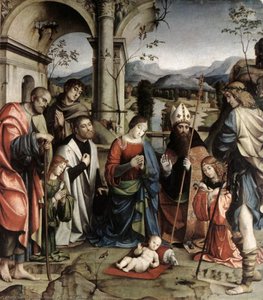
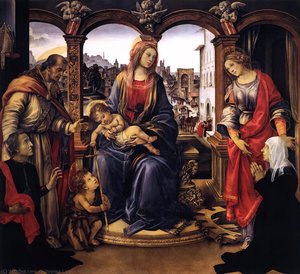
Biografija umetnika
Rano Životno Putovanje i Obuka
Filippino Lippi, rođen u Pratu, Italiji aprila 1457. godine, bio je sin poznatog slikara Fra Filippa Lippija i Lucrezie Buti. Njegovo detinjstvo obeleženo je neobičnim okolnostima – bio je vanbračno dete, što je uticalo na njegovu ranu karijeru i percepciju u umetničkom svetu. Ipak, odrastanje u radionici oca pružilo mu je izvanrednu priliku da se upozna sa tehnikama slikanja i razvije svoj talenat. Fra Filippo Lippi bio je strog učitelj, ali je prepoznao sinov potencijal i posvetio vreme njegovom obrazovanju. Filippino je od malena pokazivao sklonost ka detaljima, preciznosti i živopisnim bojama, karakterističnim za očev stil. Njegova rano dela, iako manje sofisticirana, već su nagoveštavala izuzetan dar i predanost umetnosti. Početak njegove formalne obuke bio je temelj na kome će kasnije graditi svoju prepoznatljivu tehniku i estetski izraz.Umetnički Razvoj i Karakteristike Stila
Nakon očeve smrti, Filippino je nastavio da usavršava svoj stil, prolazeći kroz različite faze razvoja. U periodu od 1475. do 1480. godine, njegove rane kompozicije, poput Madona, karakterisala je manja doterivanost i često su pripisivane anonimnom umetniku poznatom kao "prijatelj Sandra". Međutim, već u periodu od 1480. do 1485. godine, razvio je osobeniji pristup, demonstriran kroz dela poput *Putovanja Tobije*. Ova faza obeležena je jačom individualnošću i sposobnošću da prenese emocije kroz likove i kompoziciju. Vrhunac njegove umetničke mature dostigao je između 1485. i 1504. godine, kada je savršeno usvojio principe Visoke Renesanse, što se jasno vidi u remek-delima poput *Javljanje Hrista Devi*. Filippino Lippi bio je majstor animiranih oblika i linija, toplih boja, detaljnih pejzaža i ekspresivnih figura. Njegov stil karakterisala je jedinstvena kombinacija perspektivne geometrije sa intimnim enterijerima, stvarajući atmosferu dubine i realizma.Značajnija Dela i Saradnje
Filippino Lippi nije radio u izolaciji; sarađivao je sa nekim od najznačajnijih umetnika svog vremena. Učestvovao je u izradi fresaka na vili Lorenca de’ Medičija, zajedno sa Peruginom, Ghirlandaio i Botticellijem. Ova saradnja omogućila mu je da se upozna sa različitim tehnikama i stilovima, što je doprinelo njegovoj umetničkoj zrelosti. Jedan od najznačajnijih projekata bio je dovršavanje nedovršenog dekorisanja Brancacci kapela, započetog od Masaccia, u saradnji sa Masolinom. Njegova dela uključuju *Krunisanje Device*, *Tobija i Anđeo*, *Sveti Jeronim* i *Scena iz života Svetog Tome Akvinskog*. Svako od ovih dela predstavlja jedinstvenu kombinaciju tehničke virtuoznosti, emotivne dubine i inovativnog pristupa kompoziciji. Njegova sposobnost da oživi biblijske priče i svete figure učinila ga je jednim od najtraženijih slikara svog vremena.Uticaji i Nasleđe
Filippino Lippi bio je pod uticajem različitih umetnika, pre svega Sandra Botticellija i njegovog oca Fra Filippa Lippija. Međutim, uspeo je da razvije sopstveni stil koji se isticao originalnošću i inovativnošću. Njegova studija rimskih antikviteta tokom boravka u Rimu takođe je imala značajan uticaj na njegovo delo, uvodeći antičku leksiku u njegovu umetnost. Filippino Lippi smatra se vodećim firentinskim predstavnikom tradicije velikih fresko ciklusa. Njegov uticaj na Visoku Renesansu je neosporan. Dela su mu izložena u muzejima širom sveta, uključujući Galeriju Ufici u Firenci. Poznat je po povezivanju ranijih renesansnih stilova sa estetikom koja se pojavljuje u Visokoj Renesansi. Njegov rad predstavlja važan prelazni period u istoriji umetnosti, otvarajući put novim idejama i tehnikama koje će definisati naredne generacije slikara.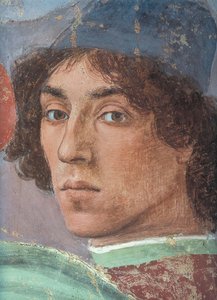
Филипино Липи
1457 - 1504 , Италија
Osnovne informacije
- Artistic Movement Or Style: Visoka renesansa
- Artists Or Movements Influenced By This Artist: ['Raffaellino del Garbo']
- Artists Who Influenced This Artist:
- Fra Filippo Lippi
- Sandro Botticelli
- Date Of Birth: April 1457.
- Date Of Death: April 1504.
- Full Name: Filippino Lippi
- Nationality: Italijan
- Notable Artworks:
- Krunisanje Device Marije
- Putovanje Tobije
- Sv. Jeronim
- Place Of Birth (City And Country): Prato, Italija
Povezani članci
Filippino Lippi: Renaissance Innovation Bridging Faith & Humanism
Explore the captivating world of Filippino Lippi, a Renaissance master bridging faith & humanism through innovative art. Discover his key works, influences, and lasting legacy with ArtsDot.
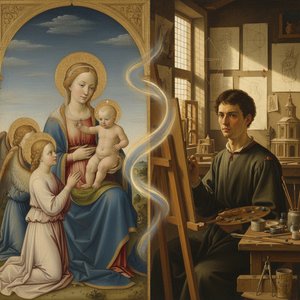
Filippo Lippi: Bridging Renaissance Devotion & Artistic Innovation
Explore the life & revolutionary art of Filippo Lippi, a pivotal Renaissance painter. Discover his masterpieces, influence on Botticelli, and investment potential. Expert analysis at ArtsDot.

Zlatno doba Holandske umetnosti: Top 10 remek dela za vaš dom
Otkrijte remek dela Holandskog zlatnog doba! Uronite u svet Rembrandta, Vermeera i drugih majstora. 10 ikoničnih slika koje su definisale umetnost. Inspiracija za vaš dom i kolekciju - ekskluzivne reprodukcije na ArtsDot.com!

Golden Age Reflections: Dutch Baroque Painting & Cultural Innovation
Explore the Dutch Golden Age of painting! Discover key artists like Vermeer & ter Borch, their innovative techniques, and the rich cultural context behind these Baroque masterpieces. Learn about collecting & appreciating this iconic art period.
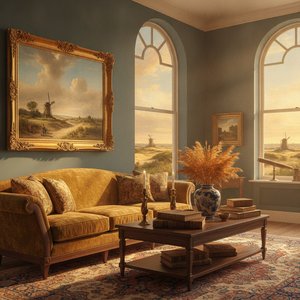
Golden Light & Dutch Skies: Bringing the Magic of Dutch Golden Age Landscapes into Your Home
Transform your home with the breathtaking light of Dutch Golden Age landscapes. Discover how hand-painted oil reproductions of masterworks like Ruisdael and Vermeer bring timeless elegance, atmosphere, and soulful texture to modern interiors. Elevate your space with museum-quality art.