

 Pregledaj u prostoru
 Pošalji
 Podeli
 Detalji o delu

 Преузми
 Slični predmeti
 Rendgenski snimak
 Slajdovi
 Stats
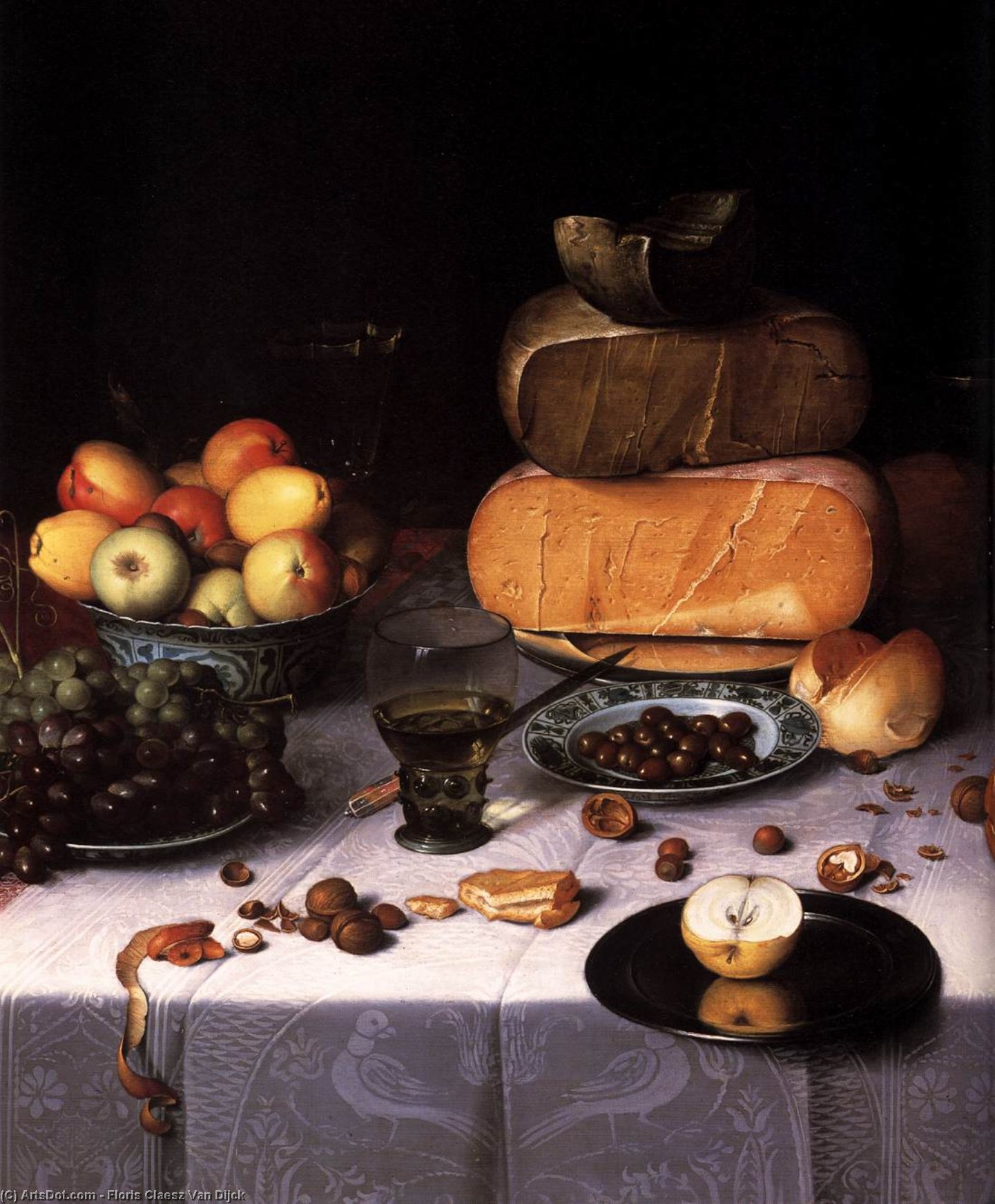
StatsLaid Table with Cheeses and Fruit (detail)


 Pročitaj više
Giclee štampa / Umetnički otisak
Giclée štampa ili print na platnu muzejskog kvaliteta uz brzu proizvodnju i fleksibilne opcije završne obrade. ( Kupi ručno naslikanu sliku Switch to Digital Image)




P118B $10

P118H $10

P118W $10

P438Z $10

P508JH $12

P508YH $12

P805H $10

P805Z $10

P919BZ $10

P919G $10

P919XJ $10

P959ZH $10

P968JZ $12

W106C $8

W218G $10

W218JH $8

W218Y $10

W307PJ $10

W316G $10

W316PJ $8

W316Y $10

W398PJ $8

W4111J $10

W500HY $15

W500JH $15

W692G $12

W849H $8

W940BG $15

W953PJ $8




Izaberite jednu od naših unapred definisanih veličina koje odgovaraju originalnim proporcijama umetničkog dela.

Možete uneti sopstvene dimenzije kako biste umetničko delo prilagodili specifičnom okviru ili prostoru. Ako odabrani format ne odgovara proporcijama originalne slike, mi ćemo ili iscrtati deo dela ili proširiti sliku pomoću ogledane ivice ili jednobojnog popunjavanja. Digitalni prikaz će vam biti poslat na odobrenje pre početka proizvodnje.
Imajte na umu da pregled na ekranu ne odražava stvarno iscrtavanje ili proširivanje. Samo će prikaz (mockup) precizno pokazati finalnu kompoziciju.
Iako su prilagođene dimenzije dostupne, preporučujemo da odaberete dimenziju sa unapred definisane liste kako biste očuvali originalne proporcije.
Dostava širom sveta () za 2 nedelje umesto uobičajenih 4/5 nedelja. (8 септембар)

Besplatna ekspresna dostava širom sveta

Visokokvalitetno laneno platno

Kompletno osiguranje transporta

Garancija povraćaja carine i uvoznih dažbina

Garancija vernosti boja

Politika povraćaja u roku od 100 dana (isključivo u slučaju nedostataka)

Garancija povrata novca od 100%

Popust pri grupnoj kupovini
 Opcija sa staklom dostupna je samo za dimenzije manje od 110 cm

Laid Table with Cheeses and Fruit (detail)
Giclee štampa / Umetnički otisak
Dimenzije reprodukcije
-


Konačna cena
$ 62
A Symphony of Light and Texture
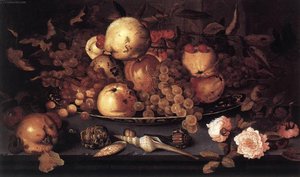
In the quiet, contemplative realm of Dutch Golden Age still life, few artists captured the ephemeral beauty of a moment as exquisitely as Floris Claesz van Dijck. His work, Laid Table with Cheeses and Fruit (detail), serves as a breathtaking masterclass in the art of observation. At first glance, the viewer is greeted by a scene of deceptive simplicity: a table draped in white cloth, scattered with the bountiful offerings of a harvest. Yet, beneath this surface lies a profound exploration of texture and light. Van Dijck does not merely paint objects; he breathes life into them through a masterful manipulation of illumination. One can almost feel the velvety skin of the apples and the cool, reflective sheen of the polished pewter plate as light kisses each surface with subtle gradations. Unlike the aggressive shadows of the Caravaggisti, van Dijck employs a soft, diffused glow that sculpts the subjects, creating an illusion of depth that draws the eye into a world of tactile reality.
The technical prowess on display in this detail is nothing short of extraordinary. The artist possessed a singular ability to differentiate between the various states of matter—the crispness of a fruit's skin, the translucent delicacy of a wine glass, and the heavy, crumbly richness of cheese. This precision invites the viewer to linger, transforming a simple meal into a sensory experience. For the collector or interior designer, such a piece offers more than mere decoration; it provides a focal point of quiet sophistication, capable of anchoring a room with its serene yet complex visual narrative.
The Baroque Balance: Order Amidst Abundance
While the painting celebrates the abundance of nature, it does so through a lens of rigorous classical order. This work stands at a pivotal historical crossroads, embodying the transition from the stylized elegance of Mannerism to the robust, naturalistic energy of the Baroque period. There is a deliberate, rhythmic arrangement to the composition—the symmetrical placement of bowls and the strategic scattering of fruit reflect a desire for harmony and balance that would become a hallmark of the Dutch Golden Age. This sense of structured plenty suggests a world that is both bountiful and controlled, a reflection of the prosperity and stability sought by the patrons of 17th-century Haarlem and beyond.
Beyond the physical arrangement, there is an underlying layer of symbolism that resonates with the era's philosophical preoccupations. The vanitas tradition—the contemplation of mortality and the fleeting nature of life—often whispered through such still lifes. A piece of fruit beginning to soften or a glass left partially full serves as a gentle memento mori, reminding the observer that beauty and earthly delights are transient. This tension between the lush, palpable presence of the food and the subtle reminder of time's passage lends the painting an emotional depth that is both melancholic and deeply appreciative of the present moment.
An Invitation to Timeless Elegance
To possess a reproduction of van Dijck’s work is to invite a piece of history into one's personal sanctuary. The painting transcends its era, offering a timeless aesthetic that complements both classical and contemporary interiors. Its ability to evoke a sense of calm, paired with the intellectual stimulation of its intricate details, makes it an ideal choice for those who appreciate art that rewards repeated viewing. Whether placed in a sunlit breakfast nook or a formal study, this work continues to perform its original function: to celebrate the delicate balance of life, light, and the enduring beauty found in the simplest of arrangements.
Srodna umetnička dela



Biografija umetnika
Guido Reni: The Divine Echo of Raphael
Guido Reni, born in Calvenzano near Bologna in 1575 and passing away in the same city in 1642, stands as a pivotal figure in the transition between Mannerism and Baroque painting. Often described as the “Divine Guido,” his legacy rests not solely on groundbreaking innovation but on a masterful distillation of classical ideals, particularly those championed by Raphael, creating an aesthetic that resonated profoundly with patrons throughout Europe. His career unfolded across Italy – Bologna, Rome, Naples – each location contributing to the evolution of his distinctive style and cementing his reputation as one of the most sought-after artists of his era.
Reni’s early artistic development was shaped by a rigorous apprenticeship under Denys Calvaert in Bologna. This formative period instilled within him a deep appreciation for draughtsmanship, a cornerstone of his later work. However, Reni's exposure to the Carracci family’s Accademia – specifically Ludovico Carracci – proved transformative. He absorbed their commitment to clarity, anatomical accuracy, and a direct engagement with classical antiquity, moving beyond the stylized complexities of Mannerism towards a more balanced and harmonious approach. This shift is particularly evident in his early works like “The Martyrdom of Saint Sebastian,” showcasing a nascent ability to convey emotion through carefully rendered figures and a subtle use of color.
The Roman Years: Caravaggesque Echoes and Borghese Patronage
Reni’s relocation to Rome in 1600 marked a crucial phase in his artistic journey. Initially, he flirted with the dramatic intensity of Caravaggio, as evidenced by “Crucifixion of Saint Peter,” a work characterized by stark contrasts of light and shadow and a heightened sense of emotional turmoil. Yet, Reni quickly recognized that this style didn’t align with his broader aesthetic goals. Instead, he embraced the refined elegance of Raphael, drawing inspiration from the antique and meticulously recreating the idealized beauty of classical forms. This pursuit led him to become a favored artist of Cardinal Scipione Borghese, a position that afforded him considerable influence and access to luxurious commissions.
The Borghese collection became a showcase for Reni’s most celebrated works, including “Aurora,” a breathtaking ceiling fresco depicting the goddess of dawn. This masterpiece exemplifies his mastery of color, composition, and atmospheric perspective, creating an illusion of depth and luminosity that captivated viewers. The sheer scale and technical brilliance of "Aurora" solidified Reni's reputation as one of Rome’s leading painters, attracting attention from across Europe.
Bolognese Mastery: A Studio of Refinement
Returning to Bologna in 1614, Reni established a prolific studio that became the heart of Bolognese painting for decades. He attracted a talented group of assistants and pupils, fostering an environment of artistic exchange and refinement. His workshop produced a vast output of religious paintings – altarpieces, panel paintings, and frescoes – all characterized by their serene beauty, balanced compositions, and subtle emotional depth. Unlike the more dramatic styles prevalent in other parts of Italy, Reni’s work exuded a sense of tranquility and grace.
Reni's influence extended far beyond his immediate workshop. He mentored numerous artists who went on to establish their own careers, ensuring that his artistic principles and techniques were disseminated throughout the Bolognese school. His dedication to anatomical accuracy, his refined color palette, and his ability to evoke a sense of timeless beauty made him an enduring model for generations of painters.
A Legacy of Grace: Reni’s Enduring Appeal
Despite periods of critical neglect – particularly following the scathing critiques of Ruskin in the late 19th century who dismissed Bolognese painting as vulgar and sentimental – Guido Reni's artistic merit has been firmly re-established. His paintings are now recognized for their exquisite beauty, technical skill, and profound understanding of classical ideals. The rediscovery of his work in the mid-20th century sparked a renewed appreciation for his contributions to Italian art history.
Reni’s legacy lies not only in his individual masterpieces but also in his role as a pivotal figure in the transition from Mannerism to Baroque, and in his establishment of a vibrant artistic community in Bologna. His paintings continue to resonate with viewers today, offering a glimpse into a world of serene beauty, classical grace, and enduring artistic refinement – a testament to the “Divine Guido’s” lasting influence on the history of art.
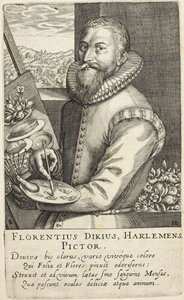
floris claesz van dijck
1575 - 1651 , Netherlands
Osnovne informacije
- Artistic Movement Or Style: Baroque, Classical
- Artists Or Movements Influenced By This Artist:
- Simon Vouet
- Poussin
- Champaigne
- Artists Who Influenced This Artist:
- Calvaert
- Carracci
- Date Of Birth: November 4, 1575
- Date Of Death: August 18, 1642
- Full Name: Guido Reni
- Nationality: Italian
- Notable Artworks:
- Aurora
- Crucifixion of St. Peter
- Saint Cecilia
- Place Of Birth: Calvenzano, Bologna
Povezani članci

Golden Age Reflections: Dutch Baroque Painting & Cultural Innovation
Explore the Dutch Golden Age of painting! Discover key artists like Vermeer & ter Borch, their innovative techniques, and the rich cultural context behind these Baroque masterpieces. Learn about collecting & appreciating this iconic art period.

Illuminating Innovation: Exploring the Dutch Golden Age of Painting
Explore the Dutch Golden Age of painting with ArtsDot. Discover Rembrandt, Vermeer & other Masters. Learn about key characteristics, iconic artworks, and lasting influence. Expert insights for collectors & enthusiasts.
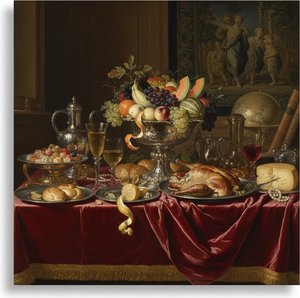
Abraham Hendricksz van Beyeren: Pioneering Dutch Still Life & the Banquet Tradition
Explore the captivating world of Dutch Golden Age still life with Abraham van Beyeren. Discover his innovative techniques, symbolic banquet scenes & lasting influence on art history. Learn about collecting these masterpieces.

Zlatno doba Holandske umetnosti: Top 10 remek dela za vaš dom
Otkrijte remek dela Holandskog zlatnog doba! Uronite u svet Rembrandta, Vermeera i drugih majstora. 10 ikoničnih slika koje su definisale umetnost. Inspiracija za vaš dom i kolekciju - ekskluzivne reprodukcije na ArtsDot.com!

Rembrandt van Rijn: 25 Majstorstava Svetla i Senke za Vaš Dom | ArtsDot
Uronite u svet Rembrandta van Rijna! Otkrijte 25 najlepših dela holandskog majstora – portrete, istorijske scene i biblijska platna. Kvalitetne reprodukcije slika za dekoraciju enterijera dostupne na ArtsDot.com.