

 Pregledaj u prostoru
 Pošalji
 Podeli
 Detalji o delu

 Преузми
 Slični predmeti
 Rendgenski snimak
 Slajdovi
 Statistika
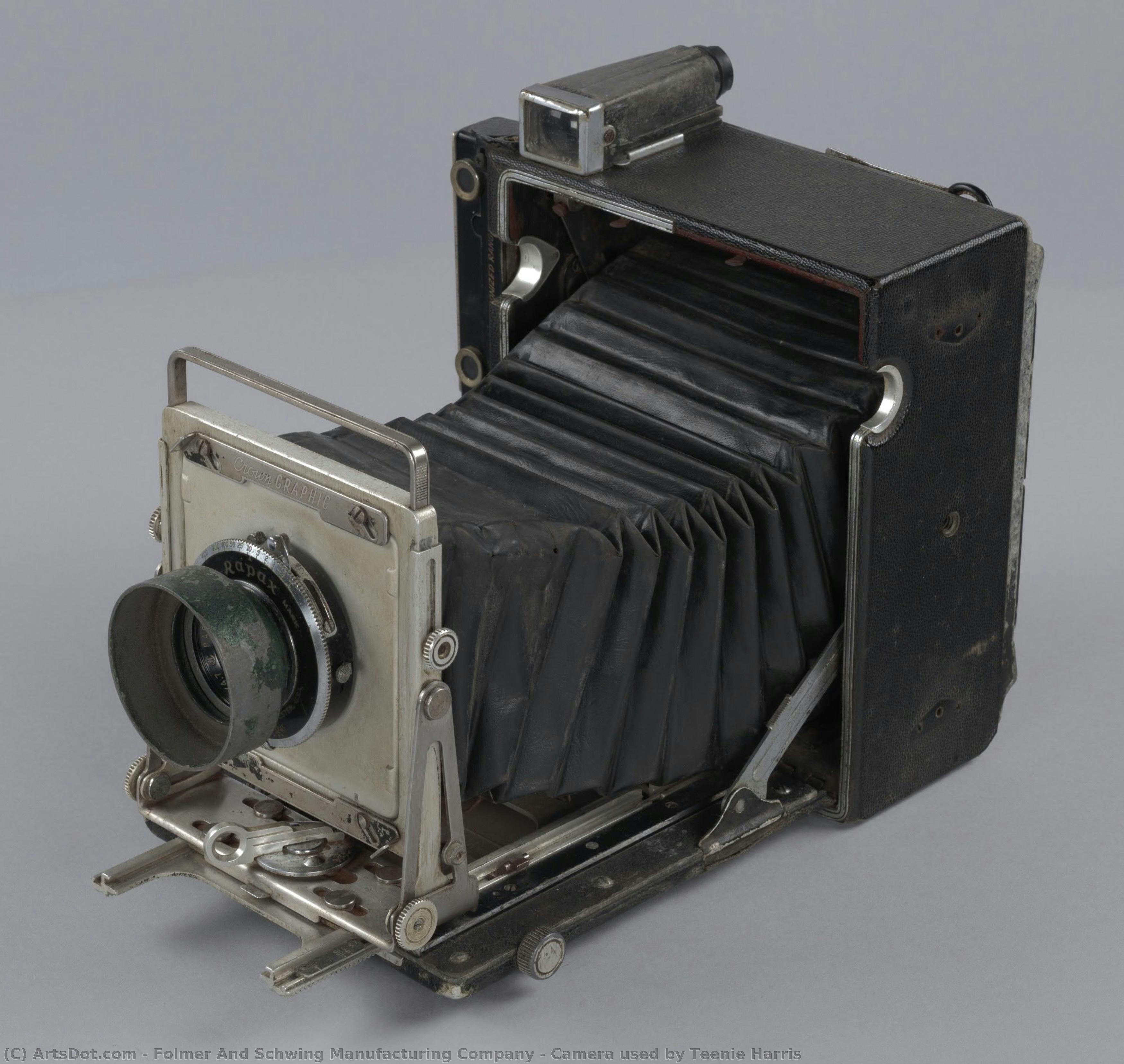
Camera used by Teenie Harris
 1900
1900 21.0 x 19.0 cm
 National Museum of African American History and Culture
 Pročitaj više
Giclee štampa / Umetnički otisak
Giclée štampa ili print na platnu muzejskog kvaliteta uz brzu proizvodnju i fleksibilne opcije završne obrade. ( Kupi ručno naslikanu sliku Pređi na digitalnu sliku)




































Izaberite jednu od naših unapred definisanih veličina koje odgovaraju originalnim proporcijama umetničkog dela.

Možete uneti sopstvene dimenzije kako biste umetničko delo prilagodili specifičnom okviru ili prostoru. Ako odabrani format ne odgovara proporcijama originalne slike, mi ćemo ili iscrtati deo dela ili proširiti sliku pomoću ogledane ivice ili jednobojnog popunjavanja. Digitalni prikaz će vam biti poslat na odobrenje pre početka proizvodnje.
Imajte na umu da pregled na ekranu ne odražava stvarno iscrtavanje ili proširivanje. Samo će prikaz (mockup) precizno pokazati finalnu kompoziciju.
Iako su prilagođene dimenzije dostupne, preporučujemo da odaberete dimenziju sa unapred definisane liste kako biste očuvali originalne proporcije.
Dostava širom sveta () za 2 nedelje umesto uobičajenih 4/5 nedelja. (9 септембар)

Besplatna ekspresna dostava širom sveta

Visokokvalitetno laneno platno

Kompletno osiguranje transporta

Garancija povraćaja carine i uvoznih dažbina

Garancija vernosti boja

Politika povraćaja u roku od 100 dana (isključivo u slučaju nedostataka)

Garancija povrata novca od 100%

Popust pri grupnoj kupovini
 Opcija sa staklom dostupna je samo za dimenzije manje od 110 cm

Camera used by Teenie Harris
Giclee štampa / Umetnički otisak
Dimenzije reprodukcije
-


Konačna cena
$ 62
Srodna umetnička dela









Biografija umetnika
The Pioneering Vision of Folmer & Schwing: From Gaslight to Graflex
The story of Folmer & Schwing Manufacturing Company is a fascinating testament to American ingenuity and the relentless pursuit of innovation. Founded in New York City in 1887 by William F. Folmer, an inventor with a keen eye for opportunity, and William E. Schwing, the company initially carved its niche producing gas light fixtures and chandeliers—products emblematic of the era’s burgeoning industrial landscape. However, as the demand for gas lighting waned, Folmer & Schwing demonstrated remarkable adaptability, branching into bicycle manufacturing before ultimately finding their enduring legacy in the world of photography. This early diversification wasn't merely a response to market forces; it was a reflection of the partners’ shared spirit of experimentation and a willingness to embrace new technologies.
The late 19th century witnessed an explosion in photographic technology, with amateur and professional photographers alike clamoring for better equipment. Recognizing this need, Folmer & Schwing began producing cameras, quickly establishing themselves as a force within the industry. Their early models were characterized by robust construction and a commitment to quality—traits that would become hallmarks of their brand. The company’s initial success stemmed from a focus on practical design, catering to the needs of working photographers who demanded reliability in their tools. This dedication wasn't simply about building cameras; it was about empowering image-makers with instruments capable of capturing the world around them.
The Rise of Graflex and Eastman Kodak’s Influence
By 1909, Folmer & Schwing had become a prominent name in American photography. This success attracted the attention of George Eastman, the visionary founder of Eastman Kodak Company. In that year, Eastman acquired Folmer & Schwing, integrating it into his burgeoning photographic empire as the Folmer & Schwing Division. The move to Rochester, New York, in 1928 marked a significant shift for the company, solidifying its connection with Kodak’s vast resources and manufacturing capabilities. However, this integration wasn't without its complexities.
Despite being under the Kodak umbrella, the spirit of innovation that defined Folmer & Schwing persisted. The division continued to develop groundbreaking camera designs, most notably the iconic Speed Graphic series. This press camera became synonymous with photojournalism throughout much of the 20th century, favored by photographers for its speed, versatility, and ability to capture decisive moments in history. The Speed Graphic wasn’t just a tool; it was an extension of the photographer's eye, enabling them to document events with unparalleled immediacy.
Divestment, Rebirth, and Legacy
In 1926, Kodak faced antitrust pressures and was compelled to divest itself of Folmer & Schwing. This led to the formation of the Folmer Graflex Corporation in 1928, a new entity dedicated solely to camera manufacturing. The name change reflected a conscious effort to capitalize on the established reputation of the Graflex brand. Over the following decades, the company continued to refine its designs and introduce new models, cementing its position as a leader in large-format photography.
The subsequent history of Graflex is one of further transitions—name changes to Graflex Inc. (1946), acquisitions by General Precision Equipment (1956) and Singer Corporation (1968), and ultimately, the sale of its tooling to Toyo Co. in 1973. While the original Folmer & Schwing Manufacturing Company no longer exists as an independent entity, its legacy endures through the enduring designs of the Graflex cameras and their profound impact on the art of photography. The Speed Graphic, in particular, remains a coveted collectible among photographers and historians alike—a tangible reminder of a bygone era of craftsmanship and journalistic integrity.
The story of Folmer & Schwing is more than just a corporate timeline; it’s a narrative about adaptation, innovation, and the power of vision. From humble beginnings as a gaslight manufacturer to becoming an icon in the world of photography, the company's journey exemplifies the American spirit of enterprise and its lasting contribution to visual culture.
Osnovne informacije
- Date Of Death: Living
- Full Name: Folmer And Schwing Manufacturing Company
- Notable Artworks: ['Camera used by Teenie Harris']