

 Pregledaj u prostoru
 Pošalji
 Podeli
 Detalji o delu

 Преузми
 Slični predmeti
 Rendgenski snimak
 Slajdovi
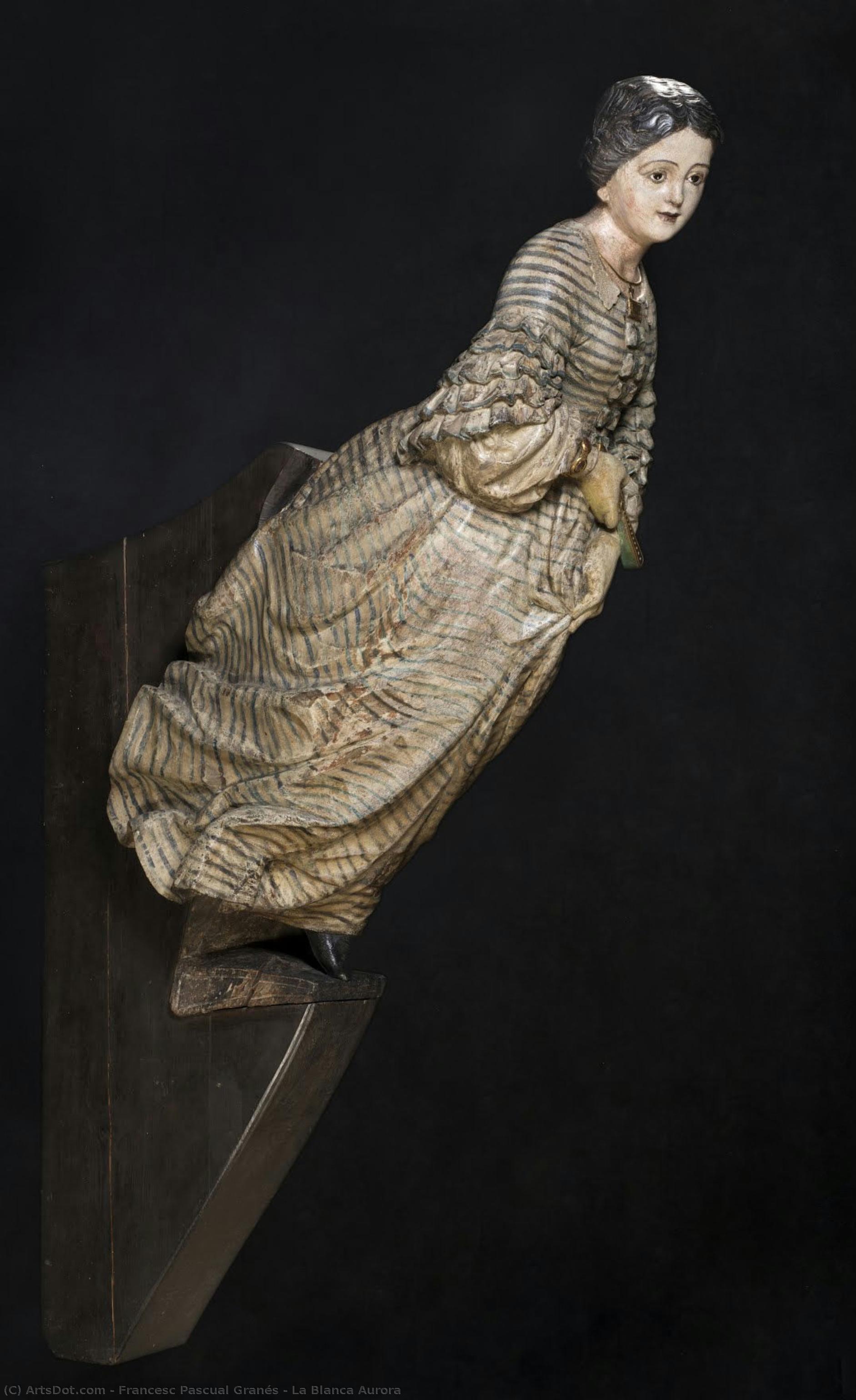
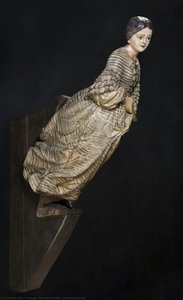
La Blanca Aurora
 174.0 x 100.0 cm
 Maritime Museum of Barcelona
 Pročitaj više
Giclee štampa / Umetnički otisak
Giclée štampa ili print na platnu muzejskog kvaliteta uz brzu proizvodnju i fleksibilne opcije završne obrade. ( Kupi ručno naslikanu sliku Kupi digitalnu sliku)




































Izaberite jednu od naših unapred definisanih veličina koje odgovaraju originalnim proporcijama umetničkog dela.

Možete uneti sopstvene dimenzije kako biste umetničko delo prilagodili specifičnom okviru ili prostoru. Ako odabrani format ne odgovara proporcijama originalne slike, mi ćemo ili iscrtati deo dela ili proširiti sliku pomoću ogledane ivice ili jednobojnog popunjavanja. Digitalni prikaz će vam biti poslat na odobrenje pre početka proizvodnje.
Imajte na umu da pregled na ekranu ne odražava stvarno iscrtavanje ili proširivanje. Samo će prikaz (mockup) precizno pokazati finalnu kompoziciju.
Iako su prilagođene dimenzije dostupne, preporučujemo da odaberete dimenziju sa unapred definisane liste kako biste očuvali originalne proporcije.
Dostava širom sveta () za 2 nedelje umesto uobičajenih 4/5 nedelja. (28 август)

Besplatna ekspresna dostava širom sveta

Visokokvalitetno laneno platno

Kompletno osiguranje transporta

Garancija povraćaja carine i uvoznih dažbina

Garancija vernosti boja

Politika povrata u roku od 60 dana (samo u slučaju nedostataka)

Garancija povrata novca od 100%

Popust pri grupnoj kupovini
 Opcija sa staklom dostupna je samo za dimenzije manje od 110 cm

La Blanca Aurora
Giclee štampa / Umetnički otisak
Dimenzije reprodukcije
-


Konačna cena
$ 62
Srodna umetnička dela





Biografija umetnika
The Sculptor of Color: The Life and Legacy of Francesc Pascual Granés
Born in the coastal town of Lloret de Mar in 1848, Francesc Pascual Granés emerged as a vital voice within the sweeping movement of Catalan Modernisme. His artistic journey was one defined by a profound dialogue between classical training and an organic, almost primal, devotion to nature. To understand Granés is to understand a man who did not merely carve wood, but rather breathed life into it through a masterful manipulation of polychrome pigments. His early years were shaped by the rigorous academic environments of Valencia and Madrid, where he studied under masters such as August Font i Carreras and Miguel Pascual i Tintorer. These formative experiences provided him with a structural foundation in classical aesthetics and architectural design, yet his heart remained tethered to the vibrant, undulating rhythms of the Mediterranean landscape.
The evolution of Granés’s style is inextricably linked to the revolutionary spirit of Antonio Gaudí. Much like the legendary architect, Granés sought to transcend rigid geometric constraints in favor of biomimicry and expressive dynamism. He viewed the natural world not as a collection of static objects, but as a living, breathing entity characterized by textural richness and fluid motion. This shared vision of Organic Modernisme allowed his sculptures to mimic geological formations and botanical wonders, where smooth, polished surfaces would suddenly give way to rough-hewn textures that captured the very essence of earth and sea. His technique was nothing short of alchemical; by utilizing pigments derived from minerals and plant extracts, he achieved a color fidelity that brought an astonishing vitality to his polychrome woodcarvings.
A Masterpiece in Wood: La Blanca Aurora
Perhaps no single work encapsulates the romanticism and maritime soul of Granés’s era better than the figurehead of La Blanca Aurora. Created during a period when merchant ships were adorned with magnificent, polychromatic carvings to ward off misfortune and celebrate identity, this piece stands as a testament to his skill. The figurehead, representing Maria Parés—the daughter of a local shipowner—is more than a mere decoration; it is a symbolic intersection of personal narrative and maritime tradition. Through this work, Granés demonstrated his ability to transform a functional object of seafaring into a profound piece of fine art, capturing the delicate features of a human subject while maintaining the monumental presence required for a vessel's prow.
The history of this specific masterpiece is as dramatic as the sea itself. The corvette La Blanca Aurora was built in Lloret de Mar by the carpenter Agustí Pujol, and its figurehead traveled far beyond the shores of Catalonia, eventually finding its way to Rio de Janeiro. It was only through the determined efforts of Silvestre Parés that the sculpture was recovered from the scrap yards of Brazil and brought back to its ancestral home. This odyssey mirrors the enduring nature of Granés’s art—a work that, much like the waves it once rode, possesses a spirit that refuses to be lost to time.
Enduring Significance in Catalan Art
Though Francisco Pascual Granés passed away in Barcelona in 1902, his contribution to the artistic heritage of Catalonia remains indelible. He occupied a unique space where craftsmanship met high art, bridging the gap between the decorative traditions of maritime woodcarving and the avant-garde sensibilities of the Modernisme movement. His ability to harmonize the structural discipline of his Madrid training with the organic fluidity inspired by Gaudí allowed him to create works that felt both grounded in tradition and strikingly modern.
Today, the legacy of Granés is found in the way we perceive the intersection of color and form. He taught us that sculpture need not be monochromatic or static; it can be a vibrant, multi-sensory experience that captures the fleeting beauty of the natural world. His works continue to serve as treasured symbols of Catalan identity, reminding us of a time when art was woven into the very fabric of daily life, from the grand halls of academies to the prow of a merchant ship navigating the vast, unknown oceans.
francesc pascual granés
1848 - , Spain
Osnovne informacije
- Artistic Movement Or Style: Polychrome Woodcarving
- Artists Who Influenced This Artist: Francesc Berenguer i Mestres
- Date Of Birth: 1848
- Full Name: Francisco Pascual Granés
- Nationality: Spanish
- Notable Artworks: ['La Blanca Aurora Figurehead']
- Place Of Birth: Lloret de Mar, Spain

