

 Pregledaj u prostoru
 Pošalji
 Podeli
 Detalji o delu

 Преузми
 Slični predmeti
 Rendgenski snimak
 Slajdovi
 Statistika
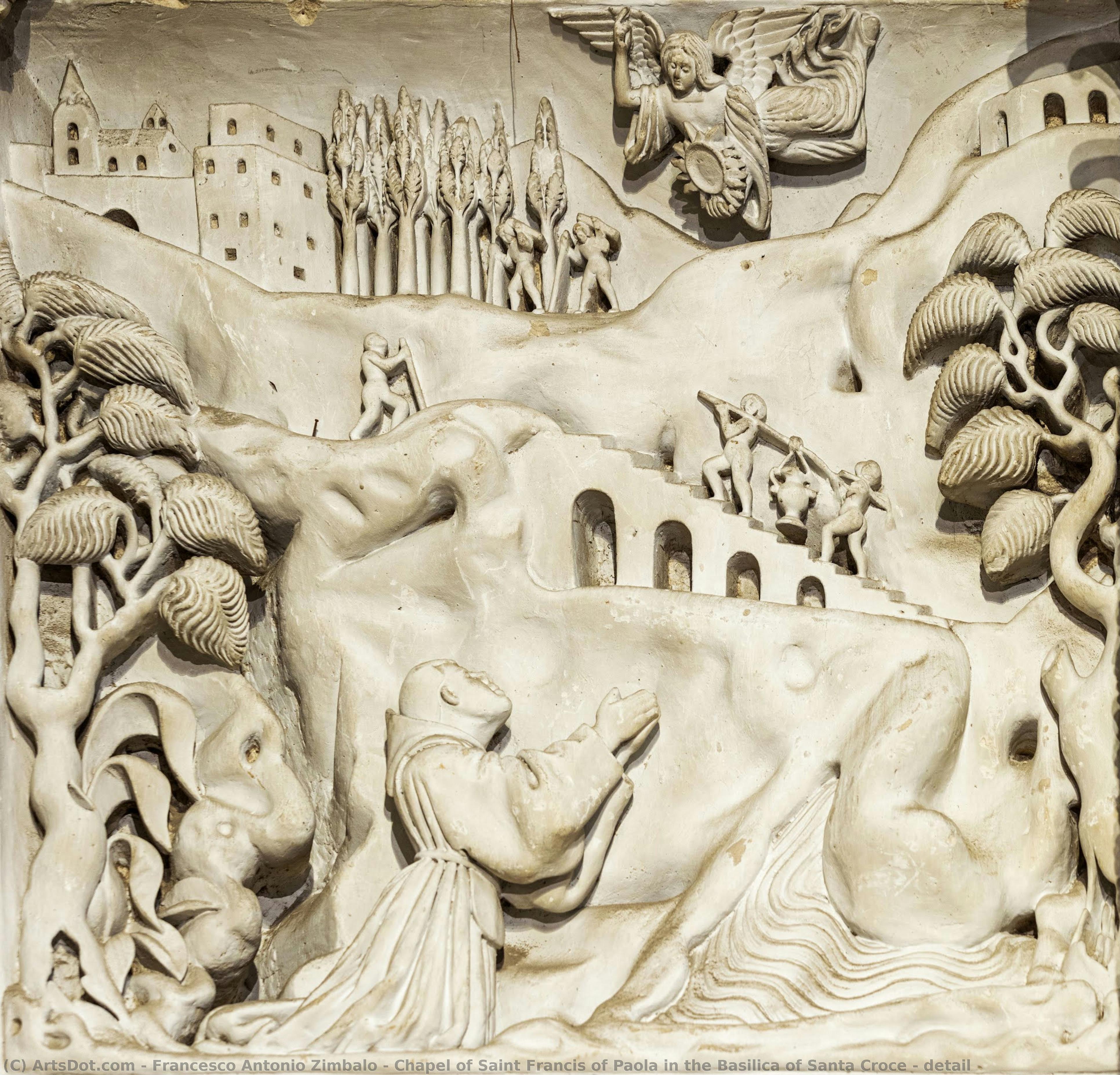
Chapel of Saint Francis of Paola in the Basilica of Santa Croce - detail


 Pročitaj više
Kupite digitalnu sliku visoke rezolucije i poboljšanog kvaliteta, koja je znatno superiornija od onoga što vidite u online prikazu.
Svaka datoteka je pedantno pripremljena od strane naših stručnjaka koristeći napredne alate i profesionalnu ručnu retušu. Osiguravamo da svaka slika ima izuzetnu oštrinu, preciznu reprodukciju boja i fine detalje.
Konačna datoteka se dostavlja putem e-pošte u roku od 72 sata, optimizovana za neposrednu upotrebu u profesionalnim, izdavačkim i štamparskim okruženjima. To je isti kvalitet kojem veruju vrhunski studiji dizajna, izdavači i galerije.
Digitalna slika
Preuzmite datoteku visoke rezolucije za ličnu upotrebu, štampanje i kreativne projekte. ( Pređi na štampu Kupi ručno naslikanu sliku)
Uključeno uz svaku porudžbinu digitalne slike
Profesionalna digitalna isporuka, zagarantovana
Kada odaberete ArtsDot.com, ne dobijate samo sliku – vi primate profesionalno unapređeno digitalno umetničko delo, izrađeno sa najvećom preciznošću i uz garanciju zadovoljstva. Evo svega što automatski dolazi uz vašu porudžbinu:

Brza dostava putem e-pošte
Vaša digitalna slika visoke rezolucije biće vam poslata putem e-pošte u roku od 72 sata od poručivanja – spremna za trenutnu upotrebu.

Digitalna datoteka unapređena veštačkom inteligencijom
Vaše umetničko delo je profesionalno optimizovano korišćenjem naprednih AI alata i ručne obrade, čime se osiguravaju maksimalni detalji, oštrina i preciznost boja.

Besplatna ponovna isporuka doživotno
Slučajno ste obrisali ili izgubili svoju datoteku? Ne brinite – poslaćemo vam je ponovo u bilo kom trenutku, potpuno besplatno.

Bez troškova uvoza – zauvek
Uživajte u svojim umetničkim delima trenutno, bez carine, dažbina ili troškova dostave – digitalni download je uvek bez poreza.

Garancija vernosti boja
Uz pomoć profesionalnih alata i upravljanja bojama, osiguravamo da vaša digitalna slika što vernije odražava originalne boje.

Garancija zadovoljstva od 100 dana
Ako niste zadovoljni svojom digitalnom slikom, izvršićemo reviziju ili ćemo vam vratiti 100% novca u roku od 100 dana – bez ikakvih pitanja.

100% garancija povrata novca
Niste zadovoljni? Dobijte puni povraćaj novca u roku od 100 dana od prijema digitalne datoteke – bez suvišnih pitanja.

Popusti na velike porudžbine
Kupite 3 slike, uštedite 10% - Kupite 5 slika, uštedite 15% - Kupite 10+ slika, uštedite 20%. Odlično za kreativne projekte, galerije i agencije.
A Window into the Baroque Soul
In the heart of the Basilica of Santa Croce, tucked within the sacred intimacy of the Chapel of Saint Francis of Paola, lies a detail that transcends mere paint and pigment. This exquisite fragment of 1615 artistry serves as a profound testament to the transition from Renaissance restraint to the theatrical emotionality of the Baroque era. As we gaze upon this scene, we are not merely observing a historical depiction but are invited into a living moment of devotion and human connection. The composition captures a delicate balance between the earthly and the divine, where the focused intensity of a man lost in study or prayer acts as an anchor for the viewer, grounding the swirling narratives of the background figures within a sense of quiet, contemplative stillness.
The technique employed here reflects the masterful hand of Francesco Antonio Zimbalo’s era, characterized by a sophisticated use of light and shadow that breathes life into every fold of fabric and every leaf of the distant trees. The artist utilizes a naturalistic approach to illumination, suggesting the soft, pervasive glow of a daytime setting that allows for an intricate exploration of texture. One can almost feel the weight of the parchment being read and the warmth of the sun filtering through the architectural landscape. This interplay of light does more than illuminate; it sculpts the figures, creating a sense of volume and presence that makes the scene feel remarkably immediate, as if the viewer has just stepped into the frame.
Symbolism and the Architecture of Devotion
Beyond its visual splendor, the artwork is steeped in the spiritual gravity of the Salento region. The backdrop of buildings and verdant trees does not merely provide a setting; it represents the intersection of the natural world and the enduring strength of the Church. Every element within this detail—from the focused gaze of the foreground figure to the whispered conversations of those in the distance—serves to illustrate the communal nature of faith. The act of reading or observing intently symbolizes the pursuit of divine wisdom, a central theme in the life of Saint Francis of Paola. For the collector or the designer, this piece offers more than decoration; it offers a narrative of intellectual and spiritual depth.
For those seeking to integrate such a masterpiece into a curated interior, this reproduction provides an unparalleled opportunity to introduce a sense of historical grandeur and emotional resonance. Whether placed in a quiet study to inspire deep thought or as a focal point in a sophisticated gallery space, the painting’s ability to evoke a sense of timelessness is profound. It carries with it the legacy of Lecce’s golden age, bringing the exuberant spirit of the Baroque into the modern home. To possess such a work is to hold a fragment of history, a piece of the very soul of southern Italy, rendered with a passion that continues to captivate the heart centuries after its creation.
Srodna umetnička dela
![Life Of Saint Francis - [01] - Stigmatization Of Saint Francis — Đijoto Di Bondone, Early Renaissance](/media/artworks/images-thumb/fd/6a/fd6ae2a8f5e88e0ace6b86a21d020ded.jpg)
![Legend Of St Francis - [11] - St Francis Before The Sultan (trial By Fire) — Đijoto Di Bondone, Proto-renaissance](/media/artworks/images-thumb/0d/32/0d328acfb6c90f7ef32707586e86044b.jpg)
![Life Of Saint Francis - [04] - Death And Ascension Of St Francis — Đijoto Di Bondone, Italian Renaissance](/media/artworks/images-thumb/08/8b/088b102b13c1a379233690905590f156.jpg)

Biografija umetnika
The Baroque Visionary of Lecce: Francesco Antonio Zimbalo
Francesco Antonio Zimbalo, born in the vibrant city of Lecce around 1567 and passing away there in 1631, stands as a pivotal figure in the development of Baroque architecture in southern Italy. While not widely known outside specialist circles, within the Salento peninsula – the heel of Italy’s boot – his influence is monumental. Zimbalo wasn't merely an architect; he was a sculptor of stone, a master craftsman who helped define the exuberant and uniquely ornate style that came to be synonymous with Lecce. His life coincided with a period of significant artistic transition, as the restrained elegance of the Renaissance yielded to the dramatic flourishes and emotional intensity of the Baroque era. He emerged not from academic training but from a deeply rooted tradition of local artisans, inheriting skills passed down through generations of stonemasons and sculptors. This practical grounding, coupled with an innate understanding of the region’s distinctive *pietra leccese* – a soft, easily workable limestone – would become the hallmark of his work.A Family Legacy in Stone
Zimbalo hailed from a family deeply embedded in the artistic fabric of Lecce. The trade wasn't simply a profession; it was a dynastic inheritance. His son continued the family’s pursuits, but it was his grandson, Giuseppe Zimbalo – affectionately known as “Lo Zingarello” (the Little Zimbalo) – who would achieve perhaps even greater renown. This lineage is crucial to understanding Francesco Antonio’s role: he wasn't an isolated genius but a vital link in a chain of artistic innovation. He laid the foundations for his grandson’s masterpieces, establishing a workshop and aesthetic sensibility that would dominate Lecce’s architectural landscape for decades. The family’s commitment to their craft ensured not only its survival but also its evolution, adapting and refining techniques while remaining deeply connected to the local materials and traditions.The Basilica di Santa Croce: A Defining Project
Zimbalo's most significant contribution lies in his work on the Basilica of Santa Croce, a sprawling architectural complex that embodies the spirit of Leccese Baroque. Construction began in 1549 under Gabriele Riccardi, but it was Zimbalo who truly transformed the façade into a breathtaking spectacle. He designed and executed the three magnificent portals – elaborate gateways teeming with sculpted figures, floral motifs, and fantastical creatures. These weren’t simply entrances; they were statements of faith, displays of civic pride, and showcases of artistic virtuosity. The *pietra leccese* was exploited to its fullest potential, allowing for an astonishing level of detail and a play of light and shadow that accentuated the dramatic forms. Beyond the portals, Zimbalo also designed the altar of San Francesco di Paola within the basilica, further solidifying his reputation as a master of religious architecture. The Basilica stands today as a testament to his skill and vision, attracting visitors from around the world who marvel at its intricate beauty.Influences and Artistic Development
Pinpointing specific influences on Zimbalo is challenging due to limited documentation. However, it’s clear that he absorbed elements from both Renaissance classicism and emerging Baroque trends prevalent in Naples – a major cultural center nearby. He skillfully blended these influences with the unique characteristics of Leccese stone carving, creating a style that was distinctly his own. Early works likely demonstrate a more restrained classical approach, gradually evolving towards the increasingly ornate and dynamic forms characteristic of his later projects. The emphasis on sculptural detail, the theatrical use of light and shadow, and the integration of local motifs – such as stylized acanthus leaves and grotesque masks – all point to a deliberate artistic development driven by both aesthetic considerations and the inherent properties of the *pietra leccese*.Historical Significance and Lasting Impact
Francesco Antonio Zimbalo’s legacy extends far beyond the Basilica di Santa Croce. He helped establish a distinctive Leccese Baroque style that continues to captivate audiences today. His workshop trained generations of artisans, ensuring the continuity of his techniques and aesthetic principles. The influence of his work can be seen throughout Lecce – in churches, palaces, and even private residences. More importantly, he fostered a sense of civic pride and artistic identity within the city, transforming it into a showcase for Baroque splendor. He wasn’t simply building structures; he was creating an environment, shaping a cultural landscape that would define Lecce for centuries to come. His work remains a powerful reminder of the enduring beauty and expressive potential of stone carving, and his contribution to Italian art history is increasingly recognized as profoundly significant.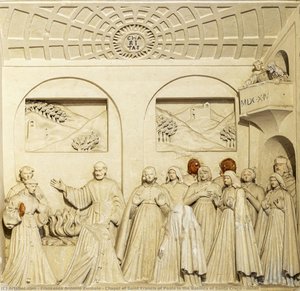
francesco antonio zimbalo
1567 - 1631 , Italy
Kratke činjenice
- Artistic Movement Or Style: Baroque architecture
- Artists Or Movements Influenced By This Artist: ['Giuseppe Zimbalo']
- Date Of Birth: 1567
- Date Of Death: 1631
- Full Name: Francesco Antonio Zimbalo
- Nationality: Italian
- Notable Artworks:
- Portals of Basilica di Santa Croce
- Altar of San Francesco di Paola
- Chapel of Saint Francis of Paola
- Place Of Birth: Lecce, Italy