

 Pregledaj u prostoru
 Pošalji
 Podeli
 Detalji o delu

 Преузми
 Slični predmeti
 Rendgenski snimak
 Slajdovi
 Statistika
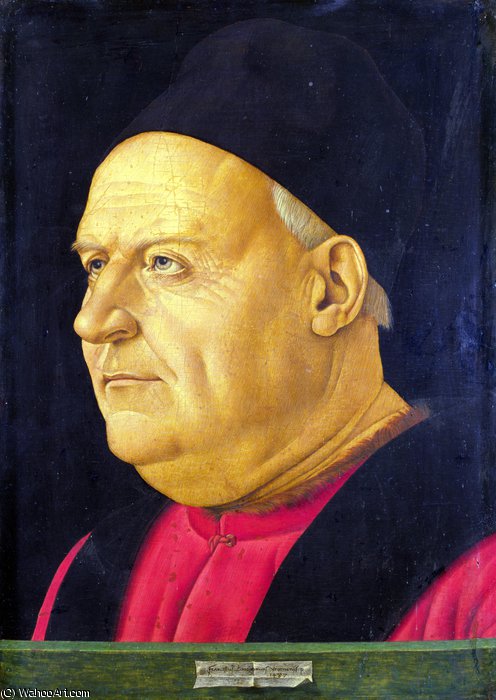
Portrait of an Elderly Man

 Pročitaj više
Giclee štampa / Umetnički otisak
Giclée štampa ili print na platnu muzejskog kvaliteta uz brzu proizvodnju i fleksibilne opcije završne obrade. ( Kupi ručno naslikanu sliku Pređi na digitalnu sliku)




































Izaberite jednu od naših unapred definisanih veličina koje odgovaraju originalnim proporcijama umetničkog dela.

Možete uneti sopstvene dimenzije kako biste umetničko delo prilagodili specifičnom okviru ili prostoru. Ako odabrani format ne odgovara proporcijama originalne slike, mi ćemo ili iscrtati deo dela ili proširiti sliku pomoću ogledane ivice ili jednobojnog popunjavanja. Digitalni prikaz će vam biti poslat na odobrenje pre početka proizvodnje.
Imajte na umu da pregled na ekranu ne odražava stvarno iscrtavanje ili proširivanje. Samo će prikaz (mockup) precizno pokazati finalnu kompoziciju.
Iako su prilagođene dimenzije dostupne, preporučujemo da odaberete dimenziju sa unapred definisane liste kako biste očuvali originalne proporcije.
Dostava širom sveta () za 2 nedelje umesto uobičajenih 4/5 nedelja. (8 септембар)

Besplatna ekspresna dostava širom sveta

Visokokvalitetno laneno platno

Kompletno osiguranje transporta

Garancija povraćaja carine i uvoznih dažbina

Garancija vernosti boja

Politika povraćaja u roku od 100 dana (isključivo u slučaju nedostataka)

Garancija povrata novca od 100%

Popust pri grupnoj kupovini
 Opcija sa staklom dostupna je samo za dimenzije manje od 110 cm

Portrait of an Elderly Man
Giclee štampa / Umetnički otisak
Dimenzije reprodukcije
-


Konačna cena
$ 62
Srodna umetnička dela
Biografija umetnika
Francesco Bonsignori: A Veronese Master of Devotion and Subtle Realism
Francesco Bonsignori (c. 1455 – July 2, 1519), a name often debated until recently due to the striking similarities in technique between his work and that of his influential teacher, Mantegna, represents a pivotal figure in the late Northern Renaissance art of Italy. Born in Verona, amidst a family steeped in artistic tradition—his father, Albertus Bonsignori, was himself an amateur painter—Francesco’s early life was marked by exceptional talent, nurtured under the tutelage of Liberale da Verona, a miniaturist who skillfully adapted Mantegna's innovative style to a larger scale. This formative period established a foundation built upon Venetian influences – subtle color palettes and atmospheric backgrounds hinting at the artistic currents flowing through the region.
Bonsignori’s career truly blossomed during his time in Mantua, serving as a court artist for the Gonzaga family from 1487. This patronage provided him with unprecedented opportunities to develop his skills and explore diverse subjects. Initially, he worked closely with Andrea Mantegna, collaborating on numerous religious paintings that showcased a shared aesthetic—a meticulous attention to detail, a restrained emotionality, and a masterful use of perspective. However, as Bonsignori’s own style matured, it began to diverge from Mantegna's, incorporating elements influenced by Lorenzo Costa, particularly in the realm of form and color. This shift is most evident in his later works, notably the monumental altarpiece, “The Adoration of the Blessed Osanna Andreasi” (Palazzo Ducale, Mantua), completed shortly before his death – a testament to his artistic prowess and a culmination of decades of dedicated practice.
Bonsignori’s early artistic development is remarkably well-documented, largely thanks to Giorgio Vasari's seminal work, *Lives of the Most Excellent Painters, Sculptors, and Architects*. Vasari highlights Bonsignori’s prodigious talent within his family, noting that he was the most artistically gifted among his brothers, Bernardino and Girolamo. Girolamo, in particular, is celebrated for his exquisite copy of Leonardo da Vinci's *Last Supper*, a remarkable feat of artistic imitation demonstrating a deep understanding of the master’s techniques. This familial legacy undoubtedly contributed to Bonsignori’s own dedication to his craft.
The Influence of Liberale da Verona and Mantegna
Bonsignori’s early training under Liberale da Verona proved crucial in shaping his artistic sensibilities. Liberale, initially a miniaturist, was deeply influenced by Mantegna's innovative approach to perspective, composition, and the depiction of human figures. This influence is readily apparent in Bonsignori’s early works, characterized by a meticulous attention to detail and a sophisticated understanding of spatial relationships. Furthermore, Bonsignori’s appreciation for Francesco Squarcione, the founder of the Paduan school and a key teacher of Andrea Mantegna, further solidified his connection to this influential artistic lineage.
The collaboration with Mantegna during his time at the Gonzaga court was particularly formative. They jointly executed numerous religious paintings, often exploring themes of the Madonna and Child, demonstrating a shared commitment to realism and devotional intensity. Mantegna’s influence is palpable in Bonsignori's later works, particularly in his use of light, shadow, and anatomical accuracy – elements that contribute to the profound emotional impact of his compositions.
A Master of Religious Painting and Portraiture
While Bonsignori is primarily recognized for his contributions to religious painting—altarpieces, devotional panels, and frescoes—he also excelled in portraiture. His portraits, often commissioned by the Gonzaga family, are notable for their subtle realism and psychological depth. He skillfully captured the personalities of his subjects, conveying a sense of dignity and grace through carefully observed details and nuanced expressions.
Bonsignori’s artistic versatility is further evidenced by his architectural perspective skills. His ability to render buildings with remarkable accuracy—a skill honed during his time in Mantua—is particularly evident in works such as “The Adoration of the Blessed Osanna Andreasi,” where he seamlessly integrates architectural elements into the overall composition, creating a sense of spatial coherence and grandeur.
Late Style and Legacy
Bonsignori’s late style is characterized by a decisive shift towards the aesthetic principles championed by Lorenzo Costa. This influence is most evident in his use of color—rich, luminous hues that create a vibrant and emotionally resonant atmosphere. His compositions also exhibit a greater sense of dynamism and movement, reflecting a growing confidence and artistic maturity.
Despite his relatively short career – he died in 1519 – Francesco Bonsignori left behind a significant body of work that continues to captivate art historians and enthusiasts alike. His paintings are valued for their technical skill, emotional depth, and subtle realism—qualities that firmly establish him as one of the most important artists of the late Northern Renaissance.
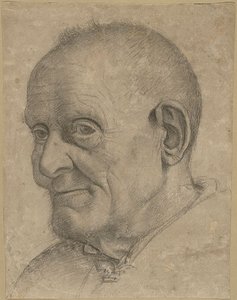
Francesco Bonsignori
1460 - 1519 , Italy
Osnovne informacije
- Artistic Movement Or Style: Renaissance
- Artists Or Movements Influenced By This Artist:
- Squarcione
- Andrea Mantegna
- Artists Who Influenced This Artist:
- Liberale da Verona
- Mantegna
- Lorenzo Costa
- Date Of Birth: 1455, Verona
- Date Of Death: 1519, Caldiero
- Full Name: Francesco Bonsignori
- Nationality: Italian
- Notable Artworks:
- Adoration of Blessed Osanna Andreasi
- Young woman with hair in rolls
- Place Of Birth: Verona, Italy
Povezani članci

The Enduring Legacy of Oil on Canvas: Technique, History & Aesthetic Impact
Explore the rich history & techniques of oil painting – from Renaissance masters to Impressionism. Discover pigments, layering methods, and why this timeless medium endures. Expert insights for artists & art enthusiasts.

The Enduring Power of Painting: A Historical & Contemporary Exploration of Form and Emotion
Explore the rich history & enduring techniques of oil painting with ArtsDot. Discover masterpieces, learn about art collecting, and find authentic handmade reproductions crafted by skilled artists.
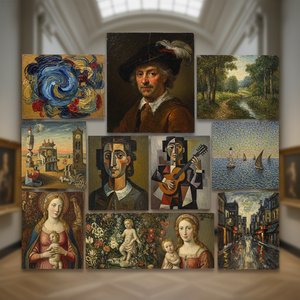
Oil on Board Masters: 10 Paintings That Redefined Art | ArtsDot
Explore 10 legendary 'Oil on Board' masterpieces by Van Gogh, Monet & more! Discover art history, iconic styles like Impressionism, and find museum-quality reproductions to elevate your home decor. Explore the full collection online at ArtsDot.com.

Oil on Canvas: A Historical & Technical Exploration of a Timeless Artistic Medium
Explore the rich history & enduring techniques of oil painting on canvas. Discover the science behind its longevity, conservation practices, and contemporary relevance. Expert insights for art enthusiasts.

Trajnu Ostavština Uljanih Boja na Platnu: Tehnika, Istorija i Savremena Praksa
Istražite bogatu istoriju i savremene tehnike uljanog slikarstva. Saveti stručnjaka, analiza radova velikih majstora i vodiči za biranje kvalitetnih materijala. Otkrijte tajne očuvanja umetničkih dela!