

 Pregledaj u prostoru
 Pošalji
 Podeli
 Detalji o delu

 Преузми
 Slični predmeti
 Rendgenski snimak
 Slajdovi
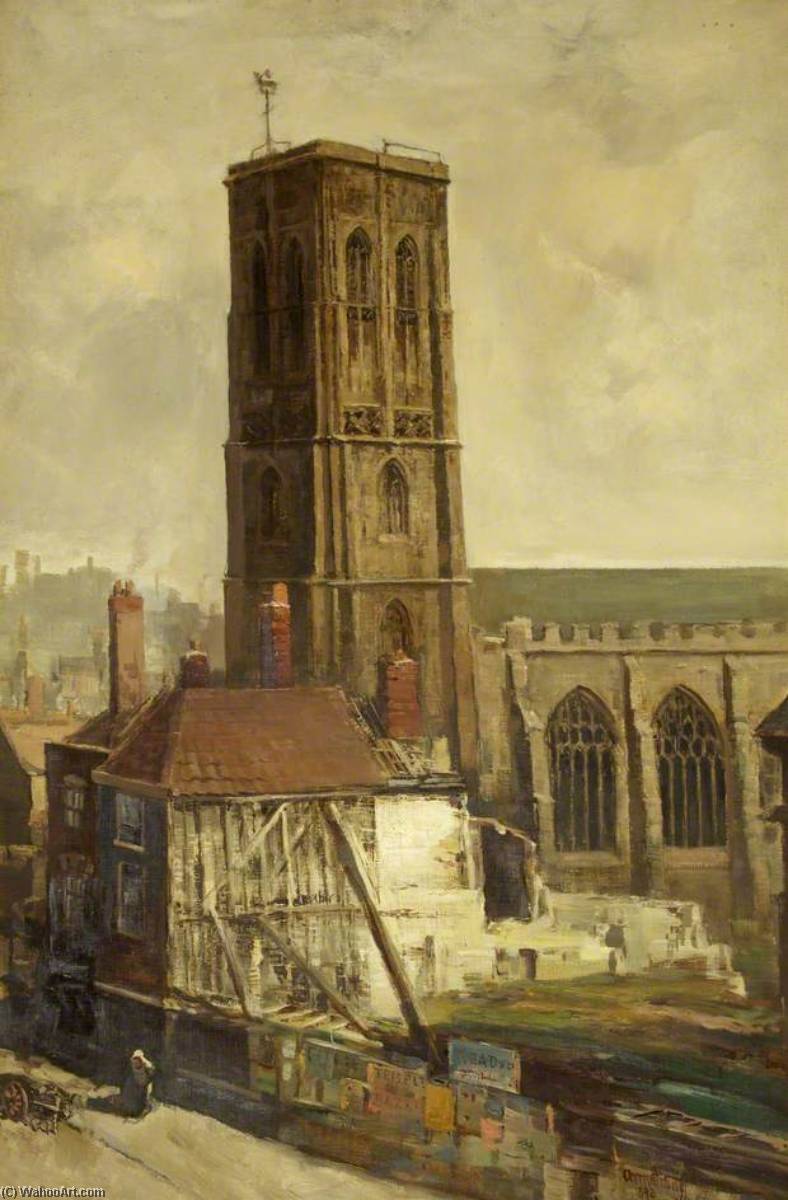
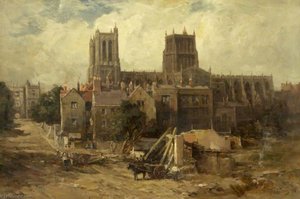
View of Temple Church
 89.0 x 60.0 cm
 Bristol Museum - Art Gallery
 Pročitaj više
Kupite digitalnu sliku visoke rezolucije i poboljšanog kvaliteta, koja je znatno superiornija od onoga što vidite u online prikazu.
Svaka datoteka je pedantno pripremljena od strane naših stručnjaka koristeći napredne alate i profesionalnu ručnu retušu. Osiguravamo da svaka slika ima izuzetnu oštrinu, preciznu reprodukciju boja i fine detalje.
Konačna datoteka se dostavlja putem e-pošte u roku od 72 sata, optimizovana za neposrednu upotrebu u profesionalnim, izdavačkim i štamparskim okruženjima. To je isti kvalitet kojem veruju vrhunski studiji dizajna, izdavači i galerije.
Digitalna slika
Preuzmite datoteku visoke rezolucije za ličnu upotrebu, štampanje i kreativne projekte. ( Kupi print Kupi ručno naslikanu sliku)
Uključeno uz svaku porudžbinu digitalne slike
Profesionalna digitalna isporuka, zagarantovana
Kada odaberete ArtsDot.com, ne dobijate samo sliku – vi primate profesionalno unapređeno digitalno umetničko delo, izrađeno sa najvećom preciznošću i uz garanciju zadovoljstva. Evo svega što automatski dolazi uz vašu porudžbinu:

Brza dostava putem e-pošte
Vaša digitalna slika visoke rezolucije biće vam poslata putem e-pošte u roku od 72 sata od poručivanja – spremna za trenutnu upotrebu.

Digitalna datoteka unapređena veštačkom inteligencijom
Vaše umetničko delo je profesionalno optimizovano korišćenjem naprednih AI alata i ručne obrade, čime se osiguravaju maksimalni detalji, oštrina i preciznost boja.

Besplatna ponovna isporuka doživotno
Slučajno ste obrisali ili izgubili svoju datoteku? Ne brinite – poslaćemo vam je ponovo u bilo kom trenutku, potpuno besplatno.

Bez troškova uvoza – zauvek
Uživajte u svojim umetničkim delima trenutno, bez carine, dažbina ili troškova dostave – digitalni download je uvek bez poreza.

Garancija vernosti boja
Uz pomoć profesionalnih alata i upravljanja bojama, osiguravamo da vaša digitalna slika što vernije odražava originalne boje.

Garancija zadovoljstva u roku od 60 dana
Ako niste zadovoljni svojom digitalnom slikom, revidirat ćemo je ili vratiti 100% novca u roku od 60 dana – bez ikakvih pitanja.

100% garancija povrata novca
Niste zadovoljni? Obezbedite pun povrat novca u roku od 60 dana od trenutka kada ste primili svoju digitalnu datoteku – bez suvišnih pitanja.

Popusti na velike porudžbine
Kupite 3 slike, uštedite 10% - Kupite 5 slika, uštedite 15% - Kupite 10+ slika, uštedite 20%. Odlično za kreativne projekte, galerije i agencije.
Srodna umetnička dela



Biografija umetnika
The Visionary Landscapes of Francis Abel William Taylor Armstrong
Francis Abel William Taylor Armstrong (1849 – 1920) emerged as a prominent figure in British landscape painting during the Victorian era, leaving behind a legacy of evocative depictions that continue to resonate with collectors and art historians alike. Born in Bristol, England, Armstrong’s artistic journey was shaped by both familial connections to the arts and a burgeoning fascination with capturing the beauty of the natural world. His father, William Taylor Armstrong Sr., a solicitor, instilled in his son a love for meticulous observation and intellectual curiosity. While his formal training may have begun through self-study and experimentation, his innate talent allowed him to navigate the complex artistic landscape of 19th-century Britain with remarkable grace.
By the late 1870s, Armstrong relocated to London, immersing himself in the vibrant artistic milieu of the city. This period marked a significant turning point in his development as he began exhibiting his work regularly at prestigious institutions such as the Royal Academy and the Slade School of Fine Art. It was during these years that his mastery of light and color truly began to flourish. His style became firmly established through a sophisticated use of atmospheric perspective and a profound sensitivity to tonal variations. Favoring oil paints on canvas, Armstrong employed intricate layering techniques to achieve a sense of remarkable realism, all while maintaining the ability to convey the deep mood and character of his subjects.
A Mastery of Light and Atmosphere
The essence of Armstrong’s work lies in its ability to transport the viewer into the heart of the English countryside. His canvases often reflect the profound influence of Romanticism, drawing inspiration from the legendary techniques of masters like Turner and Constable. He possessed a unique gift for capturing the fleeting qualities of nature—the way golden sunlight bathes a valley or how mist clings to a rugged moorland. This technical prowess is perhaps most evident in his celebrated works:
- The River Avon at Bradford Abbas (1883): A stunning portrayal of Dorset’s Avon Valley, where the artist uses light to create a sense of warmth and tranquility.
- Cornfield Near Stoke Newington (1886): A piece that captures the quiet grandeur and peacefulness of rural England.
- Dartmoor Moorland (1902): A demonstration of his ability to convey the raw, rugged beauty of the wild landscape.
Beyond the pastoral, Armstrong also displayed a keen interest in urban and architectural subjects, blending the majesty of historical structures with the vitality of daily life. His paintings of Bristol, such as The Church of St Mary Redcliffe (1899) and Bristol Cathedral (1904), showcase his skill in capturing the essence of urban landscapes. In these works, he utilizes bold brushstrokes and vivid colors to highlight intricate architectural details, often juxtaposing the permanence of stone towers with the transient movement of horse-drawn carriages and bustling city life.
Legacy and Historical Significance
The historical significance of Francis Abel William Taylor Armstrong lies in his role as a chronicler of a changing Britain. Through his eyes, we witness the serene beauty of the pre-industrial countryside and the dignified evolution of English cities. His work serves as a bridge between the classical landscape traditions of the past and the more emotive, atmospheric approaches of the late Victorian period. By focusing on the interplay of light, texture, and atmosphere, Armstrong created a body of work that transcends mere documentation, offering instead a poetic meditation on the natural and built environments.
Today, his paintings remain cherished for their ability to evoke nostalgia and wonder. Whether depicting a tranquil river scene or a majestic cathedral, Armstrong’s dedication to capturing the soul of his subjects ensures his enduring place in the annals of British art history. His legacy continues to inspire those who find beauty in the subtle shifts of light and the timeless landscapes of the English realm.
francis abel william taylor armstrong
1849 - 1920
Kratke činjenice
- Artistic Movement Or Style: Romanticism
- Artists Or Movements Influenced By This Artist: ['Hudson Lowe']
- Artists Who Influenced This Artist:
- John Constable
- George Frederic Handel
- Date Of Birth: 1849
- Date Of Death: 1920
- Full Name: Francis Abel William Taylor Armstrong
- Nationality: British
- Notable Artworks:
- The Old Mill
- Redcliffe Gorge
- Place Of Birth: Bristol, England

