

 Pregledaj u prostoru
 Pošalji
 Podeli
 Detalji o delu

 Преузми
 Slični predmeti
 Rendgenski snimak
 Slajdovi
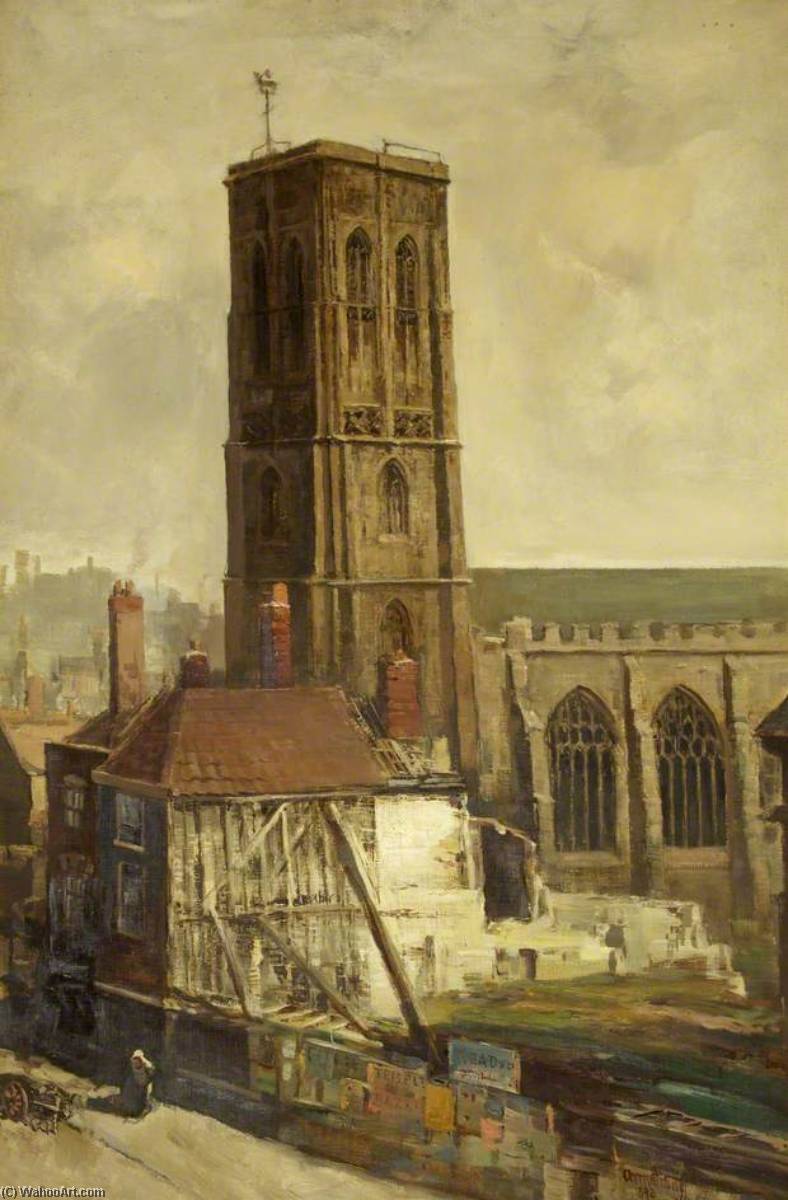
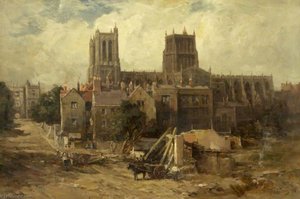
View of Temple Church
 89.0 x 60.0 cm
 Bristol Museum - Art Gallery
 Pročitaj više
Giclee štampa / Umetnički otisak
Giclée štampa ili print na platnu muzejskog kvaliteta uz brzu proizvodnju i fleksibilne opcije završne obrade. ( Kupi ručno naslikanu sliku Kupi digitalnu sliku)




































Izaberite jednu od naših unapred definisanih veličina koje odgovaraju originalnim proporcijama umetničkog dela.

Možete uneti sopstvene dimenzije kako biste umetničko delo prilagodili specifičnom okviru ili prostoru. Ako odabrani format ne odgovara proporcijama originalne slike, mi ćemo ili iscrtati deo dela ili proširiti sliku pomoću ogledane ivice ili jednobojnog popunjavanja. Digitalni prikaz će vam biti poslat na odobrenje pre početka proizvodnje.
Imajte na umu da pregled na ekranu ne odražava stvarno iscrtavanje ili proširivanje. Samo će prikaz (mockup) precizno pokazati finalnu kompoziciju.
Iako su prilagođene dimenzije dostupne, preporučujemo da odaberete dimenziju sa unapred definisane liste kako biste očuvali originalne proporcije.
Dostava širom sveta () za 2 nedelje umesto uobičajenih 4/5 nedelja. (28 август)

Besplatna ekspresna dostava širom sveta

Visokokvalitetno laneno platno

Kompletno osiguranje transporta

Garancija povraćaja carine i uvoznih dažbina

Garancija vernosti boja

Politika povrata u roku od 60 dana (samo u slučaju nedostataka)

Garancija povrata novca od 100%

Popust pri grupnoj kupovini
 Opcija sa staklom dostupna je samo za dimenzije manje od 110 cm

View of Temple Church
Giclee štampa / Umetnički otisak
Dimenzije reprodukcije
-


Konačna cena
$ 62
Srodna umetnička dela



Biografija umetnika
The Visionary Landscapes of Francis Abel William Taylor Armstrong
Francis Abel William Taylor Armstrong (1849 – 1920) emerged as a prominent figure in British landscape painting during the Victorian era, leaving behind a legacy of evocative depictions that continue to resonate with collectors and art historians alike. Born in Bristol, England, Armstrong’s artistic journey was shaped by both familial connections to the arts and a burgeoning fascination with capturing the beauty of the natural world. His father, William Taylor Armstrong Sr., a solicitor, instilled in his son a love for meticulous observation and intellectual curiosity. While his formal training may have begun through self-study and experimentation, his innate talent allowed him to navigate the complex artistic landscape of 19th-century Britain with remarkable grace.
By the late 1870s, Armstrong relocated to London, immersing himself in the vibrant artistic milieu of the city. This period marked a significant turning point in his development as he began exhibiting his work regularly at prestigious institutions such as the Royal Academy and the Slade School of Fine Art. It was during these years that his mastery of light and color truly began to flourish. His style became firmly established through a sophisticated use of atmospheric perspective and a profound sensitivity to tonal variations. Favoring oil paints on canvas, Armstrong employed intricate layering techniques to achieve a sense of remarkable realism, all while maintaining the ability to convey the deep mood and character of his subjects.
A Mastery of Light and Atmosphere
The essence of Armstrong’s work lies in its ability to transport the viewer into the heart of the English countryside. His canvases often reflect the profound influence of Romanticism, drawing inspiration from the legendary techniques of masters like Turner and Constable. He possessed a unique gift for capturing the fleeting qualities of nature—the way golden sunlight bathes a valley or how mist clings to a rugged moorland. This technical prowess is perhaps most evident in his celebrated works:
- The River Avon at Bradford Abbas (1883): A stunning portrayal of Dorset’s Avon Valley, where the artist uses light to create a sense of warmth and tranquility.
- Cornfield Near Stoke Newington (1886): A piece that captures the quiet grandeur and peacefulness of rural England.
- Dartmoor Moorland (1902): A demonstration of his ability to convey the raw, rugged beauty of the wild landscape.
Beyond the pastoral, Armstrong also displayed a keen interest in urban and architectural subjects, blending the majesty of historical structures with the vitality of daily life. His paintings of Bristol, such as The Church of St Mary Redcliffe (1899) and Bristol Cathedral (1904), showcase his skill in capturing the essence of urban landscapes. In these works, he utilizes bold brushstrokes and vivid colors to highlight intricate architectural details, often juxtaposing the permanence of stone towers with the transient movement of horse-drawn carriages and bustling city life.
Legacy and Historical Significance
The historical significance of Francis Abel William Taylor Armstrong lies in his role as a chronicler of a changing Britain. Through his eyes, we witness the serene beauty of the pre-industrial countryside and the dignified evolution of English cities. His work serves as a bridge between the classical landscape traditions of the past and the more emotive, atmospheric approaches of the late Victorian period. By focusing on the interplay of light, texture, and atmosphere, Armstrong created a body of work that transcends mere documentation, offering instead a poetic meditation on the natural and built environments.
Today, his paintings remain cherished for their ability to evoke nostalgia and wonder. Whether depicting a tranquil river scene or a majestic cathedral, Armstrong’s dedication to capturing the soul of his subjects ensures his enduring place in the annals of British art history. His legacy continues to inspire those who find beauty in the subtle shifts of light and the timeless landscapes of the English realm.
francis abel william taylor armstrong
1849 - 1920
Osnovne informacije
- Artistic Movement Or Style: Romanticism
- Artists Or Movements Influenced By This Artist: ['Hudson Lowe']
- Artists Who Influenced This Artist:
- John Constable
- George Frederic Handel
- Date Of Birth: 1849
- Date Of Death: 1920
- Full Name: Francis Abel William Taylor Armstrong
- Nationality: British
- Notable Artworks:
- The Old Mill
- Redcliffe Gorge
- Place Of Birth: Bristol, England

